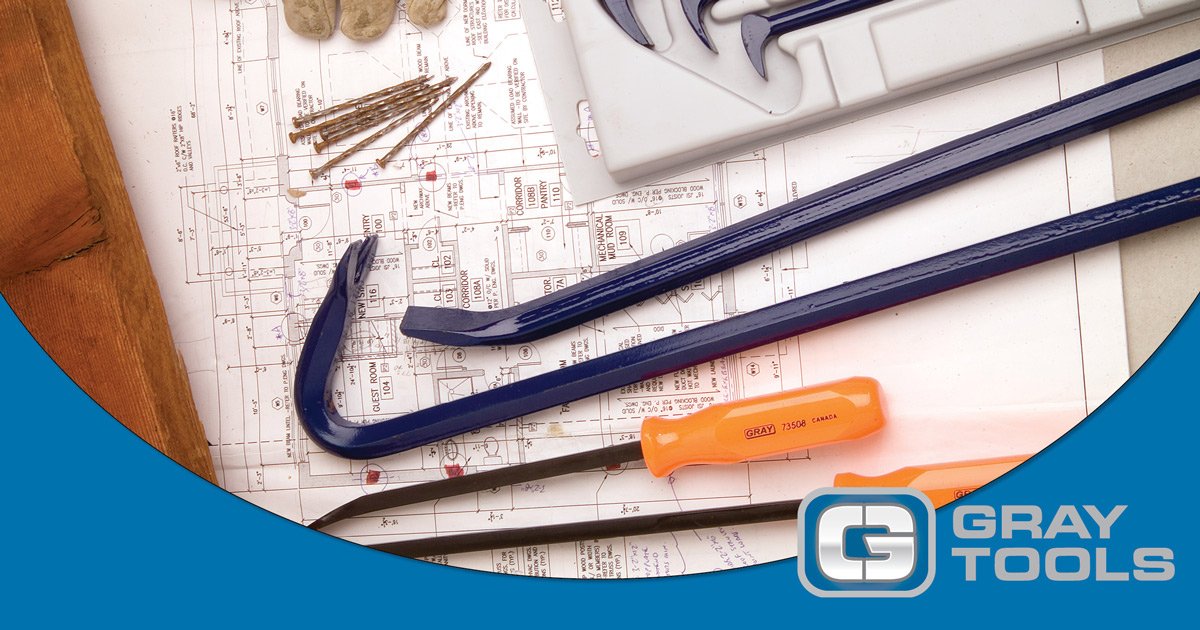
Are you struggling to lift heavy objects safely and efficiently? A pry bar could be the simple tool that changes everything for you.
Knowing how to use it correctly can save you time, prevent injuries, and make tough tasks feel much easier. In this guide, you’ll discover practical tips and tricks to master the pry bar, so you can handle heavy lifting with confidence and ease.
Keep reading, and unlock the secret to working smarter—not harder.
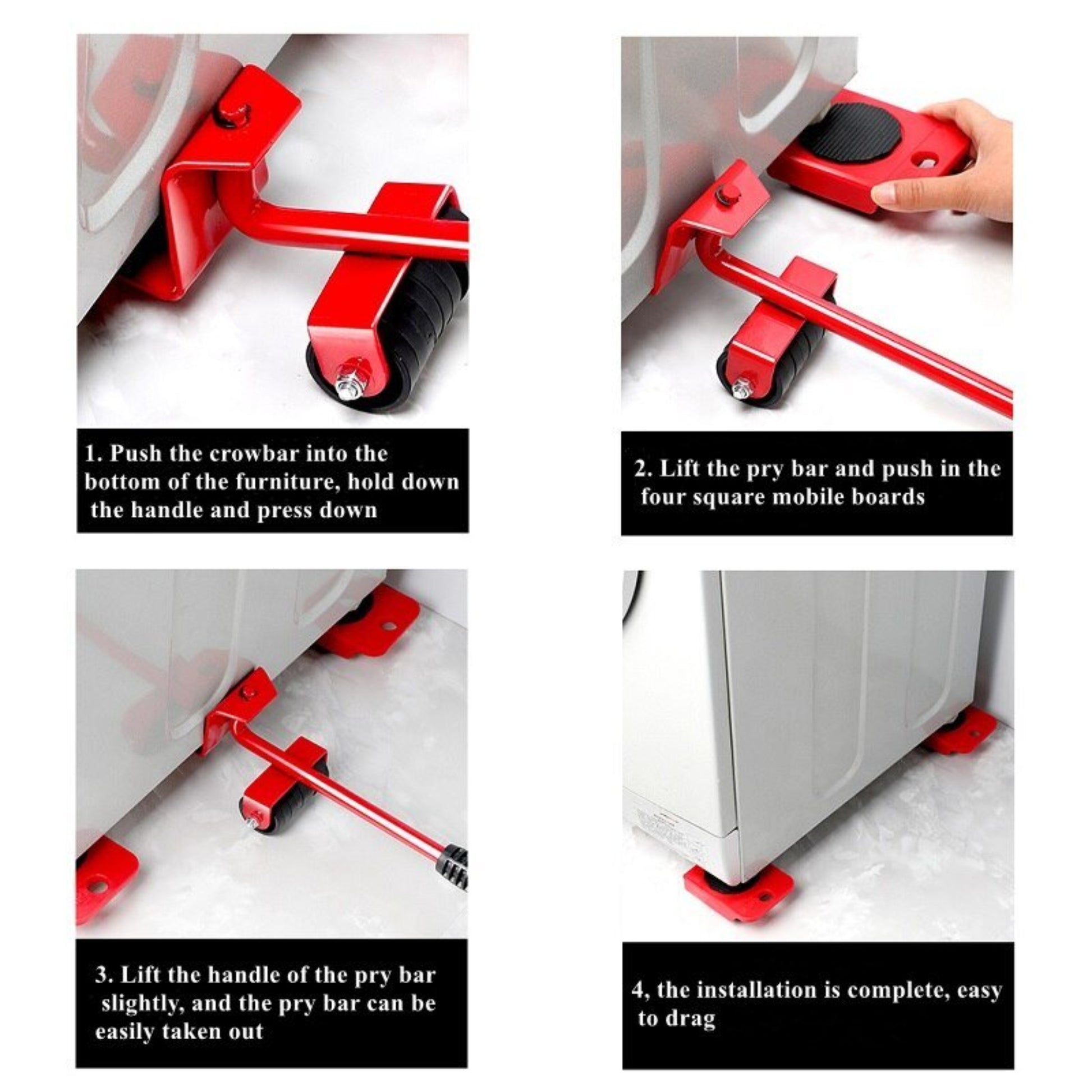
Credit: scccltd.com
Choosing The Right Pry Bar
Using a pry bar makes lifting heavy objects easier. Picking the right pry bar helps you work safely and well.
Look at the type, material, size, and weight before you buy a pry bar. These factors affect how well the tool works.
Types Of Pry Bars
Pry bars come in many shapes and designs. Each type works best for certain jobs and spaces.
- Flat Pry Bars: Thin and wide, good for lifting and pulling nails.
- Gooseneck Pry Bars: Curved shape for better leverage.
- Cat’s Paw Pry Bars: Small and strong, great for tight spots.
- Wonder Bars: Long and straight, offer extra reach and power.
Material And Durability
Strong material keeps the pry bar from bending or breaking. Steel is the most common choice.
Look for pry bars with heat-treated steel. This makes them harder and longer lasting. Some pry bars have rust-proof coatings to stay in good shape.
- Carbon Steel: Strong and durable for tough jobs.
- Alloy Steel: Extra strength and resistance to wear.
- Stainless Steel: Resists rust but may be less strong.
Size And Weight Considerations
Choose a size that fits your task and space. Longer pry bars give more leverage but can be harder to use in tight spots.
Weight matters too. Heavy pry bars are strong but can tire you quickly. Light pry bars are easier to handle but may not lift very heavy objects.
- Short Bars (6-12 inches): Best for small jobs and tight spaces.
- Medium Bars (12-24 inches): Good balance of power and control.
- Long Bars (24 inches and up): Offer more leverage for heavy lifting.
Safety Precautions
Using a pry bar to lift heavy objects can be dangerous. Taking safety steps helps prevent injuries.
Always follow safety rules before and during the lifting process.
Proper Protective Gear
Wearing the right gear protects your body from harm. Gloves keep your hands safe from cuts and blisters.
Sturdy shoes protect your feet if heavy objects fall. Safety glasses shield your eyes from flying debris.
- Wear thick work gloves
- Use steel-toed boots or sturdy shoes
- Put on safety goggles
- Consider wearing a hard hat if needed
Work Area Preparation
Clear the area around the object before lifting. Remove any tripping hazards like tools or cords.
Make sure the ground is stable and dry. Good footing helps you keep control of the pry bar.
- Clear clutter and debris
- Check for wet or slippery spots
- Have enough space to move safely
- Use good lighting to see clearly
Avoiding Common Injuries
Lift with your legs, not your back, to avoid strain. Keep your back straight and bend your knees.
Do not rush. Move slowly and carefully to keep control of the pry bar and object.
- Keep a firm grip on the pry bar
- Watch your fingers and hands
- Do not overreach or stretch too far
- Ask for help if the object is very heavy
Basic Lifting Techniques
Using a pry bar can help lift heavy objects safely. It makes lifting easier by increasing your strength.
Learning the right techniques prevents injury and protects the object you lift. Focus on positioning, leverage, and the fulcrum.
Correct Positioning
Stand close to the object you want to lift. Keep your feet shoulder-width apart for balance.
Place the pry bar under the object with a firm grip. Keep your back straight and bend your knees slightly.
- Stand close to the load
- Feet shoulder-width apart
- Keep back straight
- Bend knees slightly
- Hold pry bar firmly
Applying Leverage
Push or pull the pry bar slowly to lift the object. Use steady force instead of quick, jerky movements.
The longer the handle of the pry bar, the easier it is to lift heavy loads. Use the handle to increase your strength.
- Push or pull slowly
- Use steady force
- Long handles give more leverage
- Leverage reduces effort
Using A Fulcrum Effectively
Place a solid object under the pry bar near the load to act as a fulcrum. The fulcrum helps lift the load with less effort.
Make sure the fulcrum is stable and strong. Adjust its position to get the best lifting angle.
- Use a solid fulcrum near the load
- Check fulcrum stability
- Move fulcrum for better lifting angle
- Fulcrum increases lifting power
Advanced Lifting Strategies
Using a pry bar to lift heavy objects needs care and good technique. Advanced strategies help you lift safely and with less effort.
This guide covers ways to use multiple pry bars, combine tools, and handle uneven loads during lifting tasks.
Multiple Pry Bars Use
Using several pry bars lets you lift bigger or heavier objects more safely. Spread the force evenly to avoid damage.
- Place pry bars at different points under the object.
- Lift slowly and adjust bars as needed.
- Use blocks or supports to hold the object once lifted.
- Work with a partner to coordinate lifting.
Combining Tools For Efficiency
Combining pry bars with other tools makes lifting easier. Tools like jacks and rollers help reduce strain.
| Tool | Use |
| Pry Bar | Lift or shift heavy edges |
| Hydraulic Jack | Raise objects steadily |
| Rollers | Move heavy items horizontally |
| Blocks | Support lifted objects safely |
Handling Uneven Loads
Uneven loads can cause slipping or tipping. Balance the weight before lifting to keep control.
Tips for handling uneven loads:
- Identify the heaviest side of the object.
- Place pry bars closer to the heavy side.
- Lift slowly and watch for shifts.
- Add supports to the lighter side as you lift.
- Use teamwork to keep the object steady.
Maintenance And Care
Taking good care of your pry bar keeps it safe to use and lasts longer. Proper maintenance helps the tool work well every time you lift heavy objects.
Simple steps like cleaning, checking for damage, and storing properly prevent problems and keep the pry bar ready for the next job.
Cleaning After Use
After using your pry bar, clean off any dirt, dust, or grease. This stops rust and keeps the tool strong.
- Wipe the bar with a dry cloth to remove loose dirt.
- Use warm soapy water and a brush for stuck-on grime.
- Dry the bar fully to avoid moisture damage.
- Apply light oil to metal parts to prevent rust.
Inspecting For Damage
Check your pry bar for cracks, bends, or worn areas before and after use. Damaged bars can break and cause injury.
| Damage Type | What to Look For | Action |
|---|---|---|
| Cracks | Visible lines or splits on metal | Do not use; replace immediately |
| Bends | Areas that are not straight or warped | Stop use; get repaired or replaced |
| Wear | Rounded edges or thin metal spots | Monitor closely; replace if severe |
Storage Tips
Store your pry bar in a dry place to keep it safe from damage and rust. Proper storage keeps the tool ready for your next task.
- Hang the pry bar on a wall hook to avoid bending.
- Keep it off damp floors and away from moisture.
- Store it with other hand tools in a toolbox or rack.
- Apply oil before storing for long periods.

Credit: www.tenaquip.com
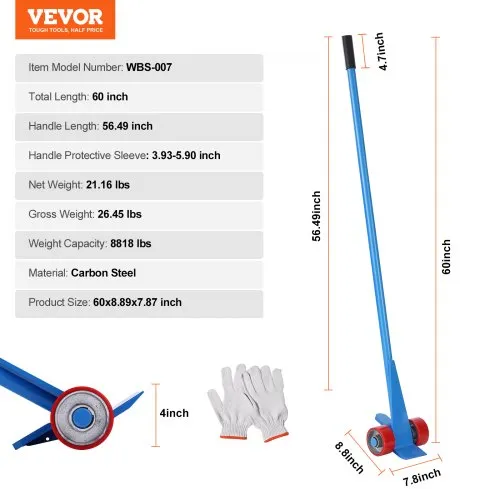
Credit: www.vevor.com
Frequently Asked Questions
What Is A Pry Bar Used For In Lifting Heavy Objects?
A pry bar helps lift heavy objects by providing leverage. It reduces effort and increases control during lifting tasks. This tool is essential for moving heavy items safely and efficiently.
How Do You Safely Use A Pry Bar For Lifting?
Place the pry bar under the object’s edge. Apply steady pressure on the handle to lift. Always wear gloves and ensure stable footing for safety.
Can A Pry Bar Lift Very Heavy Objects Alone?
A pry bar can lift heavy objects but has limits. For extremely heavy items, use additional tools or get assistance. This prevents injury and damage to the object.
What Types Of Pry Bars Are Best For Lifting?
Flat pry bars and crowbars are ideal for lifting. Choose a size and material suitable for the object’s weight. Durable steel bars offer strength and reliability.
Conclusion
Using a pry bar can make lifting easier. It helps move heavy items safely. Always ensure the surface is stable. Choose the right size for your task. Grip firmly and lift with care. This tool can save time and effort.
Remember safety comes first. Practice makes it easier over time. Proper technique prevents injuries. Keep your workspace clear and organized. With patience, the task gets simpler. Equip yourself with the right tools. Happy lifting!