Are you struggling to fix things in those hard-to-reach spots? A ratchet wrench can be your best friend when space is tight, but only if you know how to use it right.
In this guide, you’ll discover simple tips and tricks to master your ratchet wrench, making your repairs faster and less frustrating. Whether you’re a beginner or just looking to work smarter, this article will help you get the job done with ease.
Keep reading to unlock the full potential of your ratchet wrench in tight areas.
Choosing The Right Ratchet Wrench
Using a ratchet wrench in tight areas can be tricky. Picking the right wrench helps you work faster and easier.
There are many types of ratchet wrenches. Each type fits different jobs and spaces.
Types Of Ratchet Wrenches
There are standard, flex-head, and stubby ratchet wrenches. Standard wrenches are good for most tasks.
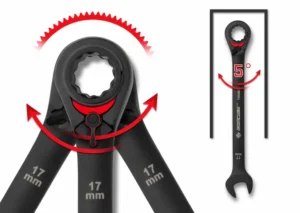
Flex-head wrenches have a moving head. This helps reach hard spots. Stubby wrenches are short. They fit in very tight places.
- Standard ratchet wrench: best for open spaces
- Flex-head ratchet wrench: moves to reach angles
- Stubby ratchet wrench: small size for tight spots
Size And Drive Considerations
Ratchet wrenches come in different drive sizes. Common sizes are 1/4 inch, 3/8 inch, and 1/2 inch.
Choose a smaller drive size for tight spaces. Larger drives give more power but need more room to turn.
- 1/4 inch drive: best for small bolts and tight spots
- 3/8 inch drive: good all-round size
- 1/2 inch drive: strong for large bolts but needs space
Material And Durability
Most ratchet wrenches are made from steel or alloy. Look for wrenches with good rust resistance.
Durable materials last longer and work better in tough jobs. Chrome plating helps protect the wrench.
- Steel: strong and durable
- Alloy: lighter but still strong
- Chrome plating: protects against rust
Preparing For Tight Spaces
Using a ratchet wrench in tight spaces can be tricky. Preparing well makes the job easier and safer.
Good preparation helps you work without damage or frustration. Focus on the space and tools before starting.
Assessing The Work Area
Look closely at the space where you will use the ratchet wrench. Check how much room you have to move your hand and the wrench.
Note any tight spots or angles that could make it hard to turn the wrench. This helps you plan your moves better.
Clearing Obstructions
Remove anything blocking your access to the work area. This might include wires, hoses, or loose parts.
Clear space helps you reach the fastener without straining. It also reduces the risk of damaging other parts.
- Move cables or hoses away carefully
- Remove loose tools or parts nearby
- Use a flashlight to see hidden obstacles
Selecting Appropriate Extensions And Adapters
Choose the right extensions or adapters to fit the tight space. These tools help you reach fasteners that are hard to access.
Pick extensions that are short enough to fit but long enough to give good leverage. Make sure adapters fit your ratchet and fasteners.
- Use flexible extensions for angled access
- Choose low-profile adapters for narrow spaces
- Match adapter size to the fastener socket
Techniques For Using A Ratchet Wrench
Using a ratchet wrench in tight spaces can be tricky. You need the right techniques to work efficiently and safely. These tips will help you handle the tool with ease.
Learn how to hold the wrench properly, set the direction, and use short strokes. These methods make your job faster and reduce strain on your hands.
Proper Grip And Hand Position
Hold the ratchet wrench firmly but not too tight. Keep your wrist straight to avoid strain. Use your whole hand to control the tool better.
- Wrap your fingers around the handle
- Place your thumb along the side for support
- Keep your wrist in line with your forearm
- Use your arm to turn, not just your wrist
Optimizing Ratchet Direction
Set the ratchet to turn in the right direction before you start. Most ratchets have a small switch to change the turn direction. This helps you work without removing the wrench.
| Direction | Use |
|---|---|
| Clockwise | Tighten bolts and nuts |
| Counterclockwise | Loosen bolts and nuts |
Short Stroke Movements
Use short strokes to turn the wrench in tight spaces. This lets you move the tool back and forth without hitting nearby objects. It also prevents the wrench from slipping off the fastener.
Tips for short stroke use:
- Position the wrench at the start of the turn
- Push or pull the handle a little bit
- Reset the handle without removing the socket
- Repeat until the bolt or nut is tight or loose

Credit: www.youtube.com
Leveraging Accessories
Using the right accessories makes working with a ratchet wrench easier in tight spaces. These tools help you reach difficult spots and turn bolts smoothly.
Below are useful accessories that improve your grip and control when space is limited.
Using Flex-head Ratchets
Flex-head ratchets have a movable head that bends to different angles. This feature helps you turn fasteners in corners or crowded areas.
You can adjust the head to fit the space, reducing the need to twist your wrist awkwardly.
Employing Swivel Sockets
Swivel sockets connect to your ratchet and allow the socket to tilt. This lets you work around obstacles without changing your position.
- They offer flexibility in tight or angled spaces.
- Swivel sockets help avoid stripping bolts by keeping pressure even.
- They come in different sizes to fit various fasteners.
Extension Bars For Reach
Extension bars add length between the ratchet and socket. They help you reach fasteners hidden deep or behind other parts.
| Extension Bar Length | Best Use |
| 2 inches | Tight spaces with small gaps |
| 4 inches | Moderate reach behind parts |
| 6 inches or more | Deep, hard-to-reach fasteners |
Safety Tips In Confined Spaces
Working with a ratchet wrench in tight areas needs care. Small spaces can make tool use hard and risky.
Follow safety tips to avoid injuries and keep control while working in these spots.
Avoiding Pinch Points
Pinch points can trap your fingers or skin between moving parts or tools. Watch your hands and the wrench closely.
- Keep fingers clear of tight spaces around the wrench.
- Move the wrench slowly to see where it goes.
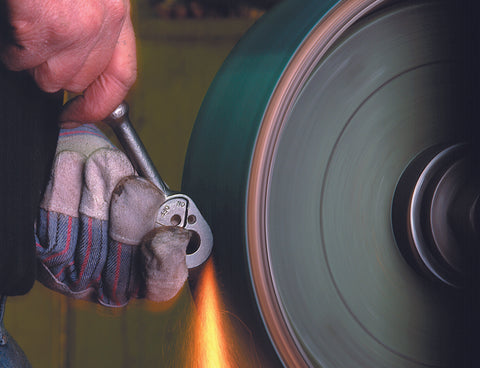
- Use gloves to protect your skin from sharp edges.
- Clear the work area of other objects to avoid accidental pinches.
Maintaining Tool Control
Hold the ratchet wrench firmly to avoid slips. Tight areas need steady hands and good grip.
| Tip | How to Do It |
| Grip | Hold the wrench handle tightly with all fingers |
| Position | Place the wrench at the correct angle for the bolt |
| Movement | Turn slowly and smoothly without jerking |
| Rest | Pause if hands get tired or sweaty |
Wearing Protective Gear
Wear gear to protect your hands, eyes, and body. This helps reduce injuries in tight spaces.
- Gloves to protect from cuts and pinches
- Safety glasses to guard against flying debris
- Long sleeves to avoid skin scrapes
- Non-slip shoes for steady footing
Credit: shopgraytools.com
Maintenance For Longevity
Keeping your ratchet wrench in good condition helps it last longer. Proper care prevents rust and wear.
Follow simple steps after each use to maintain its performance and reliability in tight spaces.
Cleaning After Use
Remove dirt, grease, and debris from your ratchet wrench after every job. Use a clean cloth to wipe it down.
- Use a soft brush for hard-to-reach areas
- Avoid harsh chemicals that can damage metal parts
- Dry the tool completely to prevent rust
Lubrication Tips
Lubricate the moving parts regularly to keep the ratchet mechanism smooth. Use light machine oil for best results.
| Lubrication Area | Recommended Oil | Frequency |
| Gear teeth | Light machine oil | Monthly |
| Pivot points | Light machine oil | Monthly |
| Handle joints | Light grease | Every 3 months |
Storage Best Practices
Store your ratchet wrench in a dry place to avoid moisture damage. Keep it in a toolbox or storage case.
- Keep the tool away from direct sunlight
- Use silica gel packs to absorb moisture
- Organize tools to avoid scratches and damage
Credit: ironcubeworks.com
Frequently Asked Questions
What Is The Best Ratchet Wrench For Tight Spaces?
The best ratchet wrench for tight spaces has a compact head and slim handle. It offers a 72-tooth or more gear for a smaller swing arc. This design allows easier access and efficient turning in confined areas.
How Do I Use A Ratchet Wrench In Small Areas?
To use a ratchet wrench in small areas, choose the correct socket size first. Position the wrench carefully, ensuring it fits snugly. Use short, controlled movements to turn bolts or nuts without needing much space.
Can A Ratchet Wrench Fit In All Tight Spots?
Not all ratchet wrenches fit every tight spot. Size and design matter. Slim, low-profile models work best in narrow areas. Always select a wrench with a small head and fine-tooth gear for better access.
How To Maintain A Ratchet Wrench For Smooth Use?
Keep the ratchet wrench clean and lubricated regularly. Remove dirt and debris after each use. Apply light machine oil to the gear mechanism. Proper maintenance ensures smooth operation and extends the tool’s life.
Conclusion
Mastering the use of a ratchet wrench in tight areas takes practice. Choose the right size and type for your task. Always ensure a secure grip and proper alignment. This prevents slipping and injury. Keep your tools clean and well-maintained.
A reliable tool is a safe tool. With patience and care, you can tackle any tight space. Remember to work slowly and methodically. Every step counts towards success. So, next time you face a challenging spot, be confident. Your skills and knowledge will guide you through.
Happy wrenching!