Are you tired of struggling with stubborn bolts or spending hours trying to fix things around your home? Knowing how to use a socket set effectively can save you time, effort, and frustration.
Whether you’re a beginner or someone who wants to sharpen your skills, this guide will show you the simple steps to get the job done right. By the end, you’ll feel confident handling any repair or project with ease. Ready to unlock the full power of your socket set?
Let’s dive in and make your next task smoother than ever.
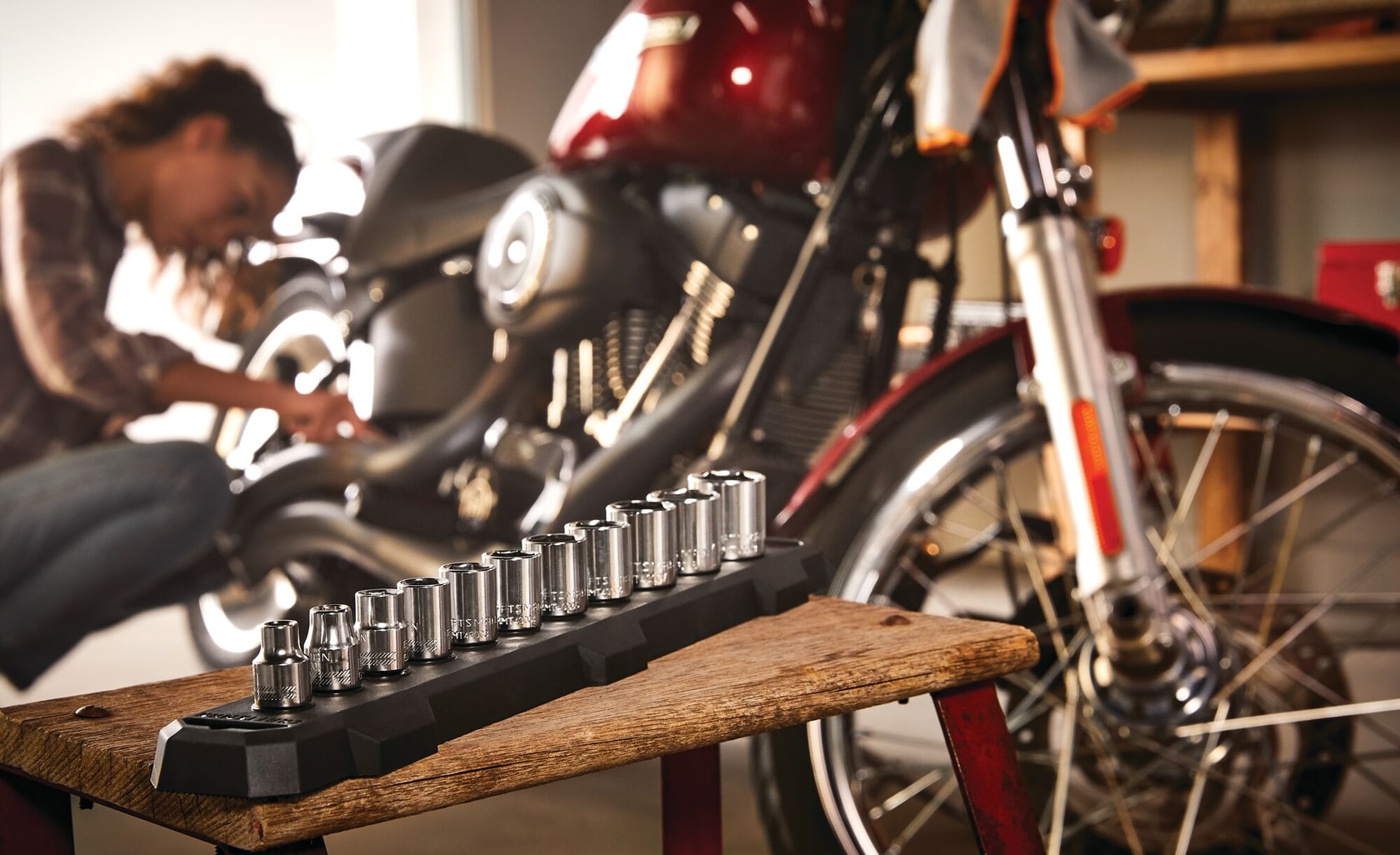
Credit: www.craftsman.com
Choosing The Right Socket Set
Picking the right socket set helps you work faster and safer. It is important to find one that fits your needs.
A good socket set saves time and effort on any job. Learn what to look for before buying.
Types Of Socket Sets
Socket sets come in many types for different tasks. Choose one based on what you will fix most.
- Standard socket sets are for common bolts and nuts.
- Deep socket sets reach nuts in tight spaces.
- Impact socket sets work with power tools.
- Metric and SAE sets fit different size measurements.
Material And Build Quality
High-quality materials make sockets last longer. Look for strong metals that resist wear and tear.
Chrome vanadium steel is common for durability. A polished finish helps stop rust and makes cleaning easy.
- Chrome vanadium steel offers strength and rust resistance.
- Chrome plating protects against corrosion.
- Heat-treated sockets resist breaking under pressure.
Essential Sizes To Include
Your socket set should cover the most common sizes. This helps you handle many jobs without extra tools.
Include both metric and SAE sizes if possible. Pick sizes that fit bolts you use often.
| Metric Sizes (mm) | SAE Sizes (inches) |
|---|---|
| 8, 10, 12, 14, 17, 19 | 5/16, 3/8, 7/16, 1/2, 9/16, 5/8 |

Credit: www.popularmechanics.com
Key Components Of A Socket Set
A socket set is a useful tool kit for many tasks. It helps tighten or loosen bolts and nuts of different sizes. Knowing the main parts helps you use it well and keep it organized.
This guide explains the key parts of a socket set. Each part has a special role. Understanding them makes your work easier and faster.
Sockets And Ratchets
Sockets fit over nuts and bolts. They come in many sizes to match different fasteners. Ratchets connect to sockets and turn them with a handle. The ratchet lets you turn fasteners without moving your hand fully around.
- Sockets are usually made from steel for strength.
- They come in standard and metric sizes.
- Ratchets have a switch to change turning direction.
- Different ratchet handle lengths give more leverage or fit tight spaces.
Extensions And Adapters
Extensions help reach nuts or bolts in tight or deep places. Adapters connect different sized sockets to ratchets. They increase the set’s flexibility.
| Component | Purpose | Common Sizes |
| Extension Bars | Reach hard-to-access fasteners | 2″, 4″, 6″ |
| Socket Adapters | Connect sockets and ratchets of different sizes | 1/4″ to 3/8″, 3/8″ to 1/2″ |
| Universal Joints | Allow angle turning in tight spaces | Various sizes matching ratchets |
Specialty Tools
Some socket sets include specialty tools for specific tasks. These tools help with unusual bolts or tight spots.
- Spark plug sockets protect and fit spark plugs.
- Torque wrenches tighten bolts to a set force.
- Bit sockets fit screwdriver bits for different screws.
- Breaker bars give extra force for very tight bolts.
Preparing For Your Task
Using a socket set correctly makes your work easier. Getting ready helps you avoid mistakes and saves time.
Before starting, check your tools and safety gear. This guide shows how to prepare well for using a socket set.
Selecting The Correct Socket Size
Choose a socket that fits the nut or bolt exactly. The right size prevents slipping and damage to parts.
Try the socket on the fastener before you start. It should fit snugly without forcing it on.
- Measure the fastener if unsure of size
- Use metric or standard sockets as needed
- A loose socket can strip bolts
- A tight socket may not fit properly
Checking Tool Condition
Inspect your socket set for damage before use. Cracks or worn parts can cause accidents or poor work.
Make sure sockets and ratchets move smoothly. Clean off dirt and grease for better handling.
- Look for cracks or chips on sockets
- Test the ratchet mechanism for smooth action
- Replace damaged or worn tools immediately
- Keep tools clean and dry to avoid rust
Safety Precautions
Wear safety glasses to protect your eyes from debris. Gloves can protect your hands but avoid loose ones.
Work in a well-lit area with a stable surface. Keep your workspace free of clutter to avoid accidents.
- Wear safety glasses to guard against flying particles
- Use gloves that fit well and do not slip
- Clear your work area of obstacles
- Keep good posture to avoid strain
Effective Techniques For Using A Socket Set
A socket set is a handy tool for many repair and maintenance tasks. Using it correctly saves time and effort.
This guide explains simple ways to use a socket set safely and effectively.
Attaching Sockets Properly
Make sure the socket fits the fastener snugly to avoid slipping. Check the size before attaching.
Push the socket firmly onto the ratchet or wrench until it clicks into place.
- Match socket size with bolt or nut size
- Push socket fully onto the tool
- Check for a secure fit before use
Applying Correct Torque
Use the right amount of force to avoid damaging parts. Tighten bolts firmly but do not overdo it.
If the task requires, use a torque wrench to apply exact pressure as needed.
- Turn the handle smoothly and steadily
- Stop when resistance increases sharply
- Use a torque wrench for precision
Working In Tight Spaces
Choose smaller sockets and ratchets for narrow areas. A flexible extension can help reach hidden bolts.
Move the tool in small arcs and keep your hand steady to avoid slipping.
- Use compact socket sizes
- Attach extension bars if needed
- Work with slow, controlled motions
Maintaining Your Socket Set
Keeping your socket set in good shape helps it last longer and work better. Regular care prevents damage and keeps the tools safe.
Simple actions like cleaning and checking your sockets can save you time and money over time. Learn how to care for your set properly.
Cleaning And Storage Tips
After each use, clean your socket set to remove dirt and grease. Use a dry cloth or brush to clear debris. Avoid water to stop rust.
- Wipe sockets and ratchets with a clean cloth
- Use light oil on metal parts to prevent rust
- Store sockets in their case to avoid loss
- Keep the set in a dry place away from moisture
Regular Inspection
Check your socket set often for signs of wear or damage. Catching problems early helps you fix them before tools break.
| Inspection Area | What to Check | Why It Matters |
| Sockets | Cracks, chips, rounding | Ensures proper fit and safety |
| Ratchet | Smooth movement, teeth condition | Keeps tool working well |
| Extensions | Straightness, secure joints | Prevents tool slipping |
Replacing Worn Parts
Replace parts that show wear to keep your socket set reliable. Using damaged tools can cause injury or damage bolts.
- Identify sockets with rounded or cracked edges
- Check ratchet for slipping or broken teeth
- Buy exact replacements for your set’s brand
- Install new parts carefully following instructions
- Test the set after replacement to ensure fit
Troubleshooting Common Issues
Using a socket set can sometimes lead to problems. These issues slow down your work and cause frustration.
This guide explains how to fix common problems with socket sets. Follow these tips to keep your tools working well.
Dealing With Stripped Bolts
Stripped bolts lose their grip and become hard to turn. This happens when the bolt head is worn out or damaged.
Use a bolt extractor or a rubber band to get a better grip. Apply steady pressure and turn slowly to remove the bolt.
- Place a wide rubber band over the stripped bolt
- Press the socket firmly into the bolt head
- Turn the socket slowly and steadily
- Use a bolt extractor if the rubber band does not work
Handling Stuck Sockets
Sockets can get stuck on bolts due to rust or dirt. This makes it hard to remove the socket from the bolt.
Try tapping the socket gently with a hammer to loosen it. Using some lubricant can also help free stuck sockets.
- Spray lubricant around the socket and bolt
- Let the lubricant sit for a few minutes
- Tap the socket lightly with a hammer
- Use a wrench to turn the socket carefully
Fixing Loose Ratchets
A loose ratchet does not hold sockets tightly. This can cause slipping and damage to the tool or bolt.
Check the ratchet mechanism and clean out dirt or debris. Tighten any loose parts or replace worn components if needed.
- Open the ratchet and clean the inside parts
- Remove dust, grease, or small debris
- Tighten screws or bolts in the ratchet head
- Replace worn pawls or springs if necessary
Advanced Tips For Speed And Efficiency
Using a socket set well can save time and effort. Knowing some advanced tips makes your work faster and easier.
This guide covers using impact sockets, organizing your workspace, and combining tools for tough jobs.
Using Impact Sockets
Impact sockets are stronger than regular ones. They handle more force without cracking.
- Always use impact sockets with impact wrenches or drivers.
- Check for damage before use to avoid accidents.
- Keep impact sockets clean and free of rust.
- Use the correct size to prevent slipping and rounding bolts.
Organizing Your Workspace
A tidy workspace helps you find tools quickly. It also reduces mistakes and keeps you safe.
| Tip | Why It Helps |
| Use drawer organizers | Keeps sockets sorted by size |
| Label storage bins | Find tools fast |
| Keep a clean surface | Prevents losing small parts |
| Store sockets upright | Easy access and less damage |
Combining Tools For Complex Jobs
Sometimes one tool is not enough. Use several tools together for tough tasks.
Try these combinations:
- Socket wrench with extension bars to reach deep bolts
- Breaker bar plus a socket for extra torque
- Impact wrench combined with impact sockets for speed
- Universal joint adapter to work at angles

Credit: www.reddit.com
Frequently Asked Questions
What Is The Best Way To Organize A Socket Set?
Organize sockets by size and type in the case provided. Use labels for easy identification. Keep frequently used sockets accessible to save time during projects.
How Do I Choose The Right Socket Size?
Match the socket size to the bolt or nut head. Use a socket that fits snugly to avoid stripping. Verify size markings before use for accuracy.
Can I Use A Socket Set For Automotive Repairs?
Yes, socket sets are ideal for automotive repairs. They fit various bolt sizes on vehicles. Ensure the set includes deep and shallow sockets for versatility.
How Do I Maintain My Socket Set Effectively?
Clean sockets after each use to remove dirt and grease. Store them in a dry place to prevent rust. Periodically lubricate moving parts for smooth operation.
Conclusion
Understanding a socket set is crucial for efficient work. It saves time and effort. By choosing the right socket, tasks become easier. Practice with your socket set regularly. Gain confidence with each use. Remember to maintain your tools. Clean them after each task.
Proper care extends their life. Safety should always be a priority. Wear protective gear when needed. A well-organized toolset boosts productivity. Store your sockets neatly after use. This guide aims to improve your skills. Keep learning and practicing. A reliable socket set is a valuable asset.
Happy fixing!