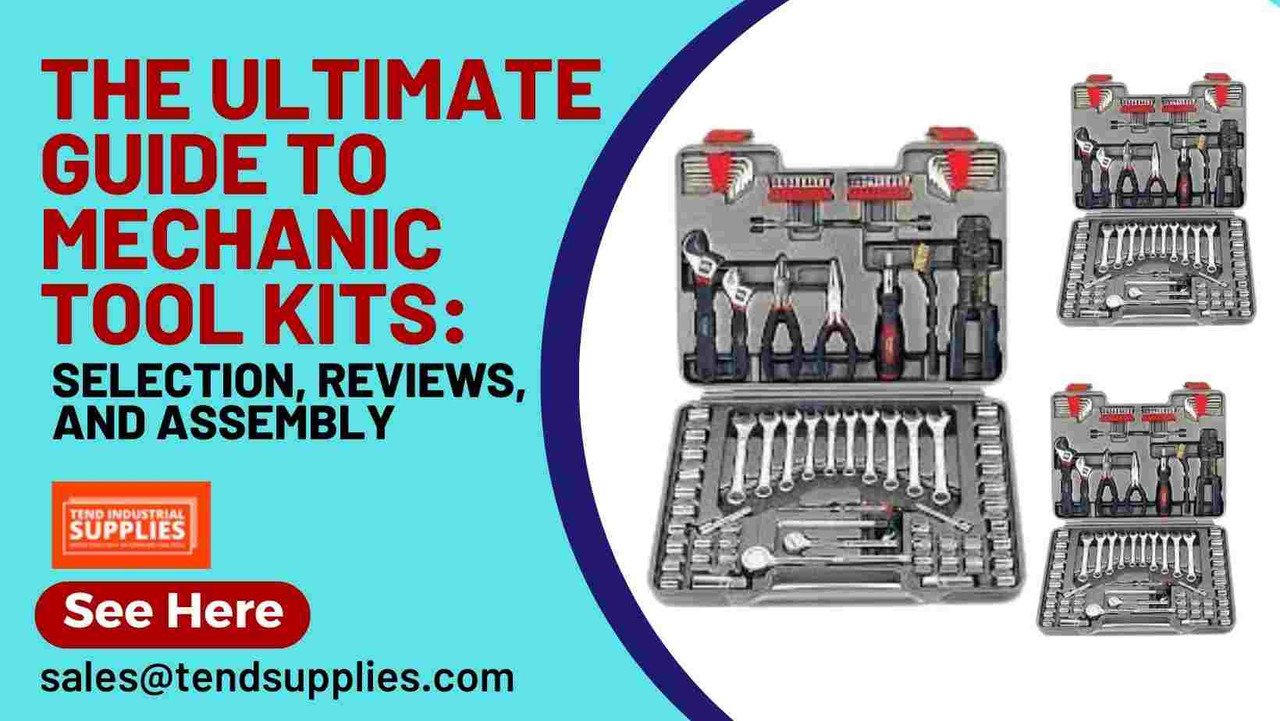
Are you tired of fumbling with tools and wasting time on simple repairs? Using a socket set might seem straightforward, but there are tricks that can make your work faster and smoother.
Imagine finishing your projects without frustration and with confidence every step of the way. This guide will show you how to use your socket set efficiently, saving you effort and making your tasks more enjoyable. Keep reading, and you’ll discover tips that turn a basic tool into your best ally.
Choosing The Right Socket Set
A good socket set helps you fix many things around the house. Picking the right one saves time and effort. This guide shows key points to consider before buying a socket set.
Look at the types, materials, and sizes. These factors affect how well the set works for your tasks.
Types Of Socket Sets
Socket sets come in different styles for various jobs. Some sets have shallow sockets for easy access. Others have deep sockets to reach nuts on long bolts.
- Standard sets for everyday use
- Impact sets for heavy-duty work
- Metric sets for measurements in millimeters
- SAE sets for inches and older tools
Materials And Durability
Good socket sets last long and resist wear. Most are made from steel alloys. Chrome vanadium steel is common for strength and rust resistance. Some sets have black oxide finishes for extra protection.
| Material | Features | Best Use |
|---|---|---|
| Chrome Vanadium Steel | Strong, rust-resistant | General repairs |
| Chrome Molybdenum Steel | Very tough, impact resistant | Heavy-duty and impact tools |
| Stainless Steel | Corrosion resistant | Outdoor and marine use |
Size And Drive Types
Socket sizes match bolt and nut sizes. Drive types are the square parts that fit your wrench. Common drive sizes include 1/4 inch, 3/8 inch, and 1/2 inch.
- 1/4 inch drive: small fasteners and tight spaces
- 3/8 inch drive: medium fasteners, most common
- 1/2 inch drive: large fasteners and heavy work
Essential Socket Set Components
A socket set is a must-have for many repair and building tasks. It has parts that work together to help you tighten or loosen bolts and nuts.
Knowing the main parts of a socket set helps you use it correctly and safely. Here are the key components you should know.
Sockets And Ratchets
Sockets are the parts that fit over nuts or bolts. They come in different sizes to match various fasteners. Ratchets are handles that turn the sockets easily.
Ratchets let you turn fasteners without removing the tool each time. This saves time and effort during work.
- Standard sockets fit common bolt sizes
- Deep sockets reach bolts in tight spots
- Ratchets have a switch to change direction
- Common ratchet sizes include 1/4″, 3/8″, and 1/2″
Extensions And Adapters
Extensions are bars that make sockets reach bolts in hard places. They add length between the ratchet and socket.
Adapters change the size of the drive on the ratchet or socket. They let you use sockets and ratchets that do not match in size.
- Extensions come in different lengths
- Adapters connect different drive sizes
- Use extensions for bolts in narrow spaces
- Adapters help when you have mixed socket sizes
Specialty Attachments
Specialty attachments are extra tools for unique jobs. They help with tasks that standard sockets can’t do well.
Common specialty attachments include universal joints and spark plug sockets. These parts add flexibility and protection.
- Universal joints bend to reach angled bolts
- Spark plug sockets have rubber to protect plugs
- Bit holders allow use of screwdriver bits
- Flex sockets adjust to different fastener shapes
Setting Up Your Workspace
Setting up your workspace helps you work faster and safer. A clean and organized area makes it easy to find tools.
This guide shows how to arrange your space for using a socket set efficiently.
Organizing Tools For Efficiency
Keep your socket set and related tools in one place. Group sockets by size and type.
- Use trays or cases with compartments
- Label sockets and bits for quick access
- Place frequently used tools within arm’s reach
- Keep your workspace clean and clear of clutter
Proper Lighting And Space
Good lighting helps you see small parts clearly and avoid mistakes. Make sure your workspace is bright and free of shadows.
| Lighting Type | Best Use |
| Overhead LED light | General workspace lighting |
| Portable flashlight | Brighten dark or tight spots |
| Task lamp with adjustable arm | Focus light on specific work areas |
Safety Precautions
Safety protects you from injury when using a socket set. Prepare your space to avoid accidents.
- Wear safety glasses to protect your eyes
- Keep the floor dry and free of spills
- Use gloves to avoid cuts and scrapes
- Check tools for damage before use
- Work in a well-ventilated area

Credit: www.reddit.com
Basic Socket Set Techniques
A socket set is a useful tool for many projects. Knowing how to use it safely saves time and effort.
This guide explains the basic steps for using sockets, ratchets, and applying the right torque.
Attaching And Detaching Sockets
To attach a socket, push it firmly onto the ratchet’s square drive. You will hear a click when it locks in place.
To remove a socket, press the release button on the ratchet and pull the socket off carefully.
- Check the socket size matches the fastener.
- Push the socket straight onto the drive.
- Press the release button to detach.
Using Ratchets Correctly
Hold the ratchet handle firmly and turn it in the correct direction. Most ratchets have a switch to change direction.
Use short, controlled movements to avoid slipping or stripping bolts.
- Set the ratchet direction before use.
- Use steady pressure when turning.
- Keep the socket and fastener aligned.
Applying Proper Torque
Torque is the force used to tighten or loosen bolts. Too much force can damage parts, and too little can cause loose fittings.
Use a torque wrench if you need precise tightness. Otherwise, tighten bolts until snug without overdoing it.
- Turn bolts until they feel tight and secure.
- Avoid forcing bolts past resistance.
- Use a torque wrench for exact measurements.
Advanced Tips For Speed
Using a socket set quickly saves time and effort on your projects. Small changes in how you handle tools can make a big difference. This guide shares tips to help you work faster and smarter.
Focus on easy socket swaps, smart use of extensions, and the right sockets for tough jobs. These ideas will improve your workflow and reduce downtime.
Quick Socket Changes
Speed up your work by switching sockets without wasting time. Keep your most-used sockets handy and use tools that allow fast changes.
- Use a magnetic socket holder to keep sockets secure and easy to grab.
- Choose a quick-release ratchet for fast socket swaps.
- Organize sockets by size in a tray for instant access.
- Practice one-handed socket changes to save time.
Leveraging Extensions
Extensions help reach tight or deep spots. Knowing how to use them well speeds your work and keeps it safe.
| Extension Type | Use | Tip |
| Standard | Reach bolts in deep areas | Keep extensions short to avoid wobble |
| Universal Joint | Access angled fasteners | Use with care to prevent slipping |
| Flex Extension | Work around obstacles | Combine with long handles for better leverage |
Using Impact Sockets
Impact sockets handle high torque from impact tools. Using them correctly speeds work and keeps you safe.
Keep these tips in mind:
- Match socket size exactly to the fastener.
- Use impact-rated sockets only with impact drivers or wrenches.
- Inspect sockets for cracks or damage before use.
- Store impact sockets separately to avoid mixing with regular sockets.
Credit: www.soartectools.com
Common Challenges And Solutions
Using a socket set can be tricky if you face common problems. These challenges can slow your work or damage tools.
This guide helps you solve issues with stuck bolts, socket slippage, and keeping your set in good shape.
Dealing With Stuck Bolts
Bolts can get stuck because of rust or tight fitting. Forcing them may break the bolt or tool.
Use a penetrating oil to loosen rusted bolts. Let the oil sit for a few minutes before trying again.
- Apply penetrating oil on the bolt
- Wait 5 to 10 minutes for it to work
- Tap the bolt lightly with a hammer to break rust
- Use the correct socket size for better grip
- Turn slowly to avoid stripping the bolt head
Avoiding Socket Slippage
Socket slippage happens when the tool slips off the bolt head. This can damage both the socket and bolt.
Always pick the right socket size. Check that the socket fits snugly before applying force.
- Match socket size exactly to bolt head
- Clean sockets and bolts to remove dirt
- Hold the socket firmly on the bolt
- Use a ratchet with a good grip
- Avoid using rounded or worn sockets
Maintaining Socket Set Longevity
Taking care of your socket set keeps it working well for a long time. Neglect can cause rust and damage.
Clean sockets after use and store them in a dry place. Regular checks help spot damage early.
- Wipe sockets clean after each use
- Keep the set in a dry toolbox or case
- Apply light oil to prevent rust
- Check for cracks or wear regularly
- Replace damaged sockets to avoid accidents
Maintenance And Storage
Keeping your socket set clean and stored properly helps tools last longer. Good care prevents rust and damage.
Learn easy ways to clean, organize, and check your tools regularly. This keeps them ready for any job.
Cleaning And Lubricating Tools
Wipe your tools after each use to remove dirt and grease. Use a dry cloth or a soft brush for cleaning.
Apply a light oil or lubricant on moving parts. This stops rust and keeps sockets turning smoothly.
- Use a clean cloth to dry tools completely
- Remove stubborn dirt with a mild cleaner
- Apply a drop of machine oil on ratchets and joints
- Store tools dry to avoid moisture buildup
Organized Storage Methods
Store your socket set in a case or drawer with compartments. This keeps parts from getting lost or mixed up.
Label compartments or trays to find sockets quickly. Keep similar sizes and types grouped together.
- Use a toolbox with foam inserts or molded trays
- Keep sockets arranged by size and drive type
- Store ratchets and extensions separately but in the same case
- Keep the storage area dry and clean
Regular Inspection Tips
Check your socket set often for damage or wear. Look for cracks, rust, and stripped teeth on ratchets.
Replace damaged tools right away. Keeping worn parts can cause injury or damage fasteners.
- Inspect sockets for cracks or rounded edges
- Test ratchets for smooth, firm action
- Look for rust spots and remove them promptly
- Replace any broken or weak tools

Credit: www.reddit.com
Frequently Asked Questions
What Is The Best Way To Organize A Socket Set?
Organize sockets by size and type in a dedicated case. Label compartments for quick access. This saves time and prevents loss during projects.
How Do I Choose The Right Socket Size Efficiently?
Measure the bolt or nut before selecting a socket. Use a caliper or gauge for accuracy. Pick a snug fit to avoid rounding fasteners.
Can I Use A Socket Set For Automotive Repairs?
Yes, socket sets are ideal for automotive tasks. They handle various bolt sizes and tight spaces effectively. Choose metric or SAE sets based on your vehicle.
How Do I Maintain My Socket Set For Longevity?
Clean sockets after each use to remove dirt and grease. Lubricate moving parts occasionally. Store the set in a dry place to prevent rust.
Conclusion
Using a socket set efficiently requires practice and patience. Start with basic tasks. Gradually tackle more complex jobs. Always ensure the right socket size fits the bolt. This prevents damage and ensures safety. Keep your tools organized for easy access.
Clean and maintain them regularly. This extends their life and performance. With these tips, your projects will become easier and faster. Enjoy the satisfaction of a job well done. Remember, practice makes perfect. Happy wrenching!
