Are you tired of calling in a professional for every minor home repair? Imagine the satisfaction of fixing things yourself, saving both time and money.
A socket set is your new best friend, a versatile tool that can handle a wide range of tasks around the house. From tightening loose bolts on your furniture to assembling new fixtures, the power is literally in your hands.
But how do you use this tool effectively? And which sockets do you need for specific repairs? In this guide, we’ll walk you through everything you need to know to become your own handyman. By the end, you’ll feel more confident and empowered, ready to tackle those home repairs with ease. So, are you ready to unlock the potential of your socket set and transform your DIY skills? Let’s dive in!

Credit: www.popularmechanics.com
Choosing The Right Socket Set
A socket set is a must-have for many home repairs. Picking the right one saves time and effort.
Not all socket sets are the same. Knowing what to look for helps you choose the best set.
Types Of Socket Sets
Socket sets come in different types. Each type fits specific jobs and tools.
Common types include standard, deep, and impact socket sets. Choose one based on your needs.
- Standard Sockets:Best for most bolts and nuts.
- Deep Sockets:Reach bolts on long studs or recessed parts.
- Impact Sockets:Made for use with power tools and impact wrenches.
Material And Durability
Look for socket sets made from strong materials. This ensures they last longer.
Chrome vanadium steel is common and resists rust. Black oxide coating adds extra protection.
- Chrome vanadium steel: Durable and rust-resistant
- Chrome plating: Shiny finish, resists corrosion
- Black oxide finish: Adds extra rust protection
Essential Sizes To Include
Your socket set should have common sizes for home repairs. This makes the set useful for many tasks.
Include both metric and standard sizes if possible. This covers most bolts and nuts you will find.
| Size Type | Common Sizes |
|---|---|
| Metric | 8mm, 10mm, 12mm, 13mm, 14mm |
| Standard (SAE) | 1/4″, 3/8″, 7/16″, 1/2″, 9/16″ |

Credit: m.youtube.com
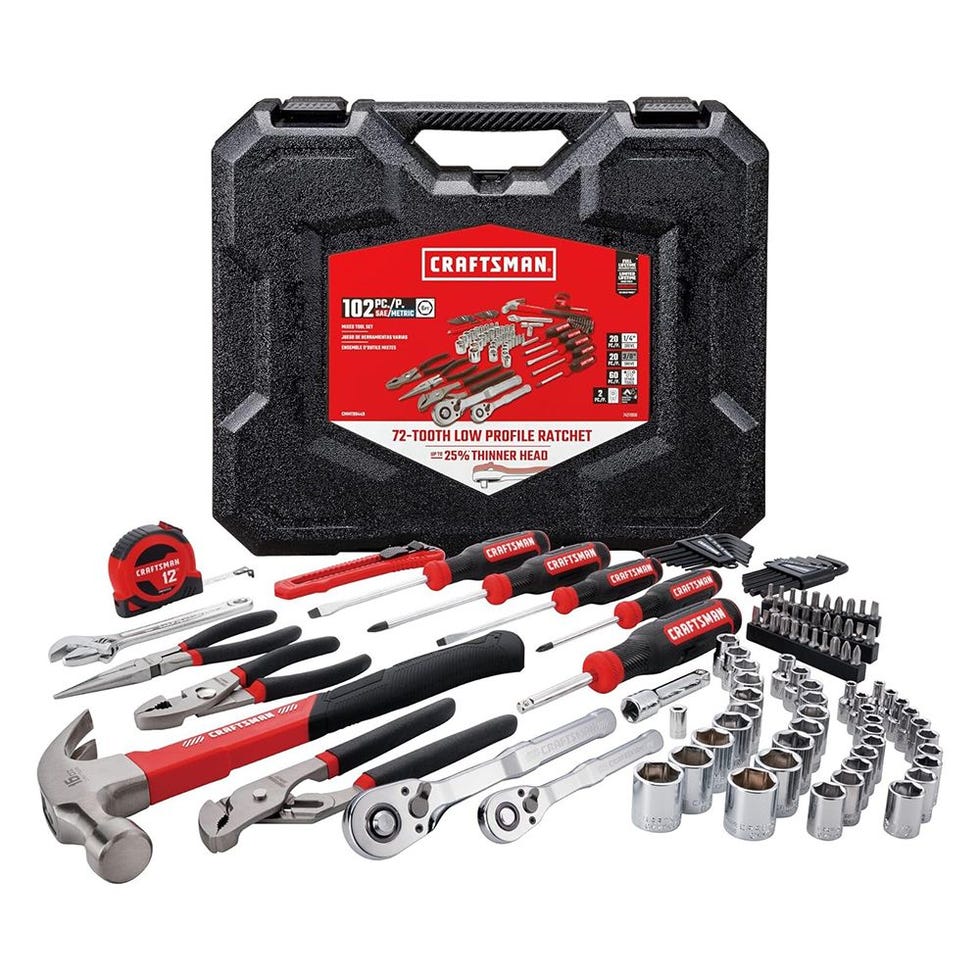
Basic Socket Set Components
A socket set is a useful tool kit for home repairs. It helps you tighten or loosen bolts and nuts easily. Knowing the main parts of a socket set makes using it simple and safe.
This guide covers the main parts: sockets and ratchets, extensions and adapters, and specialty attachments. Each part has a special role in making your repair work easier.
Sockets And Ratchets
Sockets are the pieces that fit over bolts or nuts. Ratchets are handles that turn the sockets. Together, they help you fasten or remove hardware quickly without changing your grip.
- Sockets:Come in different sizes and shapes to fit many bolts.
- Ratchets:Have a switch to change turning direction.
- Drive Sizes:Common sizes are 1/4″, 3/8″, and 1/2″ for sockets and ratchets.
Extensions And Adapters
Extensions lengthen your reach to hard-to-get bolts. Adapters help connect sockets and ratchets of different sizes. They add flexibility to your socket set.
| Component | Use |
| Extension Bars | Reach bolts in tight or deep spaces |
| Adapters | Connect different size sockets and ratchets |
Specialty Attachments
Specialty attachments fit unique tasks. They include swivel joints, spark plug sockets, and universal joints. These parts help in tricky repairs.
- Swivel Joints: Allow angle turning in tight spots.
- Spark Plug Sockets: Protect spark plugs during removal.
- Universal Joints: Provide flexible turning at different angles.
Preparing For Repairs
Using a socket set can make home repairs easier and faster. Before starting, it is important to prepare well.
Proper preparation helps keep you safe and organized. It also makes the repair process smoother.
Safety Precautions
Safety is the first thing to think about before any repair. Always wear protective gear like gloves and safety glasses.
Check your tools to make sure they are in good condition. Avoid loose or damaged sockets and handles.
- Wear gloves to protect your hands
- Use safety glasses to protect your eyes
- Inspect tools for damage before use
- Keep your work area free of hazards
Workspace Setup
Set up a clean and well-lit workspace. Good lighting helps you see what you are doing clearly.
Choose a flat surface to work on. Make sure there is enough room to move around safely.
- Clear the area of clutter and debris
- Use a sturdy table or workbench
- Ensure good lighting
- Keep a trash bin nearby for waste
Organizing Your Tools
Organize your socket set and other tools before starting repairs. This saves time and reduces frustration.
Lay out the sockets by size. Keep the ratchet and extensions close at hand.
- Sort sockets from smallest to largest
- Group tools by function
- Keep all parts within easy reach
- Use a tool tray or organizer if possible
Using A Socket Set Effectively
A socket set is a useful tool for many home repair tasks. It helps you tighten or loosen nuts and bolts easily.
Knowing how to use your socket set properly saves time and prevents damage to your tools and fasteners.
Selecting The Right Socket Size
Choose a socket that fits snugly on the bolt or nut. A loose fit can cause slipping and damage.
- Check the size marked on the bolt or nut
- Match it with the socket size in millimeters or inches
- Test the socket by fitting it on the fastener before use
- Use a deep socket for bolts recessed in tight spaces
Attaching Sockets To Ratchets
Secure the socket firmly on the ratchet drive. This ensures safe and effective turning.
| Step | Action |
| 1 | Pick the correct drive size (usually 1/4″, 3/8″, or 1/2″) |
| 2 | Align the socket squarely with the ratchet drive |
| 3 | Push the socket onto the drive until it clicks |
| 4 | Check the socket is locked and won’t fall off |
Applying Proper Torque
Use the right force to avoid stripping bolts or breaking tools. Turn the ratchet smoothly.
- Start by turning bolts gently to avoid cross-threading
- Increase force steadily until the bolt is snug
- Stop tightening once the bolt feels firm and secure
- Use a torque wrench if precise torque is needed
Avoiding Common Mistakes
Many users make errors that reduce the socket set’s effectiveness or cause damage.
- Do not use the wrong socket size to save time
- Avoid forcing the socket if it does not fit easily
- Never use a ratchet handle as a hammer
- Clean sockets regularly to prevent rust
- Store your socket set in a dry place
Maintaining Your Socket Set
Taking care of your socket set helps it last longer. Regular maintenance keeps tools working well.
Simple actions like cleaning and checking for damage make repairs easier. Proper care saves money.
Cleaning And Storage
Clean your socket set after each use. Dirt and grease can cause rust and wear.
Store tools in a dry, cool place. Keep them in a case or toolbox to avoid damage.
- Wipe sockets with a clean cloth
- Use a brush to remove stuck dirt
- Keep tools away from moisture
- Organize sockets by size in a case
Lubrication Tips
Lubricate moving parts to reduce friction. This keeps ratchets and sockets working smoothly.
Use light machine oil or spray lubricant. Avoid over-lubricating to prevent dirt build-up.
- Apply oil to ratchet gears and joints
- Wipe off excess oil with a cloth
- Lubricate before storing for long periods
Inspecting For Wear And Damage
Check sockets and ratchets for cracks or chips. Damaged tools can break or cause injury.
Replace worn parts to maintain safety and efficiency. Regular inspection prevents tool failure.
- Look for cracks on sockets and handles
- Test ratchet mechanism for smooth movement
- Ensure sockets fit securely on ratchets
- Replace any damaged or worn pieces promptly
Credit: www.popularmechanics.com
Troubleshooting Common Issues
Using a socket set for home repairs can save time and effort. Still, some problems may occur during your work.
Knowing how to fix common issues helps keep your tools working well and your repairs on track.
Dealing With Stripped Bolts
Stripped bolts have damaged heads that make them hard to turn. This happens if the socket slips or the bolt is old.
To fix this, try using a bolt extractor or a larger socket for a better grip. Applying penetrating oil can also help loosen the bolt.
- Apply penetrating oil and wait 10 minutes
- Use a bolt extractor tool if available
- Try a larger socket for extra grip
- Tap the socket gently with a hammer to secure it
Handling Stuck Sockets
Sockets may get stuck on bolts or the ratchet handle. Dirt or rust can cause this problem.
Clean the socket and bolt area. Use lubricant spray on the socket joint and gently wiggle the socket to free it.
- Clean dirt and rust from the socket and bolt
- Spray lubricant on the socket joint
- Gently twist and wiggle the socket
- Use pliers carefully if the socket still sticks
Fixing Ratchet Mechanism Problems
The ratchet may stop working smoothly or get stuck. Dust and worn parts can cause this issue.
Open the ratchet and clean the inside with a brush. Add light oil to moving parts. Test the ratchet after reassembly.
- Disassemble the ratchet carefully
- Clean gears and pawls with a brush
- Lubricate moving parts with light oil
- Reassemble and test the mechanism
Advanced Tips For Efficiency
Using a socket set for home repairs can be faster and easier. Small tips help you work smarter, not harder. This guide shows ways to improve your speed and accuracy.
Learn how to use torque wrenches correctly, work in tight spaces, and combine tools for better results. These tips save time and reduce mistakes.
Using Torque Wrenches
Torque wrenches help tighten bolts to the right strength. Using the right torque stops parts from being too loose or broken. Always set the wrench to the needed torque before use.
- Check the torque setting on the wrench before starting.
- Turn the wrench slowly to avoid over-tightening.
- Reset the wrench to zero after use to keep it accurate.
- Use the right size socket to prevent slipping.
Working In Tight Spaces
Many home repairs happen in small spaces. Using the right tools and angles helps you work in these spots without frustration.
| Tip | Tool or Method |
|---|---|
| Use a ratchet with a swivel head | Swivel ratchet |
| Choose a low-profile socket | Shallow socket |
| Extend reach with a flexible extension bar | Flexible extension |
| Work with a small, angled wrench | Offset wrench |
Try different tool combinations to reach bolts in corners or behind pipes. Patience and the right tools reduce slips and damage.
Combining Tools For Better Results
Using more than one tool together can speed up your work. Combining tools helps loosen stuck bolts or reach hard places.
- Pair a breaker bar with a socket for extra torque.
- Use a universal joint adapter to turn at odd angles.
- Attach an extension bar to increase reach.
- Combine a ratchet with a socket set for quick fastening.
Frequently Asked Questions
What Is A Socket Set Used For In Home Repairs?
A socket set is used to tighten or loosen nuts and bolts. It helps in assembling furniture, fixing appliances, and car maintenance. The set includes various socket sizes to fit different fasteners, making it essential for versatile home repair tasks.
How Do I Choose The Right Socket Size?
Select a socket that fits snugly on the bolt or nut. Using the correct size prevents damage to fasteners and tools. Measure the fastener or try sockets until you find one that grips firmly without wobbling.
Can A Socket Set Replace A Wrench?
Yes, a socket set can replace a wrench for most tasks. It offers better grip and torque, especially in tight spaces. However, wrenches may still be useful for quick adjustments or when sockets don’t fit.
How To Maintain And Store A Socket Set?
Clean sockets after each use to remove dirt and grease. Store them in a dry case to prevent rust. Regularly check for worn or damaged pieces and replace them to ensure safety and efficiency.
Conclusion
A socket set is a useful tool for many home repairs. It helps you loosen and tighten bolts with ease. Keep your set organized and clean for best use. Practice using different sizes to fit various tasks. Safety matters—wear gloves and work carefully.
With simple steps, you can fix things yourself. This saves time and money on repairs. Try small projects first to build confidence. Soon, basic repairs will feel easier and quicker. A good socket set makes home repair work less stressful.