Are you tired of struggling with clunky tools while trying to nourish your garden? Imagine having a tool that makes spreading fertilizers as easy as pie.
Meet the soil scoop—a gardener’s secret weapon. This nifty tool can transform how you care for your plants, saving you time and effort. In this guide, you’ll discover how a soil scoop can become your go-to tool for efficiently handling fertilizers.
Get ready to unlock the secrets of healthier, more vibrant plants with less hassle. Keep reading, and you’ll wonder how you ever gardened without it!
Choosing The Right Soil Scoop
Picking the right soil scoop helps you spread fertilizers well. It makes gardening easier and cleaner.
There are many types of soil scoops. You should think about materials, size, and handle design before buying.
Materials And Durability
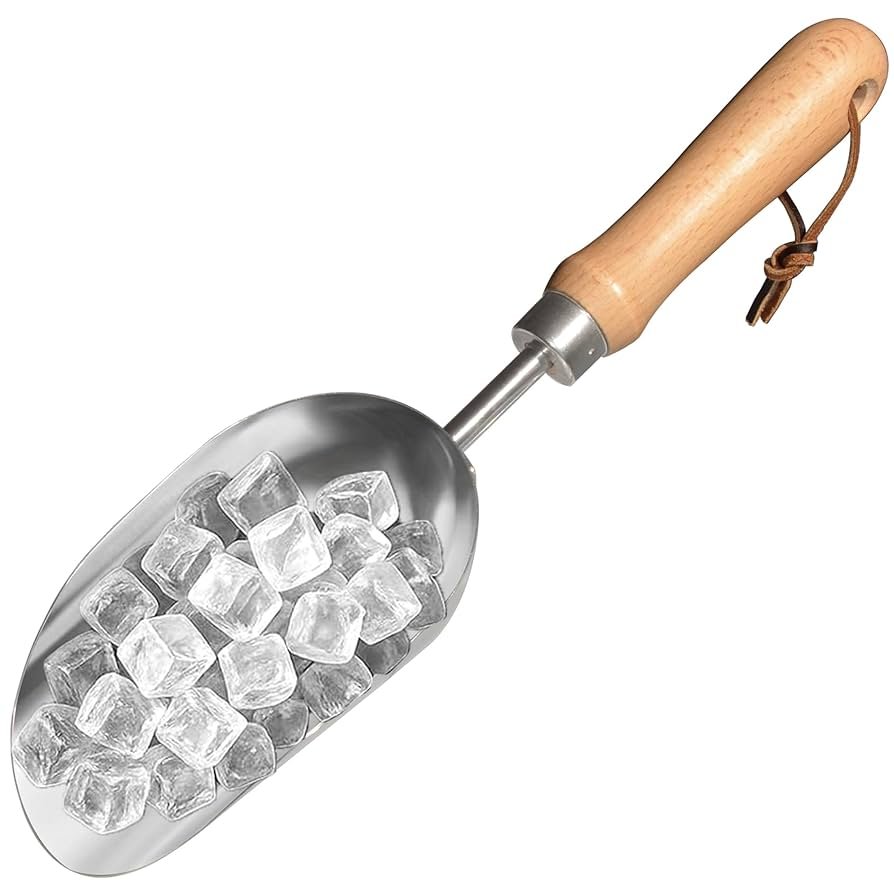
Soil scoops come in different materials like plastic, metal, and stainless steel. Each has its pros and cons.
- Plastic:Lightweight and cheap but can break easily.
- Metal:Strong and lasts long but may rust if not coated.
- Stainless Steel:Durable and rust-resistant but a bit heavier.
Size And Capacity Options
| Size | Capacity | Best Use |
|---|---|---|
| Small | 1-2 cups | Small pots and precise fertilizer spreading |
| Medium | 3-4 cups | General garden use |
| Large | 5+ cups | Big gardens and heavy fertilizer work |
Choose a size based on your garden size and how much fertilizer you need at once.
Handle Design For Comfort
A good handle makes scooping easier and reduces hand pain. Look for soft grips or ergonomic shapes.
- Wood handles are natural and comfortable but need care.
- Plastic handles are light and easy to clean.
- Rubber grips prevent slipping and add comfort.
Credit: www.coryslawnservice.com
Preparing Fertilizers For Scooping
Using a soil scoop makes spreading fertilizer easier and neater. Preparing your fertilizer well helps you scoop it without problems.
Good preparation means the fertilizer flows well and does not stick. This saves time and keeps your hands clean.
Types Of Fertilizers Suitable
Not all fertilizers work well with a soil scoop. Choose types that are loose and easy to handle.
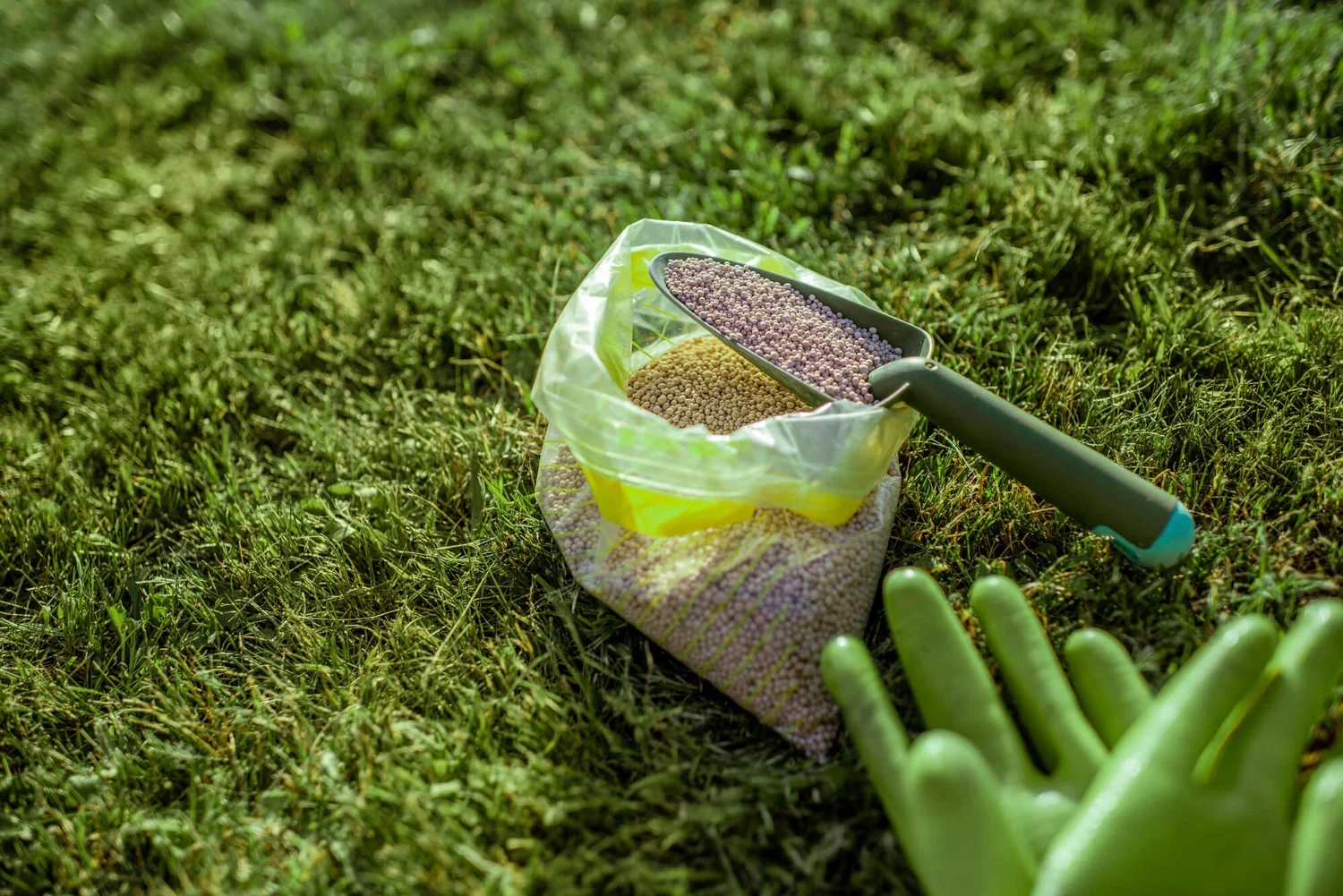
- Granular fertilizers are ideal for scooping.
- Pellet fertilizers also work well.
- Powdered fertilizers can be hard to scoop if they clump.
- Liquid or gel fertilizers are not suitable.
Moisture And Texture Considerations
Dry fertilizers scoop better than wet ones. Moisture can cause clumps that block the scoop.
Check the texture before scooping. Break up any lumps so the fertilizer is loose and crumbly.
- Keep fertilizers dry to avoid clumping.
- Use a sieve to remove large lumps.
- Mix fertilizers well for even texture.
Storage Tips For Easy Access
Store fertilizers in a dry, cool place. Proper storage keeps them ready to scoop anytime.
Use containers that seal tightly to stop moisture and pests.
- Label containers clearly for easy identification.
- Keep containers off the ground to avoid dampness.
- Place containers where you can reach them easily.
Techniques For Precise Scooping
Using a soil scoop for fertilizers helps spread nutrients evenly. Precise scooping avoids waste and protects plants.
Good scooping techniques depend on measuring amounts, avoiding contamination, and handling different soils.
Measuring Accurate Amounts
Use a soil scoop with clear volume marks to measure fertilizer. This ensures plants get the right nutrients.
- Check the recommended fertilizer amount on the package.
- Fill the scoop to the marked level.
- Level off the scoop with a flat edge.
- Pour the fertilizer carefully into the soil.
Avoiding Cross-contamination
Use separate scoops for different fertilizers. This prevents mixing chemicals that might harm plants.
- Clean scoop thoroughly between uses.
- Label scoops if using many fertilizer types.
- Store scoops separately in a dry place.
Scooping In Different Soil Types
Soil texture changes how you scoop fertilizer. Sandy soil needs gentle scooping; clay soil may require more effort.
| Soil Type | Scooping Tip |
|---|---|
| Sandy Soil | Use a shallow scoop to avoid deep holes. |
| Clay Soil | Use a strong scoop to break clumps. |
| Loamy Soil | Standard scoop works well for even spreading. |

Credit: www.amazon.com
Applying Fertilizer With A Soil Scoop
Using a soil scoop helps apply fertilizer evenly around plants. It saves time and reduces waste.
This guide explains how to use a soil scoop for the best results in your garden.
Even Distribution Methods
Spread fertilizer evenly to avoid burning plants. Use the soil scoop to place fertilizer in small amounts.
- Fill the scoop with fertilizer.
- Walk around the plant’s base in a circle.
- Drop fertilizer evenly at regular spots.
- Lightly mix fertilizer into the topsoil.
Depth And Placement Tips
Place fertilizer at the right depth for plant roots to absorb nutrients well.
| Plant Type | Fertilizer Depth | Placement Area |
| Vegetables | 2-3 inches | Around root zone |
| Flowers | 1-2 inches | Near stem base |
| Trees | 3-4 inches | Spread wide under canopy |
Timing For Best Results
Apply fertilizer at times when plants can use it quickly and efficiently.
- Apply in early morning or late afternoon to avoid sun damage.
- Fertilize before or during active growth periods.
- Water the soil after applying fertilizer to help it soak in.
- Avoid fertilizing just before heavy rain to prevent runoff.
Cleaning And Maintaining Your Soil Scoop
Keeping your soil scoop clean helps it last longer and work better. Dirt and fertilizer can build up on the scoop if you do not clean it right.
Regular maintenance stops rust and damage. It also keeps your tools safe to use for gardening and farming.
Removing Residue Effectively
After using your soil scoop, remove all dirt and fertilizer. Leftover residue can cause damage and reduce the scoop’s performance.
Use water and a stiff brush to clean the scoop well. For tough spots, soak the scoop in warm soapy water for a few minutes.
- Scrub with a brush to remove dirt
- Rinse thoroughly with clean water
- Dry the scoop completely before storage
Preventing Rust And Damage
Rust forms when metal stays wet for too long. Keep your scoop dry after cleaning to stop rust from forming.
Apply a light coat of oil to metal parts. This protects the scoop and keeps it in good condition.
- Dry the scoop fully after washing
- Use machine oil or vegetable oil on metal
- Check the scoop regularly for signs of rust
Storage Recommendations
Store your soil scoop in a dry place away from rain and moisture. Good storage stops damage and keeps the tool ready to use.
Hang the scoop or place it on a shelf. Avoid leaving it on the ground where dirt and water can reach it.
- Keep the scoop indoors or in a shed
- Hang it to avoid contact with wet surfaces
- Cover the scoop if stored outside

Credit: www.amazon.ca
Common Mistakes To Avoid
Using a soil scoop for fertilizers helps spread nutrients evenly. Avoid mistakes to protect your plants and soil.
Simple errors can waste fertilizer or harm plants. Learn what to watch out for when using a soil scoop.
Over Or Under Application
Applying too much fertilizer can burn plant roots. Too little fertilizer may not give plants enough nutrients.
Use the scoop to measure the right amount. Follow fertilizer package instructions carefully to avoid this mistake.
Using The Wrong Scoop Type
Different fertilizers need different scoops. Using the wrong scoop can cause uneven spreading.
Choose a scoop made for the type of fertilizer you use. Check scoop size and material before starting.
Ignoring Safety Precautions
Fertilizers can irritate skin and eyes. Always wear gloves and avoid breathing in dust when scooping.
- Wear gloves to protect your hands
- Use a mask if fertilizer dust is present
- Keep fertilizer away from children and pets
- Wash hands after handling fertilizer
Frequently Asked Questions
What Is A Soil Scoop Used For In Fertilizing?
A soil scoop helps evenly distribute fertilizers into soil. It ensures precise application, preventing waste and overuse. Using a soil scoop improves fertilizer efficiency and promotes healthy plant growth. It is ideal for gardeners and farmers managing nutrient levels carefully.
How Do I Use A Soil Scoop For Fertilizers?
Fill the scoop with fertilizer, then sprinkle it evenly over soil. Use a gentle motion to avoid clumping. For best results, apply fertilizer close to plant roots. Clean the scoop after use to prevent contamination and maintain tool longevity.
Can A Soil Scoop Improve Fertilizer Application Accuracy?
Yes, a soil scoop allows controlled fertilizer placement. It helps avoid over-fertilization and nutrient runoff. This tool ensures fertilizer reaches the target area effectively. Accurate application promotes healthier plants and reduces environmental impact.
What Types Of Fertilizers Work Best With A Soil Scoop?
Granular and powdered fertilizers work best with soil scoops. These forms are easy to measure and spread evenly. Liquid fertilizers are not suitable for scooping. Use the soil scoop for dry fertilizers to ensure precise application.
Conclusion
Using a soil scoop makes spreading fertilizer easy and neat. It helps you control the amount you use each time. This tool saves time and reduces waste. You get healthier plants with less mess. Remember to clean your scoop after each use.
Store it in a dry place to keep it lasting. Simple steps lead to better garden care. Try a soil scoop for your next fertilizing task. Small tools can make big differences.