
Are you gearing up for a gardening project or looking to install a new drainage system? If so, mastering the art of using a spade for digging trenches is a skill you’ll want in your toolkit.
Imagine the satisfaction of efficiently carving out neat, precise trenches with ease. With the right techniques, you can save time, minimize effort, and achieve professional results even as a DIY enthusiast. In this guide, you’ll discover the secrets to selecting the perfect spade, learn how to wield it with expert precision, and uncover the little-known tips that make trench digging less of a chore and more of a rewarding task.
By the end, you won’t just be digging trenches—you’ll be doing it like a pro. Ready to transform your digging experience? Let’s dig in!
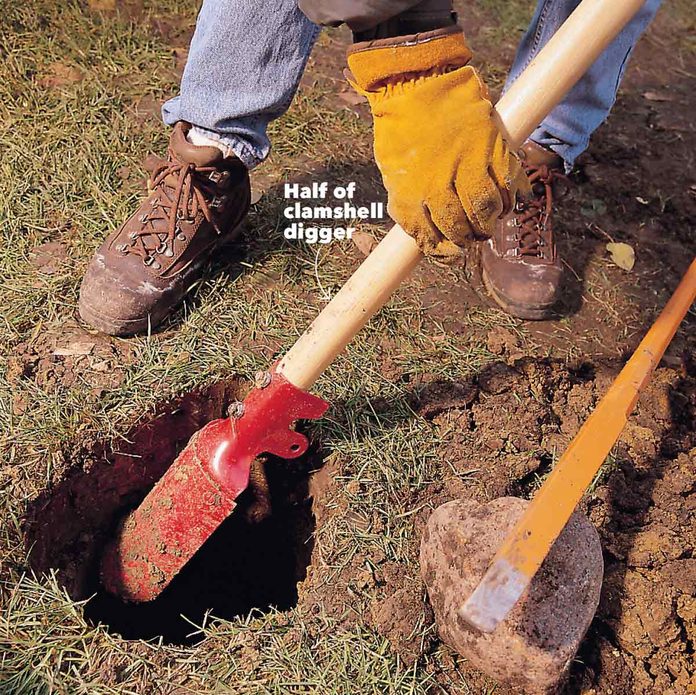
Credit: www.familyhandyman.com
Choosing The Right Spade
Picking the right spade helps you dig trenches easily and safely. It also saves energy and reduces strain on your body.
Learn about different types of spades, materials they are made from, and handle designs. This will guide you to the best choice for your digging needs.
Types Of Spades
Spades come in several types, each suited for specific digging jobs. Choosing the right type makes trench digging faster and cleaner.
- Round Point Spade: Good for cutting through tough soil and roots.
- Square Point Spade: Best for edging and digging straight trenches.
- Trenching Spade: Narrow blade ideal for deep, narrow trenches.
- Drain Spade: Long and thin blade designed for digging around pipes.
Material And Durability
Spades are made from different materials that affect their strength and lifespan. You want a spade that lasts and stands up to hard soil.
| Material | Advantages | Disadvantages |
| Carbon Steel | Strong and sharp, good for hard soil | Can rust if not cared for |
| Stainless Steel | Resists rust, low maintenance | Less sharp, heavier |
| Aluminum | Lightweight, easy to handle | Less durable, bends under pressure |
Handle Design And Comfort
The handle affects your grip and comfort during digging. Look for handles that reduce hand fatigue and improve control.
Common handle designs include:
- D-shaped handles:Provide a secure grip for digging and lifting.
- Straight handles:Offer more reach but can be harder to control.
- Ergonomic grips:Made from soft materials to reduce blisters and strain.
Preparing For Trench Digging
Digging a trench with a spade needs good planning. Preparing well helps the work go smoothly.
This guide covers how to get ready before you start digging. Safety and clear markings are key parts.
Marking The Trench Path
First, decide the exact path for your trench. Mark it clearly so you dig in the right place.
Use bright paint or stakes with string to show the trench line. This helps avoid mistakes.
- Measure the trench length and width carefully
- Place stakes at corners or turns
- Connect stakes with string or use spray paint
- Double-check your markings before digging
Clearing The Work Area
Clear the area where you will dig. Remove plants, rocks, and any trash that can block your work.
| Item to Clear | Reason |
| Grass and small plants | Make digging easier and cleaner |
| Large rocks | Prevent damage to the spade |
| Trash and debris | Keep the area safe and neat |
| Tools or equipment | Free space for moving and digging |
Safety Gear Essentials
Wear the right safety gear to protect yourself during digging. This lowers the chance of injury.
- Sturdy gloves to protect your hands
- Closed-toe boots with good grip
- Long pants to avoid scratches
- Eye protection if dirt may fly
- Sun hat or sunscreen for outdoor work
Techniques For Effective Digging
Using a spade to dig trenches takes skill and care. Good techniques make the job easier and faster.
Focus on your stance, how you cut the soil, and how you remove dirt. These help you dig better.
Proper Stance And Grip
Stand with your feet shoulder-width apart. This gives you balance and strength.
Hold the spade with both hands. One hand grips the handle end, the other holds the shaft.
- Keep your back straight to avoid strain
- Bend your knees slightly for power
- Use your legs to push down, not just your arms
Cutting Through Soil Layers
Push the spade blade straight into the soil. Use your foot to apply pressure on the blade.
Cut soil in small sections. This helps you control the trench shape and depth.
- Start at the trench edge
- Work in even rows
- Cut deep enough to loosen the soil
Removing Soil Efficiently
Lift the loosened soil out with the spade. Toss it to the side of the trench.
Keep the trench clear by removing soil often. This prevents extra work later.
- Use a steady rhythm to dig and lift
- Place soil away from the trench edge
- Keep tools clean for smooth digging
:strip_icc()/bhg-excavating-tools_EDNclBiqKUXAQ2GOSD4JP5-83b2610bdddf4bb780bec22ba1a10d19.jpg)
Credit: www.bhg.com
Dealing With Different Soil Types
Digging trenches with a spade can be tough depending on the soil. Different soils need different approaches. Knowing how to handle each type makes work easier.
This guide focuses on clay, sandy, and rocky soils. Learn tips to dig safely and efficiently in these conditions.
Clay And Compact Soil
Clay soil is heavy and sticks to your spade. It is hard and dense, making digging slow. Compact soil is similar and can wear out your tools fast.
Dig when the soil is slightly moist. Wet clay is easier to cut but avoid digging when very wet. Use a sharp spade to break through the hard surface.
- Loosen soil edges with a mattock before digging
- Lift small sections at a time to reduce effort
- Clean the spade often to remove sticky clay
Sandy Soil Challenges
Sandy soil is loose and drains water quickly. It can collapse easily when digging trenches. This makes the trench edges unstable and unsafe.
Work carefully to keep trench walls from falling in. Dig slowly and avoid making the trench too deep at once. Use boards to support the sides if needed.
- Dig with smooth, controlled strokes
- Keep soil moist to reduce crumbling
- Use shoring or trench boxes for deep trenches
Rocky Ground Tips
Rocky soil has stones and hard materials inside. Rocks can damage your spade and slow digging. You may need extra tools to remove big rocks.
Work around large rocks or loosen soil with a pickaxe first. Use your spade to clear smaller stones. Wear gloves to protect your hands from sharp rocks.
- Inspect soil for rocks before digging
- Use a pickaxe or crowbar for big rocks
- Clear loose stones regularly from the trench
Maintaining Your Spade
Keeping your spade in good shape helps it last longer. Regular care makes digging easier and safer.
Simple maintenance tasks after each use protect the tool from damage and rust. Follow these tips to keep your spade ready.
Cleaning After Use
Remove dirt and mud from your spade after each use. This stops buildup that can cause rust and wear.
Use water and a stiff brush to clean the blade and handle. Dry the spade completely before storing it.
- Scrape off large clumps of soil
- Rinse with water and scrub with a brush
- Wipe the handle to remove moisture
- Dry the spade to prevent rust
Sharpening The Blade
A sharp blade cuts through soil easily. Check the blade often and sharpen it when it feels dull.
Use a metal file or sharpening stone. Keep the blade angle steady and sharpen both sides evenly.
- Secure the spade in a clamp or hold firmly
- File the blade edge in one direction
- Keep a consistent angle for smooth edges
- Remove burrs by filing the back side lightly
Storage Recommendations
Store your spade in a dry place to avoid rust and damage. Avoid leaving it outside in the rain.
Hang the spade or place it off the ground. This keeps the blade sharp and the handle strong.
- Keep the spade indoors or in a shed
- Hang it on a wall hook or pegboard
- Store with the blade covered or facing down
- Check the spade regularly for signs of rust
Troubleshooting Common Issues
Using a spade for digging trenches can sometimes be challenging. You may face problems like roots, back pain, or tool issues.
This guide helps you fix these common problems to make digging easier and safer.
Handling Root Obstacles
Roots in the soil can slow down trench digging. They make it hard to push the spade deep into the ground.
Cut through roots with the spade’s sharp edge. Use a pruning saw or loppers for thick roots. Clear the broken roots from the trench to keep digging smooth.
- Push spade edge under the root
- Rock the spade back and forth to cut small roots
- Use a saw for large roots
- Remove loose root pieces from the trench
Preventing Back Strain
Digging trenches can hurt your back if you do it wrong. Use your legs and arms more than your back to avoid pain.
Stand close to the trench. Bend your knees and keep your back straight. Take short breaks to stretch your muscles and drink water.
- Keep feet shoulder-width apart
- Bend knees when digging
- Hold spade handle near the top
- Take breaks every 20 minutes
- Stretch your back and legs during breaks
Fixing A Loose Handle
A loose handle makes the spade hard to use. It can slip and cause accidents. Fix it quickly to work safely.
Check if the handle fits tightly in the spade head. Use wood glue or insert a wooden wedge to tighten the handle. Replace the handle if it is cracked or broken.
- Remove the handle from the spade head
- Apply wood glue inside the hole
- Insert the handle firmly
- Tap a wooden wedge into the hole for a tighter fit
- Let glue dry before use
- Replace handle if damaged

Credit: meadowlarkjournal.com
Frequently Asked Questions
What Is The Best Spade For Digging Trenches?
A trenching spade with a narrow, pointed blade works best. It allows precise digging in tight spaces and hard soil. Choose a durable, comfortable handle to reduce fatigue during prolonged use.
How Deep Should A Trench Be Dug With A Spade?
Trench depth depends on the project but usually ranges from 6 to 24 inches. Always check local guidelines for specific depth requirements related to utilities or drainage.
Can I Use A Regular Garden Spade For Trench Digging?
A regular garden spade can work for shallow trenches. However, a trenching spade is more efficient for narrow, deep trenches. It reduces effort and improves accuracy.
How Do I Maintain My Spade For Trench Digging?
Clean the spade after use to prevent rust. Sharpen the blade regularly for easier digging. Store it in a dry place to extend its lifespan.
Conclusion
Using a spade for digging trenches can make the job easier and faster. Choose the right spade for your soil type and trench size. Keep your back straight and use your legs to dig safely. Take breaks to avoid getting too tired.
Practice helps you get better with each trench. With patience and care, you can dig neat, clean trenches for any project. Grab your spade and start digging confidently today. Simple tools, smart work, good results.
