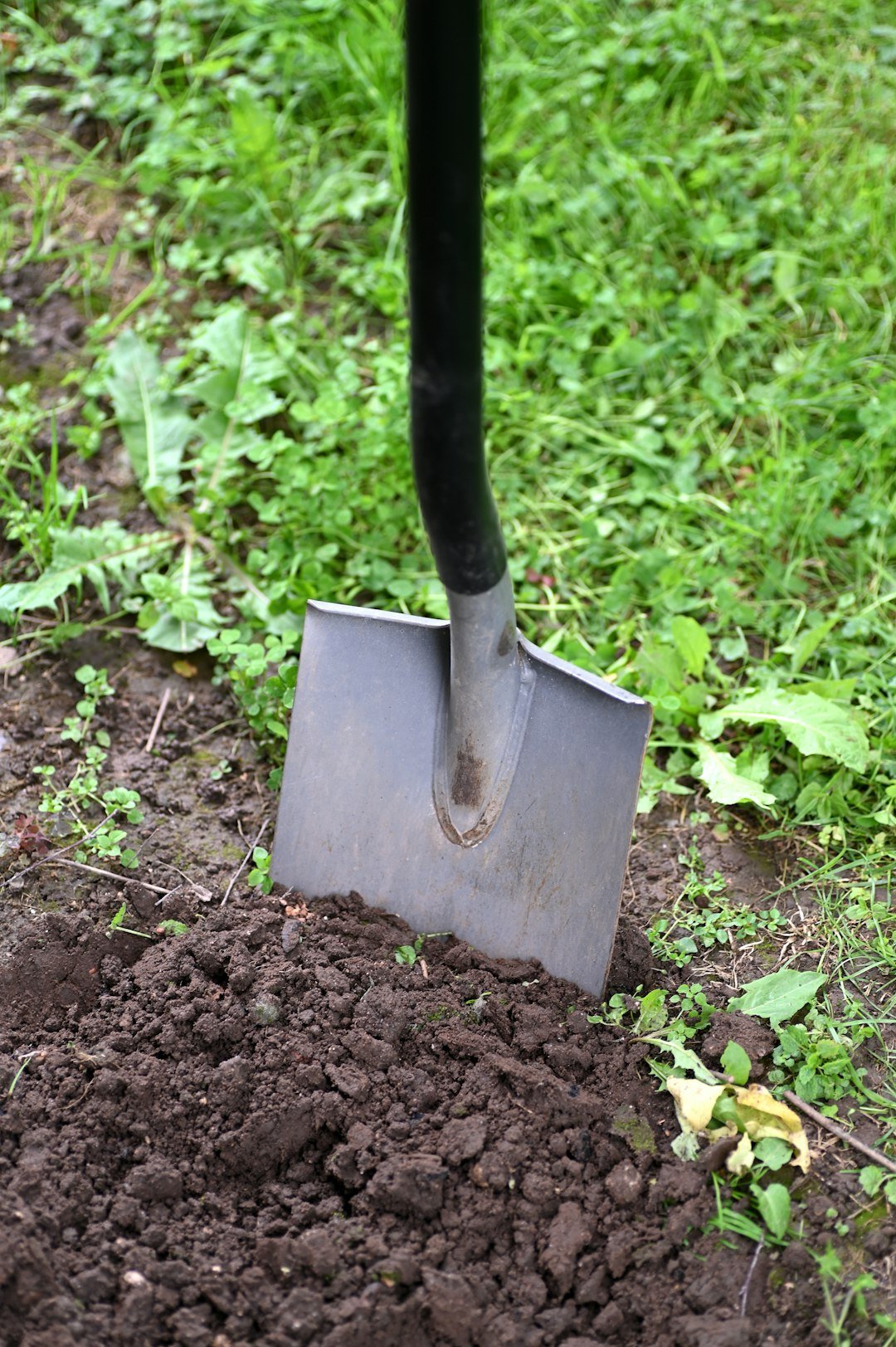
If you’ve ever found yourself staring at your garden, wondering how to get that perfect soil mix, you’re not alone. The secret often lies in the simple yet powerful tool called a spade.
You might think of a spade as just another gardening tool, but when used correctly, it can transform your gardening experience. Imagine having rich, perfectly mixed soil that boosts your plants’ growth and health. Sounds appealing, right? In this guide, you’ll discover how mastering the use of a spade can be your game-changer.
Whether you’re a seasoned gardener or just starting, understanding the art of soil mixing with a spade will elevate your gardening skills to new heights. Ready to dig in and see your garden thrive like never before? Let’s get started.
Choosing The Right Spade
Using a spade helps mix soil well for gardening. Picking the right spade makes the work easier and faster.
Different spades suit different soil types and tasks. Learn about spade types, materials, and handle designs.
Types Of Spades
Spades come in many shapes and sizes. Each type works best for certain soil mixing jobs.
- Digging spades have a flat blade for cutting soil.
- Trenching spades have narrow blades for deep digging.
- Border spades have a rounded blade for shaping soil edges.
- Drain spades have a pointed blade for working in wet soil.
Materials And Durability
Spades are made from steel, aluminum, or plastic. Steel is strong and lasts long.
Aluminum spades are light but less durable. Plastic spades are good for light tasks only.
- Steel blades resist bending and breaking.
- Aluminum is easier to carry but can dent.
- Plastic is cheap but not for tough soil.
Handle Design And Comfort
Handles affect how easy a spade feels to use. Wooden handles absorb shock well.
Fiberglass handles are strong and light. Some handles have grips to stop slipping.
- Long handles give better leverage.
- Short handles offer more control.
- Ergonomic grips reduce hand fatigue.
Preparing Soil For Mixing
Using a spade for soil mixing starts with good preparation. This helps the soil blend well and supports healthy plant growth.
Before you dig, clear the area and check important soil details. These steps make mixing easier and more effective.
Clearing Debris And Rocks
Remove sticks, leaves, and large stones from the soil. These items can block your spade and make mixing hard.
- Pick up visible debris by hand
- Use a rake to gather smaller materials
- Dispose of unwanted items away from the soil
- Break or remove large rocks that block digging
Assessing Soil Moisture
Check if the soil has the right moisture. Soil that is too dry or too wet mixes poorly and can harm plants.
| Soil Condition | How It Feels | Action Needed |
| Too Dry | Crumbly and dusty | Water soil lightly before mixing |
| Ideal | Moist but not wet | Start mixing immediately |
| Too Wet | Sticky and heavy | Wait for soil to dry before mixing |
Marking The Area
Mark the soil area you want to mix. This keeps your work organized and prevents missing spots.
- Use string and stakes to outline the space
- Draw a chalk line if on a hard surface
- Place small flags or markers around the edges
Proper Spade Techniques
Using a spade correctly helps mix soil well. Good technique makes work easier and safer.
Learn how to hold the spade, dig, turn soil, and break clumps effectively.
Correct Grip And Stance
Hold the spade with both hands firmly. One hand should grip the handle near the top.
Stand with your feet shoulder-width apart. Keep your back straight and bend your knees.
- Top hand grips handle for control
- Bottom hand holds shaft for power
- Feet shoulder-width for balance
- Bend knees, not back, to avoid injury
Digging And Turning Soil
Push the spade into the soil using your foot. Use body weight to help the spade go deep.
Lift the soil and turn it over to mix air and nutrients. Repeat this process for even mixing.
- Push spade into soil with foot pressure
- Lift soil by pulling handle toward you
- Turn soil to expose fresh layers
- Work in small sections for best results
Breaking Up Clumps
Use the spade’s edge to break large soil clumps. This helps create a fine texture for planting.
Press down on clumps and twist the spade to crumble them into smaller pieces.
- Press spade edge on clumps firmly
- Twist handle to break soil apart
- Remove large rocks or roots
- Repeat until soil feels loose and soft
Credit: extension.msstate.edu
Mixing Amendments Into Soil
Using a spade to mix amendments into soil helps improve plant growth. Amendments add nutrients and improve soil texture.
Proper mixing ensures plants get the right nutrients and water drainage. It also helps soil stay healthy.
Types Of Soil Amendments
Soil amendments change the soil to make it better for plants. They add nutrients, improve drainage, and fix soil structure.
- Organic matter like compost and manure
- Mineral additives such as sand or clay
- Fertilizers for added nutrients
- pH adjusters like lime or sulfur
Incorporating Compost And Fertilizers
Use a spade to spread compost evenly on soil surface. Compost adds nutrients and improves soil texture.
Fertilizers supply essential nutrients like nitrogen, phosphorus, and potassium. Mix them well to avoid clumps.
- Spread compost in a thin layer over soil
- Scatter fertilizers evenly
- Use the spade to turn soil and mix amendments
- Break up soil clumps for better mixing
Ensuring Even Distribution
Even distribution of amendments helps plants get equal nutrients. Uneven mixing can cause poor growth.
Use a spade to dig and turn soil in small sections. Mix amendments thoroughly for best results.
- Work in small patches for control
- Turn soil over at least 6-8 inches deep
- Mix amendments evenly through soil layers
- Check for lumps and break them up
Maintaining Your Spade
Taking care of your spade keeps it strong and ready to use. Good maintenance helps the spade last longer.
Regular cleaning, sharpening, and proper storage protect your tool from damage and rust.
Cleaning After Use
After digging, remove dirt from the spade blade and handle. Use water and a brush to clean off soil.
Dry the spade fully to stop rust from forming on the metal parts.
Sharpening The Blade
A sharp blade makes digging easier and safer. Use a metal file or sharpening stone to keep the edge smooth.
- Hold the spade firmly on a stable surface.
- Run the file along the blade edge at a steady angle.
- Repeat until the edge feels sharp to touch.
- Wipe the blade clean after sharpening.
Storage Tips
| Storage Method | Benefit |
| Hang the spade on a wall hook | Keeps blade off the ground and dry |
| Store in a dry shed or garage | Prevents rust and wood damage |
| Cover the blade with oil | Protects metal from moisture |
Credit: landzie.com
Safety Tips For Soil Mixing
Soil mixing with a spade can be hard work. It is important to stay safe while working. Following safety tips helps prevent accidents and injuries.
Using the right tools and methods makes soil mixing easier and safer. Here are some key safety tips to keep in mind.
Using Protective Gear
Wear the right protective gear before you start mixing soil. This protects your body from cuts, dirt, and germs.
Gloves, sturdy shoes, and eye protection are important to use. They keep your hands safe and prevent injuries from sharp objects.
- Wear thick gloves to protect your hands
- Use closed-toe shoes or boots
- Wear safety glasses if soil or debris might fly
- Consider long sleeves to protect your arms
Avoiding Strain And Injury
Soil mixing can strain your muscles if you do it the wrong way. Use good posture and take breaks to avoid injury.
Lift with your legs, not your back. Do not twist your body while digging. Move slowly and steadily to keep control.
- Bend your knees when lifting soil
- Keep your back straight while working
- Take short breaks to rest your muscles
- Use a spade that fits your height
Working In Different Weather Conditions
Weather affects your safety when mixing soil. Dress and prepare for hot, cold, or rainy conditions to stay safe.
Stay hydrated in hot weather. Wear warm clothes in cold weather. Avoid mixing soil when the ground is slippery or wet.
- Drink water often on hot days
- Wear layers in cold weather
- Use waterproof boots if soil is wet
- Stop work if the ground is too slippery

Credit: www.no-tillfarmer.com
Frequently Asked Questions
What Is The Best Spade For Soil Mixing?
A spade with a flat, sharp blade works best for soil mixing. It allows easy digging and turning of soil. Choose a sturdy handle for better control and comfort during prolonged use.
How Do You Prepare Soil Using A Spade?
Start by loosening the soil with the spade. Dig about 6-8 inches deep, then turn and break up clumps. Mix in compost or amendments evenly to improve soil quality and texture.
Can A Spade Improve Soil Aeration?
Yes, using a spade breaks compacted soil layers. This process increases air circulation and water absorption. Better aeration promotes healthy root growth and enhances soil fertility.
How Often Should You Mix Soil With A Spade?
Mix soil at least once a season before planting. Regular mixing ensures nutrients are evenly distributed. It also prevents soil compaction and promotes better plant growth.
Conclusion
Using a spade for soil mixing makes gardening easier and more effective. It helps break up hard soil and mixes nutrients well. Regular use keeps your soil healthy and ready for planting. Choose the right spade, use proper techniques, and work steadily.
This simple tool can improve your garden’s growth and yield. Start digging and watch your plants thrive. Soil mixing with a spade is a smart step for any gardener. Keep practicing, and your garden will thank you.