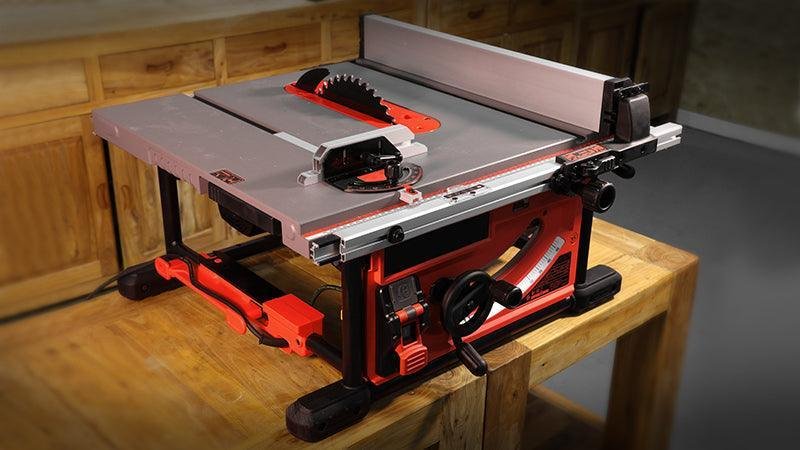
Are you ready to tackle your next construction project with confidence? A table saw can be your best ally in achieving precise cuts and efficient results.
Whether you’re a seasoned builder or just starting out, mastering the use of a table saw can elevate your craftsmanship to new heights. Imagine transforming raw materials into perfectly cut pieces with ease. In this guide, you’ll discover practical tips and expert techniques to harness the full potential of a table saw.
Stay tuned to learn how to make your construction tasks not just easier, but truly enjoyable. Your next masterpiece is just a cut away!
Choosing The Right Table Saw
Table saws are important tools for construction projects. Picking the right one helps you work safely and accurately.
This guide explains how to choose a table saw that fits your needs and project size.
Types Of Table Saws
There are different table saws for different jobs. Knowing the types helps you find the right fit.
- Bench-top Saws:Small and light, good for simple tasks and easy to move.
- Contractor Saws:Bigger and stronger, made for building sites and medium jobs.
- Cabinet Saws:Heavy and powerful, best for big workshops and long projects.
- Hybrid Saws:Mix of contractor and cabinet saws. Quieter and easier to use.
Key Features To Consider
Look for features that make your work easier and safer. These features affect how well the saw performs.
- Motor Power:Strong motors cut thicker wood faster.
- Blade Size:Most use 10-inch blades for common cuts.
- Fence System:Helps keep cuts straight and accurate.
- Adjustable Depth:Lets you cut different thicknesses safely.
- Dust Collection:Keeps your work area clean and safe.
- Portability:Important if you move the saw often.
Safety Certifications
Safety is key when using a table saw. Choose one with recognized safety marks.
- UL (Underwriters Laboratories):Shows the saw meets safety standards.
- CSA (Canadian Standards Association):Indicates compliance with Canadian safety rules.
- ETL (Electrical Testing Labs):Means the saw passes safety and quality tests.
- ANSI (American National Standards Institute):Covers safe design and use guidelines.
Credit: www.jlconline.com
Setting Up Your Table Saw
Setting up your table saw correctly is key for safe and accurate cuts. This guide covers the basics of placement, blade installation, and adjustments.
Take your time to prepare the saw before starting your construction projects. Proper setup helps you work efficiently and avoid accidents.
Proper Placement
Place the table saw on a flat, stable surface. Make sure there is enough space around the saw to handle large pieces of wood safely.
- Set the saw near a power outlet
- Keep the area well-lit
- Clear away any clutter or debris
- Ensure good ventilation in the workspace
Blade Installation
Always unplug the saw before installing the blade. Use the correct blade type for your project to get clean cuts.
| Blade Type | Use | Teeth Count |
| Rip Blade | Cutting along the wood grain | 24 |
| Crosscut Blade | Cutting across the wood grain | 60 |
| Combination Blade | General purpose cutting | 40 |
Tighten the arbor nut securely and check that the blade spins freely without wobbling.
Adjusting The Fence And Miter Gauge
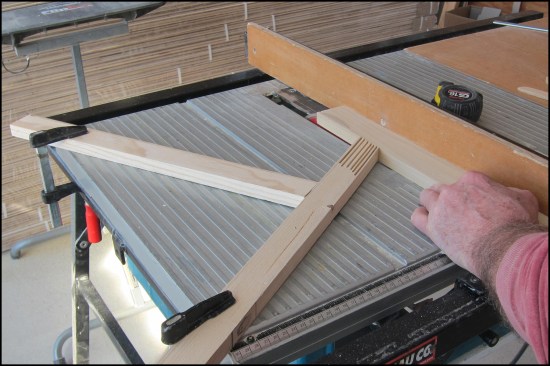
The fence guides your wood during straight cuts. Adjust it to the correct width and lock it in place firmly.
Follow these tips for fence and miter gauge setup:
- Check that the fence is parallel to the blade
- Use the miter gauge for angled cuts and confirm it is tight
- Test your settings on scrap wood before cutting your project pieces
Basic Cutting Techniques
Using a table saw safely and correctly is important for construction projects. Learning basic cutting techniques helps you make clean and precise cuts.
This guide covers three main types of cuts: rip cuts, cross cuts, and bevel cuts. Each type has its own use and method.
Rip Cuts
Rip cuts cut wood along the grain. They make boards narrower. Use the fence to guide the wood straight.
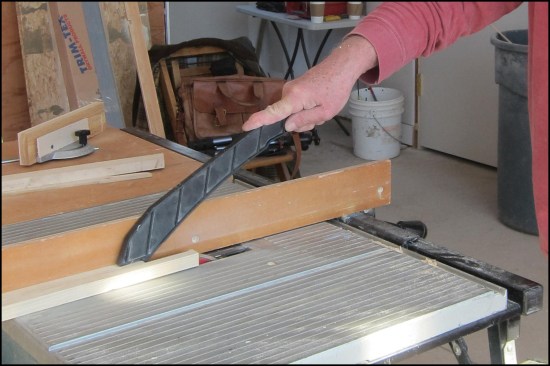
Always push the wood evenly and keep your hands away from the blade. Use a push stick for small pieces.
- Set the fence to the desired width
- Keep the wood pressed against the fence
- Feed the wood steadily through the blade
- Use a push stick for safety
Cross Cuts
Cross cuts cut wood across the grain. They make boards shorter. Use a miter gauge to hold wood at right angles.
Keep the wood tight against the miter gauge. Cut slowly to avoid splintering. Support long boards well.
- Set the miter gauge to 90 degrees
- Hold the wood firmly against the gauge
- Feed the wood slowly through the blade
- Support the wood on both sides
Bevel Cuts
Bevel cuts tilt the blade to cut wood at an angle. This helps make angled edges or joints. Adjust the blade angle carefully.
Use the fence or miter gauge to guide wood. Cut slowly and check the angle often for accuracy.
- Set the blade to the desired angle
- Use the fence or miter gauge to guide
- Feed the wood slowly through the blade
- Check the cut angle before finishing
Credit: www.jlconline.com
Advanced Cutting Methods
Using a table saw can do more than just straight cuts. Advanced cutting methods help you create strong joints and detailed work.
These techniques improve how parts fit together in construction projects. Learn about dado cuts, rabbet cuts, and resawing for better results.
Dado Cuts
Dado cuts are wide grooves cut across the wood grain. They hold shelves or panels firmly in place.
Use a dado blade set or stack blades to make these cuts. Adjust the width to match the thickness of the piece you fit inside.
- Set blade height to match groove depth
- Use a fence to guide the wood for straight cuts
- Make test cuts on scrap wood before the real piece
- Clean the groove with a chisel if needed
Rabbet Cuts
Rabbet cuts are L-shaped cuts along the edge of a board. They allow two pieces to fit together at a right angle.
You can make rabbet cuts by lowering the blade and using the fence as a guide. They are common in cabinet and frame making.
- Set blade height to the rabbet depth
- Use the fence to control the cut width
- Make multiple passes for wider rabbets
- Check fit with the adjoining piece
Resawing
Resawing cuts thick wood into thinner boards. This saves wood and creates veneers or panels.
Use a wide blade with many teeth to reduce tear-out. Feed the wood slowly and keep it steady for a clean cut.
- Set blade height just above the wood thickness
- Use a fence or guide for straight cuts
- Keep the wood flat on the table
- Sand edges after cutting for smoothness
Maintenance And Blade Care
Taking care of your table saw keeps it running safely and smoothly. Regular maintenance helps avoid problems during projects.
Blade care is important for clean cuts and long tool life. Follow simple steps to keep your saw and blades in top shape.
Cleaning The Table Saw
Dust and debris can build up on your table saw and affect its performance. Clean the surface and parts often to keep it working well.
- Unplug the saw before cleaning.
- Use a brush or vacuum to remove sawdust from the table and motor areas.
- Wipe the table surface with a dry cloth to remove resin and pitch.
- Clean the blade guard and riving knife carefully.
- Check the miter slots and keep them free of debris.
Sharpening And Replacing Blades
Dull blades cause rough cuts and strain the motor. Sharpen or replace blades to keep your work precise and safe.
| Blade Care Task | When to Do It | Signs to Watch For |
| Sharpening | After many uses or rough cuts | Burn marks on wood, slow cutting |
| Replacing | If blade is damaged or worn out | Missing teeth, cracks, or bent blade |
Always turn off and unplug the saw before changing blades. Use the right blade type for your materials.
Lubrication Tips
Lubrication helps moving parts work smoothly and prevents rust. Apply lubricant regularly to keep your saw in good condition.
- Use dry lubricants on the table surface to avoid attracting dust.
- Apply light oil to the gears and moving parts.
- Wipe off excess lubricant to prevent buildup.
- Check the owner’s manual for recommended products.
Safety Tips For Construction Projects
Using a table saw is common in many construction projects. It is important to follow safety rules. This helps prevent accidents and injuries.
Below are key safety tips for working with a table saw. Focus on protective gear, safe handling, and knowing emergency steps.
Personal Protective Equipment
Wear the right gear to protect yourself from flying debris and loud noise. Personal protective equipment (PPE) is a must.
- Use safety glasses or goggles to shield your eyes.
- Wear hearing protection like earplugs or earmuffs.
- Put on a dust mask to avoid breathing sawdust.
- Choose gloves that fit well but allow control.
- Wear sturdy shoes to protect your feet.
Safe Handling Practices
Handle the table saw with care. Follow these rules to keep yourself and others safe.
| Practice | Why It Matters |
| Keep hands away from the blade | Reduces risk of cuts and injuries |
| Use push sticks for small pieces | Keeps hands a safe distance from the blade |
| Make sure the blade guard is in place | Protects from accidental contact |
| Turn off the saw before adjusting | Prevents unexpected starts |
| Clear the work area of debris | Prevents slips and distractions |
Emergency Procedures
Know what to do if an accident happens. Quick action can reduce harm.
- Stop the saw immediately.
- Call for help or emergency services if needed.
- Apply first aid to any injuries.
- Do not move seriously injured persons unless necessary.
- Report the incident to your supervisor or safety officer.
Troubleshooting Common Issues
Using a table saw can be simple, but problems may appear. Fixing these issues helps keep your project safe and accurate.
This guide covers three common problems with table saws. You will learn how to spot and solve blade drift, motor problems, and inaccurate cuts.
Blade Drift
Blade drift happens when the saw blade moves away from the fence. This causes cuts that are not straight or square.
Blade drift can come from a dull blade, a bent blade, or an incorrect fence setup. Check these parts to fix the problem.
- Sharpen or replace the blade if it is dull
- Check the blade for bends or damage
- Align the fence parallel to the blade
- Use a quality fence for stable guidance
Motor Problems
Motor problems can cause the saw to run weak or stop suddenly. This affects cutting speed and safety.
Common motor issues include worn brushes, loose wiring, and overheating. Regular checks can prevent these problems.
- Inspect and replace worn motor brushes
- Tighten any loose electrical connections
- Let the motor cool down if it overheats
- Keep the motor clean and free from dust
Inaccurate Cuts
Inaccurate cuts happen when the saw blade or fence is not set up correctly. This leads to pieces that do not fit well.
Check the blade height, fence alignment, and miter gauge to improve cut accuracy. Small adjustments make a big difference.
- Set blade height to just above the material thickness
- Make sure the fence is square and locked firmly
- Use a quality miter gauge for angled cuts
- Test cuts on scrap wood before starting the project
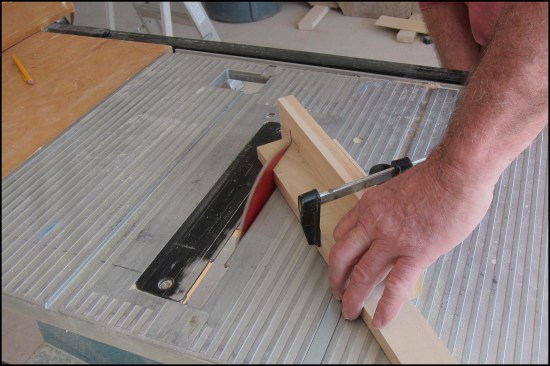
Credit: www.jlconline.com
Frequently Asked Questions
What Safety Gear Is Essential When Using A Table Saw?
Always wear safety glasses, hearing protection, and a dust mask. Use push sticks to keep hands away from the blade. Wear snug clothing and avoid loose jewelry to prevent accidents. Proper safety gear minimizes injury risks during table saw operation.
How Do I Choose The Right Blade For My Table Saw?
Select blades based on the material you cut. Use carbide-tipped blades for wood and fine-tooth blades for plywood. Blades with more teeth provide smoother cuts. Matching the blade type improves cutting efficiency and project quality.
What Are The Basic Steps To Operate A Table Saw?
Start by setting the blade height and fence position. Secure the material firmly and use push sticks for narrow cuts. Always keep hands clear of the blade path. Follow these steps to ensure safe and accurate cuts.
How Can I Maintain My Table Saw For Longevity?
Clean sawdust and debris after each use. Regularly check blade sharpness and replace dull blades. Lubricate moving parts to prevent rust and wear. Proper maintenance ensures consistent performance and extends the saw’s lifespan.
Conclusion
A table saw helps cut wood quickly and accurately. Always follow safety rules to avoid accidents. Use the right blade for each project. Keep the saw clean and well-maintained for best results. Practice cutting on scrap wood to build confidence.
This tool saves time and makes work easier. With care and attention, you can create strong, neat construction pieces. Stay focused and work steadily for good outcomes. A table saw is a useful tool for many projects.