Are you ready to transform your woodworking skills and tackle plywood projects with ease? Using a table saw for cutting plywood can be a game-changer, offering precision and efficiency that hand tools simply can’t match.
Imagine crafting clean, smooth edges without the frustration of splintered cuts or uneven lines. In this guide, you’ll discover straightforward tips and techniques that will help you make the most out of your table saw, ensuring that your plywood projects are not only easier but also more enjoyable.
Stay with us to unlock the secrets of achieving professional-grade results in your DIY adventures.
Choosing The Right Table Saw
A table saw is a useful tool for cutting plywood accurately. Picking the right saw makes your work easier and safer.
This guide helps you understand different types of table saws, blade choices, and safety features to watch for.
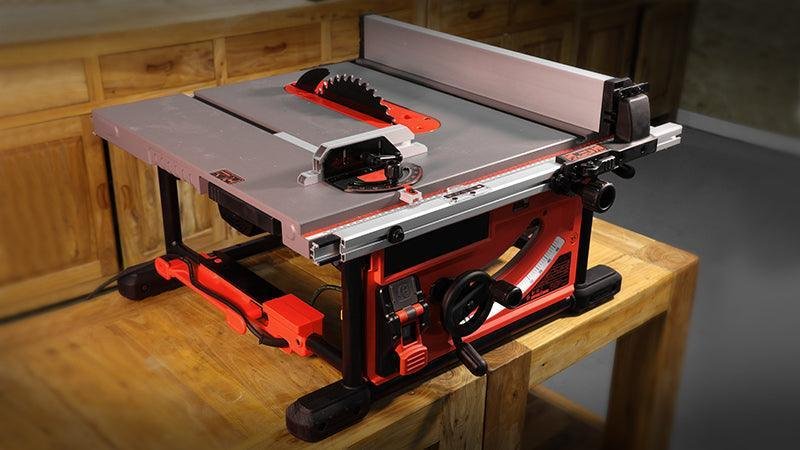
Types Of Table Saws
There are several kinds of table saws. Each type suits different needs and spaces.
- Contractor Saws: Portable and good for light work.
- Cabinet Saws: Heavy and strong for professional use.
- Hybrid Saws: Mix of contractor and cabinet saws.
- Benchtop Saws: Small and easy to move around.
Choose a saw that fits your workspace and the size of plywood you cut most.
Blade Selection For Plywood
The blade you use affects the cut quality. Plywood needs a blade that cuts cleanly without splintering.
- Use a blade with many teeth, like 60 to 80 teeth.
- Choose a blade made for fine cuts on wood or plywood.
- Thin kerf blades cut with less waste and need less power.
Changing the blade to one fit for plywood helps get smooth edges and reduces damage.
Safety Features To Look For
Safety is key when working with table saws. Look for features that protect you during use.
- Blade guards cover the blade and stop accidents.
- Riving knives prevent wood from pinching the blade.
- Anti-kickback pawls stop the wood from flying back.
- Emergency stop buttons help you turn off the saw quickly.
Choose a saw with good safety features to avoid injuries while cutting plywood.
Preparing Your Workspace
Before cutting plywood with a table saw, get your workspace ready. A clean and organized area helps you work safely and efficiently.
Good lighting and stable support make cutting easier and more accurate. Prepare your space well to avoid accidents.
Clearing And Organizing The Area
Remove any clutter or tools from around your table saw. This prevents tripping and gives you enough room to move plywood safely.
Keep your tools and materials within reach but out of the way. Organize cables and cords to avoid tangling or damage.
- Clear the floor space near the saw
- Store small tools in a toolbox or shelf
- Keep the workbench free of unnecessary items
- Secure loose cords with cable ties or clips
Setting Up Proper Lighting
Good lighting helps you see the cutting lines clearly. Use bright, even light to reduce shadows on the plywood and saw table.
If possible, position your work area near a window. Add extra lamps or LED lights above the saw to brighten dark spots.
- Use daylight or bright white bulbs
- Place lights to avoid glare on the plywood
- Check lighting before starting to cut
Ensuring Stable Support For Plywood
Support plywood well to keep it steady during cutting. This prevents binding or kickback from the saw blade.
Use sturdy tables, saw horses, or roller stands. Make sure the plywood lies flat and does not wobble.
- Place supports at both ends of the cut
- Use clamps if needed to hold plywood firm
- Check that supports do not block the saw blade
Setting Up The Table Saw
Setting up your table saw correctly is key for safe and precise plywood cuts. This guide covers how to adjust the blade, install guides, and check alignment.
Take your time with each step to ensure the saw works well and your cuts come out clean. Safety comes first.
Adjusting Blade Height And Angle
Set the blade height so it sticks out about 1/8 inch above the plywood. This helps reduce tear-out and keeps the cut clean.
- Turn off and unplug the saw before making adjustments.
- Use the height adjustment wheel or lever to raise or lower the blade.
- Set the blade angle to 0 degrees for straight cuts or tilt it for bevel cuts.
- Lock the blade height and angle once set to prevent movement.
Installing The Fence And Miter Gauge
The fence keeps plywood straight as it moves through the blade. The miter gauge helps with angled cuts.
- Slide the fence onto the table rail and lock it at the desired width.
- Check that the fence is parallel to the blade to avoid binding.
- Attach the miter gauge to the slot on the table surface.
- Adjust the miter gauge angle for angled cuts and lock it in place.
Checking Blade Alignment
Proper blade alignment prevents kickback and ensures straight cuts. Check the blade’s position relative to the fence and miter gauge.
| Check Point | How to Check | Adjustment Needed |
|---|---|---|
| Blade to Fence | Use a combination square to measure the gap along the blade length. | Adjust fence until gap is consistent and parallel. |
| Blade to Miter Gauge Slot | Place a square on the miter slot touching the blade side. | Adjust blade tilt or arbor to align blade squarely. |
| Blade Runout | Spin blade by hand and watch for wobble. | Tighten arbor nut or replace blade if wobble is excessive. |
Credit: www.familyhandyman.com
Cutting Techniques For Plywood
Cutting plywood with a table saw needs care and skill. The right techniques help you get clean and accurate cuts.
This guide covers key cutting methods that keep your plywood safe and your cuts smooth.
Making Straight Rip Cuts
Rip cuts run along the grain or length of the plywood sheet. You need a steady guide to keep the cut straight.
Use the table saw’s fence as a guide. Push the plywood firmly against the fence while feeding it through the blade.
- Set the fence to the desired width
- Keep your hands away from the blade
- Feed plywood slowly for a smooth cut
- Use push sticks for narrow cuts
Crosscutting Plywood Sheets
Crosscuts go across the grain or width of plywood. They need support to avoid splintering and uneven edges.
Use a miter gauge or crosscut sled to guide the plywood. These tools keep the sheet steady and square as you cut.
- Align plywood firmly on the sled or gauge
- Make slow and steady cuts
- Support large sheets on both sides
- Check blade height to cut fully through
Using Zero-clearance Inserts
Zero-clearance inserts reduce tear-out on plywood edges. They have a slot just wide enough for the blade.
These inserts support the plywood fibers close to the cut, giving cleaner edges and safer operation.
- Remove the standard throat plate from your saw
- Install a zero-clearance insert made for your blade
- Ensure the insert fits snugly with no gaps
- Replace inserts if the blade size changes
Preventing Common Issues
Using a table saw to cut plywood can be tricky. Common problems can make your work unsafe or messy.
Knowing how to avoid these issues helps you cut better and stay safe.
Reducing Tear-out And Splintering
Tear-out happens when the wood fibers lift and break away. This makes rough edges on plywood cuts.
To reduce tear-out, use a sharp blade and cut slowly. Cutting from the good side of the plywood helps too.
- Use a fine-tooth blade designed for plywood
- Place painter’s tape along the cut line
- Cut with the finished side down to reduce splintering
- Make a shallow scoring cut before the full cut
Avoiding Kickback
Kickback is when the wood suddenly shoots back toward you. It can cause injury and damage.
Keep your hands clear and use push sticks to guide the plywood. Always maintain steady pressure on the fence.
- Never stand directly behind the blade
- Use a riving knife or splitter to keep the cut open
- Feed the plywood at a steady, controlled speed
- Check the blade guard is in place and working
Maintaining Clean Cuts
Clean cuts mean smooth edges without burn marks or rough spots. This makes plywood easier to finish.
Keep the blade sharp and clean. Adjust the blade height so it just clears the plywood thickness.
- Use a carbide-tipped blade for cleaner cuts
- Set blade height about 1/8 inch above the plywood
- Keep the saw and blade free of pitch and resin buildup
- Support the plywood well to prevent bending or vibration

Credit: m.youtube.com
Safety Tips During Operation
Using a table saw to cut plywood can be dangerous without the right safety steps. Following safety tips helps prevent accidents and injuries.
Always focus on safety when working with power tools. This guide covers key safety tips to keep you safe during operation.
Wearing Protective Gear
Wear safety glasses to protect your eyes from flying wood chips. Hearing protection can reduce noise damage from the saw.
Use a dust mask to avoid breathing sawdust. Wear snug clothes and avoid loose jewelry to prevent getting caught in the blade.
- Safety glasses or goggles
- Hearing protection (ear plugs or muffs)
- Dust mask or respirator
- Close-fitting clothes and no jewelry
Keeping Hands Clear Of The Blade
Keep your hands at least six inches away from the blade. Never reach over or behind the blade while it is spinning.
Use the saw’s fence and guides to move plywood safely. Focus on your cut and avoid distractions to keep your hands safe.
- Keep hands away from the blade edge
- Do not reach over the blade
- Use the fence to guide plywood
- Stay focused and avoid distractions
Using Push Sticks And Featherboards
Push sticks help you move plywood past the blade safely. They keep your hands far from the cutting area.
Featherboards hold the plywood tight against the fence. This prevents kickback and keeps the cut straight.
- Use push sticks for narrow cuts
- Hold plywood with featherboards
- Reduce risk of kickback
- Keep cuts straight and safe
Maintaining Your Table Saw
Keeping your table saw in good shape helps it work safely and last longer. Regular care prevents problems and keeps cuts clean.
Focus on cleaning, blade care, and checking the saw often. These steps keep the machine running smoothly and safely.
Cleaning After Use
After each use, remove sawdust and debris from the table saw. Dust buildup can affect the saw’s accuracy and safety.
- Use a brush or vacuum to clear dust from the table and blade area.
- Wipe down metal surfaces with a dry cloth to prevent rust.
- Check the motor vents for dust and clean them gently.
- Apply a light coat of wax on the table surface to keep it smooth.
Blade Sharpening And Replacement
A sharp blade cuts plywood better and keeps you safe. Dull blades can cause rough cuts and stress the motor.
| Signs Blade Needs Attention | Action |
|---|---|
| Burn marks on wood | Sharpen or replace blade |
| Excessive vibration | Check blade balance or replace |
| Slow or rough cuts | Sharpen blade |
| Missing or damaged teeth | Replace blade |
Regular Inspection And Calibration
Inspect your table saw often to keep it accurate and safe. Calibration helps the saw make precise cuts every time.
- Check the alignment of the blade to the fence and miter slots.
- Test the blade height and angle adjustments.
- Inspect the power cord and switch for damage.
- Tighten loose screws and bolts.
- Lubricate moving parts as instructed in the manual.

Credit: www.youtube.com
Frequently Asked Questions
How Do You Safely Cut Plywood With A Table Saw?
Always wear safety gear and use a sharp blade. Set the blade height just above plywood thickness. Use a fence guide for straight cuts and push the plywood steadily. Avoid standing directly behind the blade to prevent kickback injuries.
What Blade Type Is Best For Cutting Plywood?
A fine-tooth carbide-tipped blade with 60 to 80 teeth is ideal. It produces clean cuts and reduces splintering. Avoid blades with fewer teeth, as they cause rough edges and tear-out on plywood.
How To Prevent Plywood Splintering When Cutting?
Use painter’s tape along the cut line to minimize splintering. Cut with the good side down, as the blade cuts upward. Slow and steady feed rate also helps achieve cleaner edges.
Can You Cut Plywood Without A Fence On A Table Saw?
Using a fence ensures straight, accurate cuts. Without it, cuts may be uneven and unsafe. For better control and precision, always use a fence or guide when cutting plywood.
Conclusion
Using a table saw to cut plywood can be safe and easy. Always measure twice and cut once. Keep the blade sharp and the fence steady. Wear safety gear to protect your eyes and hands. Take your time and make smooth cuts.
Practice helps you gain confidence and skill. Soon, you can create clean, straight edges every time. Enjoy your woodworking projects with better results and less waste.