Are you about to start a furniture project and want to get your measurements just right? Using a tape measure might seem simple, but knowing the right techniques can save you from costly mistakes and frustration.
This guide will show you exactly how to use a tape measure like a pro, so your furniture fits perfectly and looks amazing. Keep reading to discover tips that will make your measuring quick, easy, and spot-on every time. Your next project will thank you!

Credit: georgefurniture.com
Choosing The Right Tape Measure
Using a tape measure correctly helps you get accurate cuts for furniture projects. Choosing the right tape measure is the first step.
This guide explains different types, sizes, and materials to help you pick the best one for your needs.
Types Of Tape Measures
Tape measures come in different styles. Some are better for small projects. Others work well for large furniture pieces.
- Steel tapes are strong and good for rough work.
- Fiberglass tapes are flexible and resist stretching.
- Cloth tapes are soft, best for curved surfaces.
- Digital tapes show measurements on a screen.
Length And Width Considerations
Choose a tape measure with the right length and width for your project size and comfort.
| Length | Best Use | Width | Benefit |
|---|---|---|---|
| 12 to 16 feet | Small furniture and indoor work | 1/2 inch | Easy to carry and read |
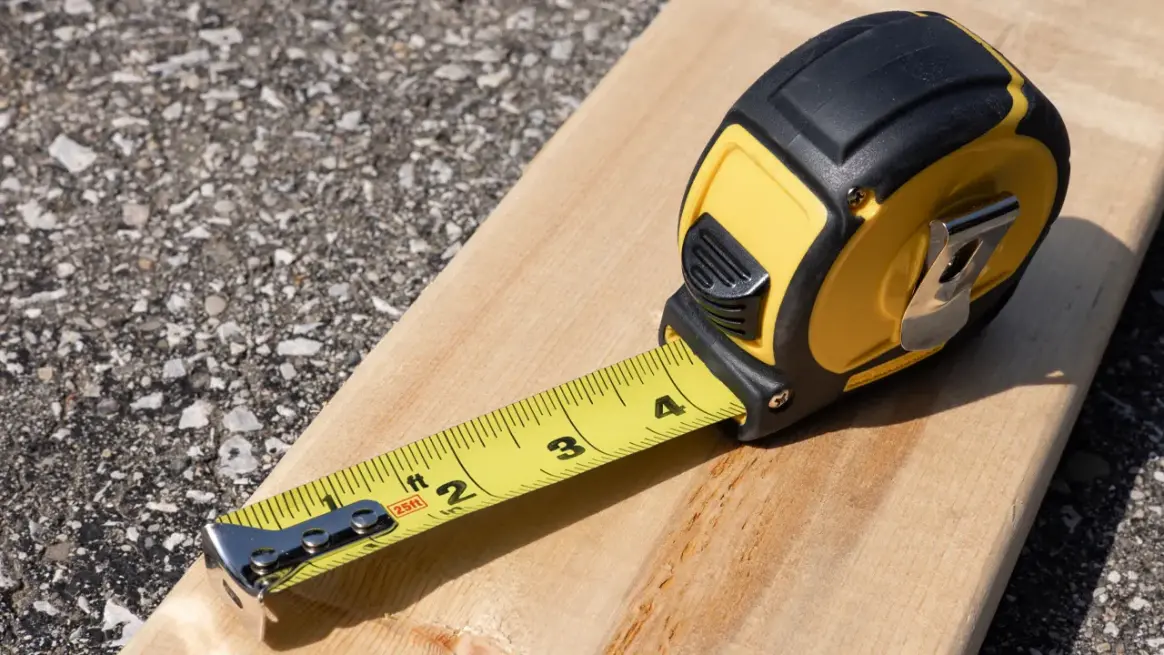
| 25 feet | Most common for furniture projects | 3/4 inch | Good balance of size and visibility |
| 30 to 35 feet | Large pieces and outdoor use | 1 inch or wider | More rigid and easier to extend |
Material And Durability
Look for tapes made with durable materials to last long and resist damage.
- Steel blades resist bending and wear.
- Coated tapes protect markings from fading.
- Rubber or plastic cases absorb shocks.
- Locking mechanisms keep the tape in place.
Preparing For Accurate Measurements
Taking accurate measurements is key to successful furniture projects. Careful preparation helps you get the right dimensions every time.
Before using your tape measure, set up your workspace and mark important points clearly. This makes measuring easier and more precise.
Clearing The Workspace
Start by clearing your work area of clutter and obstacles. A clean space lets you place your tape measure flat and steady.
Make sure the surface is stable and level. This helps avoid errors caused by uneven or shaky work areas.
Marking Reference Points
Use a pencil or tape to mark the start and end points for each measurement. Clear marks guide your tape measure placement.
Marking points prevents guesswork and keeps your measurements consistent across the project.
- Mark edges where cuts or joins will be made
- Label points for length, width, and height
- Check marks before measuring to avoid mistakes
Using A Helper For Precision
Having another person hold the tape measure steady can improve accuracy. A helper keeps the tape tight and aligned.
They can also read measurements aloud while you focus on holding tools or marking points.
- Ask your helper to hold the tape’s start point firmly
- Keep the tape flat and straight without slack
- Double-check numbers with your helper before recording
Measuring Techniques For Furniture
Using a tape measure correctly is key to good furniture projects. Taking accurate measurements helps your pieces fit well and look right.
This guide covers how to measure different parts of furniture. Learn to measure length, width, height, depth, curves, and angles with ease.
Measuring Length And Width
Length is the longest side of a furniture piece. Width is the shorter side across from length. Use the tape measure straight for best results.
- Place the tape measure at one end of the furniture.
- Stretch the tape along the edge without bending it.
- Read the number where the tape meets the other end.
- Write down the measurement for both length and width.
Measuring Height And Depth
Height is how tall the furniture stands. Depth is how far it goes back from front to rear. Use the tape vertically for height and horizontally for depth.
| Measurement | How to Measure | Tip |
|---|---|---|
| Height | Place tape at floor and stretch up to top edge | Keep tape straight and vertical |
| Depth | Place tape at front edge and stretch to back edge | Measure flat surfaces only |
Handling Curves And Angles
Curves and angles need care to get right measurements. Use flexible tape and small sections to follow shapes closely.
Follow these tips for curves and angles:
- Use a soft tape measure or string for curves.
- Mark points on the curve and measure between them.
- For angles, measure each straight side separately.
- Use a protractor for exact angle degrees.

Credit: tikweld.com
Avoiding Common Measurement Mistakes
Using a tape measure for furniture projects can be tricky. Small mistakes in measuring can lead to big problems later.
Knowing how to measure correctly saves time and materials. This guide helps you avoid common errors.
Reading The Tape Correctly
Read the tape measure at eye level to avoid parallax errors. Look closely at the markings to get the exact measurement.
- Use the smallest marks for precise readings.
- Note if the tape shows inches, centimeters, or both.
- Measure twice to confirm the number.
Accounting For Tape Hook Movement
The metal hook at the tape’s end can move slightly. This movement allows you to measure inside or outside edges accurately.
| Hook Position | Measurement Type | Hook Movement |
| Pulled Out | Measuring Outside Edges | Hook moves away from tape |
| Pushed In | Measuring Inside Edges | Hook slides toward tape |
Double-checking Measurements
Always measure twice before cutting or assembling. This reduces mistakes and wasted materials.
- Take the first measurement carefully.
- Measure again from the same points.
- Compare both numbers for accuracy.
- If numbers differ, measure a third time.
Tips For Measuring Complex Furniture Pieces
Measuring furniture can be tricky, especially with complex shapes and parts. Accurate measurements help ensure your project fits perfectly.
Using a tape measure the right way saves time and reduces mistakes. Here are some helpful tips for tricky furniture pieces.
Measuring Drawers And Compartments
Drawers and compartments have many sides and depths to measure. Take your time to get all dimensions right.
- Measure the width inside the drawer frame, not just the front.
- Check the height from the bottom to the top edge.
- Measure the depth from front to back inside the drawer.
- Note any irregular shapes or obstacles inside the compartment.
- Use the tape measure’s hook to catch edges for stable measuring.
Measuring Upholstered Furniture
Measuring upholstered furniture is different. The padding and fabric add extra size to the frame.
| Measurement Area | How to Measure | Tip |
| Width | Measure widest part including cushions | Pull tape tight for accuracy |
| Height | Measure from floor to top of cushions or back | Stand tape straight for better results |
| Depth | Measure from front edge to back panel | Include padding thickness |
Using The Tape For Custom Fittings
Custom fittings need exact measurements to fit well. Use your tape measure carefully for these pieces.
- Start by measuring the length of the fitting area.
- Measure the width at several points for irregular shapes.
- Check the height or depth as needed for the fitting type.
- Double-check measurements before cutting or ordering parts.
- Use a pencil to mark key points on the tape for reference.
Maintaining Your Tape Measure
Keeping your tape measure in good shape helps you get accurate measurements. This is important for furniture projects.
Regular care can extend the life of your tape measure and prevent mistakes.
Cleaning And Storage
Clean your tape measure after each use to remove dirt and dust. Dirt can make the tape sticky or hard to pull out.
Store your tape measure in a dry place to stop rust from forming on the metal parts.
- Wipe the blade with a soft cloth after use.
- Use mild soap and water for tough dirt, then dry it well.
- Keep the tape retracted to avoid bends and breaks.
- Store in a toolbox or drawer away from moisture.
Fixing Common Issues
If the tape gets stuck, pull it out slowly and let it retract gently. For a bent blade, try to straighten it carefully by hand.
If the hook at the end is loose, tighten the screws or replace the hook. A loose hook can cause wrong measurements.
- Use lubricant on the tape if it sticks inside the case.
- Straighten small bends with gentle pressure.
- Tighten or replace the end hook for accuracy.
- Check the lock button to ensure it works well.
When To Replace Your Tape
Replace your tape measure if the blade is cracked or badly bent. Damaged blades can cause wrong readings.
Also, get a new tape if the case is broken or if the tape does not lock properly. Safety is important when working.
- Blade cracks or deep bends that can’t be fixed.
- End hook missing or broken.
- Lock mechanism fails to hold the tape.
- Case is cracked or broken, exposing sharp edges.

Credit: www.youtube.com
Frequently Asked Questions
How Do I Accurately Measure Furniture Dimensions?
Use a tape measure to get exact length, width, and height. Keep the tape straight and taut for accuracy. Measure twice to avoid mistakes. Note down all measurements clearly before starting your project.
What Tape Measure Length Is Best For Furniture Projects?
A tape measure of at least 25 feet is ideal for furniture projects. It offers enough length for large pieces. Choose one with clear markings for precise measurement. Durable casing ensures long-term use.
How Do I Read Tape Measure Markings Correctly?
Understand both imperial (inches) and metric (centimeters) units. Each inch is divided into smaller fractions like halves, quarters, and eighths. Use the markings closest to your measurement point. Practice helps improve reading accuracy.
Can A Tape Measure Help With Furniture Design Accuracy?
Yes, it ensures precise dimensions and fit. Accurate measurements prevent costly errors and adjustments. Tape measures help align parts perfectly during assembly. They are essential for quality craftsmanship.
Conclusion
Using a tape measure can ease furniture projects. It ensures precise measurements. Avoid unnecessary mistakes by measuring twice. This helps save time and materials. Always keep your tape measure handy. Practice makes perfect. With time, measuring becomes second nature. Remember, accuracy is key.
Measure carefully and confidently. Precision leads to beautiful results. Enjoy the process and learn along the way. Your furniture project will thank you.