Are you tired of struggling with dull blades or uneven cuts? Using a utility knife might seem simple, but mastering it can make a huge difference in your projects.
Whether you’re crafting, DIYing, or working on repairs, knowing how to handle a utility knife with precision will save you time and frustration. In this guide, you’ll discover easy tips and tricks to control your cuts like a pro. Ready to take your skills to the next level?
Keep reading and transform the way you work with your utility knife.

Credit: olfa.com
Choosing The Right Utility Knife
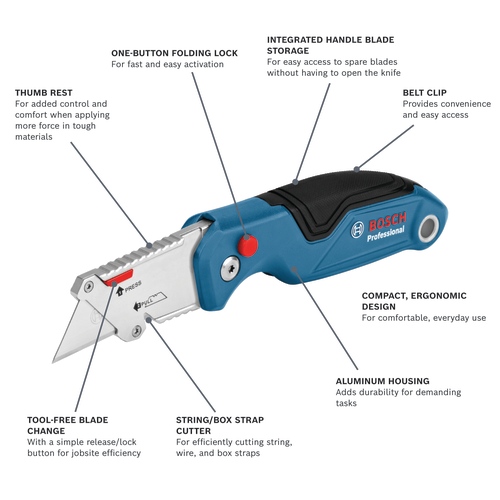
A utility knife is a handy tool for many tasks. Picking the right one helps you work with precision.
Different knives have different blades, handles, and safety features. Choose one that fits your needs.
Blade Types And Uses
Utility knives come with various blade types. Each blade is good for certain jobs.
- Standard blades cut paper, cardboard, and thin plastic.
- Hook blades are best for cutting roofing materials and linoleum.
- Snap-off blades let you use a fresh edge by breaking off dull parts.
- Heavy-duty blades cut thicker materials like carpet and drywall.
Handle Designs For Control
The handle shape affects how well you control the knife. Choose a handle that feels comfortable.
- Ergonomic handles reduce hand strain during long use.
- Textured grips prevent slipping for safer cutting.
- Lightweight handles make detailed work easier.
- Heavy handles offer stability for tougher jobs.
Safety Features To Look For
Safety is important when using a utility knife. Look for features that protect your hands.
- Retractable blades hide the blade when not in use.
- Blade locks keep the blade steady during cutting.
- Blade covers add extra protection when carrying the knife.
- Automatic blade retraction stops the blade after cutting.
Preparing For Precise Cutting
Using a utility knife for precise cuts needs careful preparation. Taking the right steps helps you cut cleanly and safely.
Focus on the surface, marking your lines clearly, and keeping the material steady before you cut.
Selecting The Right Surface
Choose a flat, stable surface that will not damage your knife or the material. A cutting mat or thick wood board works well.
A hard but forgiving surface helps you control the blade without dulling it quickly.
Marking Your Cut Lines
Clear and accurate lines guide your blade to cut exactly where you want. Use a ruler and a fine-tip pencil or marker.
- Measure twice to avoid mistakes
- Draw light lines first, then darken as needed
- Use a straight edge for long cuts
- Mark both sides if material is thick
Securing The Material
Hold your material firmly to stop it from shifting. Use clamps or weights if possible to keep it steady.
| Method | Best For | Tip |
|---|---|---|
| Clamps | Flat boards | Avoid over-tightening |
| Weights | Thin or flexible sheets | Place evenly along edges |
| Hands | Small pieces | Keep fingers clear of blade |
Techniques For Accurate Cuts
Using a utility knife correctly helps you make clean and precise cuts. Learning the right techniques improves safety and results.
This guide explains key ways to hold the knife, control pressure, and keep your hand steady for accurate cutting.
Proper Grip And Hand Position
Hold the utility knife firmly but not too tight. Use your dominant hand for better control. Keep your fingers away from the blade path.
Place your index finger along the side of the knife to guide it. Rest your other fingers around the handle for stability.
- Grip the handle with your whole hand
- Keep your index finger near the blade
- Do not place fingers in front of the blade
- Hold the knife close to the cutting edge
Controlling Blade Pressure
Apply steady, light pressure on the blade. Pressing too hard can cause slips or jagged cuts. Let the blade do the work.
Start with gentle pressure to score the surface. Increase pressure slowly for deeper cuts in layers or thick materials.
- Use light pressure at first
- Increase pressure gradually
- Do not force the blade
- Replace dull blades for smoother cuts
Maintaining A Steady Motion
Move the knife smoothly along the cutting line. Avoid quick or jerky motions that can cause mistakes or injuries.
Keep your wrist and arm steady. Use your whole arm for longer cuts instead of just the wrist for better control.
- Cut in a slow, controlled way
- Keep your wrist firm and steady
- Use your arm for long cuts
- Follow the cutting guide or line carefully
Maintaining Your Utility Knife
Taking care of your utility knife helps it last longer and work better. Proper maintenance keeps the blade sharp and safe to use.
Regular cleaning, blade changes, and sharpening improve cutting precision. These simple steps protect your tool and ensure smooth work.
Blade Replacement Tips
Replace the blade as soon as it becomes dull. A sharp blade cuts cleanly and safely. Using a dull blade can cause slips and mistakes.
Always lock the blade before replacing it. Use gloves to protect your hands. Dispose of old blades in a safe container.
- Unlock the blade holder carefully
- Remove the old blade without touching the sharp edge
- Insert a new blade fully and lock it in place
- Test the blade’s stability before cutting
Cleaning And Storage
Clean your utility knife after every use. Remove dust, glue, or dirt from the blade and handle. This stops rust and keeps the blade sharp.
Store the knife in a dry place. Use a case or sheath to protect the blade. Keep it out of reach of children for safety.
- Wipe the blade with a clean cloth
- Use rubbing alcohol for sticky residue
- Dry the knife completely before storing
- Keep the blade retracted when not in use
Sharpening For Precision
Sharpen the blade to keep cuts clean and accurate. Use a sharpening stone or tool made for utility blades. A sharp blade reduces effort and errors.
Sharpen the blade carefully. Hold the blade at the right angle. Make smooth, even strokes along the edge.
- Use a fine-grit sharpening stone
- Hold the blade at about 25 degrees
- Sharpen both sides evenly
- Clean the blade after sharpening
Safety Practices To Follow
Using a utility knife requires care and attention. Following safety rules helps prevent injuries.
This guide explains key safety practices. Focus on protective gear, cutting angles, and blade handling.
Wearing Protective Gear
Always wear the right protective gear before using a utility knife. This protects your hands and eyes.
- Wear cut-resistant gloves to protect your hands.
- Use safety glasses to shield your eyes from flying debris.
- Consider wearing long sleeves to guard your arms.
Safe Cutting Angles
Cutting at the correct angle keeps control and reduces risk. Avoid forcing the blade.
| Cutting Angle | Safety Tip |
|---|---|
| 30 to 45 degrees | Best for smooth, controlled cuts |
| Less than 30 degrees | Blade may slip; avoid sharp angles |
| More than 45 degrees | Requires more force; risk of blade breakage |
Handling And Disposal Of Blades
Properly handle blades to avoid cuts. Dispose of used blades safely to protect others.
- Always retract or cover the blade when not in use.
- Use pliers or a tool to remove blades safely.
- Place used blades in a hard container before disposal.
- Do not throw loose blades in the trash.
Common Mistakes And How To Avoid Them
Using a utility knife needs care and attention. Many people make simple mistakes that cause bad cuts or injuries. Avoiding these errors helps you get clean, precise results.
Learn about common mistakes with utility knives. Follow easy tips to keep your work safe and accurate.
Using A Dull Blade
A dull blade makes cutting harder. It can slip and cause uneven cuts. It also needs more force, which is unsafe.
Always check your blade before cutting. Change it if the edge feels blunt or rough. A sharp blade gives clean lines and needs less effort.
- Replace blades often for smooth cutting
- Use sharp blades to reduce slipping
- Keep spare blades ready for quick changes
Rushing The Cut
Cutting too fast leads to mistakes. You might go off the line or cut too deep. This wastes material and can hurt your project.
Take your time and cut slowly. Focus on guiding the knife along the line steadily. Slow cuts are safer and more precise.
- Keep a steady hand while cutting
- Follow the marked line carefully
- Pause if you feel unsure or off track
Ignoring Safety Precautions
Many accidents happen because people ignore safety rules. Not wearing gloves or cutting towards your body is risky. It can cause serious injuries.
Always use safety gear and proper cutting techniques. Cut away from your body and keep your fingers clear of the blade path.
- Wear cut-resistant gloves for protection
- Cut on a stable, flat surface
- Keep your hands away from the blade’s path
- Store the knife safely after use
Advanced Tips For Professionals
Using a utility knife with precision takes skill and the right tools. Professionals need to work carefully to get clean, accurate cuts.
This guide covers advanced tips that help experts improve their cutting technique and work more efficiently.
Customizing Your Knife Setup
Adjust your utility knife to fit your cutting style. Change blades often to keep cuts sharp and smooth.
Choose blade types based on your material. Some blades work better on soft materials, others on tough surfaces.
- Use snap-off blades for quick fresh edges
- Pick thicker blades for heavy-duty cutting
- Add grip tape or rubber sleeves for better control
- Keep extra blades handy for fast replacement
Using Guides And Jigs
Guides and jigs help keep your cuts straight and consistent. They reduce mistakes and save time on complex projects.
Use rulers, T-squares, or custom jigs to control your blade path. Clamp guides firmly to avoid slipping during cutting.
- Metal rulers work best for sharp blades
- Use a cutting mat under your work for protection
- Create jigs from scrap wood for repeated cuts
- Check alignment before every cut
Techniques For Complex Cuts
Complex cuts need steady hands and careful planning. Score the material lightly first to guide the blade.
Make multiple passes with the knife instead of trying to cut through at once. This prevents jagged edges and errors.
- Start with a light scoring cut
- Apply more pressure on each pass
- Use slow, steady motions
- Turn the material, not the knife, for curves
- Keep your blade sharp for clean cuts
Credit: www.victorinox.com

Credit: olfa.com
Frequently Asked Questions
What Is A Utility Knife Used For?
A utility knife is used for precision cutting tasks. It’s ideal for cutting materials like cardboard, drywall, and rope. Its sharp blade ensures accurate and clean cuts. This tool is versatile and essential for both DIY projects and professional tasks.
Always handle it with care for safety.
How Do You Change A Utility Knife Blade?
To change a utility knife blade, first ensure the knife is locked. Slide the old blade out carefully. Insert the new blade into the slot. Ensure it’s securely in place before use. Always wear safety gloves when handling blades to avoid injuries.
Regular blade changes maintain cutting efficiency.
Why Is A Utility Knife Essential For Precision?
A utility knife offers controlled and precise cuts. Its sharp blade minimizes errors in intricate tasks. The ergonomic design allows for comfortable handling. Ideal for detailed crafts, it ensures clean edges. Regular maintenance and proper use enhance its effectiveness. Always choose quality blades for best results.
How To Safely Use A Utility Knife?
Always hold the utility knife firmly with a secure grip. Cut away from your body to prevent accidents. Use a cutting mat for protection. Keep fingers away from the blade path. Store it in a safe place after use. Regularly check the blade’s condition to ensure safety.
Conclusion
Using a utility knife with care brings precise and clean cuts. Always keep the blade sharp and change it when dull. Cut on a safe surface to protect both you and your work. Take your time and focus on steady movements.
Practice helps build confidence and skill. This simple tool can handle many tasks well. Follow safety tips to avoid accidents. Small steps lead to better results every time. Keep these points in mind for safe, precise cutting.