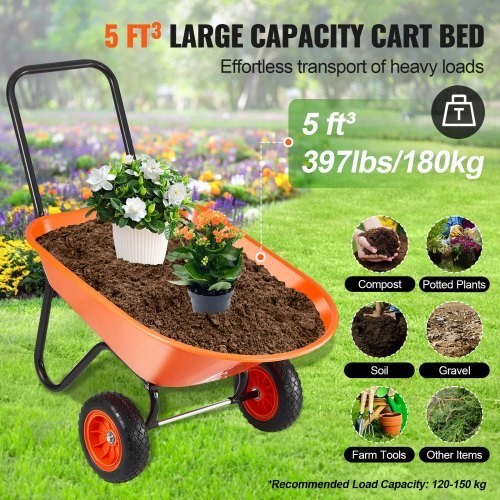
Are you ready to tackle that garden project or landscaping job, but find yourself dreading the thought of moving heavy soil? You’re not alone.
Using a wheelbarrow can transform your workload from daunting to manageable, saving you time and energy. Imagine the satisfaction of completing your task efficiently, with less strain on your body. In this guide, you’ll discover easy, practical tips to master the art of using a wheelbarrow for heavy soil.
Whether you’re a gardening enthusiast or a landscaping pro, this article will equip you with the knowledge to make your next project smoother and more enjoyable. Ready to transform your approach and lighten your load? Let’s dive in and unlock the secrets to making your wheelbarrow work for you.

Credit: thegardencrafter.com
Choosing The Right Wheelbarrow
Using a wheelbarrow makes moving heavy soil easier. Picking the right wheelbarrow helps you work safely and efficiently.
This guide explains key points to consider when choosing a wheelbarrow for heavy soil.
Types Of Wheelbarrows
There are different wheelbarrow styles for various jobs. The main types are standard, two-wheel, and motorized wheelbarrows.
- Standard wheelbarrowshave one wheel and are easy to steer.
- Two-wheel wheelbarrowsoffer more balance and stability.
- Motorized wheelbarrowsuse engines to carry heavy loads with less effort.
Material Considerations
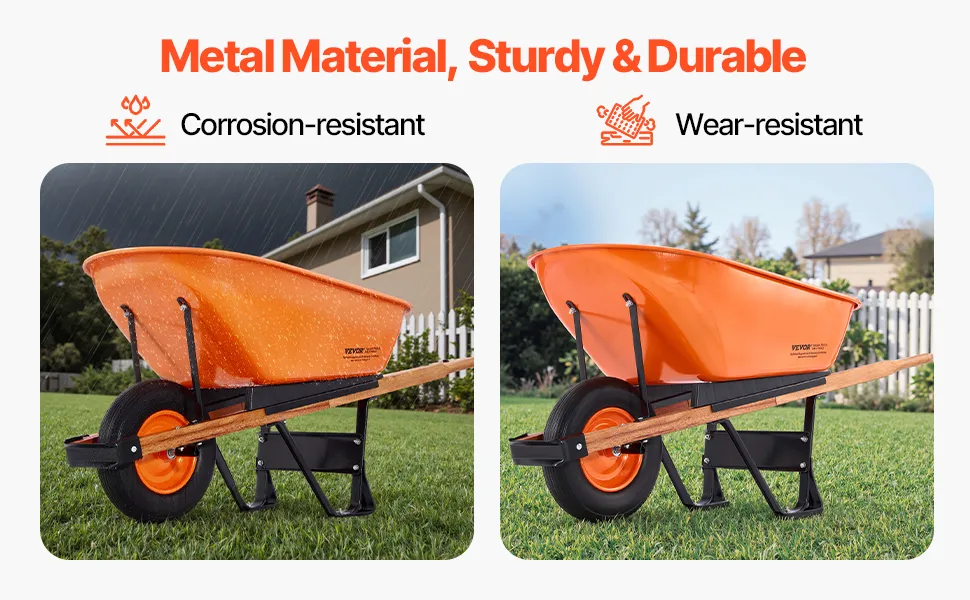
Wheelbarrows come in different materials. The most common are steel, plastic, and wood.
| Material | Strength | Weight | Rust Resistance |
| Steel | High | Heavy | Low (can rust) |
| Plastic | Medium | Light | High |
| Wood | Low | Medium | Low |
For heavy soil, steel frames are strong but heavy. Plastic is lighter but less strong. Wood is less common and weaker.
Size And Capacity
Choose a size that fits your strength and job size. Too large makes it hard to push; too small means more trips.
- Smaller wheelbarrows hold about 4 cubic feet of soil.
- Medium sizes hold 6 to 8 cubic feet.
- Larger ones hold 10 cubic feet or more.
A larger capacity works well for big jobs but needs more strength to control. Pick a size that matches your needs.
Credit: www.vevor.ca
Preparing For Heavy Soil Transport
Transporting heavy soil with a wheelbarrow can be tough. Proper preparation makes the job easier and safer.
Knowing how to handle soil and use the right tools helps prevent injuries and damage to equipment.
Assessing Soil Moisture And Texture
Check soil moisture before loading. Wet soil is heavier and harder to move. Dry soil may crumble and spill.
Feel the soil to understand its texture. Clay soil is sticky and dense. Sandy soil is loose and light.
- Wet soil adds extra weight
- Clay soil can cause wheelbarrow to stick
- Sandy soil may need careful handling to avoid spills
Tools For Loading Soil
Use strong tools to load soil into the wheelbarrow. This reduces effort and speeds up the work.
A sturdy shovel or spade works best. Avoid tools that bend or break under heavy load.
- Metal shovel for digging and lifting soil
- Flat spade for scooping soil
- Rake to gather loose soil
- Wheelbarrow with solid tires and frame
Safety Gear Essentials
Wear safety gear to protect your body when moving heavy soil. This helps avoid injuries.
Gloves protect your hands from cuts and blisters. Sturdy shoes keep your feet safe from heavy loads.
- Work gloves to protect hands
- Closed-toe shoes with good grip
- Long pants to avoid scratches
- Back support belt for heavy lifting
Loading Heavy Soil Efficiently
Loading heavy soil into a wheelbarrow can be tough. Doing it right saves effort and prevents injury.
Use proper techniques to make the job easier and keep the wheelbarrow balanced.
Proper Shoveling Techniques
Use a sturdy shovel with a comfortable handle. Scoop soil close to the ground for less strain.
Lift with your legs, not your back. Keep your back straight and bend your knees.
- Push the shovel deep into the soil
- Lift soil by straightening your legs
- Avoid twisting your body when moving soil
Balancing The Load
Place soil evenly in the wheelbarrow to keep it balanced. Uneven loads cause tipping and strain.
Put heavier soil near the wheel. Spread lighter soil toward the edges for stability.
- Center the load over the wheel
- Distribute weight evenly side to side
- Check balance before moving the wheelbarrow
Avoiding Overloading
Do not fill the wheelbarrow too full. Heavy loads can be hard to push and control.
Use smaller loads to keep your work safe and efficient. Take more trips if needed.
- Fill the wheelbarrow below the top edge
- Keep loads manageable for your strength
- Stop if you feel strain or pain

Credit: www.garant.com
Maneuvering On Different Terrains
Using a wheelbarrow with heavy soil can be tough. Different grounds need different handling. Knowing how to move safely helps avoid accidents and saves effort.
This guide covers tips for uneven ground, slopes, and muddy areas. Follow these to keep control and protect yourself and your tools.
Handling Uneven Ground
Uneven ground can make the wheelbarrow wobble. Take slow and small steps to keep balance. Keep your eyes ahead to spot bumps and holes.
- Hold the handles firmly but not too tight.
- Push straight forward, not at an angle.
- Lower the load if the soil is very heavy.
- Use the wheel’s center to avoid tipping.
Navigating Slopes Safely
Slopes need careful control to keep the wheelbarrow from rolling. Always face uphill when pushing. Keep your weight balanced and steady.
| Terrain Type | Best Practice |
| Uphill | Push slowly, lean forward |
| Downhill | Walk backward, hold tightly |
| Steep Slope | Reduce load, use two hands |
Dealing With Muddy Conditions
Mud can stick to the wheel and slow you down. It makes the soil heavier and harder to push. Clean the wheel often to keep it rolling.
- Check the wheelbarrow wheel often for mud build-up.
- Use a wide wheel to avoid sinking.
- Push slowly and keep the load light.
- Try to follow firmer paths if possible.
Maintaining Your Wheelbarrow
Taking care of your wheelbarrow helps it last longer. Regular maintenance keeps it working well.
Check your wheelbarrow after each use. Clean and inspect it to prevent damage.
Cleaning After Use
Remove dirt and soil from the wheelbarrow after every job. This stops rust and wear.
Use water and a brush to clean the tray and handles. Dry it well to avoid moisture.
- Scrape off stuck soil
- Wash with water and mild soap
- Dry completely before storing
Checking Tire Pressure
Proper tire pressure makes pushing easier. Check the tire before each use.
Use a tire gauge to measure pressure. Inflate the tire to the recommended level.
- Find the pressure rating on the tire sidewall
- Use a hand pump or air compressor to fill the tire
- Check for leaks or damage
Lubricating Moving Parts
Lubricate the wheel and axle to keep them turning smoothly. This reduces wear and noise.
Apply a light oil or grease to the axle and wheel bearings. Do this every few weeks.
- Clean moving parts before applying lubricant
- Use a cloth to spread oil evenly
- Wipe off excess lubricant to prevent dirt buildup
Tips For Reducing Strain And Injury
Using a wheelbarrow with heavy soil can be hard on your body. You need to protect your back, arms, and legs. This guide gives simple tips to reduce strain and avoid injury.
Good habits while pushing and lifting help keep you safe. Focus on posture, taking breaks, and proper lifting methods.
Using Proper Posture
Stand straight and keep your back aligned when using the wheelbarrow. Avoid bending your spine forward or twisting your body. Keep your arms close to your sides and use your legs to push the load.
- Keep feet shoulder-width apart for balance
- Bend knees slightly, not your back
- Hold handles firmly but not too tight
- Look ahead, not down at the wheelbarrow
Taking Breaks
Working with heavy soil can tire your muscles fast. Take short breaks to rest and stretch. This helps your body recover and lowers the chance of injury.
| Break Time | Activity |
| Every 20 minutes | Stretch arms, legs, and back |
| Every 40 minutes | Walk slowly and breathe deeply |
| After 1 hour | Drink water and relax |
Lifting Techniques
Lifting heavy soil into the wheelbarrow is a key moment for strain. Use your legs, not your back, to lift. Keep the load close to your body and avoid sudden moves.
- Stand close to the load and face it directly
- Bend your knees and squat down
- Hold the soil or container firmly
- Lift with your legs while keeping your back straight
- Do not twist your body while lifting or carrying
Frequently Asked Questions
How Do I Choose The Right Wheelbarrow For Heavy Soil?
Select a wheelbarrow with a sturdy steel frame and a deep, reinforced tray. Pneumatic tires offer better support on rough terrain. Ensure the wheelbarrow has comfortable handles for easier maneuvering with heavy loads.
What Is The Best Technique To Load Heavy Soil Safely?
Use a shovel to load soil evenly into the wheelbarrow. Avoid overloading to prevent tipping. Keep the load balanced and close to the wheel for better control and less strain on your back.
How Can I Maintain My Wheelbarrow When Carrying Heavy Soil?
Clean the wheelbarrow after each use to prevent soil buildup. Check tire pressure regularly and lubricate moving parts. Store it in a dry place to avoid rust and prolong its lifespan.
What Safety Tips Should I Follow When Using A Wheelbarrow?
Wear gloves and sturdy footwear for protection. Lift with your legs, not your back, to avoid injury. Move slowly on uneven ground and keep your path clear to prevent accidents.
Conclusion
Using a wheelbarrow for heavy soil makes work easier and faster. Keep the load balanced to avoid tipping. Push slowly and use your legs more than your arms. Regularly check the wheel for proper air pressure. Clean the wheelbarrow after use to keep it in good shape.
With practice, handling heavy soil will feel natural. A good wheelbarrow saves time and energy. Try these tips to make your gardening tasks simpler. Keep safety in mind and work steadily. You will see better results with less effort.