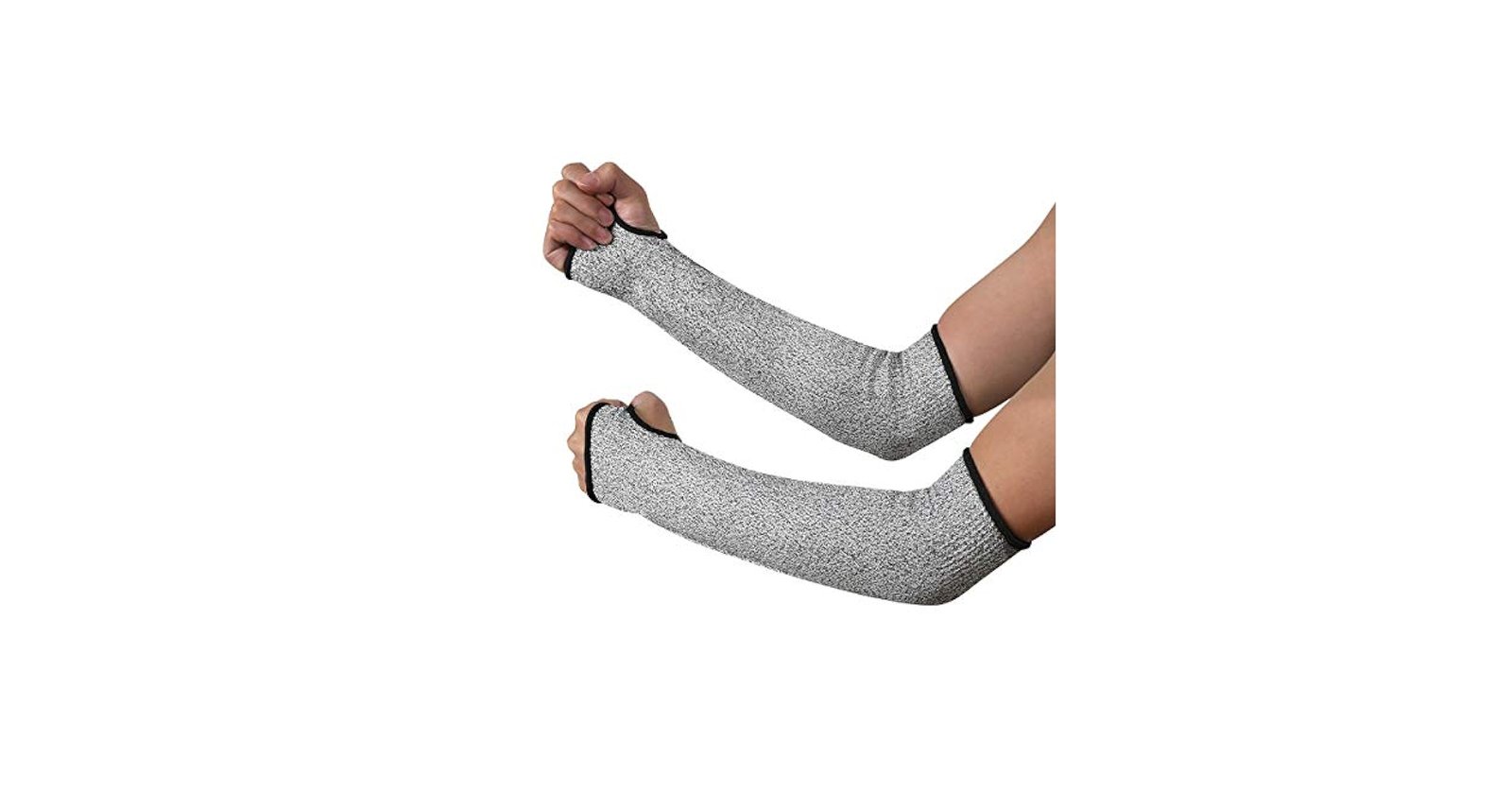
Are you tired of those little accidents that turn your DIY projects into bandaged battles? Imagine working on your next project with confidence, knowing that your arms are protected from cuts and scrapes.
Cut-resistant sleeves could be your new best friend in the workshop. Designed to shield you from potential injuries, these sleeves are a game-changer for anyone who loves to get hands-on. In this guide, you’ll discover how these sleeves work, why they’re essential for your DIY toolkit, and how to choose the right pair for your needs.
Stick around to learn how a small investment in safety can transform your DIY experience. Your projects deserve your full attention—not the distraction of worrying about cuts. Let’s dive in and keep your DIY adventures safe and enjoyable!
Benefits Of Cut-resistant Sleeves
Cut-resistant sleeves help protect your arms while working on DIY projects. They reduce the risk of cuts and scrapes from sharp tools and materials.
These sleeves are designed to be comfortable and durable, making your work safer and easier.
Enhanced Protection For Diy Tasks
Cut-resistant sleeves provide strong protection against sharp edges and rough surfaces. They cover your arms to prevent injuries during cutting, sanding, or handling metal and glass.
- Protects skin from cuts and scratches
- Reduces risk of serious injuries
- Helps avoid pain and downtime
Improved Grip And Comfort
These sleeves offer a better grip on tools and materials. Their design keeps your arms cool and allows easy movement for detailed work.
| Feature | Benefit |
|---|---|
| Breathable fabric | Keeps arms cool and dry |
| Flexible material | Allows free arm movement |
| Textured surface | Improves grip on tools |
Durability And Reusability
Cut-resistant sleeves are made from strong materials that last through many uses. They save money by reducing the need for frequent replacements.
- High-quality fibers resist wear and tear
- Easy to clean and maintain
- Cost-effective for regular DIY users
Materials Behind Cut-resistant Sleeves
Cut-resistant sleeves protect your arms during DIY projects. The materials used affect comfort and safety. Knowing these materials helps you pick the best sleeves.
This guide explains common fabrics and fibers, how materials affect safety, and how to choose the right one.
Common Fabrics And Fibers
Cut-resistant sleeves use special fabrics and fibers. Some are natural, and others are synthetic. Each type offers different levels of protection.
- Kevlar:A strong synthetic fiber. It is lightweight and heat resistant.
- Dyneema:Very tough and light. It resists cuts and abrasions well.
- Steel Mesh:Made from fine steel wires. It offers high cut protection but is heavier.
- Glass Fiber:Thin, strong fibers that resist cutting and heat.
- High-Performance Polyethylene (HPPE):A durable synthetic fiber with excellent cut resistance.
How Material Affects Safety Level
Each material affects how safe the sleeve is. Some protect better from cuts, while others resist heat or chemicals. The right material depends on the risk type.
| Material | Cut Resistance | Heat Resistance | Weight |
|---|---|---|---|
| Kevlar | High | Medium | Light |
| Dyneema | Very High | Low | Very Light |
| Steel Mesh | Very High | High | Heavy |
| Glass Fiber | Medium | High | Medium |
| HPPE | High | Low | Light |
Choosing The Right Material For Your Project
Pick materials based on your tasks. Heavy cutting needs strong fibers. Heat tasks need heat-resistant sleeves. Choose comfort for long use.
- Identify the main risks in your project.
- Match the risk with the material’s protection.
- Consider sleeve weight for comfort.
- Check if the material suits the environment (heat, chemicals).
- Try different materials to find what fits best.
Selecting The Right Sleeve Size
Choosing the right size for cut-resistant sleeves is important for safety and comfort. A good fit helps protect your arms well during DIY tasks.
Too loose or too tight sleeves can cause problems. Use the correct size to work safely and easily.
Measuring Your Arm Accurately
Measure your arm carefully before buying sleeves. Accurate measurements ensure the best fit and protection.
Use a soft tape measure to check around your arm. Measure both the length and circumference.
- Measure from wrist to just below the elbow for length
- Wrap the tape around the widest part of your forearm for circumference
- Measure both arms if they differ in size
Importance Of Proper Fit
A proper fit keeps the sleeve in place during work. It helps protect your skin from cuts and scrapes.
Sleeves that are too tight can cut off circulation. Loose sleeves can slip and expose your skin.
- Right fit improves comfort and movement
- Prevents sleeves from sliding down
- Ensures full arm coverage and safety
Adjustable Features To Consider
Look for sleeves with adjustable parts to improve fit. Adjustable features help customize the sleeve to your arm shape.
Common adjustable features include straps, elastic cuffs, and hook-and-loop fasteners.
- Elastic cuffs keep sleeves tight at the wrist
- Straps allow tightening or loosening around the arm
- Hook-and-loop fasteners make adjustments easy

Credit: www.amazon.in
Wearing Cut-resistant Sleeves Correctly
Cut-resistant sleeves protect your arms during DIY projects. Wearing them the right way keeps you safe and comfortable.
This guide explains how to wear these sleeves properly. Follow simple tips for the best protection.
Proper Positioning On The Arm
Place the sleeves so they cover from your wrist to just below your elbow. Make sure the fabric lies flat without wrinkles.
Check that the cut-resistant material faces outward. This position gives full arm protection against sharp tools and rough surfaces.
Securing Sleeves For Maximum Coverage
Use the elastic bands or straps that come with the sleeves to hold them in place. Secure both ends tightly but comfortably.
- Pull the sleeve up fully to avoid gaps
- Fasten straps or elastic bands near wrist and arm
- Check for any slipping during movement
- Adjust if the sleeve feels loose or twisted
Avoiding Common Mistakes
| Mistake | Effect | How to Fix |
|---|---|---|
| Wearing sleeves too low | Leaves wrist exposed | Pull sleeves higher on arm |
| Not securing straps | Sleeves slip off easily | Always fasten straps firmly |
| Using damaged sleeves | Reduces protection | Inspect sleeves before use |
| Wearing over clothes | Reduces fit and safety | Wear sleeves directly on skin |
Maintenance And Care Tips
Cut-resistant sleeves keep your arms safe during DIY tasks. Taking care of them helps keep their strength. Proper maintenance also makes them last longer.
Follow simple steps to clean, store, and know when to replace your sleeves. This guide helps you protect your investment and your safety.
Cleaning Guidelines
Cleaning your cut-resistant sleeves regularly removes dirt and sweat. Use cold water and mild detergent to keep the fabric strong. Avoid bleach or fabric softeners.
- Hand wash or use gentle machine cycle
- Do not use hot water; it can damage fibers
- Air dry by hanging; avoid direct sunlight
- Do not iron or tumble dry
Storage Recommendations
Store sleeves in a clean, dry place away from sharp objects. Keep them flat or rolled to avoid creases. Avoid storing near chemicals or heat sources.
| Storage Condition | Why It Matters |
|---|---|
| Cool and dry place | Prevents mold and material breakdown |
| Away from direct sunlight | Stops color fading and fiber damage |
| Separated from tools | Avoids accidental cuts or tears |
| Flat or rolled | Maintains shape and fit |
When To Replace Sleeves
Check sleeves often for signs of wear. Replace if cuts, holes, or thinning appear. Worn sleeves may not protect well.
- Inspect sleeves before each use
- Look for tears or loose fibers
- Replace if protection feels reduced
- Do not use damaged sleeves

Credit: www.safetyandhealthmagazine.com
Safety Tips For Diy Projects
Doing DIY projects can be fun and rewarding. Safety should always come first to avoid injuries.
Using cut-resistant sleeves is one way to protect your arms. Here are some tips to stay safe.
Combining Sleeves With Other Protective Gear
Cut-resistant sleeves work best with other safety gear. Gloves, goggles, and helmets add more protection.
Wearing all the right gear reduces the chance of cuts and eye injuries.
- Use cut-resistant gloves with sleeves for full arm protection.
- Wear safety goggles to protect your eyes from flying debris.
- Use helmets or hard hats if working with heavy objects.
Safe Handling Of Sharp Tools
Always handle sharp tools with care. Keep your focus and avoid distractions while working.
Cut-resistant sleeves help protect your arms but do not replace careful tool use.
- Hold tools firmly and cut away from your body.
- Keep blades sharp to reduce slipping.
- Store tools safely when not in use.
Work Environment Preparation
Prepare your workspace before starting. A clean and organized area lowers accident risks.
Good lighting and clear floors help you work safely and see hazards clearly.
- Clear clutter to avoid tripping.
- Use bright lights to see tools and materials well.
- Keep first aid supplies nearby in case of cuts.
Common Diy Scenarios For Sleeve Use
Cut-resistant sleeves help protect your arms from cuts and scrapes. They are useful in many DIY projects. Using these sleeves keeps your skin safe while working.
Let’s look at some common DIY tasks where cut-resistant sleeves are helpful. These include woodworking, metalworking, and gardening jobs.
Woodworking And Carpentry
Woodworking involves handling sharp tools like saws, chisels, and knives. These tools can easily cut your arms if you slip. Cut-resistant sleeves offer extra safety during these tasks.
Wearing sleeves helps when sanding wood or moving rough boards. Sleeves protect from splinters and scratches that happen often in carpentry.
- Using saws and chisels
- Sanding rough wood surfaces
- Handling sharp nails and screws
- Moving heavy wooden planks
Metalworking And Fabrication
Metalworking includes cutting, grinding, and welding metal pieces. These tasks produce sharp edges and metal shards. Cut-resistant sleeves protect your skin from these hazards.
Sleeves also guard against burns and scratches from metal tools. They help keep arms safe when shaping or joining metal parts.
- Handling metal sheets and rods
- Using grinders and cutting tools
- Protecting from metal splinters
- Shielding skin from sparks and heat
Gardening And Landscaping
Gardening tasks often expose your arms to thorns, sharp branches, and rough plants. Cut-resistant sleeves protect your skin from scratches and cuts while working outdoors.
Sleeves are useful when pruning bushes or handling tools like shears and knives. They help keep your arms safe from injuries in the garden.
- Pruning thorny bushes and shrubs
- Handling sharp gardening tools
- Working with rough branches and plants
- Protecting against insect bites and scratches

Credit: www.amazon.com
Frequently Asked Questions
What Are Cut-resistant Sleeves Used For In Diy?
Cut-resistant sleeves protect your arms from sharp tools and materials. They reduce injury risks during cutting, sawing, or handling sharp objects in DIY projects.
How Do Cut-resistant Sleeves Improve Safety?
These sleeves provide a tough barrier against cuts and abrasions. They enhance grip and minimize accidental injuries, making DIY tasks safer and more efficient.
What Materials Make Cut-resistant Sleeves Effective?
Cut-resistant sleeves are often made from materials like Kevlar, Dyneema, or metal mesh. These materials offer high durability and excellent protection against sharp edges.
Can Cut-resistant Sleeves Be Reused For Multiple Projects?
Yes, most cut-resistant sleeves are durable and washable. Proper care and maintenance allow them to be reused for many DIY tasks safely.
Conclusion
Cut-resistant sleeves protect your arms during DIY tasks. They help prevent cuts and scrapes effectively. Choose sleeves that fit well and feel comfortable. Always check the material and safety rating before buying. Wearing them can make your work safer and easier.
Keep your sleeves clean and replace them when worn out. Safety matters most in any DIY project. Use cut-resistant sleeves and work with confidence.