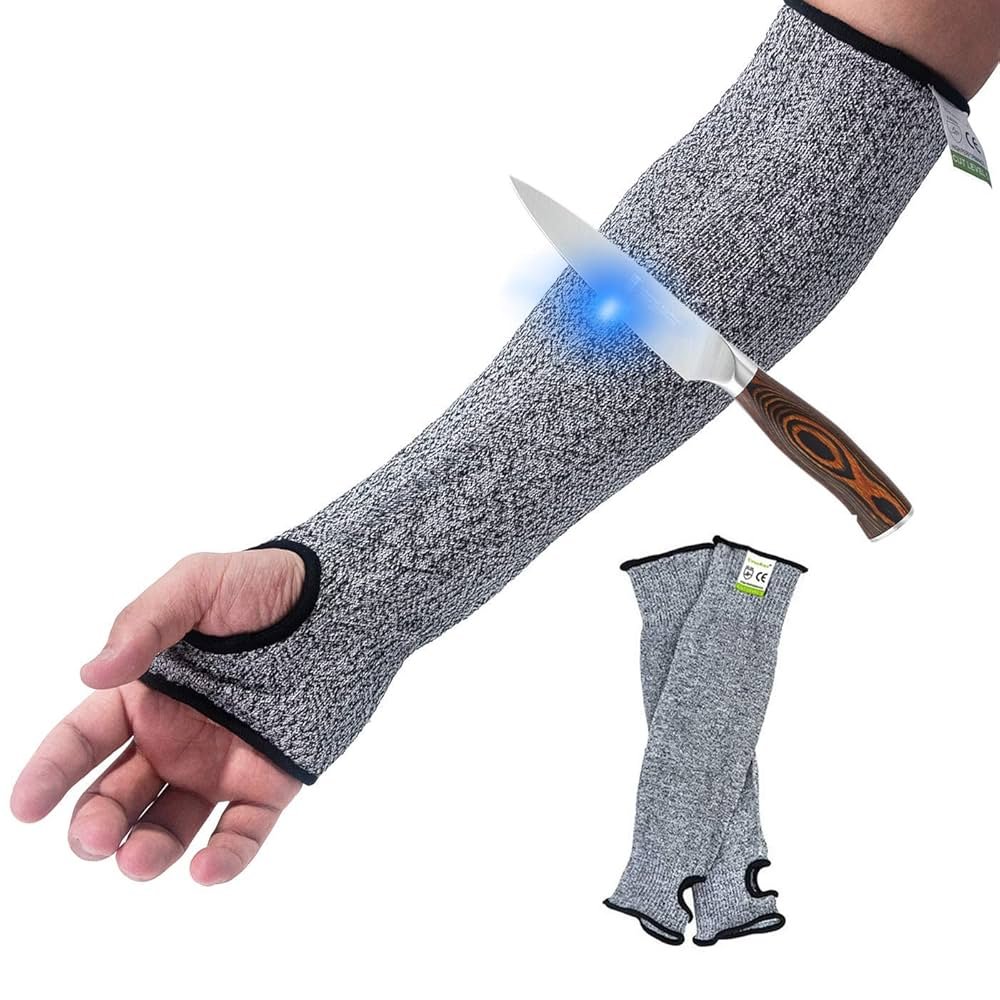
Are you ready to take your DIY projects to the next level while keeping safety at the forefront? When you’re working with sharp tools or rough materials, protecting your arms is crucial.
That’s where cut-resistant sleeves come into play. These handy accessories can be a game-changer in your DIY toolkit, offering an extra layer of protection against cuts and abrasions. Imagine confidently tackling projects without the constant worry of nicks and scratches.
In this guide, you’ll discover everything you need to know about choosing and using cut-resistant sleeves effectively. From understanding the material and fit to learning how these sleeves can boost your DIY confidence, we’ve got you covered. Dive in, and let’s ensure your next project is as safe as it is successful.
Benefits Of Cut-resistant Sleeves
Cut-resistant sleeves are important for safety in DIY projects. They protect your arms from sharp tools and materials. Wearing these sleeves can help prevent injuries and accidents.
These sleeves are made from strong materials that guard against cuts. They are designed to fit well and allow you to work with ease. Using cut-resistant sleeves makes your projects safer and more comfortable.
Enhanced Protection
Cut-resistant sleeves shield your arms from cuts, scrapes, and burns. They act as a barrier between your skin and sharp objects. This protection helps reduce the risk of serious injuries during work.
- Protects against sharp tools and blades
- Guards skin from rough surfaces
- Reduces chance of cuts and scratches
- Helps prevent burns from hot materials
Improved Dexterity
Cut-resistant sleeves allow you to move your arms freely. They fit snugly without being too tight. This helps keep your hands and fingers agile for detailed tasks.
| Feature | Benefit |
| Flexible materials | Easy arm movement |
| Lightweight design | Less fatigue during work |
| Breathable fabric | Keeps skin cool and dry |
Durability And Comfort
Cut-resistant sleeves last through many projects. They resist wear and tear even in tough conditions. Comfort features make them easy to wear for long periods.
- Strong stitching prevents rips
- Soft inner lining reduces skin irritation
- Machine washable for easy cleaning

Credit: www.amazon.com
Types Of Cut-resistant Sleeves
Cut-resistant sleeves protect your arms during DIY projects. They help prevent cuts and scrapes from sharp tools and materials.
There are different types of sleeves based on materials, lengths, sizes, and features. Choosing the right type keeps you safe and comfortable.
Material Variations
Cut-resistant sleeves use various materials to offer protection and comfort. Some common materials include:
- HPPE (High-Performance Polyethylene): Lightweight and strong
- Kevlar: Heat resistant and durable
- Steel Mesh: Heavy-duty protection
- Nylon blends: Flexible and breathable
- Composite fibers: Combine strength and comfort
Different Lengths And Sizes
Sleeves come in many lengths and sizes to fit your needs. Choose based on the area you need to cover and your arm size.
| Length | Use | Typical Size Range |
|---|---|---|
| Short (up to 12 inches) | Wrist and lower forearm protection | Small to Large |
| Medium (12 to 18 inches) | Forearm protection | Medium to Extra Large |
| Long (over 18 inches) | Full arm protection | Large to Extra Large |
Special Features To Consider
Special features add extra safety and comfort to sleeves. Look for these when picking cut-resistant sleeves:
- Elastic cuffs for a secure fit
- Breathable fabric to reduce sweating
- Water resistance for wet projects
- High visibility colors for safety
- Machine washable for easy cleaning
Choosing The Right Sleeves For Your Project
Using cut-resistant sleeves can protect your arms during DIY projects. Choosing the right sleeves helps keep you safe and comfortable.
This guide helps you find sleeves that match your project needs. Learn how to pick sleeves based on risks, materials, and fit.
Assessing Project Risks
Look at the tools and materials you will use. Some projects have higher cut risks than others.
Think about sharp blades, rough surfaces, and chemicals. These factors affect the protection level you need.
- Use sharp tools like knives or saws
- Handle rough or abrasive materials
- Work near hot or chemical substances
- Perform tasks that need arm movements
Matching Sleeve Material To Task
Choose sleeve materials based on the task you do. Different materials protect against cuts, heat, or chemicals.
Some sleeves use fiberglass, Kevlar, or metal mesh. Pick what fits your project’s risks and comfort needs.
- Fiberglass: good for sharp cuts and light heat
- Kevlar: strong and heat resistant
- Metal mesh: protects from deep cuts
- Nitrile or rubber coatings: resist chemicals and liquids
Sizing And Fit Tips
Proper fit is key for comfort and safety. Sleeves that are too loose or tight can cause problems.
Measure your arm length and width. Check size charts before buying to find the best fit.
- Measure from wrist to just below elbow
- Measure arm circumference at the widest point
- Choose sleeves with elastic cuffs for secure fit
- Try sleeves on if possible before use

Credit: www.amazon.com
Proper Usage And Maintenance
Cut-resistant sleeves protect your arms during DIY projects. Using them correctly keeps you safe.
Maintaining sleeves helps keep their strength and extends their life. Follow simple care tips.
Correct Wearing Techniques
Wear cut-resistant sleeves snugly on your arms. Make sure they cover from wrist to elbow fully.
Check for gaps or folds that expose skin. Avoid rolling sleeves down or pushing them up.
- Slide sleeves over your hand and up to your elbow
- Ensure no skin shows between gloves and sleeves
- Keep sleeves smooth without wrinkles
- Use gloves with sleeves for full protection
Cleaning And Care Instructions
Wash cut-resistant sleeves gently to keep their fibers strong. Use cold water and mild detergent.
Avoid bleach and fabric softeners. Air dry sleeves flat away from sunlight or heat sources.
- Hand wash or use gentle machine cycle
- Do not use bleach or strong chemicals
- Skip fabric softeners to keep fibers intact
- Air dry, do not tumble dry
When To Replace Sleeves
Replace sleeves if they show holes, tears, or worn spots. Damaged sleeves lose protection.
Also replace if sleeves feel stiff, thin, or stretched out. Old sleeves can fail in accidents.
- Check sleeves before each use
- Replace if you see any cuts or holes
- Discard sleeves with fabric thinning or stretching
- Replace after heavy damage or many washes
Safety Tips For Diy Projects
DIY projects can be fun and rewarding. Staying safe during these tasks is very important.
Using cut-resistant sleeves helps protect your arms from sharp tools and materials.
Combining Sleeves With Other Protective Gear
Cut-resistant sleeves work best when you wear other safety gear. Gloves, goggles, and helmets add extra protection.
Each type of gear protects different parts of your body. Together, they reduce the chance of injury.
- Wear gloves to protect your hands
- Use safety goggles to guard your eyes
- Put on a helmet if working overhead
- Wear long sleeves or jackets to cover exposed skin
Safe Handling Of Tools And Materials
Always hold tools firmly and use them as intended. Loose grip can cause slips and cuts.
Keep sharp objects pointed away from your body. Store tools safely after use.
- Inspect tools before use for damage
- Cut materials on a stable surface
- Do not rush when cutting or shaping
- Keep your work area clean and organized
Common Mistakes To Avoid
Ignoring safety gear or rushing work can cause injuries. Avoid these common mistakes to stay safe.
Do not use damaged sleeves or tools. Replace worn gear quickly to keep protection effective.
- Skipping protective sleeves during sharp tasks
- Using dull or broken tools
- Working without proper lighting
- Ignoring small cuts or scrapes
- Not following manufacturer instructions
Cost And Availability
Cut-resistant sleeves help protect your arms during DIY projects. Knowing their cost and where to find them saves time and money.
This guide looks at budget options, where to buy quality sleeves, and how to weigh value against price.
Budget-friendly Options
You can find cut-resistant sleeves at different price points. Some affordable sleeves offer good protection for light tasks.
- Look for sleeves made of nylon or polyester blends for low cost.
- Some brands sell multipacks which lower the price per sleeve.
- Check for sales or discounts at hardware stores.
- Reusable sleeves reduce long-term costs.
Where To Buy Quality Sleeves
Quality sleeves may cost more but last longer and protect better. You can buy them from several places.
| Store Type | Pros | Cons |
| Hardware Stores | Easy to try on, immediate pickup | Prices can be higher |
| Online Retailers | Wide selection, user reviews | Wait for shipping |
| Specialty Safety Shops | Expert advice, high-quality brands | Less local availability |
Evaluating Value Vs. Price
Choosing sleeves means balancing cost and protection. Cheaper sleeves may wear out fast.
Consider these points when judging value:
- Material strength and cut resistance ratings.
- Comfort and fit for longer use.
- Durability for repeated projects.
- Cost per use over time.

Credit: www.amazon.co.uk
Frequently Asked Questions
What Are Cut-resistant Sleeves Used For In Diy Projects?
Cut-resistant sleeves protect your arms from sharp tools and materials. They reduce injury risks during cutting, sanding, or handling rough surfaces. These sleeves are essential for safety in DIY tasks involving blades, glass, or metal.
How Do Cut-resistant Sleeves Improve Safety?
Cut-resistant sleeves create a protective barrier against cuts and abrasions. They prevent deep injuries by absorbing and deflecting sharp edges. Wearing them minimizes accidents and ensures safer handling of dangerous DIY tools and materials.
What Materials Make Cut-resistant Sleeves Effective?
Cut-resistant sleeves are made from high-strength fibers like Kevlar, Dyneema, or metal mesh. These materials offer excellent cut protection while maintaining flexibility. They balance durability with comfort for prolonged DIY project use.
Can Cut-resistant Sleeves Be Reused?
Yes, most cut-resistant sleeves are reusable. Proper care, like cleaning and avoiding damage, extends their lifespan. Inspect sleeves regularly to ensure they maintain their protective qualities for ongoing DIY safety.
Conclusion
Cut-resistant sleeves keep your arms safe during DIY tasks. They help prevent cuts and scrapes. Using them is simple and adds protection. Choose the right sleeve for your project needs. Stay focused and work with confidence. Safety should always come first in DIY work.
Protect yourself to enjoy your projects more. Remember, small steps make a big difference. Keep your hands and arms secure every time. Safety gear like these sleeves is smart and easy to use.