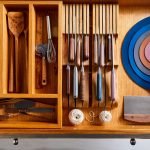
Are you tired of rummaging through cluttered drawers, searching for that one elusive tool? Imagine the frustration melting away as you open a drawer to find each tool perfectly in its place, ready to use.
This guide to using drawer dividers for small tools is crafted just for you. We will uncover how simple dividers can transform your workspace, saving you time and reducing stress. Curious about how to maximize every inch of your drawer space?
Dive in and discover how this simple yet powerful organization technique can bring order to your chaos and elevate your productivity. Keep reading to unlock the secrets to a more efficient and satisfying DIY experience.
Benefits Of Drawer Dividers
Drawer dividers help keep small tools neat and easy to find. They create separate spaces inside drawers to avoid clutter.
Using dividers makes your workspace more efficient. You spend less time searching and more time working.
Improved Organization
Drawer dividers sort small tools by type or size. This stops them from mixing together and creating a mess.
- Keep screwdrivers in one section
- Store pliers in another
- Separate nails and screws by size
- Prevent tools from sliding around
Space Optimization
Dividers use drawer space more wisely. They help fit more tools without overcrowding.
| Without Dividers | With Dividers |
|---|---|
| Tools piled up randomly | Tools arranged in neat sections |
| Wasted space between tools | Compact use of drawer space |
| Hard to store many items | More items fit comfortably |
Easy Access To Tools
Dividers let you quickly find what you need. No more digging through clutter or emptying the drawer.
- Label each section clearly
- Place often-used tools near the front
- Keep dividers low to see all items
Choosing The Right Dividers
Drawer dividers help keep small tools organized and easy to find. Choosing the right dividers makes your workspace neater.
Think about the materials, size, and types of dividers before buying. These factors affect how well your tools fit and stay in place.
Materials And Durability
Drawer dividers come in different materials like wood, plastic, and metal. Each material has its own strength and lifespan.
Wood dividers are strong and look nice. Plastic dividers are lightweight and easy to clean. Metal dividers last long but can be heavy.
- Wood: sturdy and stylish
- Plastic: lightweight and easy to clean
- Metal: very durable and heavy
Size And Adjustability
Choose dividers that fit your drawer size and tool collection. Adjustable dividers let you change compartments as needed.
Fixed dividers work well if your tools do not change often. Adjustable dividers give flexibility for different tool sizes.
- Fixed dividers: set sizes, no change
- Adjustable dividers: move to fit tools
- Measure your drawer before buying
Types Of Dividers
There are various types of dividers for small tools. Some fit inside drawers, while others sit on top of tools to separate them.
Common types include slotted dividers, expandable trays, and foam inserts. Each type works well for different needs.
- Slotted dividers: simple pieces that slot together
- Expandable trays: stretch to fit drawer width
- Foam inserts: cut to fit and hold tools tightly
Preparing Your Drawer
Using drawer dividers helps keep your small tools organized. Preparing your drawer well makes the process easier.
Start by getting your drawer ready. This step saves time and creates a neat space for your tools.
Emptying And Cleaning
Take everything out of the drawer. This lets you see what you have and clears space for dividers.
Clean the drawer thoroughly. Remove dust, dirt, and any sticky residue for a fresh start.
- Remove all items from the drawer
- Wipe the inside with a damp cloth
- Let it dry completely before adding dividers
Measuring Dimensions
Measure the drawer’s length, width, and depth. Accurate measurements help you buy or cut the right dividers.
Write down these numbers. They guide you in creating an organized layout that fits well.
- Use a tape measure for exact size
- Note down internal drawer dimensions
- Check for any irregular shapes or obstacles
Planning Layout
Think about how you want to arrange your tools. Group similar items together for easy access.
Sketch a simple layout on paper. This helps you decide where each divider should go.
- List the small tools you want to store
- Group tools by size or type
- Design sections that fit each group
- Leave space for frequently used tools

Credit: www.familyhandyman.com
Installing Drawer Dividers
Drawer dividers help keep small tools organized and easy to find. Installing them is simple and makes your workspace neater.
This guide explains how to install drawer dividers correctly for small tools.
Fixed Vs Adjustable Dividers
Fixed dividers have set slots and cannot move. They give a strong, stable layout.
Adjustable dividers can slide or be removed. They let you change the space to fit different tools.
- Fixed dividers: sturdy but less flexible
- Adjustable dividers: flexible but may shift
- Choose based on your tool sizes and needs
Tools Needed For Installation
Having the right tools makes installation easier and faster. Gather these before you start.
- Measuring tape or ruler
- Pencil for marking
- Screwdriver or drill (if screws are needed)
- Level to ensure straight placement
- Adhesive strips or mounting tape (optional)
Step-by-step Setup
Follow these steps to install drawer dividers neatly and securely.
- Measure your drawer’s length and width.
- Mark where each divider will go with a pencil.
- If fixed dividers need screws, drill pilot holes carefully.
- Attach dividers using screws or adhesive strips.
- Check that dividers are level and adjust if needed.
- Place your small tools in the divided sections.
Organizing Small Tools
Keeping small tools organized makes work easier and saves time. Drawer dividers help separate and store these tools neatly.
With a simple system, you can find what you need quickly. This guide shows ways to organize small tools using drawer dividers.
Grouping Similar Items
Group tools that have similar uses or shapes together. This reduces clutter and helps find items faster.
- Put screwdrivers in one section
- Group pliers and cutters separately
- Keep measuring tools together
- Store fasteners like nails and screws in small boxes inside dividers
Labeling Sections
Labels make it simple to remember where each tool belongs. Use clear, readable labels on each section of the drawer divider.
| Section | Label Example |
| Left divider | Screwdrivers |
| Middle divider | Pliers |
| Right divider | Measuring Tools |
| Small boxes | Nails & Screws |
Using Additional Organizers
Combine drawer dividers with other organizers to save more space. Use small containers and trays to keep tiny parts tidy.
Try these extra organizers inside your drawer:
- Plastic boxes for screws and bolts
- Magnetic strips to hold metal tools
- Foam inserts to protect delicate tools
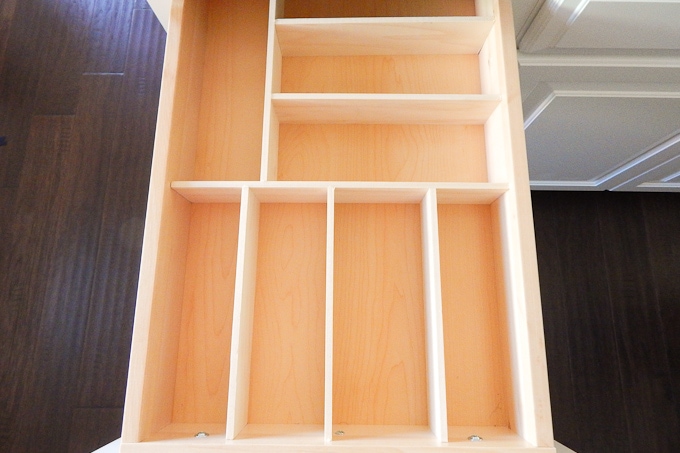
Credit: www.christeneholderhome.com
Maintenance Tips
Drawer dividers keep small tools organized and easy to find. Regular care helps them last longer and work better.
Follow simple maintenance steps to keep your drawer dividers in good shape. This also keeps your tools safe and neat.
Regular Cleaning
Clean your drawer dividers often to remove dust and dirt. Dirt can damage the dividers and tools over time.
Use a soft cloth or brush to clean hard-to-reach areas. Avoid using water if the dividers are made of wood.
- Remove all tools before cleaning
- Wipe surfaces with a dry or slightly damp cloth
- Use mild soap if needed, then dry immediately
- Clean corners and edges carefully
Rearranging For Efficiency
Change the layout of your dividers to fit your tool collection better. This saves time when looking for tools.
Group tools by type or size. Adjust dividers to make each space just the right size for your tools.
- Sort tools before rearranging
- Place frequently used tools in front
- Keep similar tools together
- Make spaces large enough for each tool
Replacing Worn Dividers
Check your dividers for cracks or damage. Worn dividers can break and cause your tools to get mixed up.
Replace damaged dividers to keep your drawer neat. Use dividers made from strong materials for longer life.
- Inspect dividers regularly for wear
- Remove broken dividers carefully
- Choose replacement dividers that fit your drawer
- Secure new dividers firmly in place
Creative Divider Alternatives
Drawer dividers help keep small tools organized and easy to find. You can use creative alternatives to standard dividers.
These alternatives can save money and use materials you already have. They also let you customize your storage space.
Diy Solutions
You can create dividers using simple DIY ideas. Cut cardboard or foam board to fit your drawer.
Use hot glue or tape to build walls that separate your tools. Paint or cover them for a neat look.
- Cut cardboard into strips or shapes
- Use foam board for sturdier dividers
- Glue or tape pieces to form compartments
- Decorate with paint or paper
Repurposed Materials
Use old items as drawer dividers. Repurposed materials are cheap and eco-friendly.
Try using things like ice cube trays, egg cartons, or cut plastic containers to separate tools.
- Ice cube trays hold small screws and nails
- Egg cartons keep tiny parts organized
- Plastic containers can be cut to fit drawer size
- Use fabric scraps or old cardboard for padding
Modular Systems
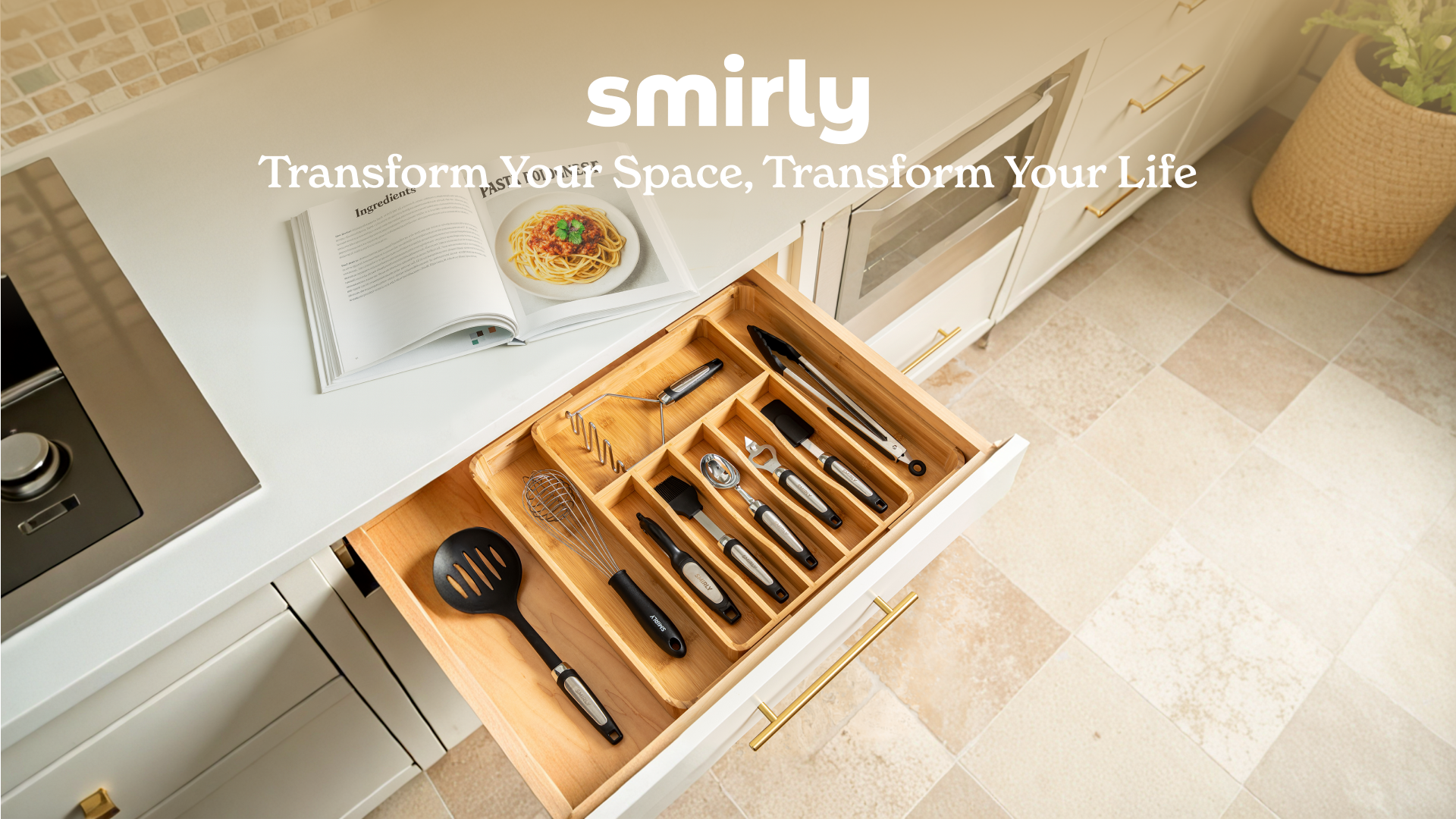
Modular systems use adjustable parts to fit your drawer perfectly. They let you change the layout anytime.
These systems often include removable dividers made from wood, plastic, or metal strips.
- Choose a modular kit with adjustable dividers
- Use wooden slats with slots for easy changes
- Plastic grids can fit different drawer sizes
- Metal strips with clips hold dividers firmly
Credit: www.amazon.com
Frequently Asked Questions
What Are The Benefits Of Using Drawer Dividers For Small Tools?
Drawer dividers organize small tools neatly, making them easy to find. They save time and reduce clutter. Dividers protect tools from damage by preventing movement. They maximize drawer space efficiently, improving workspace productivity.
How Do I Choose The Right Drawer Dividers For Tools?
Choose dividers based on drawer size and tool dimensions. Adjustable dividers offer flexibility for various tool sizes. Durable materials like wood or plastic ensure long-term use. Consider dividers that are easy to install and clean for convenience.
Can Drawer Dividers Prevent Tool Damage?
Yes, drawer dividers separate tools, preventing scratches and dents. They reduce tool movement during drawer opening and closing. This organization extends tool lifespan by minimizing wear and tear. Dividers also help maintain tool functionality and appearance.
Are Drawer Dividers Easy To Install In Small Tool Drawers?
Most drawer dividers are simple to install, requiring no tools. Adjustable models fit various drawer sizes effortlessly. Some dividers use adhesive or friction for secure placement. Installation typically takes minutes, making organization quick and hassle-free.
Conclusion
Using drawer dividers helps keep small tools neat and easy to find. It saves time and reduces frustration when working. Organizing tools this way protects them from damage. You can customize dividers to fit any drawer size. Simple steps make a big difference in your workspace.
Try different layouts until you find what works best. A tidy drawer means a more productive and calm day. Start small and enjoy the benefits of order.