Are you ready to tackle your next sanding or painting project? Before you dive in, let’s talk about something that often gets overlooked—your safety.
Dust masks might not be the most exciting tool in your kit, but they’re a vital shield for your lungs. Imagine breathing in harmful particles every time you sand or paint. Not ideal, right? This guide is your go-to resource for understanding how dust masks can protect you and improve your work environment.
You’ll learn how to choose the right mask, use it effectively, and ensure you’re getting the protection you need. Stick around, because by the end, you’ll be equipped with everything you need to keep yourself safe and breathe easy while you work.

Credit: parcilsafety.com
Choosing The Right Dust Mask
Using a dust mask protects your lungs from harmful dust and fumes. Picking the right mask is important for safety and comfort.
This guide explains different types of dust masks, filter ratings, and which masks suit various materials.
Types Of Dust Masks
Dust masks come in many forms. Each type offers different protection levels and comfort.
- Cloth Masks:Basic protection against large dust particles. Not for fine dust or fumes.
- Disposable Masks:Usually made of paper or synthetic fibers. Good for light dust and short use.
- Respirators:Provide high protection with filters. Used for fine dust and harmful chemicals.
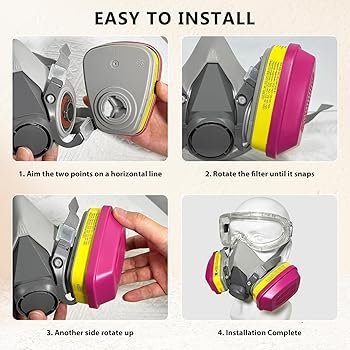
- Half-face Masks:Cover nose and mouth. Use replaceable cartridges for filtering.
- Full-face Masks:Protect face and eyes. Best for heavy work with hazardous materials.
Filter Ratings Explained
Filters have ratings that show how well they block dust and particles. Different countries use different systems.
| Rating | Protection Level | Use |
| N95 | Blocks 95% of particles | Common for sanding and painting |
| P100 | Blocks 99.97% of particles | Best for toxic dust and fumes |
| FFP2 | Blocks at least 94% of particles | Used in Europe for similar tasks |
| FFP3 | Blocks at least 99% of particles | High risk dust and chemicals |
Masks For Different Materials
Choose masks based on the materials you work with. Different dust types need different protection.
- Wood Dust:Use N95 or better. Wood dust can irritate lungs.
- Paint Fumes:Choose masks with organic vapor filters or respirators.
- Metal Dust:Use P100-rated masks or respirators to block fine particles.
- Plaster and Drywall Dust:N95 masks work well for light dust.
- Lead or Asbestos:Always use a full-face respirator with P100 filters.

Credit: www.amazon.ca
Proper Fit And Seal
Wearing a dust mask while sanding and painting protects your lungs from harmful dust and fumes. The mask must fit well to keep out particles.
A proper seal around your face stops air leaks. This guide explains how to check and adjust your mask for the best fit.
Checking For A Secure Fit
Put the mask on and tighten the straps. Make sure it covers your nose and mouth completely.
Check for gaps by breathing in and out. The mask should pull inward when you breathe in and not leak air.
- The mask should feel snug but not too tight.
- No air should escape around the edges.
- Make sure the mask does not slide down your face.
Adjusting Straps And Nose Clips
Use the straps to make the mask fit firmly. Tighten or loosen them until the mask feels secure.
Bend the nose clip to match the shape of your nose. This helps seal the mask and stops air leaks.
- Pull straps evenly on both sides for balance.
- Press the nose clip firmly to your nose bridge.
- Recheck the seal after every adjustment.
Common Fit Issues
Some masks do not fit all face shapes well. Watch for gaps near your cheeks and chin.
Facial hair can stop the mask from sealing properly. Consider trimming or shaving for better protection.
- Loose straps cause the mask to slip.
- Wrong size masks leave gaps.
- Damaged nose clips reduce the seal.
- Facial hair creates air leaks.
When To Wear A Dust Mask
Wearing a dust mask protects your lungs from harmful dust and fumes. It helps keep you safe during many home and work projects.
Knowing when to wear a dust mask is important. This guide explains the main situations for using one.
Sanding Situations
Sanding creates fine dust that can harm your lungs. Use a dust mask anytime you sand wood, drywall, or metal.
Even small sanding jobs can release dust particles into the air. Wearing a mask reduces breathing in these particles.
- Sanding walls before painting
- Sanding furniture or woodwork
- Sanding old paint or varnish
- Using power sanders or hand sanding
Painting Tasks
Paint fumes can irritate your eyes and lungs. Wear a dust mask when spraying paint or working in poorly ventilated rooms.
Even brushing or rolling paint can release tiny particles. A dust mask helps limit breathing in these particles.
- Spray painting indoors or outdoors
- Painting in small, enclosed spaces
- Using paint with strong fumes
- Handling powdered paint or pigments
Working With Hazardous Materials
Some materials release harmful dust or chemicals. Always wear a dust mask when handling these to avoid health risks.
Examples include working with mold, asbestos, or lead paint. A proper mask protects against dangerous particles and fumes.
- Removing old lead-based paint
- Handling insulation or asbestos
- Cleaning moldy or dusty areas
- Using chemicals or solvents

Credit: www.amazon.ca
Maintaining And Replacing Masks
Dust masks protect your lungs while sanding and painting. Keeping them clean and knowing when to replace them is important. This guide helps you maintain your masks properly.
Using masks in good condition ensures better safety. Learn how to clean reusable masks and spot signs of wear. Also, find out how often to replace your masks.
Cleaning Reusable Masks
Reusable masks need regular cleaning to work well. Dirt and dust can clog the filter and reduce protection. Clean your mask after each use.
Remove the filter before washing. Use warm water and mild soap to clean the mask body. Let it dry completely before putting the filter back.
- Do not soak the filters in water
- Do not use harsh chemicals
- Check the mask for damage during cleaning
- Store the mask in a clean, dry place
Recognizing Mask Wear And Tear
Look for cracks, tears, or stretched straps on your mask. These signs mean the mask may not fit well or protect you properly. Check the mask before each use.
If the mask feels loose or damaged, stop using it. Worn-out masks can let dust and paint fumes reach your lungs. Replace the mask if you see any damage.
- Cracked or torn mask body
- Worn or broken straps
- Loose fit on your face
- Clogged or damaged filters
Replacement Frequency
Replace disposable masks after one use or if they get dirty. Reusable masks need new filters regularly. Follow the mask maker’s instructions for how often to replace filters.
If you use the mask daily, change filters every week or sooner. Replace the whole mask if it shows wear or after long use. A fresh mask works best for your safety.
- Disposable masks: replace after one use
- Reusable mask filters: replace weekly or as recommended
- Replace mask body when damaged or worn out
- Keep track of use to know when to replace
Additional Safety Gear
Using a dust mask is important for sanding and painting. You also need other safety gear to protect yourself fully.
This gear helps keep your eyes, skin, and lungs safe from harmful dust and chemicals.
Eye Protection
Wear safety goggles to protect your eyes from dust and paint splashes. Regular glasses do not offer enough protection.
Look for goggles that fit well and seal around your eyes. This stops particles from getting in.
- Choose goggles with anti-fog coating
- Use impact-resistant lenses
- Clean goggles after each use
Ventilation Tips
Good airflow reduces harmful dust and paint fumes. Always work in a well-ventilated area.
Open windows and doors to let fresh air in. Use fans to move air away from your work area.
- Work outside if possible
- Use exhaust fans to remove fumes
- Take breaks outside to breathe fresh air
Gloves And Protective Clothing
Wear gloves to keep your hands safe from chemicals and rough surfaces. Choose gloves that fit well and are durable.
Protective clothing covers your skin from dust and paint. Long sleeves and pants are best for full coverage.
- Use nitrile or latex gloves for painting
- Wear clothes you don’t mind getting dirty
- Consider disposable coveralls for heavy work
Common Mistakes To Avoid
Using dust masks during sanding and painting keeps you safe from harmful dust and fumes. Many people make simple mistakes that reduce mask effectiveness.
Avoid these common errors to protect your health better while working.
Wearing Masks Incorrectly
Wearing a dust mask the wrong way lets harmful particles enter your lungs. A mask must cover your nose and mouth fully.
Leaving gaps or wearing the mask under your nose reduces protection.
- Ensure the mask fits snugly around your nose and chin
- Avoid touching the mask while working to keep the seal tight
- Replace masks that become loose or damaged
Ignoring Mask Maintenance
Using dirty or old masks can cause breathing issues and reduce filtering power. Some masks are reusable but need cleaning.
Throw away disposable masks after one use, especially if they are wet or dirty.
- Check your mask for damage before each use
- Clean reusable masks as per the instructions
- Store masks in a dry, clean place
Using The Wrong Mask Type
Not all dust masks block the same particles. Some masks only stop dust, while others filter paint fumes and chemicals.
Using the wrong mask can expose you to harmful substances.
- Choose an N95 mask for sanding dust
- Use a respirator with chemical cartridges for painting
- Read mask labels to know what they protect against
Frequently Asked Questions
What Type Of Dust Mask Is Best For Sanding?
For sanding, use an N95 respirator mask. It filters 95% of airborne particles. This mask protects lungs from fine dust and debris. Avoid simple cloth masks as they offer minimal protection.
Can Dust Masks Protect Against Paint Fumes?
Standard dust masks do not filter paint fumes. Use a respirator with organic vapor cartridges for painting. This ensures protection from harmful chemicals and odors. Proper ventilation is also essential when painting indoors.
How Often Should I Replace My Dust Mask?
Replace dust masks after heavy use or when breathing feels difficult. For sanding, change masks after each project or if damaged. Disposable masks are not reusable and must be discarded promptly.
Is It Necessary To Wear A Dust Mask Indoors?
Yes, wearing a dust mask indoors during sanding or painting prevents inhaling harmful particles. Dust and fumes can accumulate quickly in enclosed spaces. Masks reduce health risks and improve air quality.
Conclusion
Using dust masks helps protect your lungs during sanding and painting. Choose a mask that fits well and feels comfortable. Always replace masks after heavy use or damage. Clean your work area often to reduce dust and fumes. Protecting yourself keeps your work safe and healthy.
Remember, safety first for every project. Stay safe and enjoy your painting and sanding tasks!