Are you tired of the constant roar of power tools ringing in your ears? It’s not just annoying; it’s a risk to your hearing health.
Whether you’re a seasoned professional or a DIY enthusiast, using ear muffs can be your best defense against noise-induced hearing loss. In this guide, you’ll discover how ear muffs can protect your ears, improve your focus, and even boost your productivity.
Imagine working in a quieter, more comfortable environment where you can concentrate on your tasks without the distraction of loud noises. Ready to give your ears a break and elevate your work experience? Read on to find out how ear muffs can be a game-changer for you!

Credit: cpdonline.co.uk
Why Ear Protection Matters
Loud power tools can damage your hearing over time. Using ear muffs helps protect your ears from harmful noise.
Wearing ear protection reduces the risk of hearing loss and makes working with loud tools safer and more comfortable.
Noise Levels Of Power Tools
Different power tools produce different noise levels. Some can be louder than a car horn or a lawn mower.
- Drills: 90 to 100 decibels (dB)
- Saws: 95 to 110 dB
- Sanders: 85 to 95 dB
- Jackhammers: 100 to 130 dB
Health Risks From Loud Noise
Exposure to loud noise can cause permanent damage to your ears. It can lead to hearing loss and ringing in the ears.
| Health Risk | Description | Symptoms |
| Noise-Induced Hearing Loss | Damage to inner ear cells | Trouble hearing, muffled sounds |
| Tinnitus | Constant ringing or buzzing | Ringing in ears, difficulty focusing |
| Stress and Fatigue | Increased stress from loud noise | Headaches, tiredness |
Credit: www.decibeldefense.com
Choosing The Right Ear Muffs
Using ear muffs protects your ears from loud power tools. Picking the right ones keeps you safe and comfortable.
Different ear muffs fit different needs. Learn about types, noise ratings, and comfort before buying.
Types Of Ear Muffs
There are several kinds of ear muffs. Each type offers different protection and features.
- Passive Ear Muffs: Block noise using foam or plastic cups.
- Electronic Ear Muffs: Use technology to reduce loud sounds but let quiet sounds in.
- Bluetooth Ear Muffs: Connect to devices for music or calls while protecting ears.
Noise Reduction Ratings
Noise Reduction Rating (NRR) shows how much sound ear muffs block. Higher numbers mean better protection.
Choose ear muffs with an NRR that matches your tool’s noise level. For loud tools, pick at least 25 dB NRR.
- 20-25 dB: Moderate noise like lawn mowers
- 25-30 dB: Loud noise like power tools
- 30+ dB: Very loud noise like heavy machinery
Comfort And Fit
Comfort is key for long use. Ear muffs should fit snugly but not too tight.
Look for soft ear cushions and adjustable headbands. Lightweight models reduce pressure on your head.
- Soft foam or gel cushions help seal sound and feel good.
- Adjustable bands fit different head sizes.
- Lightweight design prevents fatigue.
Proper Use Of Ear Muffs
Ear muffs protect your ears from loud noises caused by power tools. Using them correctly helps prevent hearing loss. It is important to wear ear muffs every time you use loud tools.
Proper use includes wearing ear muffs the right way, keeping a good seal, and adjusting them to fit your head. These steps improve comfort and protection.
How To Wear Ear Muffs Correctly
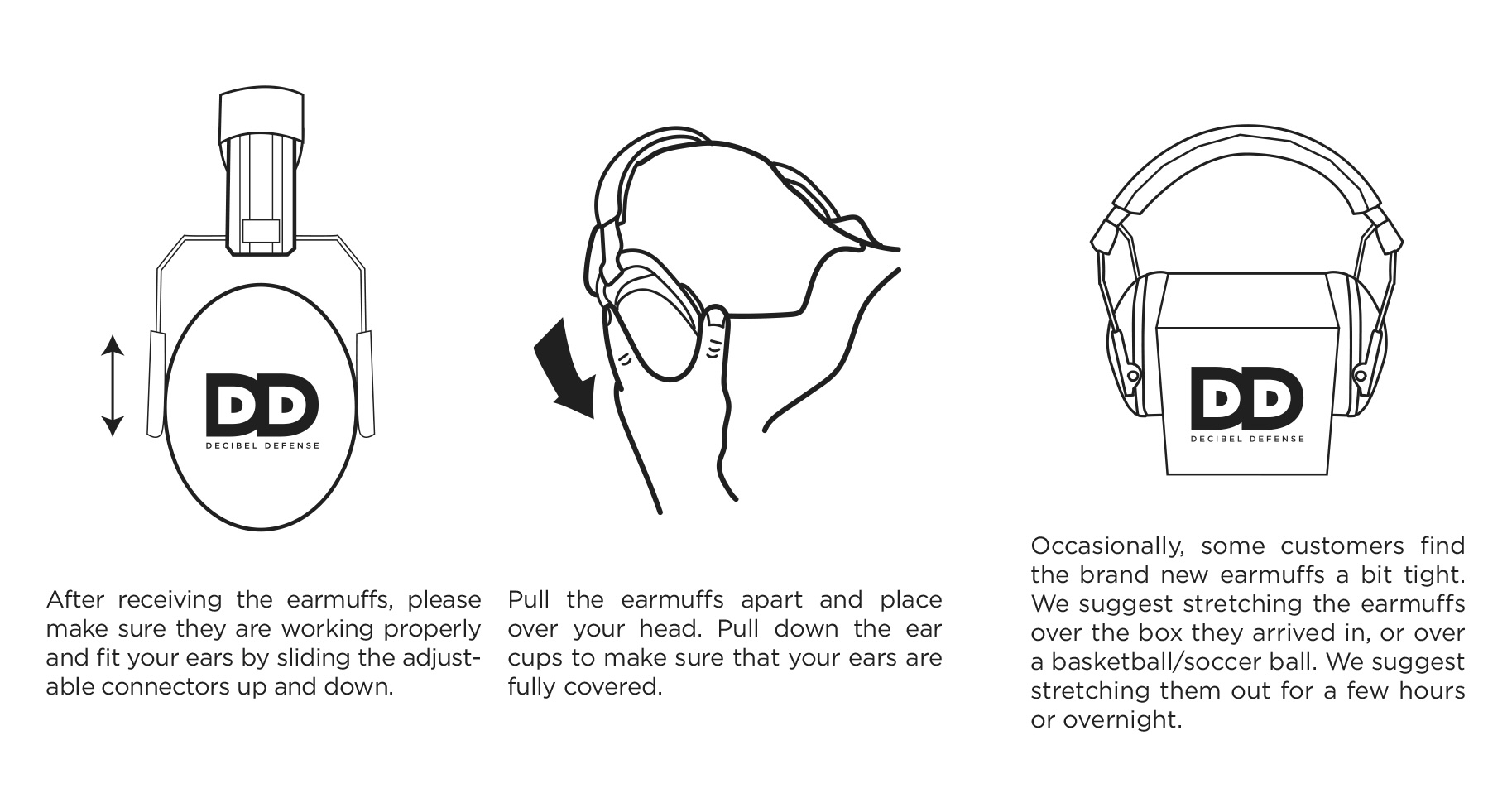
Place the ear cups over your ears so they cover them fully. The headband should sit on top of your head without pressing too hard. Make sure hair or glasses do not block the ear cups.
Wear the ear muffs before you turn on the power tools. Adjust the position if you feel any noise leaking through. Using ear muffs correctly helps block loud sounds better.
Maintaining A Good Seal
A good seal keeps noise out and protects your ears. Check that the ear cushions touch your skin evenly around your ears. Avoid gaps between your head and the ear cups.
- Remove hats or headbands before wearing ear muffs
- Keep ear cushions clean and soft
- Replace damaged cushions to maintain the seal
If the seal breaks, loud sounds can reach your ears. Make sure the ear muffs fit tightly but are still comfortable to wear.
Adjusting For Different Head Sizes
Ear muffs usually have an adjustable headband. Slide the arms of the headband to fit your head size. The ear cups should cover your ears without pressing too hard.
- Extend the headband for larger heads
- Shorten the headband for smaller heads
- Test the fit by moving your head side to side
Adjust the ear muffs each time you use them if needed. Proper fit improves noise protection and comfort during work.
Combining Ear Muffs With Other Safety Gear
Using ear muffs protects your hearing from loud power tools. It is important to combine them with other safety gear. This helps keep you safe from multiple risks.
Choosing the right combination improves comfort and protection. Below are tips on using ear muffs with safety glasses and headgear.
Using Ear Muffs With Safety Glasses
Wearing safety glasses with ear muffs is common on job sites. Both protect different parts of your body. You need to make sure they fit well together.
- Check that ear muffs do not push glasses too hard against your face.
- Choose safety glasses with thin temples for better ear muff fit.
- Adjust ear muffs to sit comfortably over the glasses.
- Try both on before starting work to ensure no gaps or pressure points.
- Clear or tinted glasses can be used depending on lighting conditions.
Headgear Compatibility
Ear muffs must work well with helmets or hats you wear for safety. Some headgear can make wearing ear muffs difficult. Follow these guidelines to stay safe and comfortable.
| Type of Headgear | Ear Muff Compatibility |
| Hard Hats | Use ear muffs designed to attach directly to hard hats. |
| Baseball Caps | Ear muffs fit over caps but may reduce seal effectiveness. |
| Beanies or Knit Hats | Thin hats work best; thick hats can break the seal. |
| Face Shields | Choose slim-profile ear muffs to avoid interference. |
Caring For Your Ear Muffs
Ear muffs protect your ears from loud noises when using power tools. Taking care of them keeps them working well.
Good care helps your ear muffs last longer and stay comfortable to wear.
Cleaning Tips
Clean your ear muffs regularly to remove dirt and sweat. Use a soft cloth with mild soap and water.
Do not soak ear muffs in water or use strong chemicals. Let them dry naturally away from direct heat.
- Wipe the ear cushions gently
- Clean the headband and outer parts
- Dry completely before storing
Storage Recommendations
Store ear muffs in a cool, dry place to keep them safe. Avoid places with direct sunlight or high heat.
Keep ear muffs in a case or on a hook to prevent damage. Avoid placing heavy items on top of them.
- Use a storage box or pouch
- Keep away from sharp objects
- Store in a clean area
When To Replace Ear Muffs
Replace ear muffs if they do not fit well or feel uncomfortable. Old cushions may lose their softness and seal.
Check for cracks or broken parts. If the sound protection seems weaker, it is time to get new ear muffs.
- Cushions cracked or hardened
- Headband loses tension
- Visible damage on ear cups
- Reduced noise blocking

Credit: www.hippocketworkwear.com.au
Additional Safety Tips For Using Power Tools
Using ear muffs helps protect your hearing from loud power tools. Safety goes beyond ear protection. Follow extra tips to stay safe while working.
These tips help reduce accidents and improve your work quality. Always keep safety in mind when using power tools.
Taking Regular Breaks
Working without breaks can cause fatigue. Fatigue increases the risk of mistakes and accidents.
Take short breaks every hour to rest your hands and ears. This helps you stay alert and focused.
- Stop work for 5 to 10 minutes each hour
- Use breaks to remove ear muffs and relax your ears
- Stretch your hands, arms, and back during breaks
Working In Safe Environments
Choose a clean, dry, and well-lit place to use power tools. A safe workspace helps prevent slips and falls.
Keep the area free from clutter and hazards. Proper ventilation reduces dust and fumes around you.
- Clear floors of cords and debris
- Use power tools on stable surfaces
- Wear safety glasses and gloves
- Ensure good lighting to see your work clearly
Frequently Asked Questions
What Are The Benefits Of Using Ear Muffs With Power Tools?
Ear muffs protect your ears from loud noise damage caused by power tools. They reduce sound levels, preventing hearing loss and discomfort. Using ear muffs also improves focus and safety by minimizing noise distractions during work.
How Do I Choose The Right Ear Muffs For Power Tools?
Choose ear muffs with a noise reduction rating (NRR) suitable for loud power tools, typically 25-30 dB. Look for comfortable padding, adjustable headbands, and durable construction to ensure effective protection and long-lasting use.
Can Ear Muffs Prevent Long-term Hearing Damage?
Yes, ear muffs significantly reduce noise exposure from power tools, lowering the risk of hearing loss. Consistent use during noisy tasks helps protect your ears from irreversible damage caused by prolonged loud sounds.
How Should Ear Muffs Fit For Maximum Protection?
Ear muffs should fully cover your ears without gaps. Adjust the headband so they fit snugly but comfortably. Proper sealing around the ears ensures maximum noise reduction and effective hearing protection.
Conclusion
Using ear muffs helps protect your ears from loud power tools. They reduce noise and keep your hearing safe. Choose ear muffs that fit well and feel comfortable. Wear them every time you use noisy tools. This small step keeps your ears healthy for years.
Don’t ignore loud sounds—they can cause damage over time. Protect yourself by wearing ear muffs today. Stay safe, work smart, and enjoy your projects without pain.