
Are you tired of the ringing in your ears after using power tools? Protecting your hearing is easier than you think.
Using ear muffs when working with noisy power tools can save your ears from permanent damage and make your work more comfortable. In this guide, you’ll discover simple tips to choose the right ear muffs and use them correctly. Keep reading to learn how to protect your hearing and enjoy your projects without the noise stress.
Credit: www.popularmechanics.com
Choosing The Right Ear Muffs
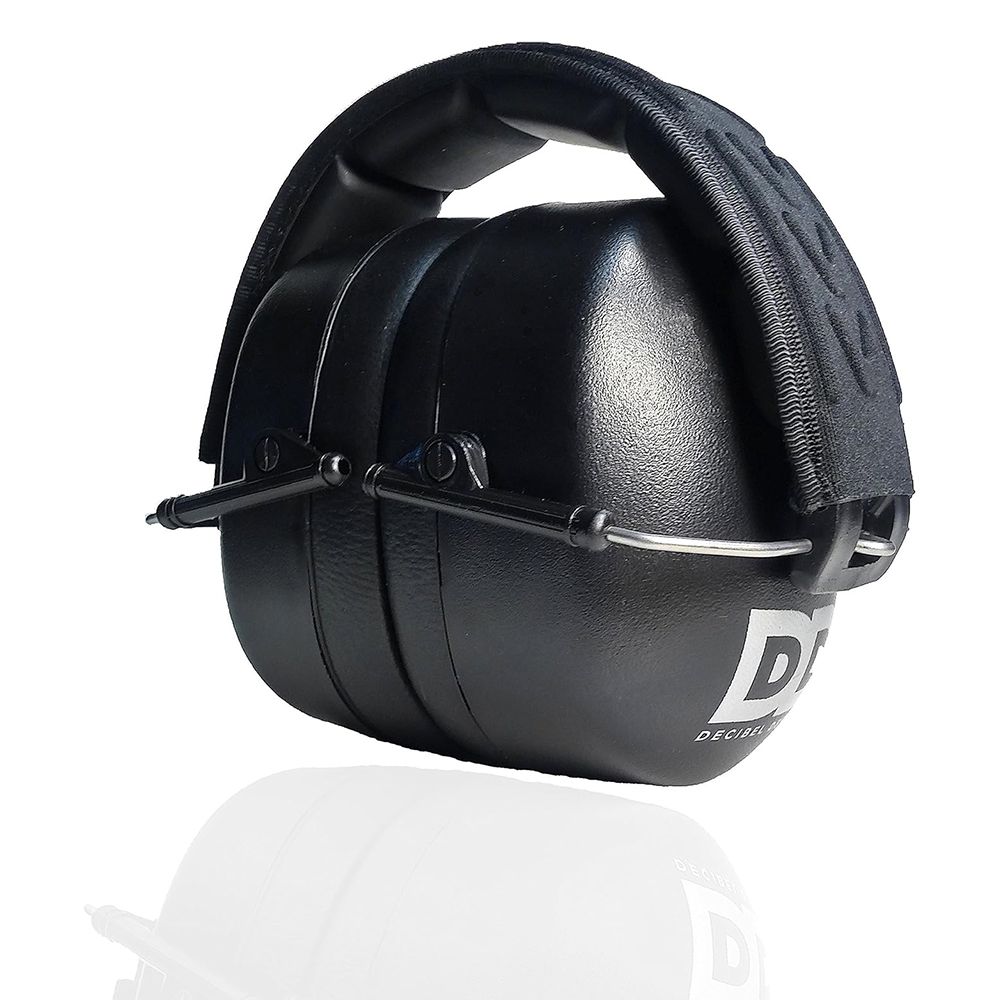
Using ear muffs protects your ears from loud noises made by power tools. Picking the right ear muffs helps keep your hearing safe and comfortable.
Different ear muffs fit different needs. Look at types, noise reduction, and comfort before buying.
Types Of Ear Muffs
There are several types of ear muffs. Some are basic and block noise. Others have extra features for better use.
- Standard ear muffs block noise using thick padding.
- Electronic ear muffs reduce loud sounds but let soft sounds through.
- Bluetooth ear muffs allow you to listen to music or calls.
- Heavy-duty ear muffs are made for very loud environments.
Noise Reduction Ratings
The Noise Reduction Rating (NRR) shows how much noise ear muffs block. Higher NRR means more protection.
Look for an NRR suitable for your power tools. Most tools need ear muffs with NRR between 20 and 30 decibels.
| Noise Level (dB) | Recommended NRR |
|---|---|
| Below 85 | 15-20 |
| 85 to 100 | 20-25 |
| Above 100 | 25-30+ |
Comfort And Fit
Comfort helps you wear ear muffs for long times. Fit stops noise from leaking in.
- Look for soft, thick cushions around the ears.
- Adjustable headbands help fit different head sizes.
- Lightweight ear muffs reduce pressure on your head.
- Try ear muffs on to check comfort before buying.
Proper Wearing Techniques
Using ear muffs correctly helps protect your hearing from loud power tools. Wearing them properly blocks harmful noise.
Follow simple steps to make sure ear muffs fit well and work as they should.
Positioning For Maximum Protection
Place the ear cups fully over your ears. Cover your entire ear to block noise effectively.
Make sure the cups sit flat against your head. Avoid tilting or lifting them off your ears.
- Center ear cups over your ears
- Keep headband on top of your head
- Avoid hair or objects between cups and ears
- Remove glasses if they cause gaps
Adjusting Headbands And Cushions
Adjust the headband to fit snugly but not too tight. It should hold the ear cups firmly against your head.
Check the cushions for comfort. Soft cushions create a good seal and reduce pressure on your ears.
- Slide headband to fit head size
- Replace worn cushions for better sealing
- Check for even pressure on both ears
- Loosen or tighten as needed for comfort
Checking For Gaps
Look for gaps where noise can enter. Even small openings reduce ear muff effectiveness.
Use your hands to feel around the edges of the ear cups. Make sure no space lets sound through.
- Check around ears and under cups
- Adjust cushions to fill any gaps
- Remove glasses or hats that cause gaps
- Test fit before starting noisy work
Maintenance And Care
Keeping ear muffs clean and in good condition helps them last longer.
Proper care also ensures they protect your ears well from loud noises.
Cleaning Ear Muffs
Clean your ear muffs after each use to remove sweat and dirt.
- Use a soft cloth with mild soap and water.
- Wipe the ear cushions gently to avoid damage.
- Do not soak the ear muffs in water.
- Dry them fully before storing.
- Clean the headband and outer parts too.
Replacing Parts
Replace worn or damaged parts to keep your ear muffs effective.
| Part | When to Replace |
| Ear cushions | Cracked, torn, or hard |
| Headband | Loose or broken |
| Seals | Worn out or missing |
| Foam inserts | Flattened or damaged |
Storage Tips
Store ear muffs in a clean, dry place to protect them from damage.
- Keep ear muffs away from direct sunlight.
- Do not place heavy objects on top of them.
- Avoid storing them in very hot or cold areas.
- Use a protective case or bag if possible.
Safety Tips With Power Tools
Using ear muffs protects your ears from loud sounds made by power tools. Loud noise can cause hearing loss over time.
It is important to use ear muffs correctly and follow safety tips to stay safe while working with power tools.
Combining Ear Muffs With Other Ppe
Ear muffs work best when used with other personal protective equipment (PPE). This keeps you safe from many hazards.
Wear safety glasses, gloves, and dust masks along with ear muffs for full protection.
- Safety glasses protect your eyes from flying debris
- Gloves protect your hands from cuts and vibrations
- Dust masks protect your lungs from harmful dust
Recognizing Noise Hazards
Some power tools make louder noise than others. Know which tools are noisy before you start.
Noise above 85 decibels can harm your hearing. Use ear muffs every time you work near loud tools.
- Drills, saws, and grinders often make loud noise
- Check the tool’s noise level in the manual
- Use ear muffs even if noise feels bearable
Limiting Exposure Time
Limit how long you use power tools to protect your ears. Longer exposure means more risk of damage.
Take breaks often and give your ears time to rest. Use ear muffs the whole time you work.
- Work in short sessions to reduce noise exposure
- Step away from noisy areas during breaks
- Replace ear muffs if they become damaged
Common Mistakes To Avoid
Using ear muffs with noisy power tools protects your hearing. Many people make mistakes that reduce this protection.
Learn what to avoid to keep your ears safe and comfortable during work.
Ignoring Ear Muffs
Some workers skip wearing ear muffs because they think noise is not harmful. This can cause permanent hearing loss.
Always wear ear muffs around loud power tools. Do not wait until your ears feel pain or ringing.
Using Damaged Equipment
Damaged ear muffs do not block noise well. Cracked cushions or broken parts lower protection.
Check ear muffs before use. Replace damaged parts or the whole unit to keep your ears safe.
- Look for cracks or tears on cushions
- Check the headband for cracks or loss of tension
- Ensure all parts fit securely and move smoothly
Improper Fit Issues
Ear muffs must fit snugly around your ears. Loose or tight fits let noise in or cause discomfort.
Adjust the headband and position the cushions fully over your ears. Test for sound reduction before starting work.
- Make sure cushions seal around your ears
- Do not wear glasses that break the seal
- Adjust headband for firm but comfortable pressure

Credit: cpdonline.co.uk

Credit: www.popularmechanics.com
Frequently Asked Questions
What Are Ear Muffs Used For?
Ear muffs are designed to protect your hearing from loud noises. They are especially useful when operating noisy power tools. By reducing noise exposure, they help prevent potential hearing damage. Ear muffs are essential for maintaining auditory health during DIY or professional projects involving high-decibel equipment.
How Do Ear Muffs Protect Hearing?
Ear muffs protect hearing by creating a seal around the ears, blocking out noise. They are lined with sound-absorbing material, which reduces the noise reaching your eardrums. This protection is crucial when using power tools, as prolonged exposure to loud sounds can lead to hearing loss.
Can Ear Muffs Be Used With Other Ppe?
Yes, ear muffs can be combined with other personal protective equipment (PPE). They are often worn with safety glasses and hard hats. Ensure a proper fit to maintain effectiveness. Combining PPE ensures comprehensive protection when working with power tools, safeguarding both hearing and overall safety.
How Do I Choose The Right Ear Muffs?
To choose the right ear muffs, consider noise reduction rating (NRR), comfort, and adjustability. A higher NRR means better noise reduction. Comfortable ear muffs encourage prolonged use, which is essential for protection. Adjustable features ensure a snug fit, optimizing both comfort and effectiveness during use.
Conclusion
Protecting your ears during noisy work is very important. Ear muffs reduce loud sounds and keep hearing safe. Choose the right size and fit for comfort. Wear them every time you use power tools. Small steps like this help prevent hearing damage.
Stay safe and enjoy your work without noise worries. Keep your ears happy and healthy for years. Simple, effective, and smart protection—easy to do every day.