Imagine the relentless noise of power drills, jackhammers, or even a bustling workshop. It’s not just distracting; it’s a potential threat to your hearing.
If you’re someone who frequently works with noisy tools, you know how crucial it is to protect your ears. The right ear plugs can be your best defense, but using them effectively is key. This guide is crafted just for you, to help ensure you’re getting the maximum protection and comfort from your ear plugs.
By the end of this article, you’ll be equipped with practical tips that can make a real difference in your daily life. So, if you value your hearing and want to enjoy both your work and leisure without the constant ringing in your ears, read on. Your ears will thank you.
Types Of Ear Plugs
Ear plugs help protect your ears from loud noises. Using the right type is important for comfort and safety.
There are different kinds of ear plugs. Each type fits different needs and situations.
Foam Ear Plugs
Foam ear plugs are soft and inexpensive. They expand to fit the shape of your ear canal.
They work well for short-term use with noisy tools. Foam ear plugs block a lot of sound but may feel warm.
- Made from soft foam material
- Disposable and easy to use
- Good noise reduction
- Can be uncomfortable if worn too long
Silicone Ear Plugs
Silicone ear plugs are flexible and reusable. They do not expand inside the ear like foam plugs.
Silicone plugs are easy to clean and last longer. They are good for people who want a softer fit.
- Made from soft silicone material
- Reusable and washable
- Comfortable for longer wear
- Less noise blocking than foam
Custom Molded Ear Plugs
Custom molded ear plugs are made to fit your ears exactly. A specialist takes a mold of your ear canal.
These plugs offer the best comfort and noise protection. They are more expensive but last a long time.
- Made from a mold of your ear
- Perfect fit and comfort
- High noise reduction
- Reusable and durable
- Usually cost more than other types

Credit: www.hearingaidsbytricialeagjeld.com
Choosing The Right Ear Plugs
Using ear plugs helps protect your hearing from loud tools. Picking the right ear plugs makes a big difference. This guide explains what to look for.
Consider noise reduction, comfort, and how long the ear plugs last. These factors keep your ears safe and comfortable.
Noise Reduction Ratings
Noise Reduction Rating (NRR) shows how much sound an ear plug blocks. A higher NRR means better protection from loud noises.
| NRR Level | Noise Reduction | Best Use |
| 15-20 dB | Low | Light noise or short tasks |
| 21-30 dB | Moderate | Most power tools and machinery |
| 31+ dB | High | Very loud environments or long use |
Comfort And Fit
Comfort is important to wear ear plugs for long hours. A good fit blocks noise without hurting your ears.
- Choose soft materials like foam or silicone
- Try different sizes to match your ear canal
- Check if they stay in place during movement
- Look for ear plugs with smooth surfaces
Durability And Reusability
Some ear plugs are disposable, and others you can use many times. Durable ear plugs save money and reduce waste.
Reusable ear plugs need cleaning after use. Check the product details for care instructions. Choose ear plugs that hold up well over time.
Proper Insertion Techniques
Using ear plugs correctly helps protect your hearing from loud tools. Proper insertion blocks noise better and keeps you safe.
Follow simple steps to insert ear plugs the right way. This guide shows how to prepare, insert, and check the fit.
Preparing Your Ear Plugs
Start with clean hands to avoid dirt in your ears. Check the ear plugs for damage or dirt before use.
Choose the right type of ear plugs for your ears. Soft foam plugs work well for most people.
Step-by-step Insertion
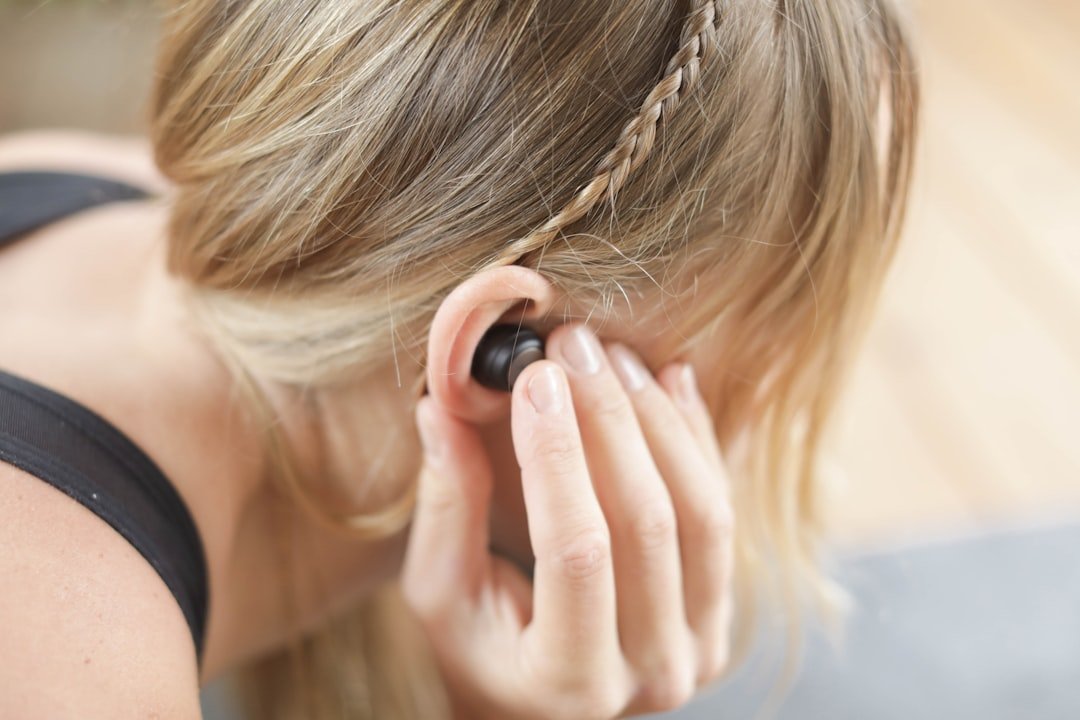
Roll the ear plug into a small, thin cylinder using your fingers. This makes it easier to insert.
Reach over your head with the opposite hand and gently pull your ear upward and outward. This straightens your ear canal.
- Roll ear plug into a tight, thin shape
- Pull ear up and out with opposite hand
- Insert the rolled plug deep into the ear canal
- Hold the plug in place for a few seconds to expand
Checking The Fit
After inserting, the ear plugs should feel snug but not painful. They block most noise but do not hurt your ear.
Test the fit by covering your ears with your hands. Sound should be much quieter with the plugs in place.
- Ear plugs stay in place without falling out
- No pain or discomfort in the ear canal
- Noise is significantly reduced

Credit: cpdonline.co.uk
Maintaining Ear Plugs
Keeping your ear plugs clean and well cared for helps them work better. Good care stops dirt and germs from building up.
Proper maintenance makes ear plugs last longer and protects your ears from damage.
Cleaning Methods
Clean ear plugs after each use to remove dirt and sweat. Use gentle cleaning to avoid damage.
Soft foam plugs can be washed with mild soap and warm water. Rinse well and air dry completely before using again.
- Use mild soap and warm water
- Rinse thoroughly to remove all soap
- Air dry on a clean surface
- Do not use harsh chemicals or alcohol
Storage Tips
Store ear plugs in a clean, dry place to keep them safe. Avoid storing them in hot or damp areas.
Use a small container or case to protect plugs from dirt and damage. Keep them away from sharp objects.
- Keep ear plugs in a sealed case
- Store in a cool, dry place
- Avoid exposure to heat and moisture
- Do not mix with other tools or items
When To Replace
Replace ear plugs if they become hard, dirty, or lose their shape. Old plugs do not protect your ears well.
Check plugs regularly and change them after heavy use or if they feel uncomfortable.
- Replace foam plugs after several uses
- Change plugs if they are cracked or torn
- Do not use plugs that smell bad or look dirty
- Follow manufacturer advice for replacement time
Common Mistakes To Avoid
Using ear plugs correctly is important when working with noisy tools. Many people make simple mistakes that reduce protection.
This guide points out common errors to help you use ear plugs safely and effectively.
Improper Fit
Ear plugs must fit well to block noise properly. Too loose or too tight plugs do not protect your ears enough.
Choosing the right size and inserting them correctly is very important for a good fit.
- Use the correct size for your ear canal
- Roll foam plugs to a small size before inserting
- Insert plugs deep enough to seal the ear canal
- Avoid pushing plugs in too hard or leaving them too loose
Using Damaged Plugs
Old or damaged ear plugs lose their ability to block noise. Cracks, tears, or dirt reduce protection.
Always check plugs before use and replace them if they show signs of damage or wear.
- Inspect plugs for cracks or tears
- Throw away dirty or hardened plugs
- Use clean plugs every time you work
- Follow manufacturer guidelines for replacement
Ignoring Ear Health
Ignoring ear health can lead to infections or discomfort. Dirty plugs or wearing them too long cause problems.
Keep your ears and plugs clean. Take breaks to let your ears rest from plugs.
- Clean reusable plugs regularly
- Wash your hands before inserting plugs
- Do not wear plugs for longer than needed
- See a doctor if you feel pain or irritation

Credit: cpdonline.co.uk
Additional Safety Tips
Using ear plugs is important for protecting your hearing from loud tools. There are other ways to stay safe too. These tips help you avoid hearing damage and work safely.
Read on to learn about combining ear plugs with other safety gear, taking breaks, and checking your hearing health.
Combining Ear Plugs With Other Ppe
Ear plugs protect your ears, but other gear protects the rest of your body. Using several types of PPE helps keep you safe.
- Wear safety glasses to protect your eyes from debris.
- Use gloves to guard your hands from cuts and vibrations.
- Put on a dust mask if there is dust or particles in the air.
- Wear a hard hat if there is risk of falling objects.
- Choose PPE that fits well and is comfortable to wear together with ear plugs.
Taking Breaks From Noise Exposure
Long exposure to loud noise can harm your hearing even if you wear ear plugs. Taking breaks reduces this risk.
- Plan short breaks every hour to leave noisy areas.
- Find a quiet place during breaks to rest your ears.
- Limit the total time spent using loud tools each day.
- Use quieter tools when possible to reduce noise levels.
Monitoring Hearing Health
Check your hearing regularly to catch any problems early. This helps you protect your ears better.
| Action | Frequency |
|---|---|
| Self-check for ringing or muffled sounds | Weekly |
| Professional hearing test | Every year |
| Replace ear plugs if damaged or dirty | As needed |
| Report hearing issues to a doctor | Immediately |
Frequently Asked Questions
How Do Ear Plugs Protect Ears From Noisy Tools?
Ear plugs reduce noise by blocking sound waves from entering the ear canal. They lower noise levels, preventing hearing damage during tool use. Proper insertion ensures maximum protection and comfort.
Which Ear Plugs Are Best For Power Tool Noise?
Foam ear plugs and reusable silicone plugs are ideal for power tools. They offer high noise reduction ratings and fit snugly. Choose plugs with a noise reduction rating (NRR) of 25 or higher for effective protection.
How To Properly Insert Ear Plugs For Noisy Tools?
Roll foam plugs into a thin cylinder, pull the ear up, and insert deeply. Hold for a few seconds until they expand and seal the ear canal. Proper insertion ensures maximum noise blocking and comfort.
Can Ear Plugs Be Reused When Working With Noisy Tools?
Reusable silicone or rubber ear plugs can be cleaned and reused multiple times. Foam plugs are generally disposable after one use. Always clean reusable plugs regularly to maintain hygiene and effectiveness.
Conclusion
Using ear plugs protects your ears from loud tool noise. Choose the right type for comfort and safety. Always insert them properly before starting noisy work. Clean or replace ear plugs regularly to keep them effective. Protecting your hearing helps you work longer and avoid damage.
Small steps like these make a big difference over time. Stay safe and keep your ears healthy every day.