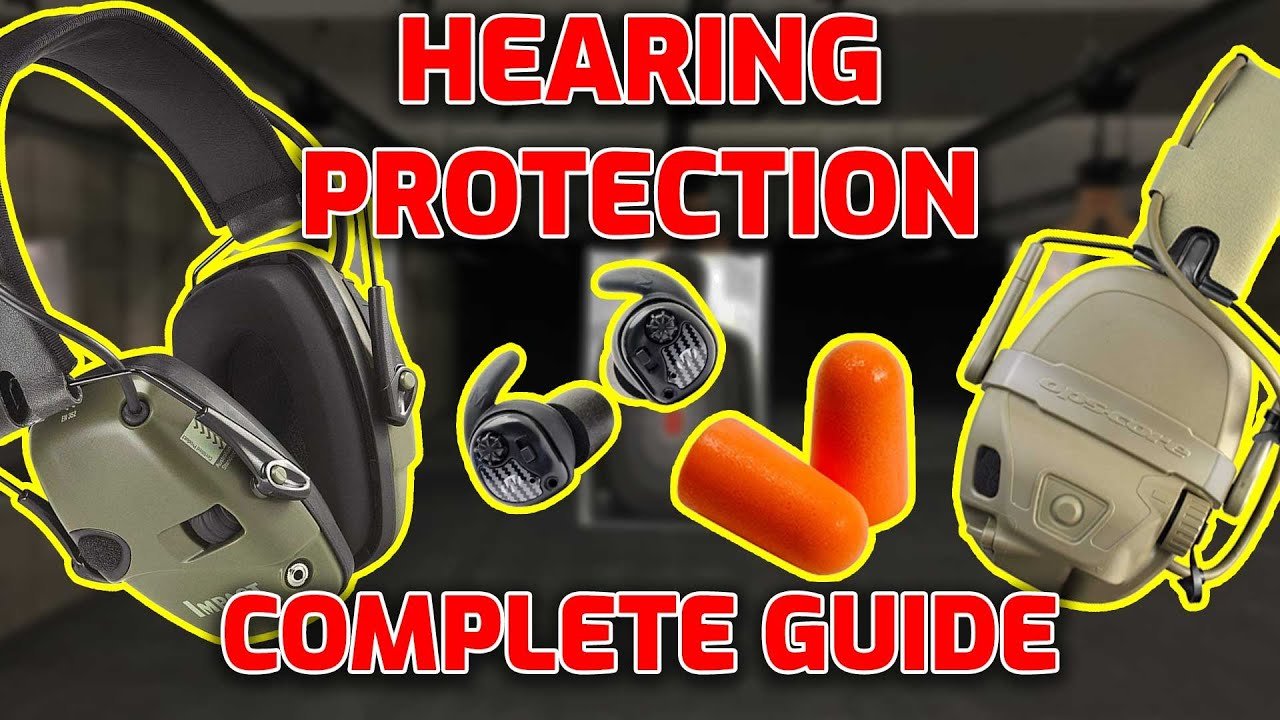
Are you tired of the ringing in your ears after a day of using power tools? Imagine finishing your projects without that annoying buzz.
Protecting your hearing is not just important—it’s essential. This guide is your ticket to a quieter, safer work environment. You’ll discover the best ear protection options and learn how to choose the right one for your needs. Don’t let noise take away your peace of mind.
Keep reading to find out how you can safeguard your hearing and continue enjoying your favorite projects with confidence.

Credit: trueprepper.com
Why Ear Protection Matters
Power tools make loud noises that can hurt your ears. Using ear protection keeps your hearing safe.
Many people forget to protect their ears. This can cause hearing problems later in life.
Noise Levels Of Power Tools
Power tools create noise from 85 to over 110 decibels. This is very loud and can damage hearing fast.
- Drills: around 90 decibels
- Saws: up to 110 decibels
- Grinders: about 95 to 105 decibels
Health Risks Of Loud Noise
Loud noise can cause headaches and stress. It can also make it hard to focus on work.
Noise can raise blood pressure and cause tiredness. Protecting your ears helps avoid these risks.
Long-term Hearing Damage
Repeated loud noise can cause permanent hearing loss. This damage builds up over time.
Using ear protection stops hearing damage. It keeps your ears safe while using power tools.

Credit: www.amazon.com
Types Of Ear Protection
Using ear protection is important when working with power tools. Loud noises can harm your hearing over time. Different types of ear protection help reduce noise in different ways.
This guide explains three common types of ear protection. You can learn which one fits your needs best.
Earplugs
Earplugs are small devices that fit inside your ear canal. They block noise by sealing the ear opening. Earplugs are light and easy to carry.
Many earplugs are disposable, but some can be cleaned and reused. They are good for people who need a low-profile option.
- Compact and easy to store
- Can reduce noise by 15 to 30 decibels
- Disposable or reusable types available
Earmuffs
Earmuffs cover the entire ear with padded cups. They block noise by creating a tight seal around your ears. Earmuffs are simple to put on and take off.
They are usually adjustable to fit different head sizes. Earmuffs provide strong noise reduction and are good for long work sessions.
- Easy to wear and remove
- Provides consistent noise blocking
- Often adjustable for comfort
Noise-canceling Options
Noise-canceling ear protection uses technology to reduce loud sounds. These devices listen to noise and create opposing sounds to cancel it out. This helps lower harmful noise levels.
They are often built into earmuffs or headphones. Noise-canceling options are good for noisy jobs where you still need to hear some sounds.
- Uses electronic technology
- Reduces low and high-frequency noise
- Allows hearing important sounds
Choosing The Right Ear Protection
Using power tools can be very loud. Ear protection helps keep your hearing safe. Picking the right protection is important for comfort and safety.
There are many types of ear protection. Choosing the one that fits well and blocks noise is key. This guide helps you find the best option.
Comfort And Fit
Ear protection must feel comfortable to wear for long times. If it hurts or feels tight, you may not use it properly.
Look for adjustable bands or soft ear cushions. These features help the device fit your head and ears well.
- Choose lightweight materials
- Try different sizes and styles
- Check if ear plugs fit your ear canal comfortably
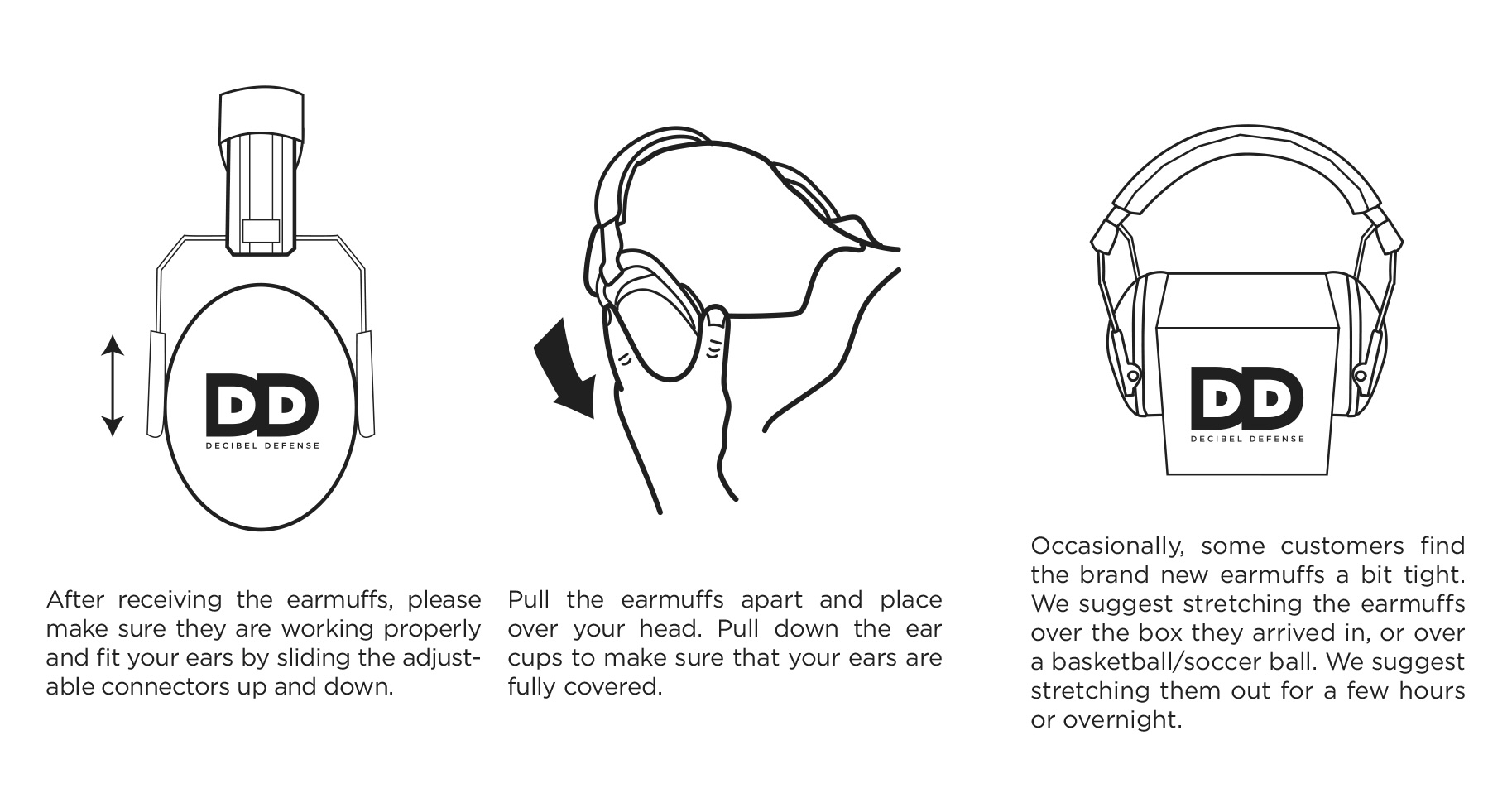
- Make sure ear muffs cover your ears fully
Noise Reduction Rating (nrr)
The Noise Reduction Rating shows how much sound the ear protection can block. Higher NRR means better noise blocking.
Pick ear protection with an NRR that matches the loudness of your power tools. Too low an NRR may not protect your ears well.
- NRR 20-25 for moderate noise
- NRR 25-30 for loud noise
- NRR above 30 for very loud noise
Durability And Maintenance
Durable ear protection lasts longer and saves money. Check materials and build quality before buying.
Clean your ear protection regularly. This keeps them working well and prevents ear infections.
- Choose water-resistant or easy-to-clean materials
- Replace worn parts like ear cushions or foam plugs
- Store in a dry, clean place when not in use
Proper Use Of Ear Protection
Using ear protection correctly helps prevent hearing damage from loud power tools. It is important to wear ear protection every time you use noisy equipment.
Proper use means fitting ear protection well and keeping it clean. This guide explains how to use ear plugs and ear muffs safely and effectively.
Correct Insertion Techniques
Insert ear plugs gently into your ear canal. Roll foam plugs between your fingers to make them smaller before insertion.
Push the plug in until it fits snugly and blocks noise. For ear muffs, place them fully over your ears and adjust the headband.
- Wash hands before handling ear plugs
- Roll foam plugs tightly for easy insertion
- Insert plugs slowly and deeply for best fit
- Cover ears completely with ear muffs
- Check for gaps or discomfort
Adjusting For Maximum Effectiveness
Adjust ear muffs to fit tightly without pain. Use the headband to increase or decrease pressure.
Make sure ear plugs seal your ear canal well. Test protection by listening for loud sounds; noise should be quieter.
- Tighten ear muff headband evenly
- Push ear plugs deeper if needed
- Avoid touching ear plugs once inserted
- Check the fit before starting work
When To Replace Ear Protection
Replace ear plugs after they lose shape or get dirty. Foam plugs usually last a few uses only.
Ear muffs should be replaced if padding wears out or cracks appear. Old ear protection does not block noise well.
- Throw away foam plugs if hard or dirty
- Check ear muff cushions for cracks or tears
- Replace ear muffs after 1 to 2 years
- Keep spare ear protection on hand
Additional Safety Tips
Using ear protection is important when working with power tools. It helps prevent hearing damage from loud noises.
There are other safety steps you can take to protect yourself even more. These tips can keep you safer on the job.
Combining Ear Protection With Other Safety Gear
Ear protection works best when you use it with other safety gear. This helps protect your whole body.
Wear safety glasses to shield your eyes and gloves to protect your hands. A dust mask can keep you from breathing harmful dust.
- Use safety glasses or goggles
- Wear gloves for hand protection
- Put on a dust mask if needed
- Wear a hard hat in construction areas
Monitoring Noise Exposure Duration
It is important to watch how long you are near loud noise. The longer you listen, the higher the risk of hearing loss.
Take breaks away from noisy tools to give your ears rest. Use a timer or app to track your noise exposure time.
- Limit time spent near loud tools
- Take regular breaks in quiet areas
- Use apps to track noise exposure
- Follow recommended noise exposure limits
Creating A Safer Work Environment
Keeping your workspace safe helps reduce noise and accidents. Clean and organize your area before starting work.
Use barriers or soundproof materials to lower noise levels. Make sure tools are in good condition to avoid extra noise or hazards.
- Keep your work area clean and tidy
- Use sound barriers to reduce noise
- Inspect tools before use
- Replace or repair noisy or damaged tools
Credit: www.decibeldefense.com
Frequently Asked Questions
What Is The Best Ear Protection For Power Tools?
The best ear protection for power tools is earmuffs or earplugs with a noise reduction rating (NRR) of 25 dB or higher. They effectively reduce harmful noise levels and protect your hearing during prolonged use of loud tools.
How Do Earplugs Compare To Earmuffs For Noise Reduction?
Earmuffs generally provide higher noise reduction than earplugs, but combining both offers the best protection. Earplugs are more compact and comfortable for long wear. Choose based on noise level, comfort, and duration of tool use.
Why Is Ear Protection Necessary When Using Power Tools?
Power tools produce noise above 85 decibels, which can damage hearing over time. Using ear protection prevents hearing loss, tinnitus, and other ear-related health issues, ensuring safe and comfortable work conditions.
How Should I Properly Wear Ear Protection With Power Tools?
Ensure a snug fit by fully covering your ears with earmuffs or inserting earplugs deep into the ear canal. Check for gaps or loose spots to maximize noise reduction and comfort during tool operation.
Conclusion
Protecting your ears while using power tools keeps your hearing safe. Loud noises can cause lasting damage. Wearing ear protection helps prevent pain and hearing loss. Choose the right gear for comfort and safety. Always use earplugs or earmuffs during noisy tasks.
Small steps make a big difference over time. Stay safe, work smart, and protect your ears daily. Your hearing matters for years to come.