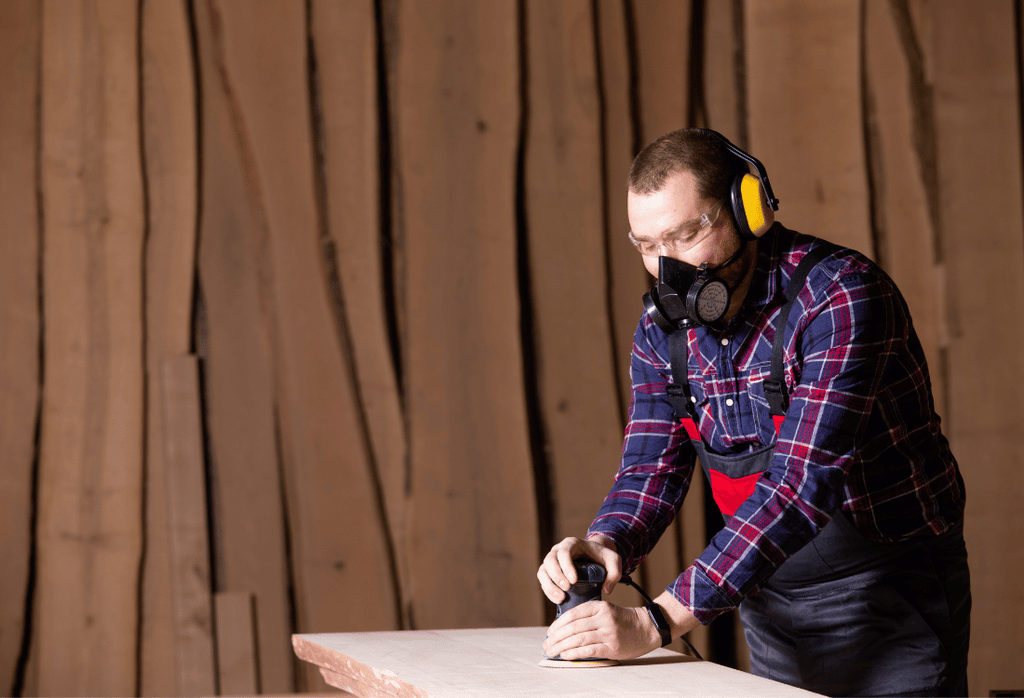
When you’re working with wood, dust and fumes are more than just a nuisance—they can harm your health. Using a full-face respirator is one of the best ways to protect yourself from these hidden dangers.
But how do you choose the right one? And how can you make sure it fits properly and works effectively? This guide will walk you through everything you need to know about using full-face respirators for woodworking. By the end, you’ll feel confident that you’re keeping your lungs and eyes safe while you create.
Keep reading to protect your health and improve your woodworking experience.
Choosing The Right Respirator
Woodworking creates dust and fumes that can harm your lungs. Using a full-face respirator helps protect your breathing and eyes. Choosing the right one makes your work safer and more comfortable.
Not all respirators work the same. You need to pick one that fits well and blocks the right particles. This guide explains the key points for choosing a full-face respirator for woodworking.
Types Of Full-face Respirators
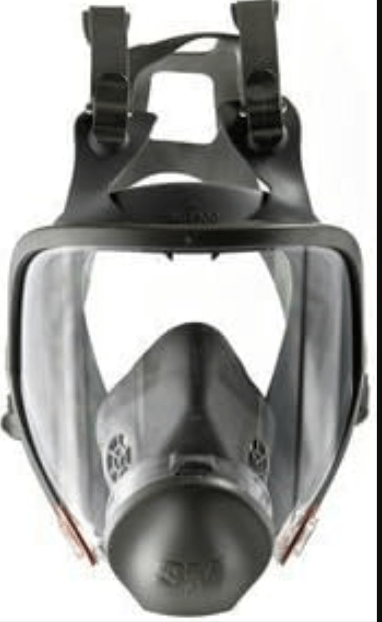
Full-face respirators cover your eyes, nose, and mouth. They come in two main types: reusable and disposable. Reusable masks have replaceable parts and are good for long-term use. Disposable ones are lighter and meant for short jobs.
- Reusable Respirators:Made of durable materials. You can change filters and cartridges.
- Disposable Respirators:Light and simple. Throw away after use.
- Half-Face vs. Full-Face:Full-face offers eye protection. Half-face covers only nose and mouth.
Filters And Cartridges For Woodworking
Filters and cartridges clean the air you breathe. Wood dust, paint fumes, and chemicals need different types. Choose filters that block dust and organic vapors for woodworking.
| Filter Type | Purpose |
| P100 | Blocks 99.97% of dust and particles |
| Organic Vapor Cartridge | Protects against paint and solvent fumes |
| Combination Cartridge | Blocks dust and vapors together |
Sizing And Fit Importance
A respirator must fit your face well. A loose mask lets dust and fumes in. A tight fit keeps harmful air out. Always test the fit before use.
- Try different sizes to find your best fit.
- Check for gaps around the edges.
- Adjust straps for comfort and security.
- Perform a fit test by covering filters and breathing in.
Proper Usage Techniques
Using a full-face respirator correctly is important for woodworking safety. It protects your eyes, nose, and mouth from dust and fumes.
Follow these steps to wear and adjust your respirator properly for best protection and comfort.
Correct Donning And Doffing
Put on your respirator before starting any woodworking task. Make sure your face is clean and dry for a good fit.
To remove the respirator, avoid touching the front. Use the straps to take it off gently and safely.
- Hold the respirator in your hands with straps hanging down.
- Place it over your nose and mouth first.
- Pull the straps over your head and adjust them.
- To remove, pull the bottom strap over your head first.
- Then remove the top strap without touching the mask.
Ensuring A Secure Seal
A tight seal keeps dust and fumes out. Check the seal every time you wear the mask.
Perform a seal check by covering the filters and breathing in. The mask should collapse slightly without air leaking.
- Place the respirator on your face and adjust straps.
- Cover the filter areas with your hands.
- Breathe in slowly and feel for leaks around the edges.
- If you feel air, adjust the mask and straps again.
Adjusting Straps For Comfort
Straps keep the respirator snug but should not cause pain. Adjust them to fit your head shape comfortably.
Check the straps often during work. Tighten or loosen them if you feel pressure or if the mask moves.
- Pull straps evenly on both sides.
- Make sure the mask sits flat on your face.
- Do not overtighten; it can cause discomfort.
- Replace worn straps to keep a good fit.
Maintenance And Care
Full-face respirators need regular care to keep working well. Proper maintenance protects your health while woodworking.
Follow these tips to clean, replace filters, and store your respirator safely.
Cleaning Procedures
Clean your respirator after each use to remove dust and debris. Use mild soap and warm water. Avoid harsh chemicals that can damage the mask.
- Remove filters before cleaning
- Use a soft cloth or sponge to wipe all surfaces
- Rinse with clean water to remove soap
- Let parts air dry completely before reassembling
- Check for cracks or damage during cleaning
Filter Replacement Schedule
Replace filters regularly to maintain good air quality. The schedule depends on use frequency and wood type.
| Filter Type | Replacement Frequency |
| Particulate Filters | Every 40 hours or when breathing is hard |
| Gas/Vapor Cartridges | Every 30 days or if smell or taste returns |
| Combination Filters | Follow the shortest replacement rule above |
Storage Tips
Store your respirator in a clean, dry place. Protect it from sunlight and extreme temperatures to avoid damage.
- Keep mask in a sealed container or bag
- Store filters separately in airtight packages
- Place respirator away from chemicals and dust
- Ensure the mask is dry before storing
Credit: treecarezone.com
Common Mistakes To Avoid
Using a full-face respirator helps protect your lungs when woodworking. It blocks harmful dust and fumes from wood. But many people make simple mistakes that reduce protection.
Knowing what to avoid keeps you safer and makes your respirator last longer. Here are common errors to watch out for.
Ignoring Fit Checks
Fit checks ensure the respirator seals tightly to your face. Without a good seal, dust can enter and harm your lungs. Some workers skip these checks because they take time or seem unnecessary.
- Always do a positive and negative pressure check before use.
- Adjust straps and facepiece until no air leaks feel around the edges.
- Check fit each time you wear the respirator, especially after changes in weight or facial hair.
Using Expired Filters
Filters clean the air by trapping dust and chemicals. Using old filters lowers protection and can cause breathing problems. Many people forget to replace filters on time.
| Filter Type | Recommended Replacement Time | Signs to Replace |
|---|---|---|
| Particulate Filters | After 40 hours of use or 30 days | Increased breathing resistance, visible damage |
| Gas and Vapor Cartridges | Based on manufacturer’s date or exposure level | Smell or taste contaminants, discoloration |
Neglecting Regular Maintenance
Cleaning and checking your respirator keeps it working well. Dirt and damage reduce safety. Some users skip maintenance because it feels like extra work.
- Clean the facepiece after every use with mild soap and water.
- Inspect straps, valves, and lenses for cracks or tears.
- Store the respirator in a clean, dry place away from sunlight.
- Replace worn or broken parts immediately to keep a proper seal.
Enhancing Safety In The Workshop
Using a full-face respirator helps protect your lungs and eyes from dust and fumes. It is important for anyone working with wood to stay safe.
Protective gear, good ventilation, and safe habits work together to keep you safe in the workshop.
Complementary Protective Gear
Full-face respirators protect your face and lungs. You should also wear other gear for full protection.
Use goggles or safety glasses to guard your eyes from flying wood chips. Hearing protection helps reduce noise damage.
- Protective gloves to avoid cuts and splinters
- Long-sleeved shirts to protect skin
- Steel-toe boots to protect feet from heavy objects
Proper Ventilation Practices
Good airflow removes dust and fumes from your workspace. It helps your respirator work better.
Open windows and use fans or exhaust systems to move air. This keeps the air clean and fresh.
- Use a dust collection system on your tools
- Work near open doors or windows if possible
- Turn on exhaust fans to pull dust outside
Safe Woodworking Habits
Keep your workspace clean to reduce dust buildup. Clean up sawdust and scraps often.
Follow the instructions for your tools carefully. Always check your equipment before use.
- Wear your respirator every time you work with wood
- Do not eat or drink in dusty areas
- Take breaks to avoid fatigue and stay alert

Credit: parcilsafety.com

Credit: www.amazon.com
Frequently Asked Questions
What Are Full-face Respirators Used For In Woodworking?
Full-face respirators are essential in woodworking to protect against dust, fumes, and harmful particles. They provide complete facial protection, covering the eyes, nose, and mouth. This ensures safety from airborne hazards, allowing woodworkers to work efficiently and safely in a clean environment.
How Do Full-face Respirators Work?
Full-face respirators filter out harmful particles and fumes in the air. They use replaceable cartridges or filters tailored to specific hazards. The respirator seals tightly against the face, ensuring only filtered air is inhaled. This provides comprehensive protection during woodworking tasks.
Are Full-face Respirators Comfortable For Long Use?
Yes, modern full-face respirators are designed for comfort during extended use. They feature adjustable straps and soft face seals. Lightweight materials reduce strain, and anti-fog lenses ensure clear vision. Proper fit and regular breaks enhance comfort, making them suitable for long woodworking sessions.
How Often Should Respirator Filters Be Replaced?
Respirator filters should be replaced regularly, depending on use and exposure. For woodworking, consider changing filters every 40 hours of use or monthly. Always follow the manufacturer’s guidelines. Regular replacement ensures optimal protection and performance from your full-face respirator.
Conclusion
Wearing a full-face respirator protects your eyes and lungs from dust. It helps you work safely and comfortably. Choose the right mask that fits well and feels secure. Clean and check your respirator before every use. This simple step keeps it working well and lasts longer.
Stay safe while woodworking by using your respirator correctly. Your health matters most in every project you do. Keep breathing clean air and enjoy your work.