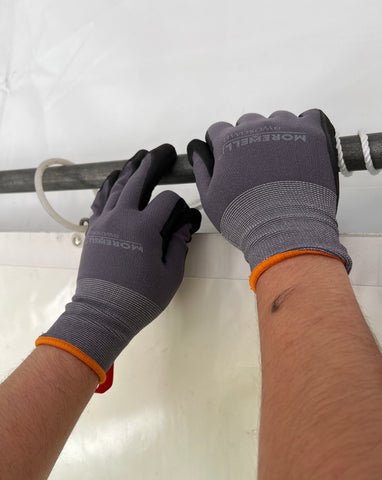
Imagine transforming your gardening experience into a safer, more enjoyable activity. Garden gloves aren’t just an accessory; they are your frontline defense against potential hazards lurking in your garden.
Whether you’re a seasoned gardener or just starting out, understanding how to use garden gloves effectively can make all the difference. In this guide, you’ll discover how the right pair of gloves can protect your hands from cuts, blisters, and harmful chemicals.
You’ll learn tips that will empower you to choose the best gloves for your specific gardening needs. Don’t let small injuries or discomfort hold you back from enjoying your passion. Dive in, and let’s explore how the right gloves can be your best gardening companion.
Benefits Of Garden Gloves
Garden gloves protect your hands while working outside. They help you stay safe and comfortable.
Using gloves can prevent injuries and keep your hands clean. They are a simple tool for safer gardening.
Preventing Cuts And Scratches
Garden gloves create a barrier between your skin and sharp objects. They protect your hands from cuts and scratches.
Thorns, branches, and rough surfaces can hurt your hands. Gloves reduce the risk of getting small wounds.
- Protect fingers from thorny plants
- Prevent cuts from sharp tools
- Reduce skin scrapes from rough materials
Shielding Against Chemicals
Many garden products contain chemicals that can irritate skin. Gloves stop these substances from touching your hands.
Wearing gloves lowers the chance of allergic reactions or burns. It is a safe practice when using fertilizers or sprays.
- Block pesticides and herbicides
- Prevent skin irritation from fertilizers
- Keep hands clean from soil chemicals
Reducing Blisters And Calluses
Working with tools can cause blisters and calluses on your hands. Gloves provide cushioning to reduce friction.
They make it easier to hold tools for long times. Gloves help your hands stay comfortable during gardening.
- Protect skin from rubbing against handles
- Reduce pressure on sensitive areas
- Keep hands comfortable during long work

Credit: leafyisland.com
Choosing The Right Gloves
Wearing garden gloves protects your hands from dirt and injury. Picking the right gloves makes gardening safer and more comfortable.
Different gloves suit different tasks. Learn about materials, sizing, and features to find the best fit.
Material Types And Their Uses
Garden gloves come in many materials. Each type works well for certain jobs and weather.
- Leather:Strong and durable, good for heavy work and thorny plants.
- Cotton:Lightweight and breathable, best for light gardening and warm days.
- Nitrile:Waterproof and flexible, perfect for wet conditions and handling chemicals.
- Rubber:Waterproof and easy to clean, ideal for muddy tasks.
- Synthetic fabrics:Often have extra grip and stretch, good for detailed work.
Sizing For Comfort And Dexterity
Gloves that fit well protect your hands better. Too tight gloves can hurt and limit movement. Too loose gloves may catch on plants or tools.
| Size | Hand Measurement | Use |
| Small | 6.5 to 7 inches around palm | Fits small hands, good for detailed work |
| Medium | 7.5 to 8 inches around palm | Most common size, balances comfort and control |
| Large | 8.5 to 9 inches around palm | Fits larger hands, best for heavy tasks |
Waterproof Vs Breathable Options
Choose gloves based on weather and task. Waterproof gloves keep hands dry but can trap sweat. Breathable gloves allow airflow but let water in.
- Waterproof gloves:Use for wet soil, rainy days, or handling liquids.
- Breathable gloves:Use for dry, warm weather and long gardening sessions.
- Hybrid gloves:Some have waterproof palms and breathable backs for balance.
Proper Glove Care
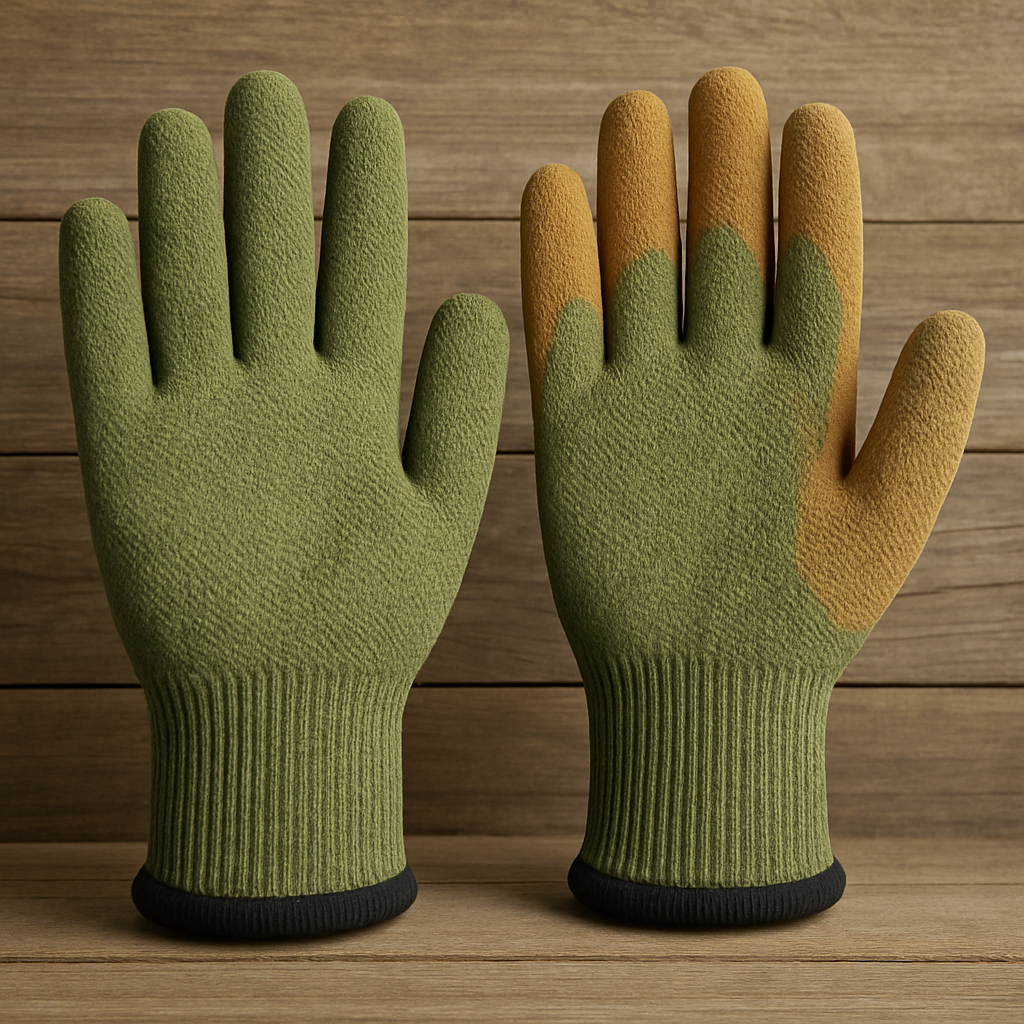
Using garden gloves protects your hands from cuts and dirt. Taking care of your gloves helps them last longer and stay safe.
Learn how to clean, store, and know when to replace your garden gloves for the best safety.
Cleaning Techniques
Cleaning your gloves removes dirt and harmful germs. Different materials need different care methods.
- For leather gloves, wipe with a damp cloth and use leather cleaner if needed.
- Rubber or latex gloves can be washed with warm, soapy water and rinsed well.
- Fabric gloves should be hand washed or machine washed on gentle settings.
- Let gloves air dry completely before storing them.
Storage Tips
Proper storage keeps gloves in good shape and ready for use.
| Storage Tip | Reason |
|---|---|
| Keep gloves in a dry place | Prevents mold and mildew growth |
| Avoid direct sunlight | Stops material from cracking or fading |
| Store gloves flat or upright | Keeps their shape intact |
| Use a dedicated container or box | Keeps gloves clean and dust-free |
When To Replace Gloves
Worn or damaged gloves do not protect well. Check your gloves often for signs of wear.
- Look for holes, tears, or thinning material.
- Replace gloves if they lose their grip or stretch too much.
- Discard gloves that smell bad or cannot be cleaned properly.
- Replace gloves after heavy chemical exposure.
Tips For Safe Gardening
Gardening is a fun and healthy hobby. Using the right safety gear keeps you safe while you work.
Garden gloves protect your hands from cuts, dirt, and chemicals. Learn how to use them correctly.
Wearing Gloves With Tools
Wear gloves when using sharp or heavy tools. Gloves give a better grip and protect from blisters.
- Choose gloves that fit well and feel comfortable.
- Check gloves for holes before starting work.
- Keep gloves clean and dry to avoid slipping.
- Replace gloves if they become worn or torn.
Handling Thorny Plants
Thorny plants can hurt your hands and arms. Thick gloves stop scratches and minor cuts.
| Thorny Plant | Recommended Glove Type | Extra Tips |
|---|---|---|
| Rose Bush | Leather Gloves | Wear long sleeves for extra arm protection |
| Blackberry Bush | Heavy Duty Gloves | Trim carefully to avoid thorns |
| Cactus | Puncture-Resistant Gloves | Use tongs to handle large pieces |
Working With Soil And Fertilizers
Soil and fertilizers may contain bacteria or chemicals. Gloves protect your skin from irritation.
Follow these tips for safe use:
- Wear gloves before handling soil or fertilizer.
- Wash hands after gardening, even if gloves were worn.
- Keep gloves away from your face while working.
- Use gloves that resist chemicals if you apply fertilizers often.
Common Mistakes To Avoid
Using garden gloves helps protect your hands from cuts and dirt. Still, people make errors that reduce glove safety. Avoid these common mistakes to keep your hands safe while gardening.
Understanding what not to do is just as important as knowing how to use garden gloves. Read on to learn key errors to avoid.
Ignoring Glove Damage
Many gardeners keep using gloves even after they get holes or tears. Damaged gloves do not protect well. Dirt and sharp objects can reach your skin through small breaks.
- Check gloves before each use for holes or wear.
- Replace gloves that have tears or thin spots.
- Do not try to patch damaged gloves for safety tasks.
- Store gloves in a dry place to avoid early damage.
Using Gloves For Inappropriate Tasks
Not all garden gloves suit every job. Using the wrong gloves can cause accidents or hand injuries. Some gloves protect against cuts but not chemicals, while others block dirt but tear easily.
| Task | Best Glove Type | Wrong Glove Risk |
| Handling sharp tools | Cut-resistant gloves | Injury from cuts |
| Working with chemicals | Rubber or chemical-resistant gloves | Skin irritation |
| Planting and digging | Durable fabric gloves | Tears and dirt contact |
Choose gloves that fit the job to protect your hands properly.
Neglecting Hand Hygiene
Gardening gloves block dirt but can hold germs if not cleaned. Wearing dirty gloves spreads bacteria and fungi. Washing hands after glove use helps stop infections.
Follow these tips to keep your hands and gloves clean:
- Wash gloves after each use with mild soap and water.
- Dry gloves completely before storing them.
- Always wash your hands after removing gloves.
- Do not share gloves with others to avoid germ spread.

Credit: www.amazon.com
Credit: kennazombe.com
Frequently Asked Questions
What Are The Main Benefits Of Using Garden Gloves?
Garden gloves protect your hands from cuts, dirt, and harmful chemicals. They also prevent blisters and insect bites. Wearing gloves improves grip and comfort while gardening. Gloves help maintain hygiene and reduce skin irritation from plants.
How Do I Choose The Right Garden Gloves?
Select gloves based on material, size, and gardening task. Leather gloves suit heavy-duty work, while nitrile gloves are good for wet conditions. Ensure gloves fit snugly for better control and comfort. Consider gloves with reinforced palms for extra protection.
Can Garden Gloves Prevent Allergies And Skin Irritation?
Yes, garden gloves create a barrier against allergens and irritants. They protect sensitive skin from plant sap and pesticides. Wearing gloves reduces the risk of rashes and allergic reactions. Always clean gloves after use to avoid cross-contamination.
How Should I Clean And Maintain Garden Gloves?
Clean gloves with mild soap and water after each use. Air dry them completely to prevent mold and odors. Store gloves in a dry, cool place away from direct sunlight. Regular maintenance extends glove life and ensures hygiene.
Conclusion
Garden gloves protect your hands from cuts and dirt. They help you work longer without pain or injury. Choose gloves that fit well and suit your tasks. Clean and store them properly after each use. Gloves keep your gardening safe and comfortable.
Use them every time you garden. Your hands will thank you. Simple steps make a big difference in safety. Stay safe, enjoy gardening more.