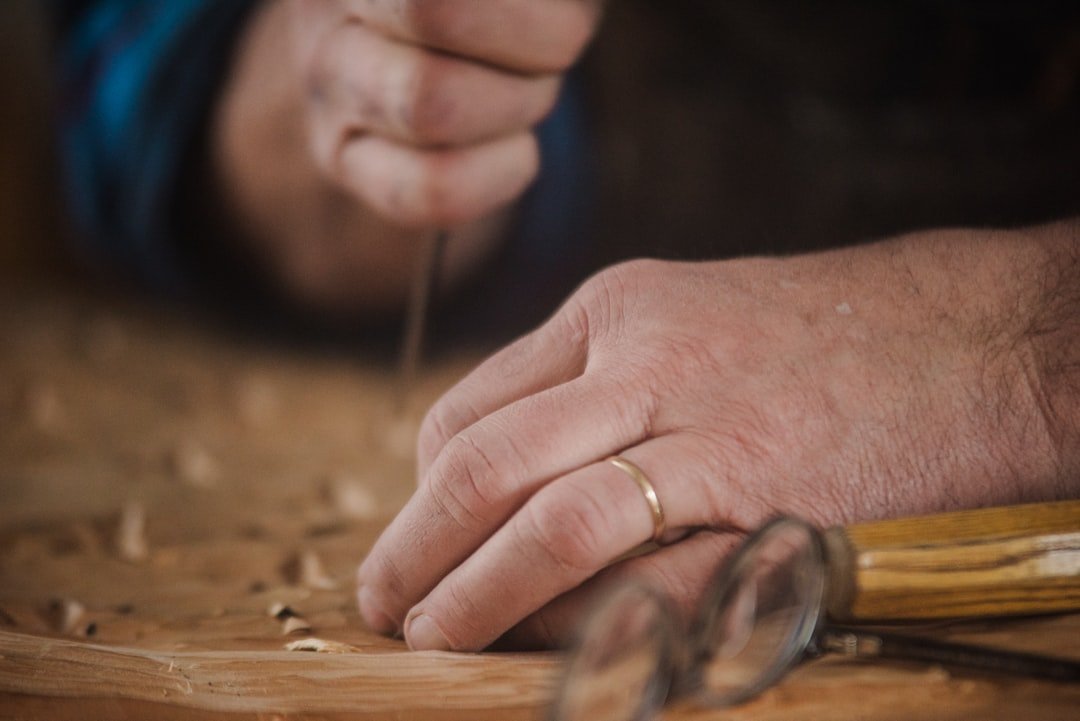
Are you ready to master the art of joinery with hand tools? Whether you’re a beginner or looking to sharpen your skills, this guide will give you clear, practical tips to work confidently.
You’ll discover how the right tools can make your projects easier and more precise. Imagine creating strong, beautiful joints that last—without expensive machines. Keep reading, and you’ll learn step-by-step how to use essential hand tools to bring your woodworking ideas to life.
Your hands hold the power to build something truly special. Let’s get started!
Essential Hand Tools For Joinery
Joinery needs precise hand tools to shape and fit wood pieces. Using the right tools helps you work safely and neatly.
This guide covers key hand tools every woodworker should know. Learn about saws, chisels, planes, and measuring tools.
Types Of Saws
Saws cut wood into shapes for joinery. Different saws serve different cutting needs and wood types.
- Tenon saw: cuts precise joints like tenons
- Dovetail saw: makes fine cuts for dovetail joints
- Back saw: has a stiff spine for straight cuts
- Japanese saw: cuts on the pull stroke for control
- Cop saw: used for curved cuts and shapes
Chisels And Their Uses
Chisels shape wood by removing small pieces. They help create joints and clean edges in joinery.
| Chisel Type | Use |
|---|---|
| Bevel edge chisel | Good for tight corners and trimming joints |
| Mortise chisel | Strong blade for cutting mortises |
| Paring chisel | Thin blade for delicate shaving and trimming |
Planes For Smoothing
Planes smooth and flatten wood surfaces. They remove thin layers to fit pieces tightly together.
- Block plane: small and handy for edges
- Jack plane: general smoothing and flattening
- Jointer plane: long plane for straight edges
- Rabbet plane: cuts grooves and rabbets
Marking And Measuring Tools
Accurate marking and measuring keep your cuts and joints exact. These tools guide your work well.
| Tool | Purpose |
|---|---|
| Marking gauge | Marks parallel lines to edges |
| Try square | Checks right angles and marks lines |
| Combination square | Measures and marks angles and depths |
| Steel ruler | Measures lengths with precision |
| Pencil or marking knife | Marks cut lines clearly |

Credit: www.reddit.com
Preparing Wood For Joinery
Preparing wood correctly is key for strong joinery. Good preparation helps pieces fit well together.
This guide covers how to pick wood, cut it, and prepare its surface for joinery.
Selecting The Right Wood
Choose wood that fits your project’s needs. Hardwoods like oak or maple are strong.
Softwoods like pine are easier to work with but may not be as durable.
- Check wood for cracks or knots
- Use dry wood to avoid warping
- Pick straight-grained wood for better strength
Cutting To Size
Measure and mark wood carefully before cutting. Accurate cuts make joinery easier.
Use the right saw for the job. A handsaw or backsaw works well for small cuts.
- Cut slowly for clean edges
- Support wood firmly to prevent splintering
- Check measurements twice before cutting
Surface Preparation Techniques
Smooth surfaces help joints fit tightly. Start with rough sanding to remove marks.
Finish sanding with finer grit for a smooth touch. Clean dust before joining pieces.
- Use a block plane for uneven spots
- Sand along the grain to avoid scratches
- Wipe wood with a damp cloth to remove dust
Basic Joinery Techniques
Joinery is the art of connecting wood pieces to make strong structures. Using hand tools helps you create precise joints.
Understanding basic joinery techniques is important for any woodworking project. These joints hold parts together firmly and look neat.
Butt Joints
A butt joint is the simplest type of joinery. It joins two wood pieces by placing their ends together.
You can strengthen butt joints with nails, screws, or glue. They are easy to make but not very strong alone.
Lap Joints
Lap joints overlap two pieces of wood by cutting part of each piece. This increases the glue surface area.
There are half-lap and full-lap types. They provide better strength than butt joints and are good for frames.
- Half-lap: remove half thickness from each piece
- Full-lap: one piece overlaps the other fully
- Use clamps to hold pieces while glue dries
Dovetail Joints
Dovetail joints connect wood at right angles with interlocking shapes. They look strong and hold well without nails.
These joints need careful cutting with hand saws and chisels. They are common in drawers and boxes.
- Cut pins on one piece and tails on the other
- Fit pins and tails tightly for strength
- Mark and measure carefully before cutting
Mortise And Tenon
Mortise and tenon joints join two pieces with a peg (tenon) fitting into a hole (mortise). This joint is very strong.
Use chisels and saws to cut the mortise and shape the tenon. Glue or pins hold the joint firmly in place.
- Mortise: rectangular hole in one piece
- Tenon: matching tongue on the other piece
- Check fit before gluing or pinning
Using Hand Tools Safely
Using hand tools for joinery requires care and attention. Safety helps prevent accidents and injuries.
Learning the right way to use hand tools makes your work easier and safer.
Proper Handling
Hold tools firmly and use steady pressure. Avoid forcing tools or using them incorrectly.
Cut away from your body to reduce the risk of injury. Keep your hands clear of sharp edges.
- Use the right tool for the job
- Keep your hands dry and clean
- Work on a stable surface
- Keep tools sharp for better control
Maintenance And Sharpening
Regularly clean your tools to remove dirt and resin. This helps tools last longer and work better.
Sharpen blades often to keep cuts smooth and safe. Dull tools can slip and cause accidents.
- Wipe tools after use
- Use sharpening stones or files
- Check for rust and remove it
- Store tools in a dry place
Safety Gear Essentials
Wear safety glasses to protect your eyes from chips and dust. Gloves can protect your hands from splinters.
Use ear protection if working with noisy tools nearby. Wear a dust mask if dust is heavy.
- Safety glasses or goggles
- Work gloves for hand protection
- Ear plugs or earmuffs
- Dust mask for fine particles
Tips For Precision And Accuracy
Using hand tools for joinery needs care and focus. Precision and accuracy improve the quality of your work.
Small mistakes can lead to big problems in fitting joints. Follow simple tips to get exact results.
Measuring And Marking Tricks
Good measuring and marking set the base for precise cuts. Always use sharp pencils or marking knives for clear lines.
- Double-check measurements before marking.
- Use a steel ruler for straight edges.
- Mark on the waste side of the cut line.
- Use marking gauges for consistent widths.
- Keep your tools clean and sharp for clear marks.
Controlling Tool Pressure
Apply steady and even pressure when using hand tools. Too much force can cause slips or rough cuts.
| Tool | Recommended Pressure | Effect of Too Much Pressure |
| Chisel | Firm but controlled | Splitting or chipping wood |
| Hand Saw | Light, steady strokes | Binding or crooked cuts |
| Plane | Moderate, consistent | Uneven surface or gouges |
Checking Fit And Alignment
Always test the fit of your joints before final assembly. Small adjustments can improve strength and look.
- Dry-fit parts to check for gaps or misalignment.
- Use a square to verify right angles.
- Tap joints gently with a mallet to ensure tight fit.
- Adjust by trimming or sanding if needed.
- Recheck after each adjustment.

Credit: www.amazon.ca
Troubleshooting Common Issues
Using hand tools for joinery can be tricky. Small mistakes can cause big problems in your project.
This guide helps you fix common issues like misaligned joints, tool slips, and measurement errors.
Fixing Misaligned Joints
Misaligned joints make your work look rough and weak. Check the joint edges and surfaces carefully.
- Clamp the pieces tightly before gluing.
- Use a chisel or sandpaper to adjust the joint edges.
- Re-measure the parts to confirm fit before final assembly.
- Try dry fitting parts to spot alignment issues early.
Dealing With Tool Slips
Tool slips can cause scratches or cuts in your wood. Keep your tools sharp and your hands steady.
- Hold tools firmly with both hands.
- Work on a stable surface.
- Cut away from your body.
- Take breaks to avoid fatigue.
- Use guides or fences to control the tool’s path.
Correcting Measurement Errors
Measurement errors cause gaps or parts that don’t fit well. Double-check all measurements before cutting.
| Common Measurement Errors | How to Fix |
| Wrong marking location | Mark clearly and re-measure before cutting |
| Using a dull ruler or tape | Use a sharp pencil and reliable measuring tools |
| Not accounting for saw blade width | Include blade thickness in your measurements |
| Rushing the measuring process | Take your time and measure twice |
Advanced Joinery Projects
Joinery with hand tools offers precision and control for advanced projects. Skilled use of these tools creates strong, lasting furniture pieces.
This guide explores complex tasks in joinery, focusing on building furniture, adding decorative details, and combining joints with finishing techniques.
Building Furniture
Advanced furniture projects need accurate joints for durability. Hand tools help shape mortise and tenon, dovetail, and lap joints with care.
- Use chisels to clean mortises precisely.
- Mark tenons carefully with marking gauges.
- Cut dovetails with a fine saw for tight fits.
- Test fit joints before final assembly.
Creating Decorative Details
Decorative joinery adds beauty to furniture edges and panels. Techniques include inlays, bevels, and carved patterns.
| Technique | Tool Needed | Purpose |
| Inlay | Router or chisel | Add contrasting wood pieces |
| Beveling | Block plane | Create angled edges |
| Carving | Gouges and knives | Shape patterns and textures |
Combining Joinery With Finishing
Finishing improves the look and strength of joints. Proper sanding and sealing protect wood and highlight joinery work.
Tips for finishing joinery:
- Sand joints smoothly to remove tool marks.
- Apply wood glue carefully to avoid visible residue.
- Use clamps to keep joints tight while drying.
- Choose finishes that match wood type and use.
- Apply finish in thin layers for even coverage.

Credit: www.rockler.com
Frequently Asked Questions
What Are Essential Hand Tools For Joinery Beginners?
Essential hand tools include chisels, hand saws, marking gauges, and mallets. These tools help create precise joints and smooth finishes. Beginners should focus on quality and comfort to improve accuracy and safety. Mastering these basics builds a strong foundation for advanced joinery skills.
How Do I Maintain Hand Tools For Joinery?
Regularly clean tools after use to prevent rust and damage. Sharpen blades and chisels frequently for efficient cutting. Store tools in a dry, organized space to prolong their lifespan. Proper maintenance ensures better performance and safer woodworking experiences.
Which Hand Tool Is Best For Cutting Joints?
A backsaw is ideal for cutting precise joints in joinery. Its fine teeth provide clean and accurate cuts. Combined with a marking gauge, it ensures tight-fitting joints. Selecting the right saw enhances the quality and durability of your woodworking projects.
Can Hand Tools Replace Power Tools In Joinery?
Hand tools can replace power tools for detailed and delicate joinery tasks. They offer greater control and precision but require more time and skill. Using hand tools promotes craftsmanship and traditional woodworking techniques. However, power tools improve efficiency for larger projects.
Conclusion
Mastering hand tools in joinery takes practice and patience. Each tool has a purpose. With time, your skills will improve. The right tools create precise, beautiful joints. Safety is crucial. Always handle tools carefully. Practice regularly to enhance your abilities.
Joinery projects become easier with experience. Enjoy the process. Feel the satisfaction of creating something by hand. Use this guide as a reference. Return to it as needed. Your craftsmanship will grow. Happy woodworking!