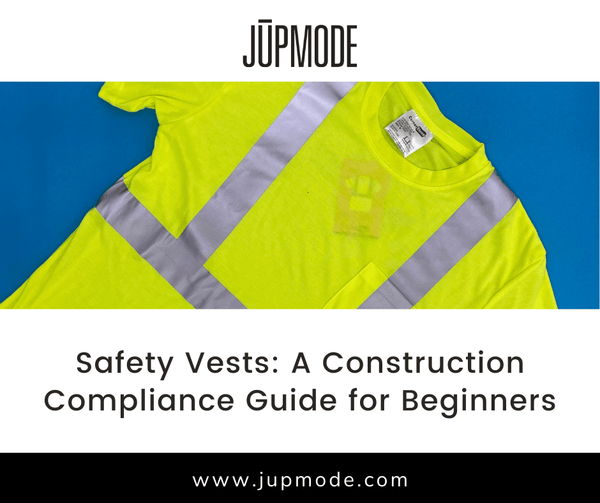
When you step onto a construction site, your safety should be the top priority. One simple yet powerful way to protect yourself is by wearing a high-visibility jacket.
These bright, reflective jackets are designed to make sure you stand out, even in low light or busy environments. But do you know how to choose the right one? Or how to wear it correctly to maximize your safety? This guide will walk you through everything you need to know about high-visibility jackets so you can stay safe and seen while working.
Keep reading to discover tips that could make all the difference for your safety on site.

Credit: motoman.com.au
Importance Of High-visibility Jackets
High-visibility jackets help workers stay safe on construction sites. They make workers easy to see in all weather and lighting conditions.
Wearing these jackets reduces accidents by alerting drivers and machine operators to a person’s presence.
Role In Construction Safety
High-visibility jackets improve safety by making workers stand out. Bright colors and reflective strips catch attention from far away.
- Increase worker visibility day and night
- Help prevent collisions with vehicles and equipment
- Make it easier to find workers in emergencies
- Enhance communication by signaling worker location
Legal Requirements And Standards
Many countries require high-visibility jackets on construction sites. These rules protect workers by setting minimum safety standards.
| Standard | Description | Requirement |
| ANSI/ISEA 107 (USA) | Classifies jackets by risk level | Class 2 or 3 for high-risk jobs |
| EN ISO 20471 (Europe) | Specifies minimum reflective area | Minimum 0.14 m² reflective material |
| AS/NZS 4602.1 (Australia/New Zealand) | Defines design and color | Day and night use with reflective bands |

Credit: unifirst.com
Choosing The Right Jacket
High-visibility jackets help workers stay safe on construction sites. Picking the right jacket is important for comfort and protection.
This guide covers key points to consider when choosing a high-visibility jacket. Focus on material, color, and fit for the best results.
Material And Fabric Options
Jackets come in different materials that suit various weather and job needs. Choose fabrics that last and keep you comfortable.
Common materials include polyester and cotton blends. Polyester is water-resistant and dries quickly. Cotton is soft but may absorb water.
- Polyester: Lightweight, water-resistant, durable
- Cotton blend: Comfortable, breathable, less water-resistant
- Fleece lining: Adds warmth for cold weather
- Mesh panels: Improve airflow in warm conditions
Color And Reflective Features
Bright colors make workers visible in all light conditions. Reflective strips reflect light from vehicles and machines.
Choose jackets with high-visibility colors like neon yellow or orange. Reflective tape should cover arms, chest, and back.
- Neon yellow or orange: Best for daylight visibility
- Reflective strips: Essential for night or low light
- Wide reflective bands: Cover large areas for better safety
- Compliance with safety standards: Check for ANSI or EN certification
Sizing And Fit Considerations
The jacket should fit well but allow easy movement. A tight jacket can reduce comfort and safety.
Check the size chart before buying. Consider if you need room for layers underneath in cold weather.
- Choose a size that fits over your work clothes
- Look for adjustable cuffs and hems for better fit
- Try on jackets if possible to check comfort
- Consider longer lengths for extra coverage
Proper Usage On Site
High-visibility jackets keep workers visible and safe on construction sites. Wearing them correctly helps prevent accidents and injuries.
This guide explains when to wear these jackets and how to layer them with other safety gear for best protection.
When To Wear High-visibility Jackets
Wear high-visibility jackets anytime you work near moving vehicles or heavy machinery. They are essential in low-light or bad weather conditions.
- During early mornings and late evenings
- In fog, rain, or snow
- Near roadways or active equipment
- Inside dimly lit areas
Layering With Other Safety Gear
High-visibility jackets work well when layered with helmets, gloves, and boots. Make sure the jacket does not cover or hide other safety equipment.
| Safety Gear | Layering Tip |
| Helmet | Wear jacket over helmet straps |
| Gloves | Choose gloves that match jacket color |
| Boots | Ensure jacket length does not block boots |
| Harness | Wear jacket that fits over harness safely |

Credit: unifirst.com
Maintenance And Care
High-visibility jackets need proper care to stay effective. Keeping them clean and checking for damage helps protect workers.
Regular maintenance extends the jacket’s life and ensures safety on construction sites.
Cleaning Guidelines
Clean jackets carefully to keep their reflective properties strong. Use mild detergent and cold water.
- Close all zippers and fastenings before washing
- Wash separately from other clothes to avoid damage
- Do not bleach or use fabric softeners
- Air dry away from direct sunlight
- Avoid ironing the reflective strips
Inspection For Wear And Tear
Check jackets often for signs of damage. Look closely at the fabric and reflective tape.
| Inspection Area | What to Check |
| Fabric | Tears, holes, thinning material |
| Reflective Tape | Peeling, fading, cracks |
| Seams and Stitching | Loose threads, splits |
| Zippers and Fasteners | Functionality, missing parts |
Common Mistakes To Avoid
High-visibility jackets keep workers safe on construction sites. Using them correctly is very important. Some common mistakes reduce their effectiveness.
Avoid these mistakes to improve safety and visibility at work.
Wearing Damaged Jackets
Wearing jackets with tears or missing reflective strips lowers visibility. Damage makes it harder for others to see you. This can cause accidents.
Inspect jackets often and replace them when damaged. Clean jackets regularly to keep reflectivity strong.
- Tears reduce fabric strength and coverage
- Missing reflective tape lowers visibility in low light
- Dirty jackets block reflective surfaces
- Worn-out materials fade bright colors
Ignoring Visibility In Different Conditions
Visibility changes in rain, fog, and night work. Not adjusting your jacket or adding extra lighting can cause danger.
Choose jackets that work well in all weather and light conditions. Use additional lights or reflective gear when needed.
- Rain and fog reduce jacket visibility
- Darkness needs stronger reflective materials
- Bright sunlight can cause glare, affecting visibility
- Use extra gear for night or poor weather
Enhancing Safety Beyond Jackets
High-visibility jackets are essential on construction sites. They help workers stay seen in busy areas. Yet, jackets alone do not keep everyone completely safe.
Combining jackets with other safety steps creates a stronger protection system. This guide explains key ways to improve safety beyond jackets.
Complementary Safety Equipment
Other safety gear works well with high-visibility jackets. These items help protect workers from different hazards on site. Wearing the right equipment together lowers injury risks.
- Hard hats to protect the head from falling objects
- Safety boots with slip-resistant soles
- Protective gloves for hand safety
- Eye protection like goggles or safety glasses
- Hearing protection such as earplugs or earmuffs
- Reflective tape on pants and helmets for extra visibility
Training And Awareness Practices
Training helps workers understand safety rules and hazards. Awareness keeps them alert to dangers all day. Both are key to preventing accidents.
| Training Topic | Purpose | Frequency |
| Proper use of safety equipment | Ensure correct wearing and maintenance | Before starting work and yearly refreshers |
| Site hazard recognition | Identify and avoid risks | Monthly briefings |
| Emergency procedures | Know how to respond in accidents | Quarterly drills |
Frequently Asked Questions
What Are High-visibility Jackets?
High-visibility jackets are safety garments designed to improve wearer visibility. They use bright colors and reflective materials, making workers easily seen, especially in low-light conditions. These jackets are crucial for construction sites to prevent accidents and ensure safety by alerting equipment operators and fellow workers of a person’s presence.
Why Are High-visibility Jackets Important For Construction?
High-visibility jackets are vital for construction safety. They reduce accidents by making workers visible to operators and drivers. This visibility is crucial in poor lighting or bad weather. High-visibility jackets improve safety and compliance with workplace regulations, ensuring a safer environment for everyone on-site.
How Do High-visibility Jackets Enhance Safety?
High-visibility jackets enhance safety by making workers more visible. Their bright colors and reflective materials catch light, ensuring visibility in low-light conditions. This visibility reduces the risk of accidents involving vehicles and machinery. By wearing these jackets, construction workers are better protected from potential hazards on-site.
When Should Construction Workers Wear High-visibility Jackets?
Construction workers should wear high-visibility jackets at all times on-site. They are especially important during low-light conditions, such as dawn, dusk, or nighttime. Additionally, when weather conditions reduce visibility, like rain or fog, these jackets are crucial. Consistent use ensures maximum safety for all workers.
Conclusion
High-visibility jackets keep workers safe on construction sites. They help others see you clearly, day or night. Wearing these jackets reduces accidents and saves lives. Choose jackets that fit well and meet safety rules. Clean and check them often to keep their bright look.
Safety starts with simple steps like wearing the right gear. Stay visible, stay safe, and protect yourself every day. Safety is not just a rule; it’s a smart choice.