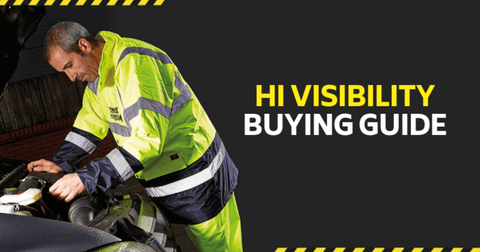
Imagine this: you’re driving late at night, and suddenly you have to pull over on a dimly lit road. The cars whizzing by make you feel uneasy.
At that moment, what you need most is to be seen and safe. That’s where high-visibility jackets come into play. High-visibility jackets are your shield against roadside danger. They are designed to grab attention and keep you safe when it matters most.
But how exactly do they work, and why should you always have one on hand? In this guide, you’ll discover everything you need to know about these lifesaving garments. From understanding their key features to knowing how to choose the right one for your needs, we’ve got you covered. Stick with us, and by the end, you’ll be equipped with the knowledge to stay safe and visible whenever you find yourself on the side of the road. Don’t risk your safety—read on to learn how a simple jacket can make all the difference.
Importance Of High-visibility Jackets
High-visibility jackets help people stay safe on roads. They make workers and pedestrians easy to see.
These jackets use bright colors and reflective materials. They improve visibility in daylight and darkness.
Role In Roadside Safety
High-visibility jackets alert drivers to people near roads. They reduce the chance of accidents during work or emergencies.
Workers like construction crews and emergency responders wear these jackets to stay safe. They are visible from far away.
Reducing Accident Risks
Wearing high-visibility jackets lowers the risk of crashes. Drivers see the bright colors and reflective strips quickly.
This early warning helps drivers slow down or avoid people. It protects workers and pedestrians in busy or dark areas.
- Bright colors improve daytime visibility
- Reflective strips shine at night
- Jackets make people stand out from surroundings
- Easy to spot in bad weather
Legal Requirements
Many countries require high-visibility jackets for roadside workers. Laws ensure safety in dangerous areas.
Employers must provide jackets that meet safety standards. Workers must wear them to follow rules and stay protected.
- Standards define color and reflectivity levels
- Workers must wear jackets near moving traffic
- Fines or penalties apply for non-compliance
- Rules vary by country and job type

Credit: www.ishn.com
Choosing The Right Jacket
High-visibility jackets keep you safe near roads. Picking the right jacket is important for your protection.
Look at material, fit, and weather to find the best jacket for you.
Material And Reflectivity
The jacket material should be strong and visible. Polyester is common because it lasts and dries fast.
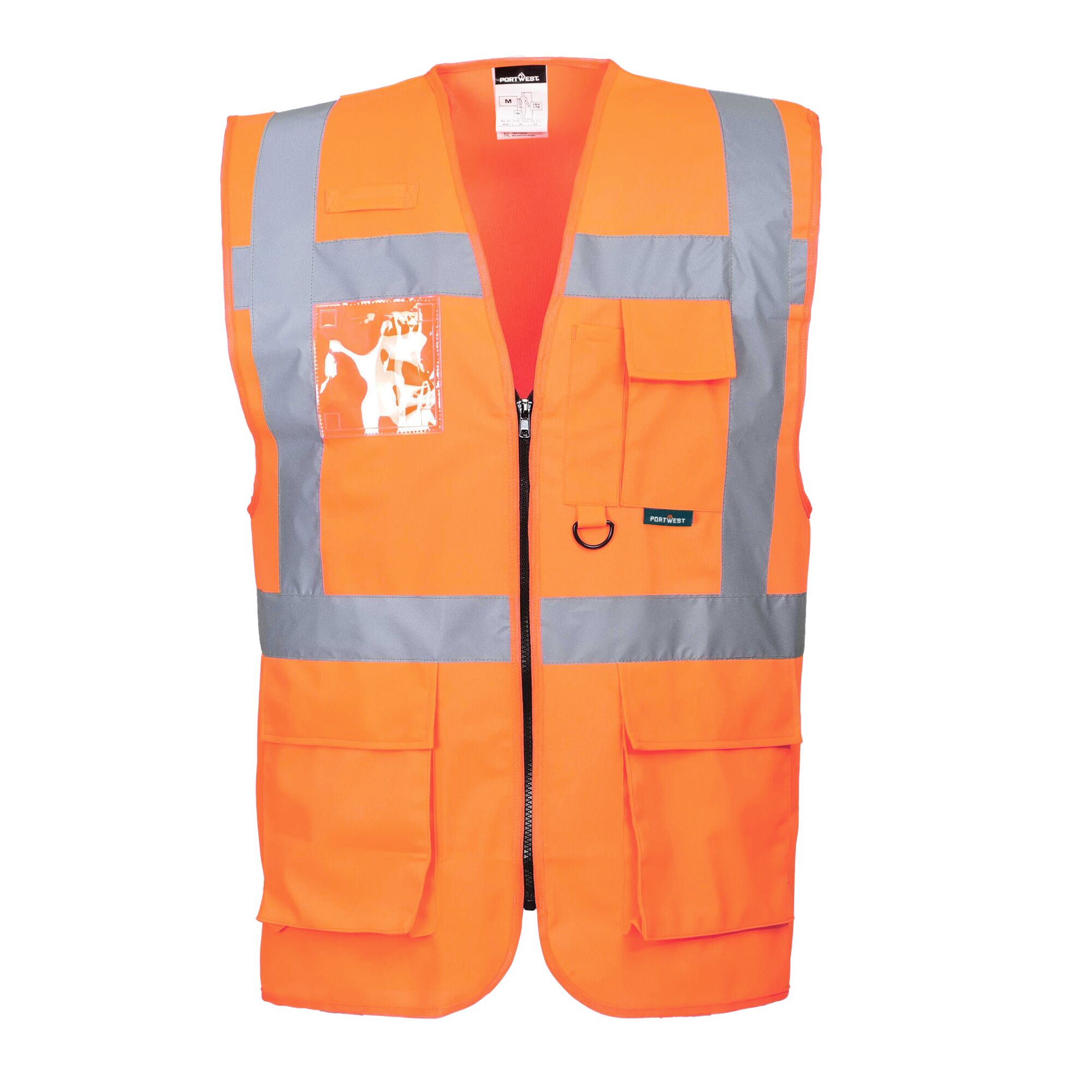
Reflective strips help drivers see you at night or in low light. Make sure the strips cover many areas.
- Choose durable, tear-resistant fabric
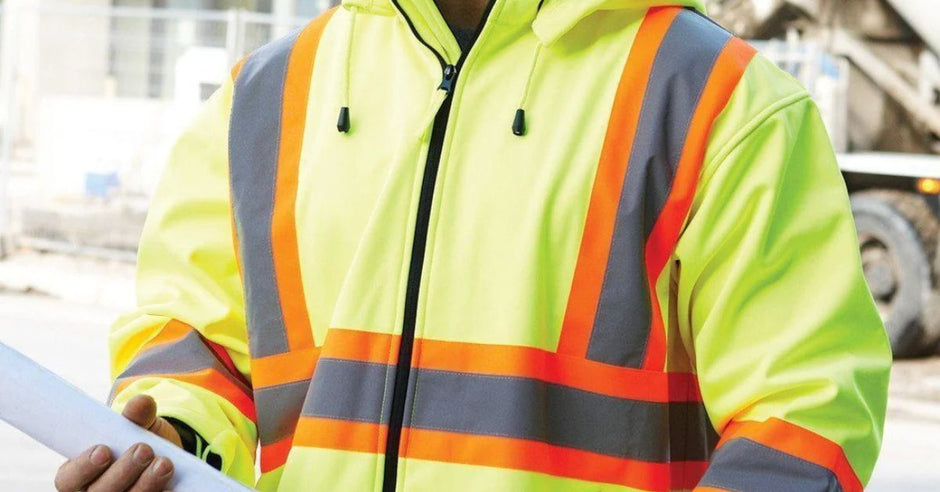
- Look for bright fluorescent colors like yellow or orange
- Reflective tape should be wide and placed on front, back, and sleeves
Fit And Comfort
The jacket should fit well without being tight. You need freedom to move while staying comfortable.
Check sleeves and length to cover your body properly. Comfort helps you wear the jacket longer.
- Try jackets with adjustable cuffs and waistbands
- Choose lightweight jackets for easy movement
- Make sure the jacket fits over your clothes
Weather Considerations
Pick a jacket that suits the weather you work in. Some jackets keep you warm, while others cool.
Waterproof jackets protect you from rain. Breathable fabrics stop overheating on hot days.
- Choose insulated jackets for cold conditions
- Use breathable, mesh-lined jackets for warm weather
- Pick waterproof jackets if you work in wet areas
Proper Use Of High-visibility Jackets
High-visibility jackets help keep workers safe near roads. They make people visible to drivers in low light and bad weather.
Using these jackets the right way is important. This guide covers when to wear, how to wear, and how to care for them.
When To Wear
Wear a high-visibility jacket anytime you work near moving vehicles. This includes roads, construction zones, and parking lots.
- During day and night work
- In poor weather like rain or fog
- When visibility is low due to dust or smoke
- In any situation where drivers may not see you clearly
Correct Wearing Techniques
Put on the jacket over your clothes. Make sure it fits well and is not too loose or tight.
| Technique | Details |
| Fit | Should allow free movement without slipping |
| Visibility | Keep reflective strips clean and facing outward |
| Fastening | Close all zippers or buttons to prevent catching |
| Layering | Wear over other clothing, not under |
Maintenance And Care
Keep jackets clean and damage-free for best visibility. Check them often for tears or dirt.
- Wash with mild detergent and cold water
- Avoid bleach or fabric softeners
- Air dry away from direct sunlight
- Repair or replace if reflective tape peels or tears
Credit: droppe.com
Additional Safety Measures
Wearing high-visibility jackets is important for roadside safety. You also need extra steps to stay safe. These extra steps help drivers see you and avoid accidents.
Use cones, signs, spotters, and lights to improve safety. Each method plays a key role in protecting workers and drivers on the road.
Using Cones And Signs
Place cones and signs before you start work. They warn drivers to slow down and watch for workers. Set them up far enough ahead to give drivers time to react.
- Use bright orange cones for clear visibility.
- Place warning signs at least 100 feet before the work area.
- Check that cones and signs are upright and visible in all weather.
- Remove cones and signs when work is done to avoid confusion.
Working With A Spotter
A spotter helps watch for traffic and warns workers of danger. Spotters improve safety by keeping an eye on blind spots and alerting the team.
| Spotter Role | Key Tasks |
| Traffic Monitor | Watch for oncoming vehicles and alert workers |
| Communication | Use hand signals or radios to warn team members |
| Safety Check | Ensure workers wear high-visibility jackets and use safety gear |
Lighting And Visibility Enhancements
Use extra lighting to improve visibility in low light or bad weather. Lights help drivers see workers from far away and reduce accidents.
Tips for lighting and visibility:
- Use flashing LED lights on cones and barriers.
- Wear reflective strips on jackets and helmets.
- Use portable floodlights for night work.
- Keep lights clean and properly aimed.
Common Mistakes To Avoid
High-visibility jackets are important for roadside safety. They help drivers see workers clearly. Many people make mistakes that reduce safety.
Knowing what not to do can keep you safe. Avoid these common errors when using high-visibility jackets.
Ignoring Visibility Standards
Not all high-visibility jackets meet safety standards. Some jackets do not have enough reflective material. This makes them hard to see in low light.
Choosing jackets without proper certification can put workers at risk. Always check if the jacket meets local safety rules.
- Look for ANSI or EN ISO certification labels
- Ensure the jacket has enough reflective strips
- Use jackets designed for roadwork visibility
Wearing Jackets Incorrectly
Wearing a high-visibility jacket the wrong way reduces its effect. Jackets zipped down or covered by other clothes lose visibility. Long coats or backpacks can block reflective parts.
Make sure the jacket fits well and is fully visible. Wear it over all other clothing for best effect.
- Zip the jacket fully
- Do not cover with other clothing
- Choose the right size for comfort and visibility
Neglecting Jacket Maintenance
Dirty or damaged jackets lose their visibility. Dirt, oil, or fading can hide reflective strips. Tears or holes lower protection and comfort.
Regular cleaning and inspection keep jackets effective. Replace jackets that are worn out or damaged beyond repair.
- Wash jackets following manufacturer instructions
- Check for tears, stains, or fading often
- Replace jackets every few years or if damaged
Credit: hivissafety.com
Frequently Asked Questions
Why Are High-visibility Jackets Essential For Roadside Safety?
High-visibility jackets make workers more visible to drivers. They reduce accident risks by improving visibility in low light and bad weather. These jackets are designed with reflective materials that catch light, ensuring safety on busy roads and construction sites.
What Materials Are Used In High-visibility Jackets?
High-visibility jackets typically use fluorescent fabrics and reflective tape. Fluorescent colors enhance daytime visibility, while reflective strips improve visibility at night. These materials comply with safety standards to provide maximum protection for roadside workers.
How Should I Choose The Right High-visibility Jacket?
Choose jackets that meet safety standards like ANSI or EN ISO. Consider weather conditions and jacket durability. The fit should allow comfortable movement and layering. Bright colors and wide reflective strips improve visibility for better roadside safety.
Can High-visibility Jackets Prevent Roadside Accidents?
While jackets increase visibility, they don’t eliminate all risks. They significantly reduce accident chances by alerting drivers early. Combining jackets with safe practices and awareness ensures the best protection on roads.
Conclusion
High-visibility jackets keep you safe near roads. They make you easy to see by drivers. Always wear one during roadside work or emergencies. Choose bright colors and reflective strips for best results. Remember, safety starts with being visible. Stay alert and stay protected.
A simple jacket can save lives. Don’t take risks on busy roads. Safety gear is a small step with big benefits. Keep your jacket clean and in good shape. This guide helps you stay safe and seen.