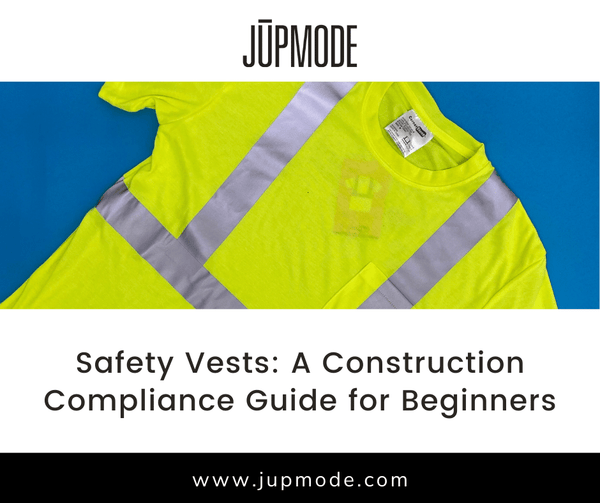
When you step onto a construction site, your safety is the top priority. One simple tool can make a huge difference in keeping you visible and protected: the high-visibility vest.
But do you really know how to choose the right vest? Or how to wear it correctly to get the best protection? This guide will show you everything you need to know about using high-visibility vests on construction sites. By the end, you’ll feel confident that you’re doing all you can to stay safe and stand out in any work environment.
Keep reading to discover practical tips that could save your life.

Credit: maltadynamics.com
Importance Of High-visibility Vests
High-visibility vests help workers stay safe on construction sites. They make people easier to see, especially in low light.
Wearing these vests reduces accidents and keeps workers protected. They are a simple but important safety tool.
Enhancing Worker Visibility
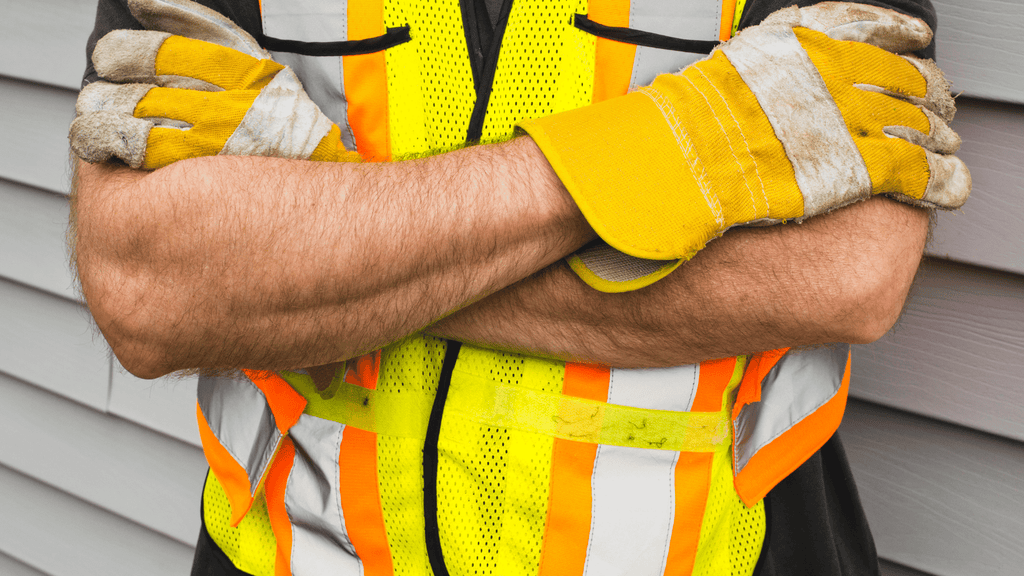
High-visibility vests use bright colors and reflective strips. This makes workers stand out from their surroundings.
These vests help drivers and machine operators see workers from far away. This is key to avoiding accidents.
- Bright colors like orange and yellow catch attention
- Reflective strips shine in headlights and lamps
- Visible in daytime, dusk, and night
Reducing Accident Risks
Wearing high-visibility vests lowers the chance of accidents. Workers are less likely to be hit by vehicles or machines.
The vests alert others to a worker’s presence. This helps prevent collisions and injuries on busy sites.
- Improves safety in crowded work zones
- Helps avoid slips and falls near vehicles
- Supports quick identification in emergencies
Compliance With Safety Regulations
Many safety laws require workers to wear high-visibility vests. Following these rules avoids fines and work stoppages.
Using approved vests shows a commitment to safe work practices. It protects both workers and employers.
- Meets standards set by OSHA and other agencies
- Ensures proper vest quality and design
- Supports site safety audits and inspections
Credit: www.hi-viz.com
Types Of High-visibility Vests
High-visibility vests keep workers safe on construction sites. They make workers easy to see in all light conditions.
Different types of vests use various materials, patterns, and colors. Each type serves a specific safety purpose.
Material And Fabric Options
High-visibility vests come in many fabric types. Polyester is common because it is light and dries fast. Mesh fabrics add breathability in hot weather.
- Polyester for durability and brightness
- Mesh for airflow and comfort
- Flame-resistant fabrics for fire safety
- Water-resistant materials for rainy conditions
Reflective Strip Patterns
Reflective strips make vests visible in the dark. Different strip patterns help identify worker roles and increase visibility.
| Pattern | Description | Use |
| Horizontal Bands | Strips around the waist | General visibility |
| Vertical Stripes | Strips over shoulders | Better front and back visibility |
| X-Shaped | Crossed strips on front and back | High visibility from all sides |
| Combined Patterns | Mix of bands and stripes | Special roles or tasks |
Color Variations And Their Uses
Colors show different warnings and roles. Bright colors help workers stand out in many environments.
- Neon Yellow: Common for daytime visibility
- Neon Orange: Used near traffic or heavy machines
- Neon Green: Preferred in forest or green areas
- Red or Pink: Sometimes used for specific safety warnings
Choosing The Right Vest For Your Site
High-visibility vests help workers stay safe on construction sites. Picking the right vest depends on your site’s needs. This guide helps you find the best vest for your team.
Consider the environment, job roles, and comfort to ensure workers wear their vests all day. A good vest improves safety and work efficiency.
Assessing Site Conditions
Look at your site’s lighting and weather. Bright vests work well in daylight. Reflective strips help in low light or night work.
Check if the site is dusty, wet, or hot. Choose materials that resist damage and keep workers cool or dry.
- Use vests with reflective tape for night shifts
- Pick water-resistant vests for rainy areas
- Choose breathable fabrics for hot climates
Matching Vest To Job Roles
Different jobs need different vests. Supervisors may wear bright colors to stand out. Laborers need durable vests with pockets.
Use color codes to separate roles. This helps workers and visitors know who is who on site quickly.
- Managers: bright orange or red for visibility
- Workers: yellow or lime-green for safety
- Visitors: distinct colors or marked vests
- Special roles: vests with extra features like ID holders
Sizing And Comfort Considerations
Vests must fit well. Too tight or too loose vests can cause discomfort. This may stop workers from wearing them.
Check sizes before buying. Look for adjustable vests that fit different body shapes. Choose lightweight materials for comfort.
- Measure chest size for proper fit
- Select adjustable straps for flexibility
- Pick breathable fabrics to reduce sweating
- Ensure vests allow easy movement
Proper Usage And Maintenance
High-visibility vests help keep workers safe on construction sites. Wearing and caring for them correctly is important.
Proper use and maintenance make sure the vest stays bright and visible. This guide explains how to wear, clean, and know when to replace your vest.
Correct Wearing Techniques
Wear the vest over your clothes so it covers your torso fully. Make sure all reflective strips face outward.
Fasten all closures, like zippers or Velcro, to keep the vest snug. Avoid wearing items that cover the vest.
- Put the vest on before entering the site
- Check that reflective tape is clean and not folded
- Wear the vest over jackets or coats
- Replace the vest if it becomes loose or damaged
Cleaning And Care Tips
Keep the vest clean to maintain its brightness. Dirt and stains reduce visibility.
Wash the vest gently by hand or machine on a soft cycle. Use cold water and mild detergent only.
- Do not use bleach or strong chemicals
- Hang the vest to dry, avoid direct sunlight
- Do not iron or dry clean the vest
- Store the vest in a clean, dry place
When To Replace Your Vest
Replace the vest if it loses its bright color or reflective tape peels off. Damaged vests do not keep you safe.
Also, get a new vest if it has holes, tears, or stains that cannot be cleaned.
- Check vests regularly for damage or fading
- Replace after heavy wear or accidents
- Use new vests that meet safety standards
- Do not use old or worn-out vests
Common Safety Mistakes To Avoid
High-visibility vests keep workers safe on construction sites. Wearing them properly is very important. Some common safety mistakes reduce their effectiveness. Avoiding these errors helps prevent accidents.
This guide focuses on three common mistakes: ignoring visibility in poor weather, wearing non-compliant vests, and overlooking vest inspection. Learn how to prevent these errors and stay safe.
Ignoring Visibility In Poor Weather
Bad weather like rain, fog, or snow lowers visibility. Workers may think the vest works the same in all conditions. This is wrong. Poor weather needs extra care to stay visible.
- Choose vests with reflective strips that shine in low light.
- Wear brighter colors during foggy or rainy days.
- Replace vests that look faded or dirty as they lose visibility.
- Use additional lighting if needed to highlight workers.
Wearing Non-compliant Vests
Some vests do not meet safety standards. Using non-compliant vests risks worker safety and site rules. Make sure vests meet recognized standards like ANSI or EN ISO.
| Vest Feature | Required Standard | Reason |
| Material | ANSI/ISEA 107 or EN ISO 20471 | Ensures high visibility and durability |
| Reflective Tape | Minimum width and placement rules | Improves visibility in dark conditions |
| Color | Fluorescent orange, yellow, or green | Bright colors stand out on site |
Overlooking Vest Inspection
Vests get dirty, torn, or damaged over time. Skipping regular checks can cause unsafe use. Inspect vests often to ensure they work well.
Here is a simple checklist for vest inspection:
- Look for rips, tears, or holes in the fabric.
- Check if reflective strips are peeling or faded.
- Make sure all fasteners and zippers work properly.
- Clean vests regularly to keep them bright.
- Replace vests that fail any inspection point.

Credit: www.envirosafetyproducts.com
Integrating Vests Into Site Safety Plans
High-visibility vests are key to keeping workers safe on construction sites. They help workers stay visible to others and avoid accidents.
Including vests in safety plans makes the site safer. It ensures everyone knows when and how to wear them.
Training Workers On Vest Usage
Training helps workers understand why vests are important. It teaches them the correct way to wear and care for the vests.
Show workers how to check vests for damage. Explain when to replace worn or faded vests to keep visibility high.
- Wear vests over clothing, not under
- Keep vests clean and free of dirt
- Replace vests that are torn or faded
- Use vests with reflective strips at night
Regular Safety Audits
Safety audits check if workers wear vests properly. They find risks and fix problems early.
Audits can include spot checks and review of site rules. Use audits to remind workers about vest rules and safety.
- Inspect vest condition regularly
- Check compliance during site walk-throughs
- Record findings and act on issues
- Provide feedback to workers and supervisors
Encouraging A Safety Culture
A safety culture means everyone cares about safety. Encourage workers to wear vests without reminders.
Leaders should set examples by following vest rules. Praise workers who always wear vests correctly.
- Hold safety meetings focused on visibility
- Reward safe behavior regularly
- Involve workers in safety decisions
- Keep communication open about safety needs
Frequently Asked Questions
What Are High-visibility Vests?
High-visibility vests are safety garments designed to make workers easily seen. They use bright colors and reflective materials. This enhances visibility, especially in low-light conditions. They’re crucial for construction workers to prevent accidents. Wearing them on construction sites is often mandatory.
Why Are High-visibility Vests Important On Construction Sites?
High-visibility vests improve worker safety by enhancing visibility. They help prevent accidents with heavy machinery and vehicles. Being easily seen reduces the risk of collisions. Their use is crucial in busy and hazardous environments like construction sites. They are an essential part of personal protective equipment.
When Should Construction Workers Wear High-visibility Vests?
Construction workers should wear high-visibility vests during all active site activities. This includes daytime and nighttime operations. Their visibility is crucial in low-light conditions and inclement weather. They are also important near moving machinery or vehicles. Compliance with safety regulations often requires their use.
How Do High-visibility Vests Enhance Safety?
High-visibility vests enhance safety by making workers more visible. Bright colors and reflective strips catch light and attention. This reduces the risk of accidental collisions. They are especially effective in poor lighting or busy environments. Their use is critical in maintaining a safe construction site.
Conclusion
High-visibility vests keep workers safe and seen on construction sites. Wearing them reduces accidents and improves teamwork. Choose vests that fit well and meet safety standards. Always inspect vests for damage before use. Bright colors and reflective strips help in low light.
Safety starts with simple steps like wearing the right gear. Protect yourself and others by using high-visibility vests every day. Safety is a shared responsibility on every site. Stay visible, stay safe.