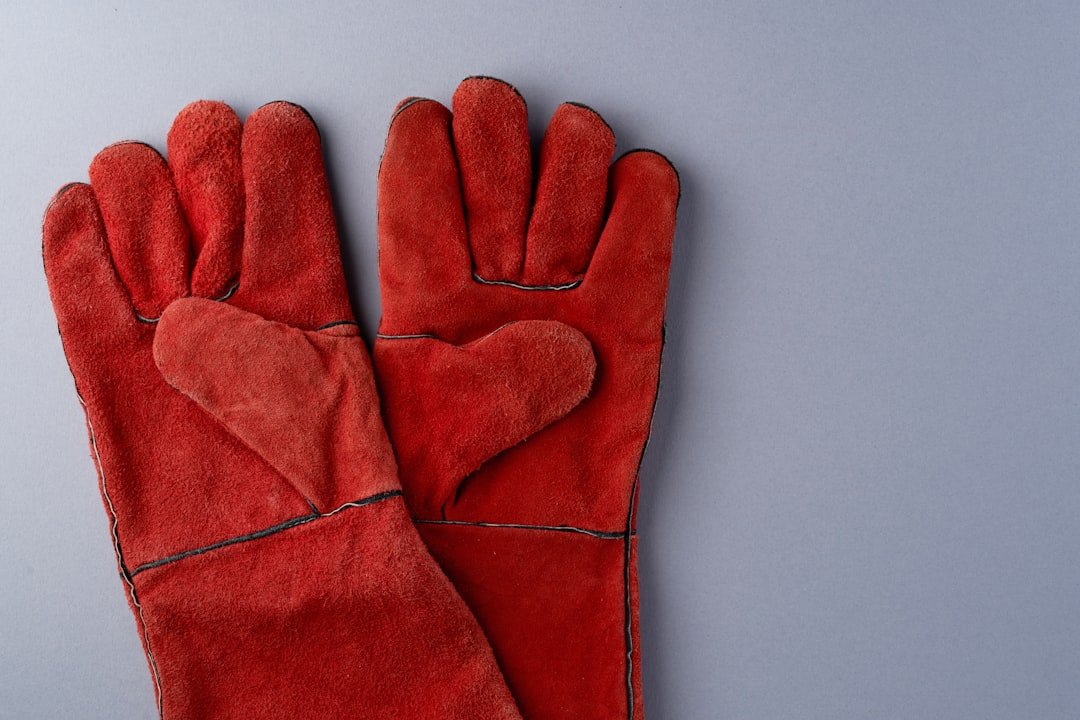
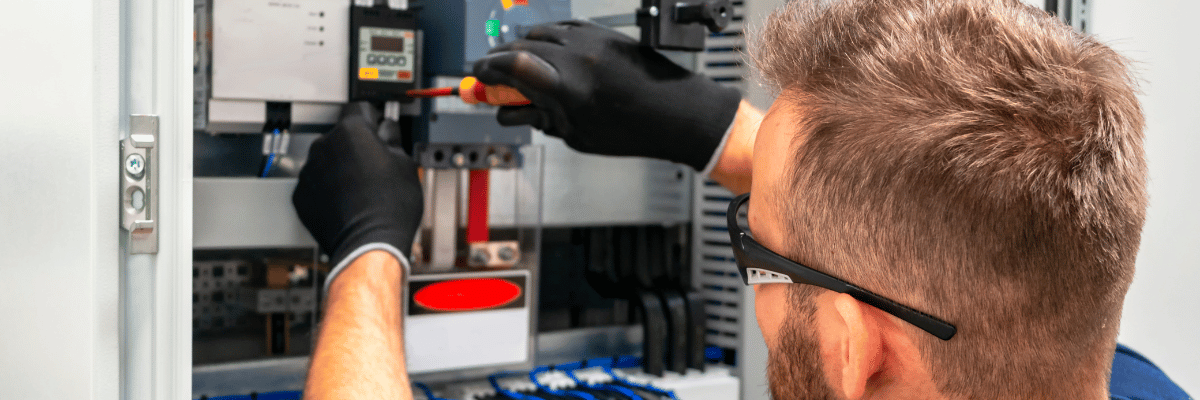
Picture this: you’re about to tackle an electrical repair, confident in your skills, but there’s one crucial tool that can make all the difference between a job well done and a hazardous mistake – insulated gloves. These gloves are your first line of defense against electrical shocks, ensuring your safety while you work.
But how do you choose the right pair? And what’s the best way to use them effectively? In this guide, you’ll discover everything you need to know about using insulated gloves for electrical repairs. We’ll delve into why they’re essential, how they work, and the best practices to ensure you’re protected every time you handle electrical tasks.
By the end, you’ll feel empowered and ready to face any electrical challenge safely. So, are you ready to enhance your safety and efficiency with the right gear? Let’s dive in!
Credit: harmonycr.com
Types Of Insulated Gloves
Insulated gloves protect workers during electrical repairs. They prevent electric shocks and injuries.
There are different types of insulated gloves. Each type has a special use and safety level.
Rubber Gloves
Rubber gloves are the main protective gloves for electrical work. They stop electricity from passing through.
These gloves come in various thicknesses and sizes. Thicker gloves offer more protection but less flexibility.
- Made from natural or synthetic rubber
- Provide insulation from electrical currents
- Must be tested regularly for damage
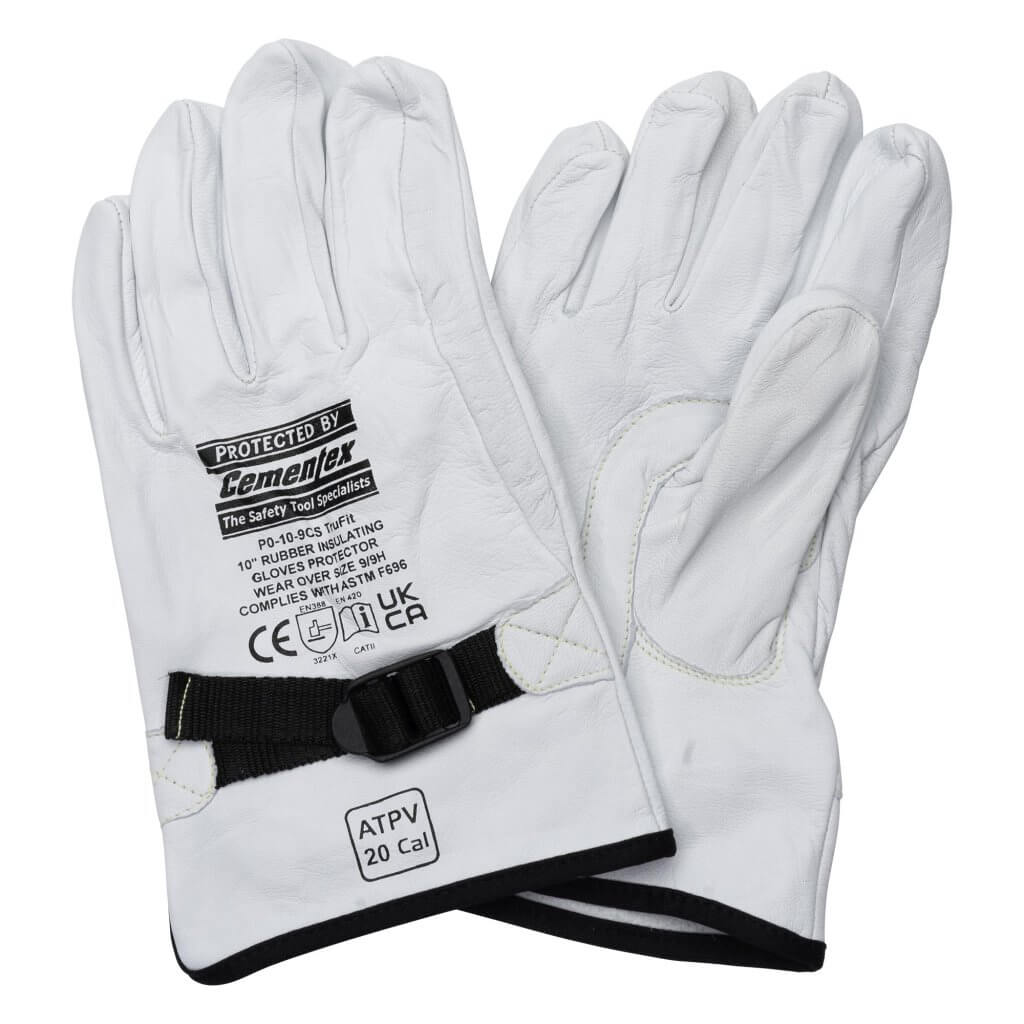
Leather Protectors
Leather protectors are worn over rubber gloves. They protect rubber gloves from cuts and tears.
Leather protectors do not insulate electricity. They only add physical protection to the rubber gloves.
- Made of durable leather material
- Prevent damage to rubber gloves
- Help extend the life of insulated gloves
Class Ratings
Class ratings show the level of protection gloves provide. They are based on the highest voltage the gloves can handle.
Choosing the right class is important for safety. Higher classes protect against higher voltages.
| Class | Maximum Use Voltage | Typical Use |
|---|---|---|
| Class 0 | 1000 volts AC | Low voltage work |
| Class 1 | 7,500 volts AC | General electrical maintenance |
| Class 2 | 17,000 volts AC | Higher voltage repairs |
| Class 3 | 26,500 volts AC | High voltage systems |
| Class 4 | 36,000 volts AC | Extra high voltage work |
Selecting The Right Gloves
Choosing the right insulated gloves is important for safe electrical work. The gloves protect you from electric shocks and injuries.
Use gloves that fit well and match the voltage you will handle. The right material also keeps you safe and comfortable.
Assessing Voltage Levels
Check the voltage level of the electrical system before picking gloves. Different gloves protect against different voltage ranges.
Gloves have classes based on how much voltage they can handle safely. Use gloves rated for higher voltages than your work needs.
- Class 00: Up to 500 volts
- Class 0: Up to 1,000 volts
- Class 1: Up to 7,500 volts
- Class 2: Up to 17,000 volts
- Class 3: Up to 26,500 volts
- Class 4: Up to 36,000 volts
Sizing And Fit
Gloves must fit your hands well to give good protection and comfort. Too tight gloves can tear, and too loose gloves reduce control.
Measure your hand size carefully. Follow the manufacturer’s size chart for the best match. Check the fit by moving your fingers freely.
- Measure hand circumference around the palm
- Measure hand length from wrist to middle finger tip
- Try gloves on before use if possible
- Choose the size that fits snugly without tightness
Material Considerations
Insulated gloves are made from rubber to stop electricity. The rubber must be strong and flexible for safe use.
Some gloves have an outer leather cover to protect from cuts and dirt. The inside rubber layer blocks electrical current.
- Rubber provides electrical insulation
- Leather cover protects from physical damage
- Check gloves for cracks or holes before use
- Store gloves in a cool, dry place to keep material strong
Inspecting Gloves Before Use
Before using insulated gloves for electrical repairs, inspect them carefully. This helps keep you safe from electric shocks.
Check the gloves for any signs of wear or damage. Do not use gloves that look unsafe.
Visual Checks
Look closely at the gloves for cuts, holes, or cracks. Make sure the surface is smooth and clean.
Check the gloves for dirt or oil that can cause slips. Also, look at the cuffs for tears or damage.
- Inspect the entire glove surface
- Check inside the gloves for dirt
- Look at seams and edges carefully
- Ensure gloves are dry and clean
Air Inflation Test
To test for small holes, gently inflate the gloves with air. Tie or seal the opening to keep air inside.
Hold the gloves and check if air leaks out. If you hear or feel air escaping, the gloves are unsafe.
- Inflate gloves slowly and fully
- Seal the opening tightly
- Listen for hissing sounds
- Feel for escaping air with your hand
- Do not use gloves that lose air
Checking For Damage
Check for any soft spots or hard areas on the gloves. These can mean damage inside the material.
Look for discoloration or sticky areas. These signs show the gloves may be weakened or unsafe.
- Feel the gloves for unusual texture
- Look for stains or dark spots
- Check if gloves are stiff or cracked
- Replace gloves with any damage
Proper Usage Techniques
Using insulated gloves correctly is important for safety during electrical repairs. Proper handling keeps you safe from electric shocks.
This guide covers key techniques to wear and use insulated gloves properly. Follow these steps to protect yourself well.
Donning And Doffing
Put on insulated gloves carefully to avoid damage and ensure full protection. Remove gloves without touching the outside surface.
- Check gloves for tears or holes before wearing.
- Wear cotton liners if needed for comfort and sweat control.
- Put on gloves by holding the cuff and pulling them fully over your hands.
- Make sure the gloves fit snugly without wrinkles.
- To remove, pull from the cuff and avoid touching the outer glove surface.
- Store gloves in a clean, dry place after use.
Avoiding Contamination
Keep insulated gloves clean to maintain their protective qualities. Dirt, oils, and chemicals can weaken the gloves.
Always wash your hands before and after wearing the gloves. Avoid touching dirty surfaces with gloves on.
| Contaminant | Effect on Gloves |
| Oils and Grease | Can degrade insulation |
| Dirt and Dust | May hide damage |
| Chemicals | Cause material breakdown |
| Moisture | Reduces electrical resistance |
Working With Other Ppe
Insulated gloves work best with other personal protective equipment. Use them with tools and gear designed for electrical safety.
- Wear safety glasses or face shields to protect your eyes.
- Use insulated tools to avoid electric shock.
- Wear flame-resistant clothing for added protection.
- Make sure gloves do not interfere with other PPE.
- Check that all PPE fits well and does not restrict movement.
Maintenance And Storage
Insulated gloves protect workers from electric shocks. Proper care helps keep gloves safe and effective.
Cleaning, storing, and testing gloves regularly increase their lifespan and safety.
Cleaning Methods
Clean gloves after each use to remove dirt and oils. Use mild soap and warm water only.
Avoid harsh chemicals or solvents. They can damage the glove’s insulation.
- Use a soft cloth or sponge to wipe the gloves
- Rinse with clean water to remove soap
- Dry gloves completely in a cool, dry place
- Do not use direct heat or sunlight to dry
Storage Conditions
Store gloves in a cool, dark, and dry place. Avoid sunlight, heat, and moisture.
Keep gloves away from sharp objects and chemicals. Use a clean storage bag or box.
- Keep gloves flat or hanging to avoid creases
- Store at temperatures between 10°C and 30°C (50°F to 86°F)
- Avoid places with ozone or electrical equipment nearby
- Inspect gloves before storing to ensure they are clean and dry
Regular Testing
Test gloves often to check for holes, cracks, or damage. Testing keeps them safe to use.
Follow the testing schedule recommended by safety standards or glove manufacturers.
- Visual inspection before and after each use
- Electrical testing by trained personnel every 6 months or as required
- Remove gloves from service if any damage is found
- Keep records of all tests and inspections
Credit: oberoncompany.com
Common Safety Mistakes
Using insulated gloves is essential for electrical repairs. Many workers make safety mistakes that put them at risk. Knowing these errors helps keep you safe.
Always follow safety rules to avoid accidents. This guide shows common mistakes to avoid with insulated gloves.
Using Damaged Gloves
Using gloves with holes or tears is dangerous. Damaged gloves can let electricity pass through. This puts your hands at risk of shocks and burns.
Always check gloves before use. Never wear gloves that show signs of damage. Replace them immediately to stay protected.
Ignoring Voltage Limits
Each insulated glove has a voltage rating. Using gloves beyond this limit is unsafe. The gloves may not stop electric current properly.
Know the voltage of the equipment you work on. Choose gloves that match or exceed that voltage. This reduces the chance of electric shock.
- Check voltage rating on glove label
- Match gloves to the job’s voltage level
- Do not guess or assume safety
Neglecting Regular Inspections
Gloves can wear out over time. Dirt, sweat, and sunlight can weaken them. Skipping regular inspections increases risk of failure.
Inspect gloves before and after each use. Look for cracks, holes, or stiffness. Testing gloves regularly keeps you safe.
- Visual check for visible damage
- Air test to find hidden holes
- Follow manufacturer inspection rules

Credit: www.familyhandyman.com
Frequently Asked Questions
What Are Insulated Gloves For Electrical Repairs?
Insulated gloves protect against electric shocks during repairs. They prevent current flow to the skin. These gloves are made from rubber or similar insulating materials. They are essential for safety in electrical work environments.
How To Choose The Right Insulated Gloves?
Select gloves rated for the voltage level you work with. Consider glove size for comfort and dexterity. Check for compliance with safety standards like ASTM or IEC. Always inspect gloves before use for any damage or wear.
How To Maintain Insulated Gloves Properly?
Store gloves in a cool, dry place away from sunlight. Regularly clean them with mild soap and water. Avoid exposure to oils, chemicals, or sharp objects. Inspect gloves for cracks or holes before every use to ensure safety.
When Should Insulated Gloves Be Replaced?
Replace gloves immediately if you find any cuts, tears, or punctures. Follow the manufacturer’s recommended lifespan for maximum safety. Frequent use and exposure to harsh conditions may require earlier replacement. Never use damaged gloves during electrical repairs.
Conclusion
Using insulated gloves protects you from electrical shocks. Always check gloves for damage before starting work. Choose the right gloves for the voltage level. Keep gloves clean and store them properly. Regular testing ensures they stay safe and effective. Remember, safety is key when handling electrical repairs.
Wear your gloves with care every time. Stay safe and complete your work confidently.