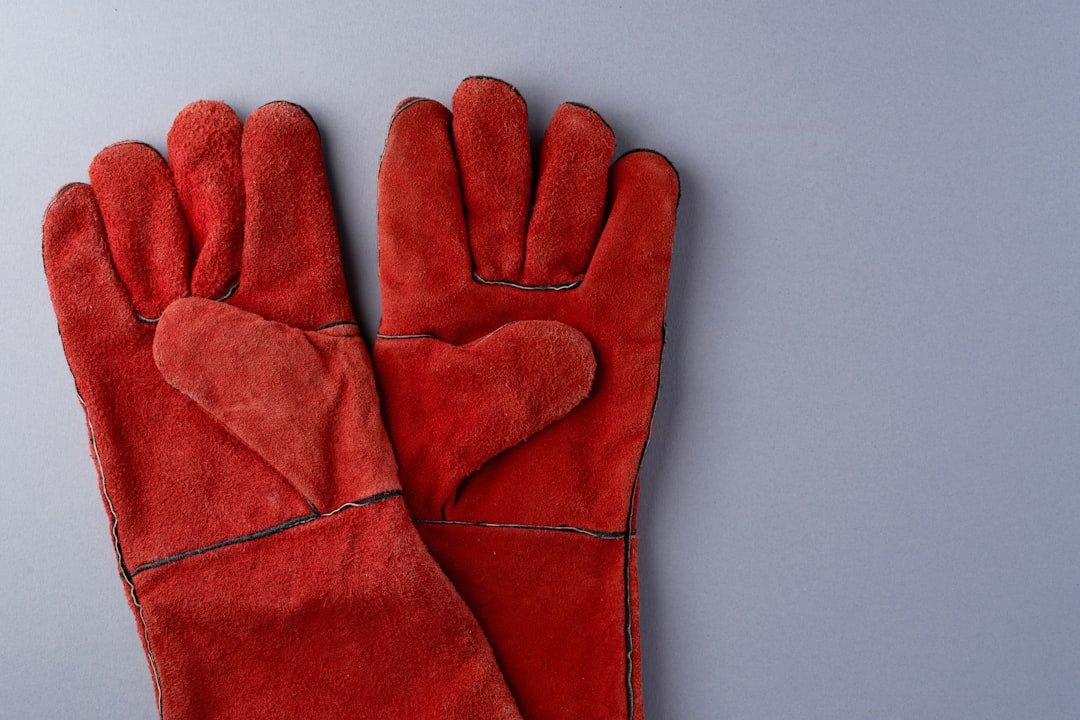
When you’re dealing with electrical tasks, safety should be your top priority. One simple mistake can lead to serious injuries or even life-threatening situations.
That’s where insulated gloves come into play. They are your first line of defense against electrical hazards. But do you know how to choose the right ones and use them effectively? In this guide, you’ll discover everything you need to know about using insulated gloves for electrical tasks.
Imagine having the confidence to handle electrical jobs safely, knowing that you’re fully protected. This isn’t just about following rules; it’s about ensuring your peace of mind and safeguarding your well-being. Keep reading, and you’ll gain the insights you need to work with electricity safely and efficiently.
Importance Of Insulated Gloves
Insulated gloves are essential for anyone working with electricity. They help protect hands from electric shocks. Wearing the right gloves can save lives and prevent serious injuries.
These gloves are made with special materials that stop electricity from passing through. They are a key part of safety gear for electricians and maintenance workers.
Protection Against Electrical Hazards
Electricity can cause burns, shocks, and other dangers. Insulated gloves create a barrier between your skin and live wires. They reduce the risk of accidents in dangerous work environments.
- Prevent electric shock by blocking current flow
- Protect against burns caused by electrical arcs
- Keep hands dry and safe from moisture
- Improve grip on tools and wires
Types Of Electrical Injuries Prevented
Insulated gloves help avoid many common electrical injuries. These injuries can be severe and cause long-term harm.
| Injury Type | Description |
| Electric Shock | When current passes through the body causing pain and muscle spasms. |
| Electrical Burns | Damage to skin and tissues from heat generated by electricity. |
| Arc Flash Injuries | Burns and eye damage caused by sudden electrical explosions. |
| Nerve Damage | Long-term harm to nerves from electric current. |

Credit: www.safetyandhealthmagazine.com
Choosing The Right Gloves
Using insulated gloves is important for safety in electrical work. The right gloves protect you from electric shock and injury.
Choosing gloves depends on the voltage level, material, and fit. Each factor helps keep you safe and comfortable.
Voltage Ratings And Classifications
Insulated gloves have voltage ratings that show the highest voltage they can protect against. You must select gloves with a rating above the voltage you will work with.
Gloves are divided into classes based on these voltage limits. Using the correct class keeps you safe during electrical tasks.
- Class 00: Up to 500 volts
- Class 0: Up to 1,000 volts
- Class 1: Up to 7,500 volts
- Class 2: Up to 17,000 volts
- Class 3: Up to 26,500 volts
- Class 4: Up to 36,000 volts
Material Options And Their Benefits
Most insulated gloves are made from rubber. Rubber stops electricity from passing through to your skin.
Some gloves have an outer leather layer. This layer protects the rubber from cuts and rough surfaces.
- Rubber: Provides insulation and flexibility
- Leather: Adds durability and abrasion resistance
- Combination: Rubber inside, leather outside for best safety
Sizing And Comfort Considerations
Gloves must fit well to keep you safe and let you work easily. Gloves that are too tight or too loose can cause problems.
Choose gloves that allow good movement. Check the size charts from the glove maker before buying.
- Measure your hand width and length
- Try gloves for a snug but comfortable fit
- Check finger and wrist length for full coverage
- Consider gloves with liners for extra comfort
Inspection And Maintenance
Insulated gloves protect you from electrical shocks. Proper care keeps them safe to use. Regular inspection and maintenance help find damage early.
Follow simple checks before wearing gloves. Clean and store them correctly. Test gloves often to ensure they work well.
Visual Checks Before Use
Look over your insulated gloves each time before use. Check for holes, tears, or cracks. Make sure the gloves are dry and clean. Damage can cause electric shocks.
- Inspect the surface for cuts or punctures
- Check the gloves for stiffness or soft spots
- Look for any dirt or contamination
- Ensure the gloves fit properly
- Verify there are no signs of chemical damage
Cleaning And Storage Tips
Clean gloves after use with mild soap and water. Avoid harsh chemicals that can weaken the material. Dry gloves naturally away from heat. Store gloves in a cool, dry place.
| Cleaning Step | Details |
|---|---|
| Rinse | Use clean water to remove dirt |
| Wash | Apply mild soap gently with a soft cloth |
| Rinse Again | Remove all soap residue |
| Dry | Air dry away from direct sunlight or heat |
| Storage | Keep gloves flat or hung in a dry, cool area |
Testing Frequency And Procedures
Test insulated gloves regularly to ensure safety. Follow the schedule set by safety rules or glove manufacturers. Use approved electrical testing equipment.
- Check gloves visually before each use
- Perform electrical tests every 6 months or as required
- Record all test results for future reference
- Remove gloves from use if any defect is found
- Replace gloves after a failed test or damage
Proper Usage Techniques
Using insulated gloves correctly is essential for safety during electrical tasks. Proper techniques protect you from electric shocks and injuries.
This guide explains how to put on, use with other protective gear, and avoid common errors with insulated gloves.
Donning And Removing Gloves Safely
Always check gloves for damage before use. Clean hands and dry them well to avoid slipping.
- Hold the glove at the cuff and insert your hand slowly.
- Adjust the glove to fit snugly without stretching.
- To remove, grasp the cuff and pull the glove off inside out.
- Dispose of or store gloves safely after use.
Using Gloves With Other Ppe
Combine insulated gloves with other protective equipment for better safety. Gloves must fit well with sleeves and wrist covers.
| Protective Gear | How to Use with Gloves |
| Safety Sleeves | Wear sleeves over glove cuffs to cover wrists fully. |
| Insulated Tools | Use gloves to handle tools to avoid direct contact. |
| Face Shields | Make sure gloves do not interfere with helmet or shield fit. |
Avoiding Common Mistakes
Many accidents happen due to simple errors. Avoid these mistakes to stay safe.
- Do not use gloves with cuts or tears.
- Never touch electrical parts with bare hands before putting gloves on.
- Avoid wearing gloves that are too loose or too tight.
- Do not use gloves for tasks they are not rated for.
- Keep gloves away from oils, solvents, and sharp objects.
Compliance And Safety Standards
Using insulated gloves for electrical work is critical for safety. These gloves protect against electric shocks and burns.
Following compliance and safety standards ensures gloves meet quality and protection requirements. Always use gloves that comply with industry rules.
Relevant Industry Regulations
Regulations guide manufacturers and users on safe insulated glove use. They set minimum safety levels and testing methods.
Standards vary by country but share common goals: protect workers and prevent accidents. Employers must follow these rules strictly.
- OSHA (Occupational Safety and Health Administration) requires protective gloves for electrical tasks in the U.S.
- IEC 60903 is an international standard for insulating gloves used in electrical work.
- EN 60903 applies in Europe and ensures gloves meet performance and testing criteria.
- NFPA 70E provides guidelines on electrical safety and personal protective equipment (PPE).
Certifications To Look For
Certified gloves confirm they passed strict tests for insulation and durability. Checking for certification protects workers.
Look for marks from recognized labs or organizations. These certifications show the gloves meet electrical safety standards.
- ASTM D120 certification means gloves meet U.S. electrical insulation standards.
- CE marking shows gloves comply with European health and safety laws.
- ISO 9001 indicates the manufacturer follows quality management practices.
- Electrical hazard (EH) rated gloves are tested for protection against electric shock.

Credit: www.envirosafetyproducts.com
Handling Emergencies
Electrical tasks can be risky, so it is important to act fast during emergencies. Using insulated gloves helps protect you. But knowing what to do if something goes wrong is key.
This guide covers how to respond to glove damage and provide first aid for electrical incidents. Follow these steps to stay safe and help others.
Responding To Glove Damage
If you notice damage to your insulated gloves, stop work immediately. Damaged gloves can cause electric shock or burns. Do not use gloves with holes, cracks, or tears.
- Remove yourself from the electrical source safely.
- Inspect the gloves for any visible damage.
- Report the damage to your supervisor or safety officer.
- Replace the damaged gloves with a new, tested pair before resuming work.
- Do not attempt to repair damaged gloves yourself.
First Aid For Electrical Incidents
In case of an electrical accident, quick first aid can save lives. First, disconnect the power source if safe. Then check the injured person’s condition.
| Action | Details |
| Check Responsiveness | Speak to the person and look for signs of consciousness. |
| Call Emergency Services | Dial emergency numbers immediately for professional help. |
| Perform CPR | If the person is not breathing, start CPR if trained. |
| Treat Burns | Cool burns with running water for 10 minutes, do not apply creams. |
| Keep Person Safe | Move away from electrical hazards but avoid moving them unnecessarily. |

Credit: www.envirosafetyproducts.com
Frequently Asked Questions
What Are Insulated Gloves For Electrical Tasks?
Insulated gloves protect against electric shocks during electrical work. They prevent current flow, ensuring worker safety. These gloves are made from rubber or similar materials. They meet specific standards for voltage protection. Using them reduces injury risks significantly on the job.
How To Choose The Right Insulated Gloves?
Select gloves based on voltage rating and task type. Check for certification marks like ASTM or IEC standards. Consider glove size and comfort for prolonged use. Inspect gloves regularly for damage or wear. Proper selection ensures maximum electrical protection and safety.
How To Maintain Insulated Gloves Properly?
Store gloves away from heat, sunlight, and chemicals. Clean them with mild soap and water after use. Dry gloves thoroughly before storage to prevent damage. Inspect gloves for cracks or holes before each use. Proper care extends glove life and maintains safety performance.
Can Insulated Gloves Protect Against All Electrical Hazards?
Insulated gloves protect against electric shock but not all hazards. They do not guard against mechanical injuries or chemical exposure. Use gloves alongside other protective equipment for full safety. Always follow safety protocols and training during electrical tasks.
Conclusion
Using insulated gloves keeps you safe during electrical work. Always choose gloves that fit well and meet safety standards. Regularly check gloves for damage before each use. Clean and store them properly to extend their life. Remember, safety is your top priority.
Protect your hands to prevent serious injuries. Stay alert and follow all safety rules. Insulated gloves are a simple way to work safely with electricity. Keep these tips in mind for every task. Safety first, always.