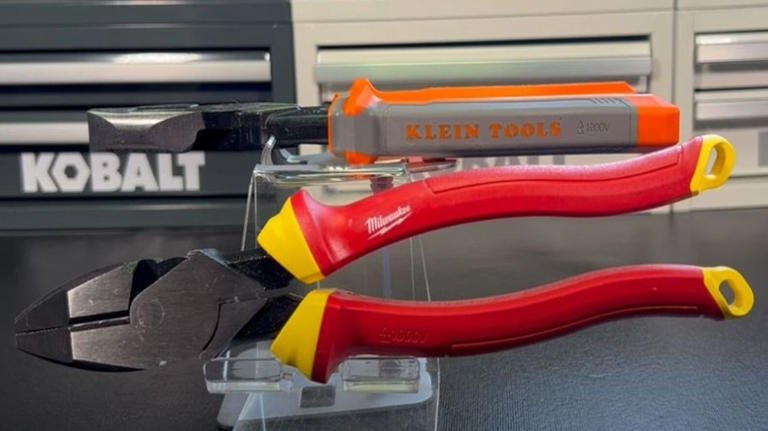
Are you tired of dealing with electrical tasks and worrying about safety? Insulated pliers could be the game-changer you need.
They are not just any tool; they’re your safeguard against electrical hazards. Imagine confidently handling wires, knowing you’re protected from potential shocks. This guide will show you how to use insulated pliers effectively, ensuring both your safety and success in every project.
Stick around to discover tips and tricks that will transform the way you work. Don’t miss out on making your DIY projects safer and more efficient.
Credit: krishanbrothers.com
Types Of Insulated Pliers
Insulated pliers protect you from electric shocks while working. They have special handles that stop electricity.
There are different types of insulated pliers. Each type is good for different tasks.
Slip-joint Pliers
Slip-joint pliers have a movable pivot. This allows you to adjust the jaw size.
They are good for gripping many sizes of objects. You can use them to hold or bend wires.
Needle-nose Pliers
Needle-nose pliers have long, thin jaws. They help reach tight spaces easily.
They are useful for bending small wires and holding tiny parts. Electricians use them for detailed work.
Diagonal Cutting Pliers
Diagonal cutting pliers have sharp jaws for cutting wires. They cut cleanly without crushing the wire.
Use them to trim electrical wires or small nails. Their design makes cutting easy and safe.
Linesman Pliers
Linesman pliers are strong and heavy-duty. They have flat jaws for gripping and cutting wires.
Electricians use them for twisting wires and cutting thicker cables. They are versatile and durable.

Credit: www.amazon.com
Materials Behind Insulation
Insulated pliers have special materials covering their handles. These materials protect users from electric shocks. They also make the tools easier to hold and use.
Each type of insulation material has its own features. Knowing these can help you choose the right pliers for your needs.
Rubber Coatings
Rubber coatings are common for insulated pliers. They provide good grip and comfort. Rubber also resists heat and electricity well. This makes it a safe choice for electrical work.
Vinyl Handles
Vinyl handles are made from a type of plastic. They are smooth and easy to clean. Vinyl is also resistant to oils and chemicals. This makes it useful in many work environments.
- Vinyl handles are lightweight
- They often come in bright colors for visibility
- Vinyl can wear out faster than rubber
- They provide moderate electrical insulation
Composite Materials
Composite materials combine different substances. These materials improve strength and insulation. They can be lighter than rubber or vinyl alone. Composites offer good durability and safety.
| Material | Advantages | Disadvantages |
| Rubber Coatings | Good grip, heat resistant, strong insulation | Can degrade over time |
| Vinyl Handles | Lightweight, chemical resistant, bright colors | Less durable, moderate insulation |
| Composite Materials | Strong, durable, lightweight | Usually more expensive |
Choosing The Right Pliers
Insulated pliers protect you from electric shocks. Choosing the right pair keeps you safe and efficient. You need to consider several key factors before buying them.
This guide covers voltage ratings, grip and comfort, and durability factors. Each helps you pick the best insulated pliers for your tasks.
Voltage Ratings
Voltage ratings show the highest voltage the pliers can safely handle. Always pick pliers with a rating higher than your work voltage. This prevents electric shocks and accidents.
| Voltage Rating | Typical Use |
| 250V | Low voltage electronics |
| 500V | Household wiring |
| 1000V | Industrial and high voltage work |
Grip And Comfort
Good grip reduces hand strain and slips. Look for cushioned handles with non-slip surfaces. Comfortable pliers let you work longer without pain.
- Soft, rubberized grips for comfort
- Ergonomic shape for better control
- Handle size that fits your hand
- Non-slip texture for safety
Durability Factors
Durable pliers last longer and handle tough jobs. Check the materials and build quality. Steel jaws with rust resistance improve lifespan.
| Durability Feature | Benefit |
|---|---|
| Hardened steel jaws | Resist wear and tear |
| Rust-resistant coating | Lasts in wet or humid areas |
| Strong insulated handles | Withstand drops and pressure |

Credit: www.amazon.ca
Safe Handling Practices
Using insulated pliers safely helps protect you from electric shocks. Always follow safety rules to avoid accidents.
Proper handling also keeps your tools in good condition. This guide covers key safe practices for using insulated pliers.
Inspecting Before Use
Check insulated pliers before each use. Look for cracks, cuts, or worn insulation on the handles.
Damaged insulation can cause electric shocks. Also, test the tool’s jaws and joints to ensure they work smoothly.
- Look for cuts or cracks on the handle insulation
- Check if the pliers open and close easily
- Make sure the jaws align properly and grip well
- Do not use pliers with visible damage
Proper Grip Techniques
Hold insulated pliers firmly but not too tight. Keep your hand dry and free from oil or grease.
Place your fingers around the handles to control the tool well. Avoid holding near the metal parts to stay safe from shocks.
- Grip the insulated handles only
- Keep your wrist straight for better control
- Use your whole hand, not just fingers
- Keep hands dry and clean
Avoiding Common Mistakes
Never use insulated pliers as a hammer or pry bar. Misusing tools can damage insulation and cause injury.
Do not touch live wires with bare hands or uninsulated parts of the pliers. Always assume wires are energized.
- Do not use damaged or worn pliers
- Avoid applying too much force on the tool
- Never touch metal parts when working on live circuits
- Store pliers in a dry, safe place after use
Maintenance And Storage
Proper care of insulated pliers helps keep them safe to use. Regular maintenance and good storage extend their life.
Follow simple steps to clean, check, and store your insulated pliers. This keeps their insulation strong and tools ready.
Cleaning Methods
Keep insulated pliers clean to avoid damage. Dirt and grease can wear out the insulation and metal parts.
Use a soft cloth and mild soap with water to clean the handles and metal parts. Avoid harsh chemicals that can harm insulation.
- Wipe handles with a damp cloth
- Clean metal parts with a brush or cloth
- Dry tools fully before storing
Checking Insulation Integrity
Inspect insulated pliers often to find cracks or damage. Damaged insulation can cause electric shocks.
Look for cuts, cracks, or worn areas on the handles. Test insulation by gently bending the handles and checking for splits.
- Examine handles under bright light
- Check for softness or sticky spots
- Replace pliers if insulation is damaged
Storing Safely
Store insulated pliers in a dry, cool place away from heat and sunlight. Heat can damage the insulation material.
Use a toolbox or hang them on a pegboard. Keep pliers separate from sharp tools to avoid cuts to the insulation.
- Store in a clean, dry location
- Keep away from direct sunlight
- Avoid contact with chemicals
- Separate from sharp or heavy tools
Common Applications
Insulated pliers protect you from electric shocks. They are useful in many jobs around the house and work.
These pliers have a special coating on the handles. It stops electricity from passing through to your hand.
Electrical Wiring
Electricians use insulated pliers to work safely with wires. These pliers help cut, bend, and hold wires without risk.
They are essential for fixing outlets, switches, and circuit breakers. Using insulated pliers reduces the chance of shocks.
- Cutting electrical wires
- Bending wires into place
- Holding wires while connecting
- Stripping insulation safely
Automotive Repairs
In car repairs, insulated pliers help protect from electrical parts. They let you work on battery cables and wiring safely.
These pliers are used to grip and twist wires or small parts under the hood. They also help in fixing electrical systems in vehicles.
- Handling battery cables
- Fixing car wiring
- Gripping small parts
- Twisting wires securely
Diy Home Projects
Home projects often involve electrical tasks. Insulated pliers keep you safe when working with wiring or small metal parts.
They are useful for assembling furniture with metal parts or repairing small appliances. Their insulation protects you from accidental shocks.
- Fixing home wiring
- Assembling furniture
- Repairing small appliances
- Holding or bending metal parts
Troubleshooting Tips
Insulated pliers are important tools for safe electrical work. Using them correctly keeps you safe and your work effective.
This guide helps you fix common problems with insulated pliers. It covers wear, slips, breaks, and when to replace them.
Identifying Wear And Tear
Look closely at your insulated pliers before each use. Check for cracks or damage on the handles and jaws.
Wear can reduce the tool’s safety and grip. Small problems can become big risks if ignored.
- Inspect the insulation for cracks or cuts
- Check if the jaws align properly
- Look for rust or corrosion on metal parts
- Test the grip to see if it feels slippery
Handling Slips And Breaks
If the pliers slip during use, stop and check the grip and jaws. Slipping can cause accidents or poor work.
Broken parts like handles or jaws should not be used. They reduce control and increase risk.
- Clean the jaws to remove oil or dirt
- Tighten any loose screws or bolts
- Do not use pliers with cracked insulation
- Replace broken grips or covers immediately
When To Replace Pliers
Replace insulated pliers if you see deep cracks, broken parts, or worn insulation. Safety is the top priority.
Using damaged pliers can cause electric shocks or tool failure. Do not risk your safety to save money.
- Replace if insulation is cracked or missing
- Replace if jaws do not close tightly
- Replace if handles are loose or broken
- Replace if rust or corrosion is severe
Frequently Asked Questions
What Are Insulated Pliers Used For?
Insulated pliers protect against electric shocks while working on live wires. They are essential for electricians handling electrical circuits safely. The insulation prevents current flow through the tool, reducing accident risks. Use them for cutting, gripping, and bending electrical wires.
How To Choose The Right Insulated Pliers?
Select insulated pliers rated for the voltage you work with. Check for certifications like VDE or IEC standards. Consider the tool’s size, grip comfort, and durability. Quality insulation and ergonomic design ensure safety and ease during electrical tasks.
Can Insulated Pliers Handle High Voltage Safely?
Yes, insulated pliers designed for high voltage have rated insulation up to specific limits. Always verify the voltage rating marked on the pliers before use. Using the correct tool prevents electrical hazards and ensures effective protection during high-voltage work.
How To Maintain Insulated Pliers For Safety?
Regularly inspect pliers for cracks or damaged insulation. Clean them after use and store in a dry place. Avoid dropping or exposing them to harsh chemicals. Proper maintenance preserves insulation integrity and extends tool lifespan.
Conclusion
Insulated pliers keep you safe while working with electricity. Choose the right pliers for the task at hand. Always check the insulation for damage before use. Use them carefully to avoid accidents and injuries. Regular cleaning and maintenance help pliers last longer.
Remember, safety comes first in every electrical job. With these tips, you can handle insulated pliers with confidence. Stay safe, work smart, and protect yourself every time.
