
When you work with electricity, safety is your top priority. Insulated pliers are one of those essential tools that can keep you safe.
But do you know how to use them properly? Understanding the correct way to handle these tools can make all the difference between a job well done and a hazardous situation. Imagine working confidently, knowing you’re protected from electrical shocks.
This guide will show you how to use insulated pliers effectively and safely. Ready to empower yourself with the knowledge that could potentially save your life? Keep reading to discover the simple yet crucial steps to ensure your safety every time you pick up those pliers.
Credit: thebombaytools.com
Types Of Insulated Pliers
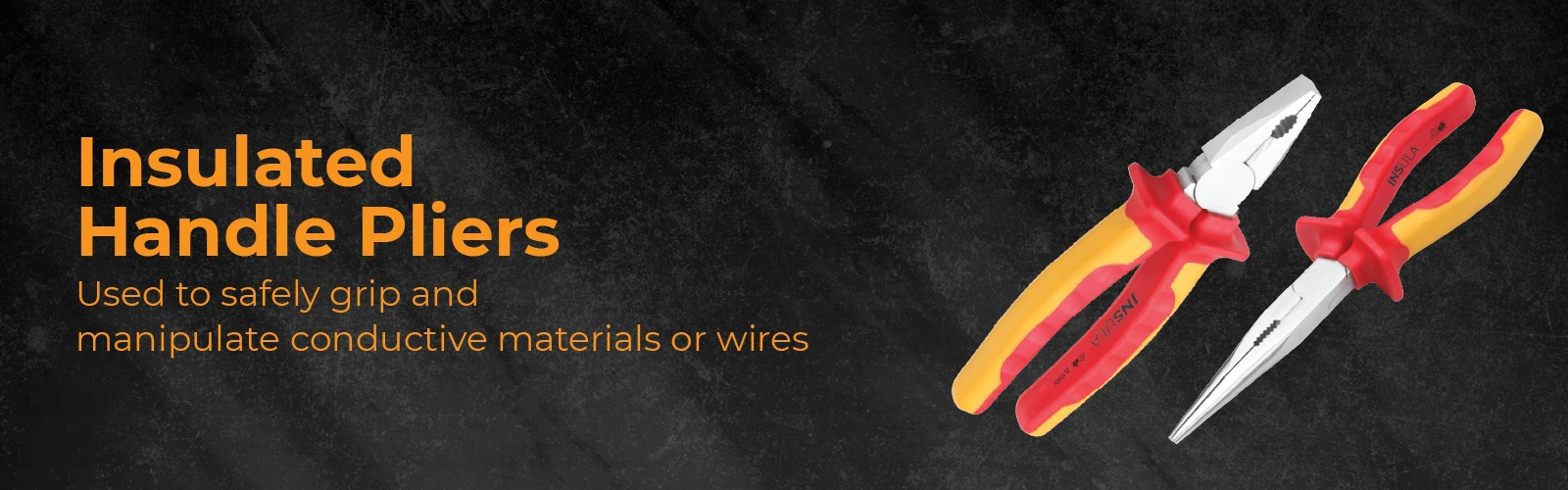
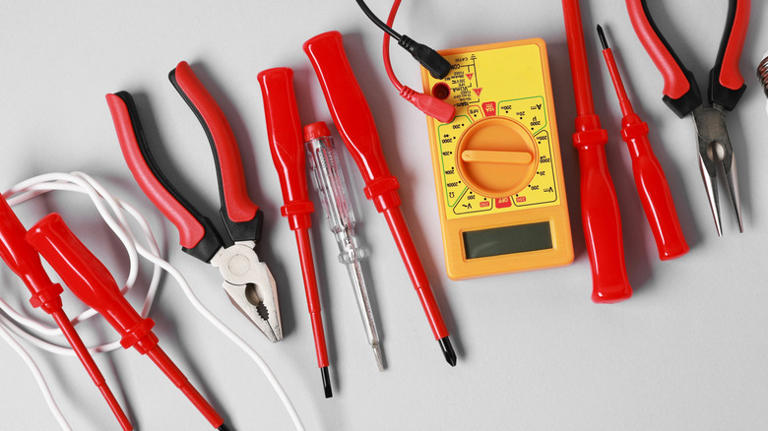
Insulated pliers help protect you from electric shocks. They have handles covered with non-conductive material.
There are different types of insulated pliers. Each type is made for specific tasks in electrical work.
Slip-joint Pliers
Slip-joint pliers have an adjustable pivot. This lets you change the jaw size for gripping different objects.
They are good for gripping pipes, nuts, and bolts. The insulation protects you while working on live wires.
Needle-nose Pliers
Needle-nose pliers have long, thin jaws. They help reach into tight spaces and hold small parts firmly.
Electricians use them for bending wires and placing components. The insulated handles keep you safe from shocks.
Linesman Pliers
Linesman pliers are strong with flat jaws and a cutting edge. They grip, twist, and cut wires easily.
These pliers are common in electrical work. Their insulated grips help avoid electric shocks during use.
Diagonal Cutting Pliers
Diagonal cutting pliers have sharp, angled jaws. They cut wires and small pins cleanly and quickly.
They are perfect for trimming excess wire. Insulation on the handles protects you from electricity.
Credit: www.msn.com
Key Features To Check
Insulated pliers protect you from electric shocks. It is important to check certain features before buying.
These features ensure safety and ease of use. Knowing them helps you pick the right tool for electrical work.
Insulation Rating
Look for the voltage rating on the pliers. It shows how much electric current the insulation can safely handle.
Choose pliers rated for the voltage you will work with. Higher ratings mean better protection.
Grip Comfort
Comfortable grips reduce hand fatigue and improve control. Soft, non-slip handles are best for long use.
- Look for cushioned handles
- Check if grips fit your hand size
- Choose materials that resist slipping
Jaw Strength
Strong jaws hold objects firmly without slipping. They must resist bending or breaking under pressure.
| Material | Durability |
| Chrome Vanadium Steel | High |
| Carbon Steel | Medium |
| Stainless Steel | Medium to High |
Safety Certifications
Check for safety marks like VDE or IEC. These show the pliers meet industry safety standards.
Common safety certifications include:
- VDE (Verband der Elektrotechnik)
- IEC (International Electrotechnical Commission)
- ASTM (American Society for Testing and Materials)
Proper Inspection Before Use
Insulated pliers protect you from electric shocks. Before using them, always check their condition carefully. Inspecting your tools helps keep you safe at work.
Regular inspection finds problems early. Fix or replace damaged pliers to avoid accidents. Follow these steps for a safe check.
Check For Damage
Look closely at the pliers for cracks, chips, or worn parts. Damage can reduce the tool’s safety and performance. Pay special attention to the handles and jaws.
- Check handles for cracks or cuts in insulation.
- Inspect metal jaws for rust or bends.
- Look for loose or missing parts.
- Make sure the cutting edges are sharp and clean.
Verify Insulation Integrity
Insulation keeps you safe from electric shocks. Test it carefully for any damage or wear. Do not use pliers if insulation is weak or broken.
| Inspection Area | What to Check | Action if Damaged |
| Handle Insulation | Cracks, cuts, or peeling | Replace pliers immediately |
| Junction between handle and metal | Gaps or separation | Do not use the tool |
| Insulation rating label | Clear and readable | Verify rating before use |
Test Grip And Movement
Good grip and smooth movement ensure safe handling. Test the pliers by opening and closing them several times. Check if they hold objects firmly without slipping.
- Open and close the pliers fully to check smoothness.
- Grip a small object to test hold strength.
- Listen for unusual sounds like grinding or squeaking.
- Check if the joint moves freely without wobbling.
Safe Handling Practices
Using insulated pliers safely is important to avoid injuries. These tools protect you from electric shocks when working with wires and circuits.
Follow simple safety rules to keep yourself safe and get the job done right.
Wear Appropriate Ppe
Personal protective equipment (PPE) helps protect you while using insulated pliers. Always wear the right gear to stay safe.
Use gloves, safety glasses, and insulated clothing when working with electricity. This gear reduces the risk of electric shock and other injuries.
- Insulated gloves prevent electric current from passing through
- Safety glasses protect eyes from sparks or debris
- Non-conductive boots stop electric flow through your body
Avoid Wet Conditions
Water and electricity are a dangerous mix. Never use insulated pliers in wet or damp places.
Moisture can reduce the insulation and increase the risk of shocks. Keep your tools and work area dry at all times.
- Check your hands and gloves are dry before starting work
- Do not work outside when it is raining
- Store pliers in a dry place after use
Use Correct Tool For Task
Using the right insulated pliers for the job makes work safer and easier. Do not force a tool to do a job it was not made for.
Choose pliers with the correct size and type of insulation for your work. This helps prevent accidents and tool damage.
- Use needle-nose pliers for small, detailed work
- Use lineman’s pliers for cutting and twisting wires
- Check the insulation rating matches the voltage of your task
Maintenance Tips
Keeping insulated pliers in good condition is important for safety. Proper care prevents damage and extends tool life.
Follow simple steps for cleaning, storing, and inspecting your pliers regularly. This helps maintain their performance and safety features.
Cleaning Methods
Clean insulated pliers after each use to remove dirt and grease. Use mild soap and water for best results.
- Wipe the handles with a damp cloth
- Use a soft brush to clean tight areas
- Dry tools completely before storing
- Avoid harsh chemicals that can damage insulation
Storage Recommendations
| Storage Tip | Why It Matters |
| Keep pliers in a dry place | Prevents rust and corrosion |
| Store tools separately | Avoids damage to insulation |
| Use tool organizers | Keeps tools tidy and accessible |
| Do not expose to extreme heat | Protects insulation from melting |
Regular Inspections
Check insulated pliers often for wear or damage. Look closely at the handles and jaws.
- Inspect insulation for cracks or cuts
- Ensure jaws align and grip firmly
- Test the tool’s spring and moving parts
- Replace pliers if any damage is found
Common Mistakes To Avoid
Using insulated pliers correctly keeps you safe from electric shocks. Many accidents happen because of simple mistakes. Avoiding these errors helps protect you and your tools.
This guide highlights common errors people make with insulated pliers. Learn what to watch out for and how to use your tools safely.
Using Damaged Tools
Using insulated pliers with cracks or broken insulation is dangerous. Damaged tools can cause electric shocks or fail during work.
- Check handles for cracks or cuts before use
- Inspect metal parts for rust or bending
- Do not use pliers if insulation is worn off
- Replace tools immediately if damaged
Exceeding Voltage Limits
Insulated pliers are rated for certain voltage levels. Using them on higher voltages can cause tool failure and injury.
| Voltage Rating | Safe Use |
| 1000 V | Use only on circuits under 1000 volts |
| 500 V | Do not use above 500 volts |
| 250 V | Suitable for low-voltage work only |
Ignoring Manufacturer Guidelines
Every insulated plier comes with instructions. Ignoring these can lead to accidents or damage.
Important tips from manufacturers:
- Use tools only for their intended purpose
- Do not apply excessive force
- Keep tools clean and dry
- Store pliers properly after use
When To Replace Insulated Pliers
Insulated pliers protect you from electric shocks. They have a special coating that blocks electricity. Over time, this coating can wear out or get damaged. It is important to know when to replace your insulated pliers to stay safe.
Using damaged pliers can lead to accidents or injuries. Watch for signs that show your pliers are no longer safe. Follow the manufacturer’s advice on replacement too.
Signs Of Wear
Look closely at the insulated coating. Cracks, cuts, or worn spots mean the pliers should be replaced. Check the handles for softness or sticky areas. These signs show the insulation may fail during use.
- Cracks or splits in the insulation
- Discoloration or burnt marks
- Sticky or soft handle grip
- Exposed metal parts
- Loose or damaged joints
After Electrical Incidents
If your insulated pliers have been exposed to a strong electric shock or short circuit, replace them immediately. The insulation can be damaged even if it looks fine. Using pliers after such incidents puts you at risk.
Do not try to test or fix the insulation yourself. Always choose new pliers after any electrical incident. Safety is more important than saving tools.
Manufacturer’s Replacement Timeline
Manufacturers suggest replacing insulated pliers after a set time, even without visible damage. This keeps your tools safe and reliable. Usually, the timeline is between 1 to 5 years depending on use and conditions.
| Usage Frequency | Recommended Replacement Time |
| Daily Use | 1 to 2 years |
| Weekly Use | 3 years |
| Occasional Use | 4 to 5 years |

Credit: coolroommasters.com.au
Frequently Asked Questions
What Are Insulated Pliers Used For?
Insulated pliers protect users from electric shocks. They are ideal for electrical work involving live wires. The insulation prevents current from passing through the handles. This makes them essential for electricians and DIYers working near electricity.
How To Choose The Right Insulated Pliers?
Choose insulated pliers rated for your work voltage. Look for certification marks like VDE or IEC 60900. Consider plier size, grip comfort, and cutting ability. Proper insulation and ergonomic design enhance safety and ease during tasks.
How To Maintain Insulated Pliers Safely?
Regularly inspect insulation for cracks or damage. Clean handles with a damp cloth, avoiding harsh chemicals. Store pliers in a dry place to prevent corrosion. Proper maintenance ensures long-lasting protection and tool reliability.
Can Insulated Pliers Protect Against High Voltage?
Insulated pliers can protect up to their rated voltage limit. Exceeding this limit risks electric shock and tool failure. Always check voltage ratings before use. Never assume all insulated pliers offer the same protection level.
Conclusion
Using insulated pliers safely protects you from electric shocks. Always check the tool’s insulation before use. Keep your hands dry and wear gloves if needed. Avoid working on live wires whenever possible. Store your pliers in a clean, dry place.
Following these simple steps helps prevent accidents. Safety should always come first when handling tools. Stay cautious and take time to work carefully. This guide helps you use insulated pliers the right way. Stay safe and work smart every time.
