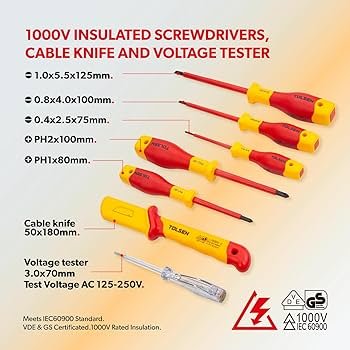
Are you looking for a safe and efficient way to handle electrical tasks? Using insulated screwdrivers could be the key to protecting yourself while working.
These tools are designed to keep you safe from electric shocks, but only if you use them the right way. In this guide, you’ll discover simple tips and tricks to get the most out of your insulated screwdrivers. Keep reading to learn how to work smarter, stay safe, and avoid costly mistakes that could put you at risk.
Your safety and success start here.
Benefits Of Insulated Screwdrivers
Insulated screwdrivers are tools designed for electrical work. They help keep users safe and improve work quality.
This guide explains the main benefits of using insulated screwdrivers on the job.
Protection Against Electric Shocks
Insulated screwdrivers have special handles and shafts. These parts prevent electric current from reaching your hand. Using them lowers the risk of electric shock.
- The insulation blocks live electrical parts
- They meet safety standards for electrical tools
- They allow safe work on live wires and circuits
Durability And Longevity
Insulated screwdrivers are made with strong materials. They resist wear and damage better than regular screwdrivers. This means they last longer and save money over time.
| Feature | Benefit |
| High-quality insulation | Protects tool and user |
| Sturdy metal shafts | Resists bending and breaking |
| Ergonomic handles | Withstands daily use |
Improved Grip And Control
Insulated screwdriver handles are designed for comfort. They provide a secure grip that helps control the tool better. This reduces hand fatigue and improves precision in tasks.
- Non-slip handle materials keep the tool steady
- Shaped grips fit the hand comfortably
- Better control helps prevent damage to screws and parts
Types Of Insulated Screwdrivers
Insulated screwdrivers protect users from electric shock. They have special handles and shafts that block electricity.
Different types of insulated screwdrivers suit various jobs. Knowing these types helps you pick the right tool.
Vde Certified Tools
VDE certified screwdrivers meet strict safety standards. They undergo tests to ensure protection against high voltages.
- Certified for use up to 1000 volts
- Insulation covers handle and shaft
- Regularly tested for durability and safety
- Common in professional electrical work
Non-vde Insulated Options
Non-VDE insulated screwdrivers offer basic protection. They have insulated handles but lack full certification.
| Feature | VDE Certified | Non-VDE Insulated |
| Voltage Protection | Up to 1000V | Limited |
| Certification | Yes | No |
| Handle Insulation | Full | Partial |
| Use Case | Professional | General Purpose |
Specialized Designs For Different Tasks
Some insulated screwdrivers have special tips or shapes. These fit specific screws or work in tight spaces.
- Slotted and Phillips tips for common screws
- Stubby screwdrivers for tight areas
- Torque-limiting handles to avoid over-tightening
- Extra-long shafts for deep screws
Choosing The Right Insulated Screwdriver
Using insulated screwdrivers keeps you safe from electrical shocks. It is important to pick the right one for your work.
Choosing the right screwdriver depends on size, insulation, and comfort. These factors help you work safely and efficiently.
Matching Screwdriver Size And Tip
Select a screwdriver with the correct tip size for your screws. This prevents damage to the screw and tool.
Tips come in different shapes like flathead and Phillips. Match the tip to the screw type for better grip.
- Use a flathead tip for slotted screws
- Choose a Phillips tip for cross-shaped screws
- Pick the right size to avoid slipping
- Check if the tip fits tightly in the screw head
Checking Insulation Ratings
Insulated screwdrivers have ratings that show their safety level. Look for tools tested for electrical protection.
Common ratings include 1000 volts insulation. Always choose a screwdriver with a rating that matches your work needs.
- Check for VDE or IEC certification marks
- Choose screwdrivers rated for at least 1000 volts
- Inspect insulation for cracks or damage before use
- Use only insulated tools on live electrical parts
Ergonomic Considerations
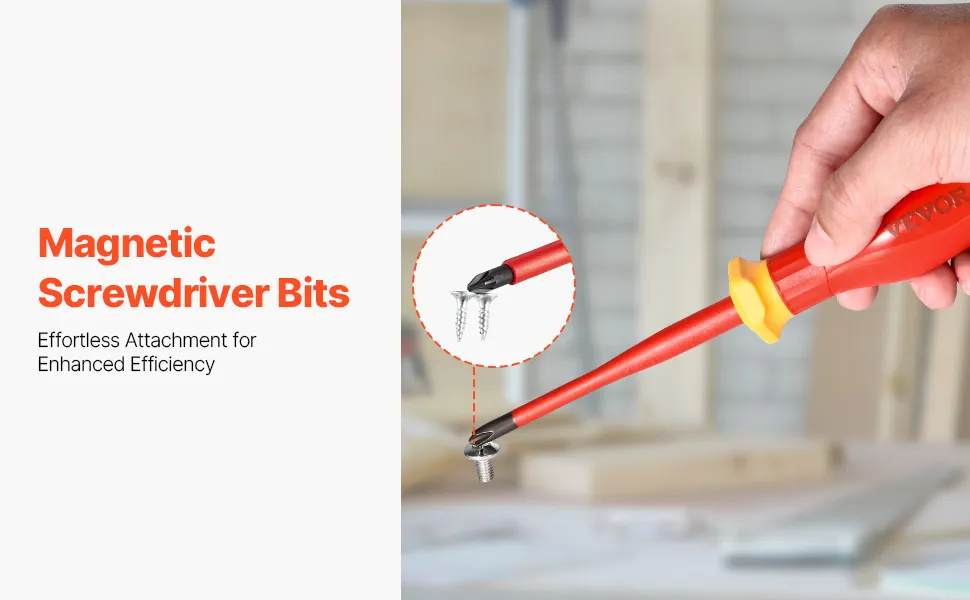
Comfort matters when using screwdrivers for long times. Ergonomic handles reduce hand strain and improve control.
Look for screwdrivers with soft grips and balanced weight. These features make work easier and safer.
- Choose handles with rubber or soft plastic grips
- Pick screwdrivers that fit your hand size well
- Look for non-slip handles for better control
- Lightweight tools reduce fatigue during long tasks
Credit: www.vevor.com
Proper Use Techniques
Using insulated screwdrivers safely requires care and attention. Proper techniques help avoid accidents and tool damage.
This guide covers how to inspect, handle, and avoid mistakes when using insulated screwdrivers.
Inspecting Tools Before Use
Always check your insulated screwdriver before starting work. Look for cracks, worn insulation, or loose parts.
- Ensure the handle insulation is intact and free of damage.
- Check the metal shaft for rust or bending.
- Make sure the tip is clean and not worn out.
- Confirm the screwdriver is rated for the voltage you will work with.
Correct Handling And Positioning
Hold the insulated screwdriver firmly by its handle. Keep your hand clear of the metal shaft.
| Correct Position | Why It Matters |
| Grip handle close to the tip | Improves control and torque |
| Keep screwdriver aligned with the screw | Prevents slipping and damage |
| Apply steady pressure | Reduces risk of injury and stripped screws |
| Do not touch metal parts when energized | Prevents electric shock |
Avoiding Common Mistakes
Many accidents happen due to simple errors. Avoid these common mistakes when using insulated screwdrivers.
- Do not use a screwdriver with damaged insulation.
- Avoid using the tool as a pry bar or chisel.
- Never touch live wires directly, even with insulated tools.
- Do not apply too much force; it may break the tip or slip.
- Keep tools clean and dry to maintain insulation quality.
Maintenance And Storage Tips
Insulated screwdrivers need proper care to work well and last long. Regular maintenance and good storage keep them safe and effective.
Follow simple steps to clean, inspect, and store your tools. Knowing when to replace them also protects your safety.
Cleaning And Inspection
Clean your insulated screwdrivers after each use. Dirt and grease can damage the insulation and metal parts.
- Wipe the handle and metal shaft with a soft cloth.
- Use mild soap and water for tough dirt. Avoid soaking the tool.
- Dry the screwdriver fully before storage.
- Check the insulation for cracks, cuts, or wear.
- Look for rust or bent tips on the metal parts.
- Do not use damaged screwdrivers; they can be unsafe.
Safe Storage Practices
Store insulated screwdrivers in a dry place away from heat and chemicals. Proper storage keeps them in good condition.
- Use a toolbox or rack designed for hand tools.
- Keep screwdrivers separate to avoid damage to insulation.
- Do not leave tools in damp or wet areas.
- Avoid direct sunlight or extreme temperatures.
- Check stored tools regularly for any signs of damage.
When To Replace Insulated Screwdrivers
Replacing screwdrivers at the right time ensures safety and efficiency. Use this table to know when to replace your tools.
| Condition | Reason to Replace |
|---|---|
| Insulation has cracks or cuts | Risk of electric shock |
| Metal tip is bent or worn out | Poor grip on screws |
| Handle is loose or damaged | Tool may slip during use |
| Rust or corrosion present | Weakens the metal, unsafe |
| Tool fails electrical testing | Not safe for electrical work |
Safety Precautions And Best Practices
Using insulated screwdrivers helps protect you from electric shocks. It is important to follow safety rules to stay safe.
This guide covers key safety steps and best practices for using insulated screwdrivers correctly.
Working With Live Circuits
Always assume a circuit is live before you start work. Check the voltage with a tester first.
Use insulated screwdrivers that are rated for the voltage you are working on. This protects you from electric shocks.
- Turn off power if possible before working
- Use insulated tools only on live circuits
- Keep your hands dry and avoid touching metal parts
- Work in a well-lit area to see clearly
Using Personal Protective Equipment
Wear safety gear to protect your body from accidents. PPE reduces injury risks when working with electricity.
Use insulated gloves, safety glasses, and flame-resistant clothing. These items protect your hands, eyes, and skin.
- Insulated gloves protect against shocks
- Safety glasses shield your eyes from sparks
- Wear non-conductive shoes for extra safety
- Choose flame-resistant clothing to avoid burns
Following Industry Standards
Use tools that meet safety standards from recognized organizations. Certified tools ensure reliable protection.
Inspect your insulated screwdrivers regularly for damage. Replace any worn or cracked tools immediately.
- Look for certification marks like VDE or IEC
- Check insulation for cracks before use
- Do not use damaged or worn tools
- Store tools in a dry, safe place
Common Myths And Misconceptions
Many people have wrong ideas about insulated screwdrivers. These myths can lead to unsafe use or poor tool choices.
This guide clears up common false beliefs about insulated tools. Knowing the facts helps keep you safe.
Insulated Tools Guarantee Full Safety
Some think insulated screwdrivers always protect you completely. But no tool can guarantee full safety by itself.
Safety depends on many things like:
- Using tools correctly
- Checking for damage before use
- Wearing other protective gear
- Understanding voltage limits
Insulated tools lower risk but do not remove it. Always follow safety rules.
All Insulated Screwdrivers Are The Same
Many believe all insulated screwdrivers work the same. This is not true. They differ in design and protection level.
| Feature | Low-Voltage Tools | High-Voltage Tools |
| Insulation Thickness | Thin | Thick |
| Voltage Rating | Up to 1000V | Up to 10000V |
| Handle Material | Basic Plastic | Special Rubber |
| Cost | Lower | Higher |
Choose the screwdriver that fits your electrical work needs. Check labels and ratings carefully.
Using Regular Screwdrivers Is Safe Enough
Some users think regular screwdrivers are safe for electrical jobs. This is a risky myth to believe.
Regular screwdrivers do not have insulation to stop electric shocks. Using them can cause serious injury.
- Insulated screwdrivers have special layers to block electricity.
- Regular tools can conduct current and cause shocks.
- Always use the right tool to protect yourself.

Credit: www.amazon.com

Credit: www.youtube.com
Frequently Asked Questions
What Are Insulated Screwdrivers Used For?
Insulated screwdrivers protect users from electrical shocks. They are used for working on live electrical circuits. The insulation prevents current from passing through the handle. This tool is essential for electricians and maintenance workers.
How To Choose The Right Insulated Screwdriver?
Choose based on voltage rating, handle comfort, and tip type. Ensure the insulation meets safety standards like ASTM or IEC. The handle should offer a good grip for precise control. Match the tip size to your specific screws for best results.
Can Insulated Screwdrivers Handle High Voltage Safely?
Yes, insulated screwdrivers are designed for high voltage work. They typically protect up to 1000 volts or more. Always check the tool’s voltage rating before use. Proper insulation and regular inspection ensure safe operation.
How To Maintain Insulated Screwdrivers Properly?
Keep them clean and dry after each use. Inspect insulation regularly for cracks or damage. Store in a protective case to avoid wear. Replace any screwdriver showing signs of insulation failure immediately.
Conclusion
Insulated screwdrivers are essential for safe electrical work. They protect you from electric shocks. Always ensure your tools are in good condition. Check for damage or wear before each use. Clean and store them properly. This increases their lifespan. Choose the right screwdriver for the task.
Use them correctly to avoid accidents. Remember, safety comes first. With these tips, you can work confidently and safely. Insulated screwdrivers are a smart investment for any toolkit. Stay safe, protect yourself, and handle electrical tasks with care. Your safety is in your hands.