If you often work with small hardware, you know how tricky it can be to hold tiny parts steady. That’s where needle-nose pliers become your best friend.
These slim, pointed tools give you the precision and control you need to grip, bend, and twist small items with ease. In this guide, you’ll discover simple tips and tricks to use needle-nose pliers like a pro. By the end, handling delicate hardware will feel easier and more efficient—saving you time and frustration.
Ready to master this handy tool? Let’s dive in.

Credit: www.diversitech-global.com
Choosing The Right Needle-nose Pliers
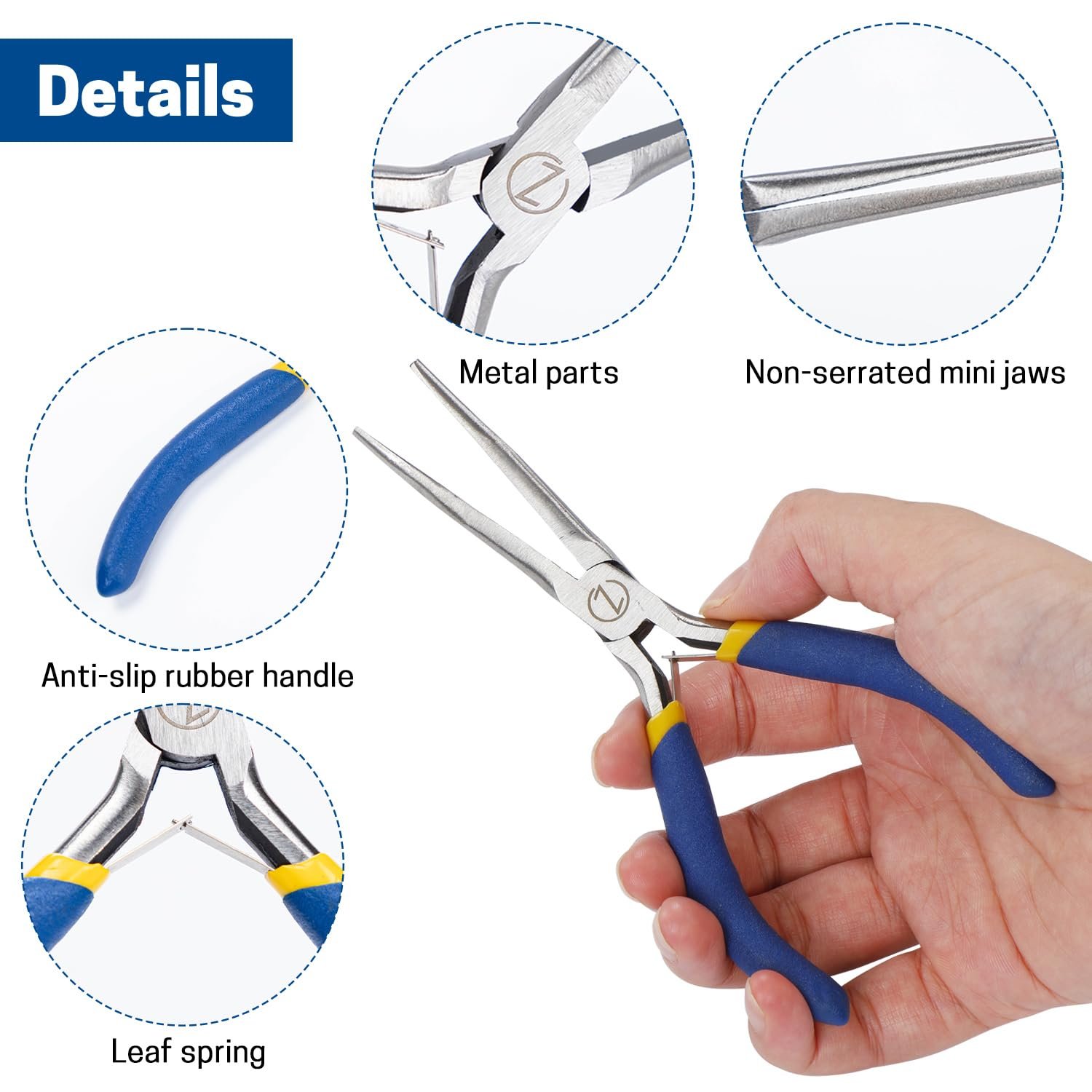
Needle-nose pliers are handy tools for small hardware tasks. Picking the right pair helps you work with precision and ease.
This guide helps you choose needle-nose pliers by looking at types, material, size, and grip.
Types Of Needle-nose Pliers
There are several types of needle-nose pliers. Each suits different tasks and working styles.
- Standard:Long, thin jaws for tight spaces and bending wires.
- Bent Nose:Jaws bend at an angle for better access in tricky spots.
- Round Nose:Smooth, rounded jaws for making loops and curves.
- Wire Cutter Tip:Pliers with a built-in cutter for cutting wires.
Material And Build Quality
Good material and build quality make pliers last longer and work better. Look for these features:
| Material | Benefit |
|---|---|
| Carbon Steel | Strong and durable, resists wear and tear. |
| Stainless Steel | Resists rust and corrosion, good for wet areas. |
| Chrome Vanadium | High strength and good toughness for heavy use. |
| Handles | Non-slip grips improve comfort and control. |
Size And Grip Considerations
Size and grip affect how well you can use needle-nose pliers. Choose based on your hand size and task.
- Choose pliers with a comfortable handle size to avoid hand fatigue.
- Look for cushioned grips to reduce slipping.
- Smaller pliers work best for delicate tasks.
- Larger pliers give more leverage for tougher jobs.

Credit: www.youtube.com
Basic Handling Techniques
Needle-nose pliers are useful for gripping small hardware parts. They help reach tight spaces where fingers cannot fit.
Using them correctly makes your work easier and safer. Learn how to hold and control these pliers well.
Proper Grip And Control
Hold the pliers near the joint for better control. Your thumb should press on one handle, and fingers wrap the other.
Keep a firm but relaxed grip. Too much force can damage parts or tire your hand quickly.
- Place your hand close to the pivot point
- Use your thumb and fingers to squeeze handles evenly
- Avoid gripping too tightly to prevent slipping
Positioning For Precision
Align the tip of the pliers with the hardware part before applying pressure. This helps you work accurately.
Keep the handles steady and move slowly. Small, careful movements give better results than fast, rough ones.
- Hold the pliers so the tip points directly at the part
- Use steady hands to avoid slipping or dropping
- Work in a well-lit area for clear visibility
Safety Measures
Wear safety glasses to protect your eyes from flying debris. Check the pliers for damage before use.
Do not use needle-nose pliers on live electrical wires unless they have insulated handles. Keep your workspace clean to avoid accidents.
- Inspect pliers for cracks or rust before using
- Wear eye protection during tasks
- Avoid using pliers for cutting unless designed for it
- Keep tools away from children
Using Needle-nose Pliers With Small Hardware
Needle-nose pliers are useful tools for working with small hardware. Their long, thin tips help reach tight spaces.
They provide control for bending, holding, and cutting small parts with precision.
Bending And Shaping Wires
Use needle-nose pliers to bend wires gently without breaking them. The narrow tips allow you to shape wires into curves or angles easily.
- Grip the wire near the point where you want to bend.
- Apply steady pressure to avoid kinks.
- Rotate the pliers to shape the wire smoothly.
- Use both hands for stronger wires.
Holding Small Components
Needle-nose pliers hold tiny parts firmly during assembly or repair. Their slim design fits into small spaces without blocking your view.
| Component Type | Tip Shape | Best Grip Method |
| Small screws | Pointed | Pinch firmly near head |
| Wires | Flat or rounded | Hold close to work area |
| Metal rings | Curved | Grip gently to avoid damage |
Cutting With Wire Cutters
Some needle-nose pliers include wire cutters near the hinge. Use them to trim small wires cleanly and safely.
- Place the wire between the cutter blades near the plier pivot.
- Hold the wire steady with one hand.
- Close the handles firmly to cut the wire.
- Check the cut end for sharp edges before handling.

Credit: www.amazon.ca
Maintenance And Care
Needle-nose pliers need regular care to work well and last long. Proper maintenance keeps them sharp and easy to use.
Clean and store them right to avoid damage and rust. This guide helps you keep your pliers in top shape.
Cleaning Tips
After each use, clean your needle-nose pliers to remove dirt and grease. Use a soft cloth or brush for best results.
- Wipe off dirt with a dry cloth.
- Use mild soap and water for tough grime.
- Dry completely to stop rust from forming.
- Avoid using harsh chemicals that may damage the metal.
Lubrication And Rust Prevention
Lubricate the joint of the pliers regularly. This keeps the movement smooth and prevents rust buildup.
| Action | How to Do It | Frequency |
| Lubricate Joint | Apply a drop of light machine oil on the hinge. | Once a month or after cleaning. |
| Rust Prevention | Wipe metal parts with oil to create a protective layer. | After each use or before storing. |
| Inspect for Rust | Check for any rust spots and remove with fine sandpaper. | Monthly or if pliers are stored long-term. |
Storage Best Practices
Store needle-nose pliers in a dry place to avoid moisture. Proper storage protects them from damage and rust.
- Keep pliers in a toolbox with a dry lining.
- Use tool organizers to avoid contact with other tools.
- Avoid leaving pliers outside or in damp areas.
- Consider using silica gel packs to reduce humidity.
Troubleshooting Common Issues
Needle-nose pliers help with small hardware tasks. Sometimes they have problems that stop them from working well.
Fixing these common issues keeps your pliers useful and safe to use.
Dealing With Slipping Jaws
Slipping jaws make it hard to hold small objects tightly. Dirt or wear can cause this problem.
Clean the jaws with a cloth and some rubbing alcohol. Check if the jaws have worn teeth or smooth spots.
- Use a small file to roughen smooth jaw surfaces
- Tighten the pivot bolt if the jaws feel loose
- Replace pliers if jaws cannot grip well after cleaning
Fixing Misalignment
Misaligned jaws do not close evenly. This reduces grip and can damage objects.
Look closely at the jaws to see if one side sits higher or lower. Adjust the pivot bolt to realign them.
- Loosen the pivot bolt slightly
- Gently bend the jaw back into place
- Tighten the bolt again and check alignment
- Repeat if needed until jaws close evenly
When To Replace Your Pliers
Sometimes pliers get too damaged to fix. Using broken tools can be unsafe.
Replace your pliers if the jaws are cracked, bent beyond repair, or if the handles break.
- Jaws do not grip even after cleaning and adjusting
- Pivot bolt is stripped and cannot be tightened
- Handles are cracked or missing grips
- Rust or corrosion affects the tool’s function
Advanced Tips For Expert Use
Needle-nose pliers are useful for small hardware tasks. Expert users can improve their skills with some advanced tips. These tips focus on handling tight spaces, combining tools, and customizing pliers.
Using these techniques helps you work faster and with more precision. Understanding how to adapt your tools makes many small tasks easier.
Using Pliers In Tight Spaces
Tight spaces require careful tool control. Needle-nose pliers have thin jaws to reach narrow areas. You can improve access by holding the pliers at different angles. Also, use the tip of the jaws for very small parts.
- Adjust grip strength to avoid slipping
- Turn the pliers slightly to find the best angle
- Use both hands for more control if possible
- Keep the jaws clean for better grip
- Work slowly to prevent damage to parts
Combining Tools For Efficiency
Using pliers with other tools can speed up your work. Pair them with screwdrivers, tweezers, or small hammers. This allows you to handle different steps without switching tools often.
| Tool Combination | Use Case |
| Needle-nose pliers + Screwdriver | Hold small screws while turning |
| Needle-nose pliers + Tweezers | Pick and place tiny parts |
| Needle-nose pliers + Small hammer | Bend wires and tap gently |
| Needle-nose pliers + Magnifier | Work on very small details |
Customizing Pliers For Specific Tasks
You can change your needle-nose pliers for better results. Adding grips or sanding the jaws helps with certain jobs. Marking the handles with tape can improve comfort and control.
- Wrap handles with rubber tape for a softer grip
- File jaws to create a sharper or smoother edge
- Add a small magnet near the tip to hold metal parts
- Use paint or markers to identify pliers for specific tasks
Frequently Asked Questions
What Are Needle-nose Pliers Used For In Small Hardware?
Needle-nose pliers are ideal for gripping, bending, and cutting small wires. They work well in tight spaces. Their long, narrow jaws offer precision in delicate hardware tasks, making them essential for electronics, jewelry, and intricate repairs.
How Do I Choose The Right Needle-nose Pliers?
Select pliers with comfortable grips and the correct jaw length for your project. Look for quality steel for durability. Consider features like insulated handles if working with electrical components. Choose based on your specific hardware needs for best results.
Can Needle-nose Pliers Cut Wires Effectively?
Yes, many needle-nose pliers have a built-in cutter near the pivot. They can cut thin wires cleanly. However, avoid cutting hard or thick wires to prevent damage. Use proper cutting tools for heavy-duty wire tasks.
How Should I Maintain Needle-nose Pliers For Longevity?
Keep your pliers clean and dry after use. Apply light oil to the pivot joint regularly. Store them in a dry place to prevent rust. Proper maintenance ensures smooth operation and extends their lifespan.
Conclusion
Needle-nose pliers are handy for small hardware tasks. Their slim design makes them ideal for tight spaces. Gripping, bending, or cutting becomes easier with these tools. They are essential in any toolbox. Remember to handle them with care to ensure safety.
Practice will improve your skills over time. Choose the right pair for your specific needs. With patience, you can tackle many projects. These pliers make delicate work simpler. Now, you can confidently use needle-nose pliers for various tasks. Your DIY projects will benefit greatly.
Happy working!