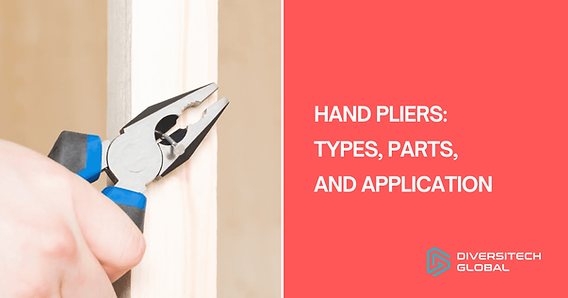
Are you struggling to hold onto tiny screws, nuts, or bolts while working on your projects? Using the right pliers can make all the difference in gripping small hardware with ease and precision.
In this guide, you’ll discover simple tips and techniques that will help you handle even the smallest pieces confidently. Whether you’re a beginner or just looking to improve your skills, learning how to use pliers correctly will save you time and frustration.
Keep reading to unlock the secrets to a stronger grip and smoother DIY experience.
Types Of Pliers For Small Hardware
Pliers are handy tools for gripping small hardware parts. They come in different shapes to fit various tasks.
Choosing the right type helps you hold, twist, or bend small items easily and safely.
Needle-nose Pliers
Needle-nose pliers have long, thin jaws. They reach into tight spaces and hold tiny parts firmly.
These pliers work well for bending wires and gripping small screws or pins.
Slip-joint Pliers
Slip-joint pliers have adjustable jaws. You can change the width to fit different sizes of hardware.
- Two jaw positions for versatility
- Good for gripping and turning nuts or bolts
- Useful for general household repairs
Lineman’s Pliers
Lineman’s pliers have strong, flat jaws and a cutting edge. They grip, twist, and cut wires easily.
| Feature | Use |
| Flat gripping jaws | Hold cables and hardware |
| Cutter near the handle | Cut wires |
| Strong build | Handle tough jobs |
Flat-nose Pliers
Flat-nose pliers have wide, flat jaws. They hold small hardware without slipping or damaging it.
Use flat-nose pliers for:
- Bending metal sheets or wires
- Holding flat objects steady
- Working on jewelry or crafts

Credit: www.youtube.com
Choosing The Right Pliers
Pliers are useful tools for gripping small hardware parts. Picking the right type helps you work safely and efficiently.
This guide explains how to choose pliers based on the task, material, grip, size, and precision you need.
Matching Pliers To Task
Different pliers fit different jobs. Needle-nose pliers are good for tight spaces and fine work. Slip-joint pliers adjust to grip various sizes. Locking pliers hold parts tightly without constant pressure.
- Use needle-nose pliers for bending or holding small wires.
- Slip-joint pliers work well for gripping medium-sized objects.
- Locking pliers are best when you need a strong, steady hold.
- Cutting pliers help with trimming wire ends.
Material And Grip Considerations
Pliers come in many materials. Steel is common for strength and durability. Some have coatings to resist rust. Handle grips can be rubber or plastic for comfort and slip resistance.
| Material | Benefit |
| Carbon Steel | Strong and durable |
| Stainless Steel | Rust resistant |
| Chrome Vanadium | Extra toughness |
| Rubber Grip Handles | Comfort and slip control |
| Plastic Grip Handles | Lightweight and insulating |
Size And Precision Factors
Choose pliers size based on the hardware size. Small pliers offer better control for tiny parts. Larger pliers provide more leverage for bigger items.
- Small pliers suit delicate electronics or jewelry work.
- Medium pliers fit general household jobs.
- Large pliers help with heavy-duty gripping or bending.
- Check the tip shape for precision tasks.
Preparing Pliers For Use
Using pliers to grip small hardware needs care. Preparing your pliers helps you work safely and well.
Cleaning, checking, and lubricating your pliers keep them ready to use. These steps make gripping easier and safer.
Cleaning And Maintenance
Clean your pliers before and after use. Dirt and rust can make them hard to use and damage small parts.
Use a dry cloth to wipe the pliers. For sticky dirt, use mild soap and water, then dry well.
- Remove dirt from the jaws and handles
- Dry completely to prevent rust
- Store in a dry place after cleaning
Inspecting For Damage
Check your pliers for damage before use. Small cracks or bent parts reduce grip and can cause injury.
Look closely at the jaws, handles, and pivot joint. Replace pliers if you see serious damage.
- Check jaws for chips or wear
- Ensure handles are not cracked or loose
- Test the pivot joint for smooth movement
Lubrication Tips
Lubricate the pivot joint to keep pliers moving smoothly. This helps you grip small hardware easily.
Use a light oil or machine lubricant. Apply a small drop, then open and close the pliers several times.
- Clean the joint before applying oil
- Use only a small amount of lubricant
- Wipe off extra oil to avoid slipping
Techniques For Effective Gripping
Using pliers to grip small hardware needs care and skill. Proper techniques help you hold parts firmly without slipping.
Good gripping makes your work easier and prevents damage to the hardware. Learn how to position your hands and apply pressure correctly.
Proper Hand Positioning
Hold the pliers close to the joint for better control. Your thumb and fingers should wrap around the handles firmly but not too tight.
Keep your wrist straight to avoid strain. Position your hand so you can easily open and close the pliers without slipping.
- Grip near the joint for stronger hold
- Wrap thumb and fingers around handles
- Keep wrist straight and relaxed
- Maintain balance between firm and loose grip
Applying Correct Pressure
Press the handles smoothly to avoid sudden force. Use just enough pressure to hold the hardware firmly without crushing it.
Too little pressure can cause slipping. Too much pressure can damage the hardware or tool. Find a balanced grip strength.
- Start with light pressure and increase if needed
- Feel the grip on the hardware carefully
- Adjust pressure to avoid slipping or crushing
- Release pressure slowly to keep control
Avoiding Hardware Damage
Use pliers with smooth or padded jaws for delicate parts. Avoid gripping soft metals too hard to prevent dents or scratches.
If the hardware is very small or fragile, consider wrapping it in cloth or tape before gripping. This adds extra protection.
- Choose pliers with suitable jaw type
- Grip gently on soft or thin materials
- Use padding like cloth or tape for fragile items
- Check hardware after gripping for any marks
Safety Practices While Using Pliers
Pliers are useful tools for gripping small hardware like nails and screws. Using them safely protects your hands and prevents accidents.
Always follow safety practices to avoid injuries and keep your work efficient and safe.
Protective Gear Recommendations
Wear gloves to protect your hands from sharp edges and pinches. Safety glasses keep your eyes safe from flying debris.
- Use gloves with good grip and cut resistance.
- Wear safety glasses to avoid eye injuries.
- Consider wearing long sleeves to protect your arms.
Handling Slips And Misgrips
Hold pliers firmly but do not squeeze too hard. Slips can cause pinches or drop small hardware.
Check the pliers’ grip and adjust your hand position if needed. Keep the tool clean and dry for better control.
- Keep your hands dry to avoid slipping.
- Use the right size pliers for the hardware.
- Do not use pliers on objects they are not designed for.
Safe Storage Tips
Store pliers in a dry place to prevent rust and damage. Keep them in a toolbox or on a pegboard.
Organize your tools to avoid searching and accidental cuts when reaching for pliers.
- Clean pliers before storing them.
- Use a tool rack or toolbox with compartments.
- Keep pliers away from children’s reach.
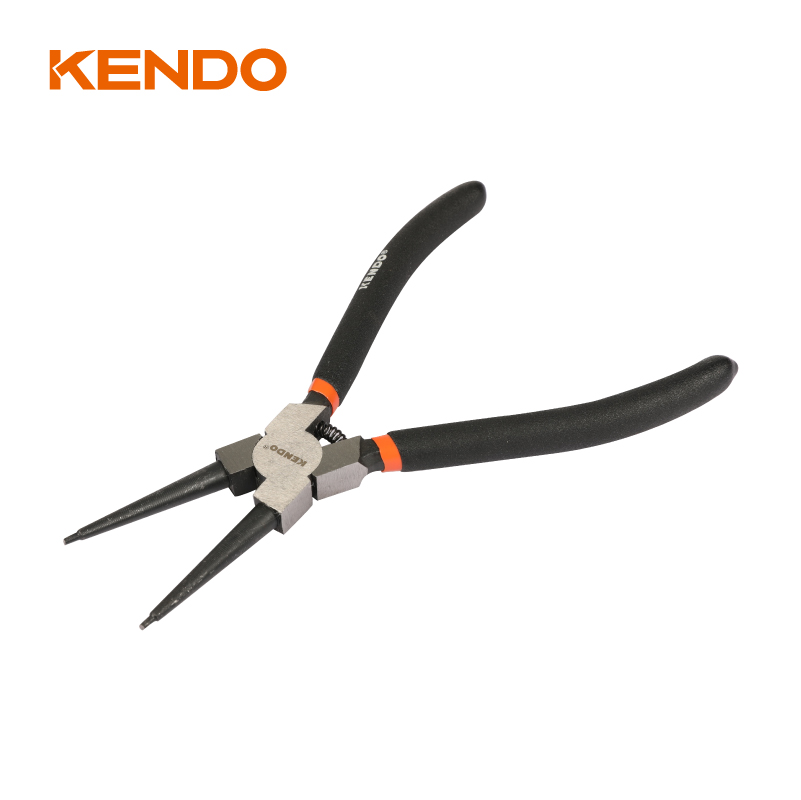
Credit: www.kendo.com
Common Mistakes To Avoid
Pliers help grip small hardware parts firmly. Using them the right way saves time and effort. Avoiding common mistakes keeps the tools and hardware safe.
Here are some mistakes to watch out for when using pliers for gripping small hardware.
Using Wrong Pliers Type
Different pliers suit different jobs. Using the wrong type can damage the hardware or the tool. For example, needle-nose pliers work well for tiny parts, but slip-joint pliers may be too big.
Choose pliers that match the size and shape of the hardware. This helps you grip securely without slipping or breaking parts.
- Needle-nose pliers for tight spaces and small parts
- Slip-joint pliers for adjustable gripping on medium parts
- Linesman pliers for cutting and gripping wires
Over-tightening Grip
Pressing too hard with pliers can damage delicate hardware. Over-tightening may bend or break small screws and parts. It also strains your hands and the tool.
Apply just enough pressure to hold the hardware firmly. If you feel resistance, check if the pliers fit well or if you need a different tool.
- Use gentle, steady pressure
- Stop tightening as soon as the hardware feels secure
- Replace pliers if grips slip or wear down
Ignoring Tool Maintenance
Dirty or rusty pliers lose grip and may slip. Ignoring tool care shortens their life and makes tasks harder. Regular cleaning and checking keeps pliers working well.
Clean pliers after use and oil the joints to prevent rust. Store them in a dry place to keep them in good shape.
- Wipe pliers clean after each use
- Apply light oil to joints monthly
- Store in a toolbox or dry area
Advanced Tips From Experts
Pliers are handy tools for gripping small hardware parts. Experts use special tricks to get better results.
These tips help you work in tight spaces and hold parts firmly without damage.
Customizing Pliers For Specific Jobs
Changing pliers slightly can improve performance for certain tasks. Experts adjust the jaws or handles to fit the job.
You can add rubber covers or sandpaper to prevent slipping. Some users bend jaws a bit for better angles.
- Add soft grips to protect delicate parts
- Bend tips slightly to reach tricky angles
- Use needle-nose pliers for very small hardware
- Replace worn jaws for a tighter grip
Techniques For Hard-to-reach Spots
Working in small or tight areas requires special handling. Experts use slow, steady movements to avoid slips.
Sometimes, they hold the pliers at an angle or use extensions to reach far parts.
- Use angled pliers for corners and tight spaces
- Hold the tool firmly but gently to avoid damage
- Try rotating the pliers for better access
- Use flexible handles for easier positioning
Enhancing Grip With Accessories
Adding accessories can improve how pliers hold small parts. Experts use these to keep hardware from slipping.
Common additions include rubber pads, tape wraps, or custom jaw covers for extra friction.
- Wrap jaws with rubber tape for better grip
- Use silicon covers to protect delicate items
- Add small clamps to hold parts steady
- Try jaw inserts that match hardware shape

Credit: www.amazon.com
Frequently Asked Questions
What Type Of Pliers Work Best For Small Hardware?
Needle-nose pliers are ideal for gripping small hardware. Their narrow tips provide precision and control. They help reach tight spaces and hold tiny parts securely. Choose pliers with comfortable grips for better handling during delicate tasks.
How To Grip Small Hardware Without Damaging It?
Use pliers with smooth or rubberized jaws to avoid scratches. Apply gentle pressure and avoid squeezing too hard. Position the hardware firmly but carefully between the jaws. This prevents slippage and protects the item’s surface during gripping.
Can Regular Pliers Handle Small Hardware Tasks?
Regular pliers can work but may lack precision. They often have wider jaws which reduce control on tiny parts. For best results, use specialized pliers designed for small hardware. This ensures safer and more effective handling.
How Do You Maintain Pliers For Better Grip?
Keep pliers clean and dry to maintain grip quality. Regularly lubricate the pivot joint for smooth movement. Inspect jaws for wear or damage and replace if needed. Well-maintained pliers provide consistent and reliable gripping power.
Conclusion
Mastering the use of pliers can simplify your tasks. Gripping small hardware becomes easier with practice. Choose the right pliers for each job. Always ensure a firm grip for safety. Keep your tools clean and well-maintained. This boosts efficiency and extends their lifespan.
Remember, practice makes perfect. Experiment with different techniques. Soon, using pliers will feel natural and effortless. Stay patient and consistent in your efforts. Your skills will improve over time. Happy gripping!