When you’re on a construction site, your feet are more than just a way to get around—they’re your lifeline to safety and productivity. Imagine stepping onto a site without the right protection.
The ground is a maze of sharp tools, heavy equipment, and unpredictable surfaces. One wrong step could lead to injuries that might cost you more than just time. That’s where safety boots come in. They are not just footwear; they are your first line of defense against the hazards of construction work.
In this guide, you’ll discover how to choose the right safety boots to keep your feet protected and your mind at ease. Whether you’re a seasoned professional or new to the field, understanding the importance of safety boots will empower you to make smart decisions that safeguard your health and enhance your work performance. Read on, and equip yourself with the knowledge to keep your feet safe and your projects on track.
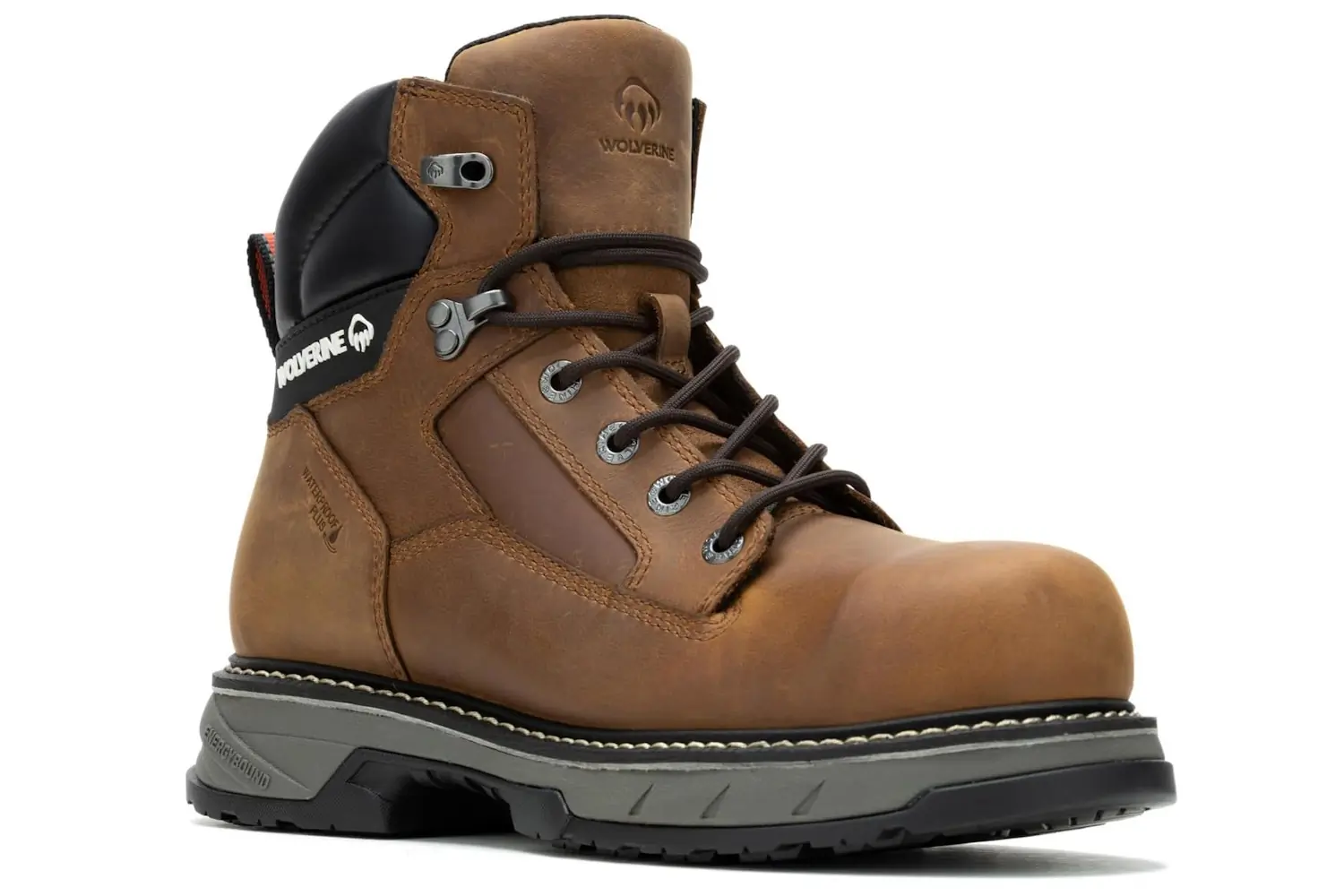
Credit: gearjunkie.com
Choosing The Right Safety Boots
Safety boots protect your feet during construction work. Choosing the right boots helps prevent injuries.
Consider the type, material, and fit before buying safety boots for your project.
Types Of Safety Boots
Different jobs need different safety boots. Some boots protect from impacts, others from chemicals or heat.
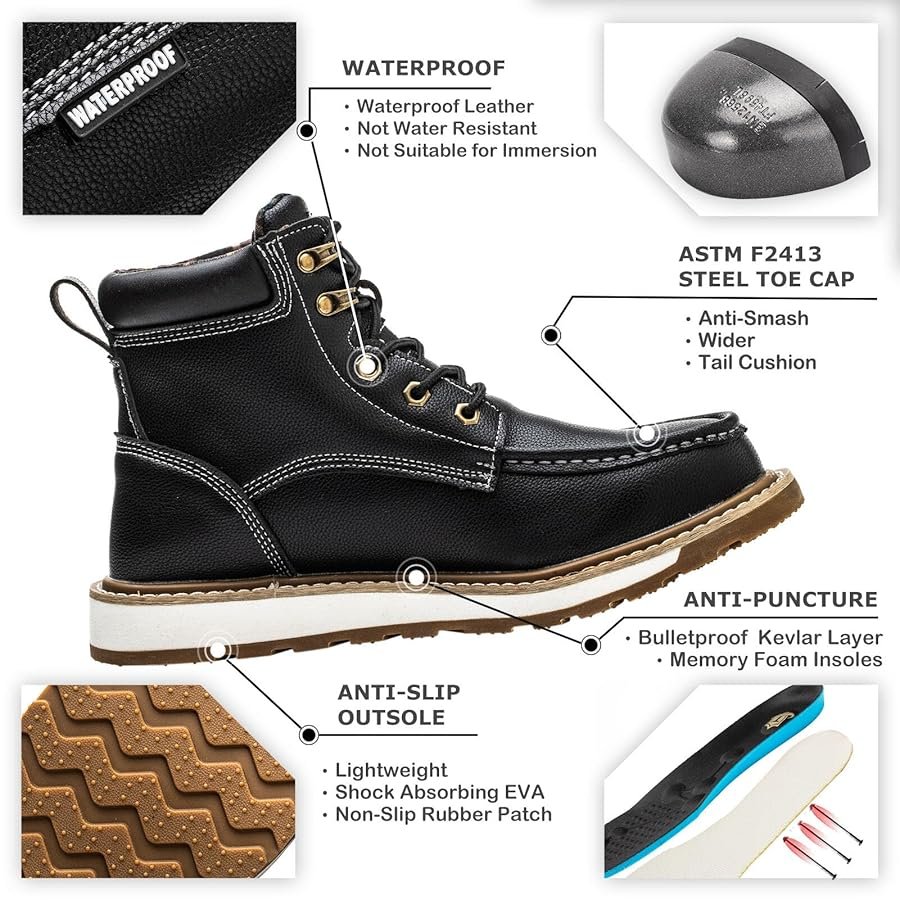
- Steel toe boots: Protect toes from heavy falling objects.
- Composite toe boots: Lighter than steel, good for metal-free zones.
- Metatarsal boots: Cover the upper foot bones for extra safety.
- Waterproof boots: Keep feet dry in wet conditions.
- Electrical hazard boots: Resist electric shocks.
Material Considerations
Boot materials affect comfort and protection. Choose one based on your work environment.
| Material | Benefits | Drawbacks |
| Leather | Durable, water-resistant | Can be heavy, needs care |
| Rubber | Waterproof, good for wet sites | Less breathable, can be stiff |
| Synthetic | Lightweight, breathable | Less durable than leather |
Sizing And Fit Tips
Proper fit keeps feet safe and comfortable. Poor fit can cause blisters and accidents.
- Try boots on with work socks you usually wear.
- Check for enough toe room—about a half-inch space.
- Walk around to test comfort and support.
- Make sure heels do not slip while walking.
- Buy boots that fit well at the end of the day when feet are largest.
Key Safety Features
Safety boots protect workers on construction sites. Choosing the right boots helps prevent injuries.
This guide explains important safety features to consider for construction footwear.
Toe Protection Options
Toe protection shields feet from heavy falling objects and compression. Common types include steel, composite, and aluminum toes.
- Steel toesoffer strong impact resistance but are heavier.
- Composite toesuse materials like Kevlar and plastic; they are lighter and non-metallic.
- Aluminum toesare lighter than steel but still provide good protection.
Sole Types And Slip Resistance
| Sole Type | Material | Slip Resistance | Best Use |
| Rubber | Natural or synthetic rubber | High | Wet and oily surfaces |
| Polyurethane (PU) | Lightweight polymer | Medium | Dry or mixed surfaces |
| Thermoplastic Rubber (TPR) | Rubber and plastic mix | High | Varied outdoor conditions |
Slip resistance helps avoid falls. Look for soles with deep treads and good grip.
Waterproof And Breathability
Waterproof boots keep feet dry in wet weather. Breathable materials allow sweat to escape and keep feet cool.
Choose boots with these features for comfort and protection:
- Waterproof membranes like Gore-Tex
- Ventilation panels or moisture-wicking linings
- Sealed seams to prevent water entry
Maintenance And Care
Safety boots protect your feet on construction sites. Taking care of them keeps them strong and safe.
Proper maintenance helps your boots last longer and work better every day.
Cleaning Techniques
Clean your boots after each use to remove dirt and debris. This prevents damage and keeps them looking good.
Use a soft brush or cloth with mild soap and water. Avoid harsh chemicals that can harm the materials.
- Brush off loose dirt before washing
- Use warm water and gentle soap
- Wipe boots with a damp cloth
- Let them air dry away from heat
Storage Best Practices
Store boots in a cool, dry place to prevent mold and cracks. Avoid leaving them in direct sunlight or damp areas.
Keep boots upright or use boot trees to keep their shape. Do not store wet boots inside closed bags or boxes.
- Choose a ventilated storage spot
- Use boot trees or stuff boots with paper
- Keep boots away from heaters and sunlight
- Dry boots fully before storing
When To Replace Boots
Replace boots if you see deep cracks, worn soles, or broken safety features. Old boots may not protect your feet well.
Check boots regularly and replace them if they feel uncomfortable or damaged. Safety is the priority on any job.
- Cracked or torn leather or fabric
- Worn or slippery soles
- Broken or missing safety toes
- Uncomfortable fit or loss of support
Common Mistakes To Avoid
Safety boots protect workers on construction sites. Using them correctly lowers injury risks.
Many workers make simple mistakes with safety boots. Avoid these errors for better protection.
Ignoring Proper Fit
Wearing boots that do not fit well causes discomfort and reduces safety. Tight boots can hurt your feet.
Loose boots may cause slips or trips. Always choose boots that fit your feet comfortably.
- Measure your feet before buying boots
- Try boots on with work socks
- Walk around to check comfort
- Replace boots if they feel too tight or loose
Using Inappropriate Boots
Not all safety boots work for every job. Different tasks need different boot types and protections.
Using the wrong boots can lead to injuries. Choose boots with features for your work conditions.
- Steel toe boots protect against heavy objects
- Slip-resistant soles help on wet surfaces
- Waterproof boots keep feet dry in rain
- Electrical hazard boots protect near wires
Neglecting Regular Inspection
Checking boots often helps spot damage early. Worn-out boots lose their safety features.
Replace boots with cracks, holes, or worn soles. Inspect boots before each workday.
- Look for holes or tears in the material
- Check soles for worn or smooth spots
- Test if the toe caps are damaged
- Ensure laces and eyelets are strong
Enhancing Comfort On Site
Wearing safety boots on construction sites is important for protection. Comfort is also key for long workdays. Uncomfortable boots can cause pain and slow you down.
There are ways to make your boots feel better. Simple changes help keep your feet happy and ready for work.
Using Insoles And Inserts
Insoles add extra padding inside your boots. They can reduce pressure on your feet. Inserts help support your arches and heels.
Choose insoles made for work boots. Look for ones with cushioning and shock absorption. Replace worn out insoles to keep comfort high.
- Gel insoles soften hard impacts
- Memory foam molds to your feet
- Arch supports help prevent foot pain
- Replace insoles every few months
Breaking In New Boots
New boots can feel stiff and tight at first. Breaking them in helps soften the leather and fit your feet better. Wear them for short times at home first.
Walk around in your boots daily. Add thick socks if needed. This process helps avoid blisters and discomfort on the job.
- Wear new boots indoors for 1-2 hours
- Use thick socks to protect feet
- Gradually increase wear time
- Apply leather conditioner to soften material
Managing Foot Fatigue
Foot fatigue happens after standing or walking for long hours. It causes soreness and tiredness. Taking care of your feet helps reduce fatigue.
Rest your feet during breaks. Stretch your feet and ankles. Use compression socks to improve blood flow if allowed.
- Take short breaks to sit and rest feet
- Stretch toes, ankles, and calves regularly
- Massage feet to increase circulation
- Wear supportive socks for better comfort
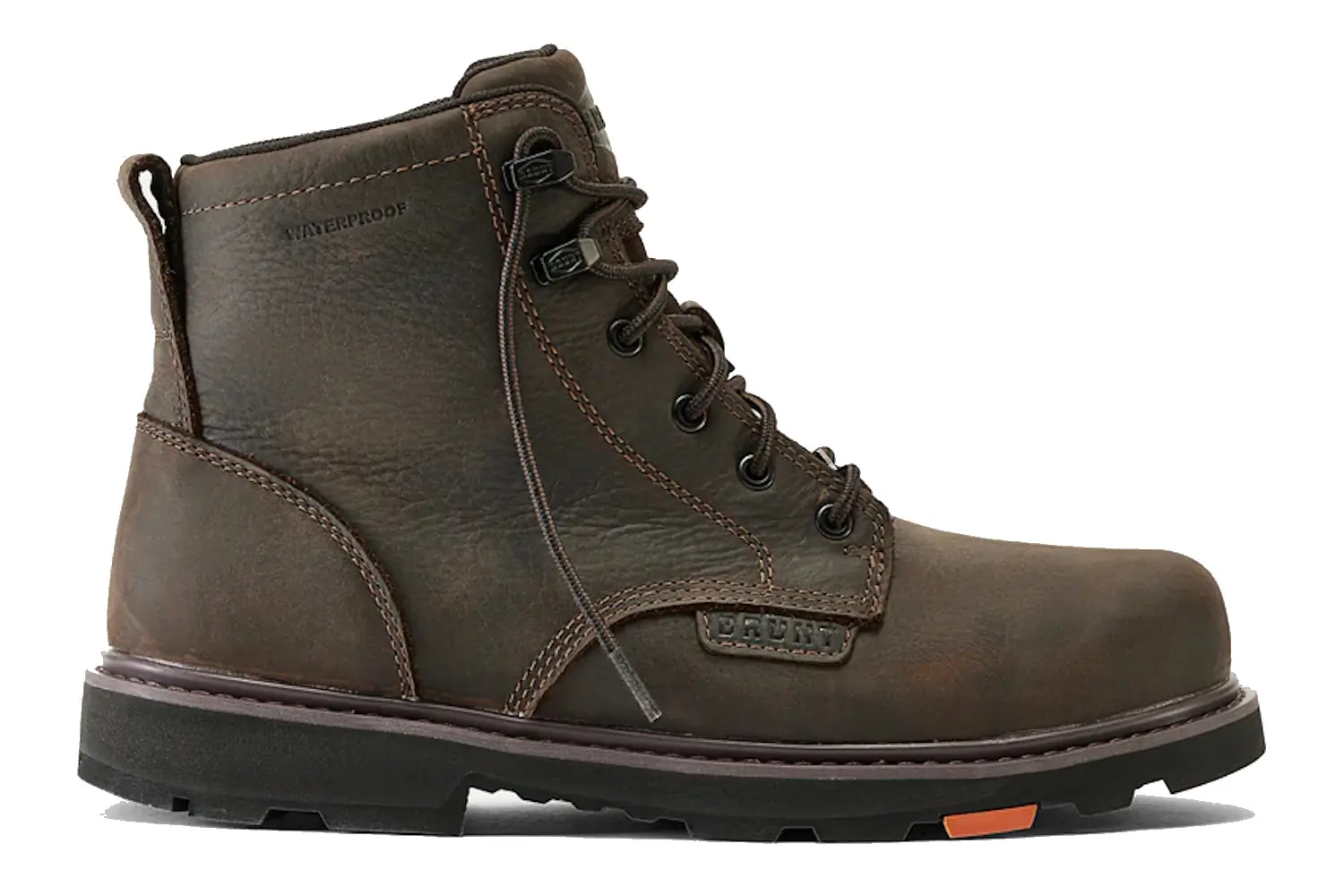
Credit: gearjunkie.com
Compliance And Safety Standards
Safety boots protect workers on construction sites. They help prevent injuries and meet legal rules. Wearing the right boots is important for safety.
This guide explains key certifications, site requirements, and labels on safety boots. Knowing these helps you choose the right boots.
Key Industry Certifications
Safety boots must meet certain standards. These certifications show the boots are tested for protection and durability.
- ASTM F2413: US standard for impact and compression resistance.
- EN ISO 20345: European standard for safety footwear.
- CSA Z195: Canadian standard focusing on electrical hazard protection.
- ANSI: American National Standards Institute guidelines for safety boots.
Meeting Site Requirements
Construction sites have specific rules for footwear. These rules depend on the hazards present and local regulations.
| Site Type | Required Boot Features | Common Hazards |
|---|---|---|
| General Construction | Steel toe, slip resistant soles | Falling objects, sharp debris |
| Electrical Work | Insulated boots, non-conductive soles | Electric shocks |
| Heavy Machinery | Reinforced toe caps, oil-resistant soles | Crushing injuries, oil spills |
Understanding Labels And Marks
Labels on safety boots show important information. They tell you about protection levels and materials.
Common label marks include:
- SB: Basic safety boot
- SBP: Penetration resistant sole
- SD: Anti-static properties
- EH: Electrical hazard protection

Credit: www.gloryfootwearco.com
Frequently Asked Questions
What Are The Key Features Of Safety Boots For Construction?
Safety boots have steel toes, slip-resistant soles, and durable materials. They protect feet from heavy objects, sharp debris, and slippery surfaces. Many boots also offer waterproofing and ankle support for added safety on construction sites.
How Do Safety Boots Prevent Injuries On Site?
Safety boots absorb impact and prevent punctures with reinforced soles. They protect toes from crushing injuries with steel or composite caps. Slip-resistant outsoles reduce falls. The boots also shield feet from electrical hazards and harsh weather conditions.
When Should I Replace My Construction Safety Boots?
Replace safety boots if soles wear thin, steel toes dent, or boots lose support. Also, change them if waterproofing fails or boots become uncomfortable. Regular inspections ensure optimal protection and compliance with safety standards on construction projects.
Are Safety Boots Comfortable For Long Workdays?
Modern safety boots combine protection with ergonomic design. They include cushioned insoles, breathable materials, and flexible soles. Proper fit and quality boots reduce foot fatigue and improve comfort during extended construction work hours.
Conclusion
Safety boots protect your feet from many construction hazards. Wearing the right boots reduces the risk of injury on site. Always choose boots that fit well and match your work needs. Keep your boots clean and check them often for damage.
Good footwear helps you work safely and comfortably every day. Stay safe by making safety boots a regular part of your gear. Your feet will thank you after long hours on tough jobs. Safety first, step by step.