Imagine working on your latest woodworking project. The smell of fresh-cut wood fills the air, and your hands skillfully shape every piece.
But as you work, tiny wood particles fly around, posing a risk to your eyes. Here’s where safety goggles become your best friend. You might think, “I’ve been fine without them,” but what if one small mistake changes everything? Protecting your eyes is not just a precaution; it’s essential.
In this guide, you’ll learn exactly how to choose and use safety goggles effectively, ensuring your passion for woodworking remains safe and enjoyable. Are you ready to discover how a simple habit can protect your vision and enhance your woodworking experience? Let’s dive in and keep your eyes safe while you create.
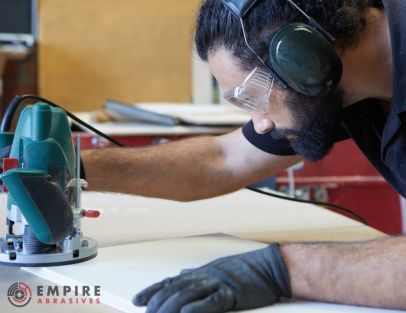
Credit: www.empireabrasives.com
Choosing The Right Goggles
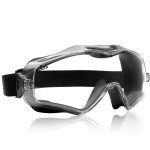
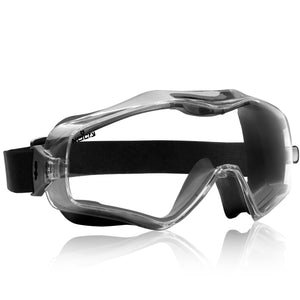
Wearing safety goggles is important for woodworking. They protect your eyes from dust, chips, and splinters.
Choosing the right goggles helps keep your eyes safe and comfortable during your work.
Types Of Safety Goggles
There are several types of safety goggles for woodworking. Each type offers different levels of protection and comfort.
- Direct Vent Goggles: These have small holes for air but keep dust out.
- Indirect Vent Goggles: Air flows through covered vents to block liquids and dust.
- Non-Ventilated Goggles: Fully sealed for the highest protection against dust and liquids.
- Over-the-Glass Goggles: Designed to fit over regular glasses safely.
Material And Lens Options
| Material | Benefits | Drawbacks |
| Polycarbonate Lens | Strong and impact resistant | Can scratch easily |
| Glass Lens | Clear vision and scratch resistant | Heavier and can break |
| Plastic Frame | Lightweight and flexible | May wear out faster |
| Rubber Frame | Comfortable and seals well | Can feel tight after long use |
Choose lenses that block UV light and resist fogging. This keeps your vision clear and safe.
Comfort And Fit
Comfort is key for long woodworking sessions. Goggles that fit well protect better and feel good.
- Look for adjustable straps to fit your head size.
- Soft padding helps prevent pressure on your skin.
- Choose lightweight goggles to reduce fatigue.
- Try goggles on with your work helmet if you use one.

Credit: www.amazon.com
Key Features To Look For
Safety goggles protect your eyes while woodworking. Choosing the right pair keeps you safe and comfortable.
Look for key features that improve protection and wearability. These features help you work better.
Impact Resistance
Impact resistance means goggles can stop flying wood chips or dust. This keeps your eyes safe from injury.
Look for goggles made from strong materials like polycarbonate. They resist cracks and breaks during accidents.
Anti-fog Coating
Anti-fog coating stops the lenses from fogging up. This helps keep your vision clear while you work.
Choose goggles with this coating for long projects or humid spaces. It prevents moisture build-up inside the goggles.
Ventilation Systems
Ventilation lets air flow inside the goggles. This reduces heat and moisture around your eyes.
Good ventilation keeps you comfortable and stops fogging. Look for goggles with vents or breathable frames.
- Direct vents allow fresh air in
- Indirect vents block dust but allow airflow
- Breathable foam seals reduce sweat
Proper Usage Techniques
Wearing safety goggles protects your eyes during woodworking. Using them properly helps prevent injuries and discomfort.
Learn how to wear goggles right, adjust them for a secure fit, and know when to replace them for best safety.
How To Wear Goggles Correctly
Place the goggles over your eyes so they cover the entire eye area. Make sure they sit comfortably on your face without gaps.
- Clean your eyes and face before putting on goggles.
- Position goggles so the foam or rubber seals touch your skin.
- Check that goggles do not fog up when you breathe.
- Keep hair and straps away from the lenses for clear vision.
Adjusting For A Secure Fit
Use the adjustable straps to tighten the goggles. A secure fit stops dust and wood chips from entering your eyes.
| Adjustment Method | Purpose |
| Tighten side straps | Keep goggles snug on your face |
| Adjust nose bridge | Improve comfort and seal |
| Check strap elasticity | Ensure straps hold firmly without pain |
| Test fit by moving head | Confirm goggles do not slip |
When To Replace Goggles
Replace goggles if they become damaged or worn out. Old goggles may not protect your eyes well.
- Scratched or cracked lenses reduce visibility and safety.
- Loose or broken straps cause poor fit and gaps.
- Worn seals let dust and debris enter.
- Fogging that cleaning cannot fix means lens coating is damaged.
Maintenance And Care
Safety goggles protect your eyes during woodworking. Proper care keeps them clear and safe.
Cleaning, storing, and checking goggles help them last longer and work better.
Cleaning Tips
Clean goggles after each use to remove dust and dirt. Use mild soap and water, not harsh chemicals.
- Rinse goggles with warm water to remove loose dirt.
- Use a soft cloth or sponge with mild soap to clean lenses.
- Avoid paper towels or rough cloths that scratch lenses.
- Dry goggles with a clean, soft cloth or let air dry.
Storage Best Practices
Store goggles in a cool, dry place to protect them from damage.
| Storage Tip | Why It Matters |
| Keep in a hard case | Prevents scratches and impacts |
| Store away from sunlight | Avoids lens discoloration |
| Place on a clean surface | Keeps goggles free of dust |
| Avoid high heat areas | Prevents frame warping |
Inspecting For Damage
Check goggles before every use to ensure safety. Look for scratches and cracks.
- Examine lenses for deep scratches or cracks.
- Check the frame for breaks or warping.
- Test the straps to make sure they hold tight.
- Replace goggles if damage affects vision or fit.
Common Hazards In Woodworking
Woodworking involves many risks that can harm your eyes. Safety goggles protect you from these dangers.
Knowing the common hazards helps you stay safe while working with wood.
Flying Debris And Dust
Wood pieces and dust fly around when cutting or sanding. These small particles can hit your eyes.
Safety goggles block these flying bits and stop dust from irritating your eyes.
- Wood chips from saws and routers
- Fine dust from sanding and drilling
- Splinters from carving or shaping
Chemical Exposure
Woodworking often uses paints, stains, and glues. These chemicals can splash or vaporize near your eyes.
Wearing goggles shields your eyes from harmful liquids and fumes.
- Wood stains and finishes
- Solvents and adhesives
- Cleaning agents used on tools
Eye Injury Statistics
Many eye injuries happen in workshops every year. Most could be avoided by wearing safety goggles.
Understanding these numbers shows why eye protection is important.
| Fact | Detail |
|---|---|
| Eye Injuries per Year | About 2,000,000 in the US |
| Workplace Injuries | Over 60% happen in workshops |
| Prevention | 90% of injuries are preventable |

Credit: www.amazon.com
Additional Safety Gear To Consider
Safety goggles protect your eyes during woodworking. You can add other gear to increase safety. These items help protect your face, lungs, and ears.
Choosing the right gear depends on the task and environment. Use the right protection to avoid injuries and health issues.
Face Shields
Face shields cover your whole face. They protect against flying chips and dust. Use face shields with safety goggles for full protection.
Dust Masks
Dust masks stop you from breathing in wood dust. Wood dust can cause lung problems. Always wear a dust mask if your work creates dust.
- Choose masks labeled N95 or higher
- Replace masks if they get dirty or wet
- Fit masks tightly on your face
- Use masks with straps, not loose bands
Hearing Protection
Woodworking tools can be very loud. Loud noise can damage your hearing over time. Use hearing protection to keep your ears safe.
| Type | Description | When to Use |
| Earplugs | Small foam or silicone inserts | For moderate noise levels |
| Earmuffs | Cover the entire ear | For high noise levels |
| Noise-canceling headphones | Reduce background noise | For long sessions with machines |
Frequently Asked Questions
Why Are Safety Goggles Essential For Woodworking?
Safety goggles protect your eyes from wood chips, dust, and debris. They prevent injuries caused by flying particles during cutting, sanding, or drilling. Wearing goggles ensures clear vision and reduces the risk of eye infections or damage, making them a crucial part of woodworking safety gear.
How To Choose The Right Safety Goggles For Woodworking?
Select goggles with impact-resistant lenses and a comfortable fit. Look for anti-fog and ventilation features to maintain clear vision. Ensure they fully cover your eyes and seal well to block dust and debris. Proper goggles enhance both safety and comfort during woodworking tasks.
Can Regular Glasses Replace Safety Goggles In Woodworking?
Regular glasses are not a substitute for safety goggles. They lack side protection and impact resistance. Safety goggles provide a secure seal and are designed to handle flying debris. For full eye protection, always use certified safety goggles during woodworking.
How To Properly Clean And Maintain Woodworking Safety Goggles?
Clean goggles with mild soap and water after each use. Avoid harsh chemicals that can damage lenses. Store them in a protective case to prevent scratches. Regular maintenance extends their lifespan and ensures clear, safe vision while working.
Conclusion
Wearing safety goggles protects your eyes from dust and wood chips. Always choose goggles that fit well and feel comfortable. Clean them often to keep your view clear. Using goggles helps prevent serious injuries while working. Safety should be your top priority in every project.
Remember, a simple step can save your vision. Stay safe, work smart, and enjoy woodworking with confidence.