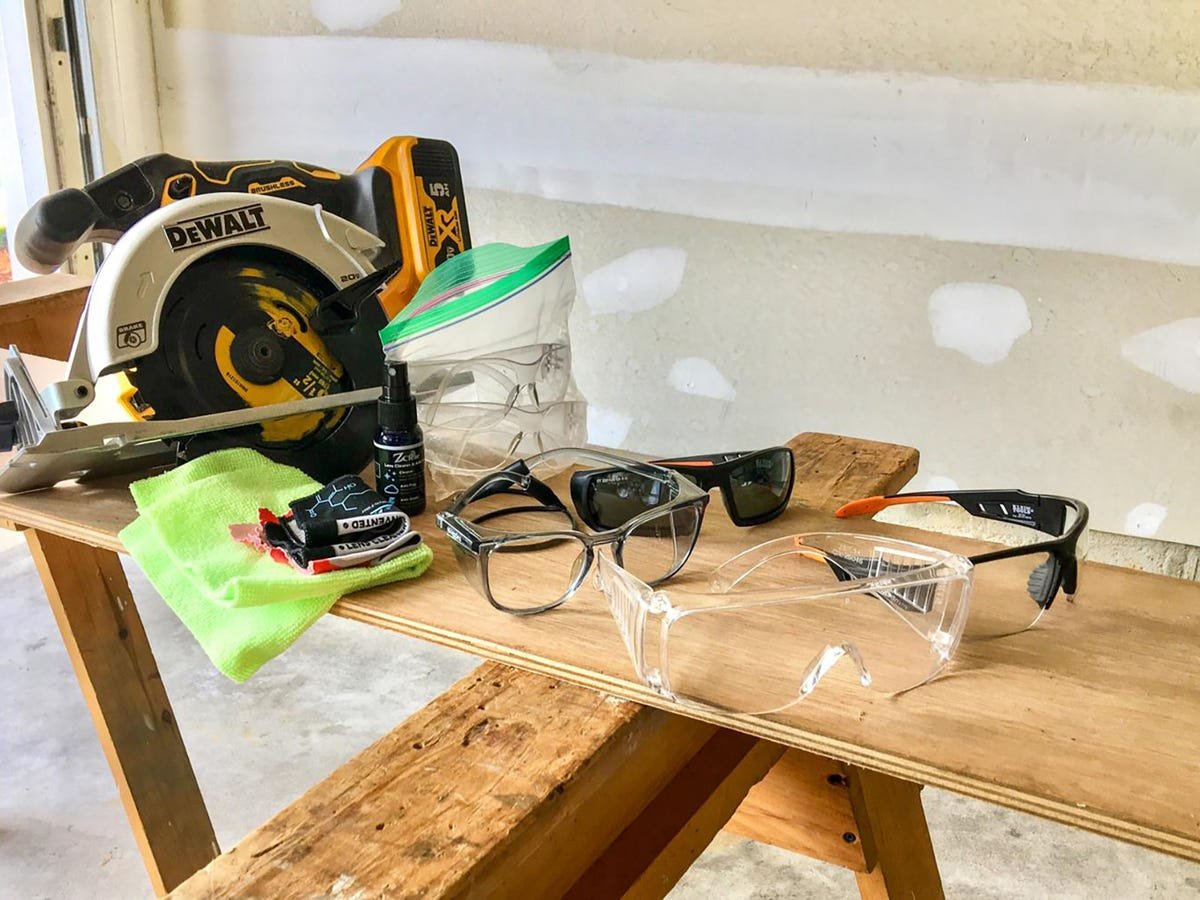
Are you passionate about woodworking projects? Whether you’re a seasoned craftsman or just starting out, protecting your eyes should be a top priority.
Imagine the thrill of creating something beautiful with your own hands, only to have it interrupted by an unexpected accident. Safety goggles are not just an accessory; they’re your shield against potential hazards. This guide is designed to help you understand why wearing safety goggles is crucial and how to choose the right pair for your needs.
By the end of this article, you’ll feel confident and well-equipped to safeguard your vision while pursuing your woodworking passion. Ready to see clearly and work safely? Let’s dive in!
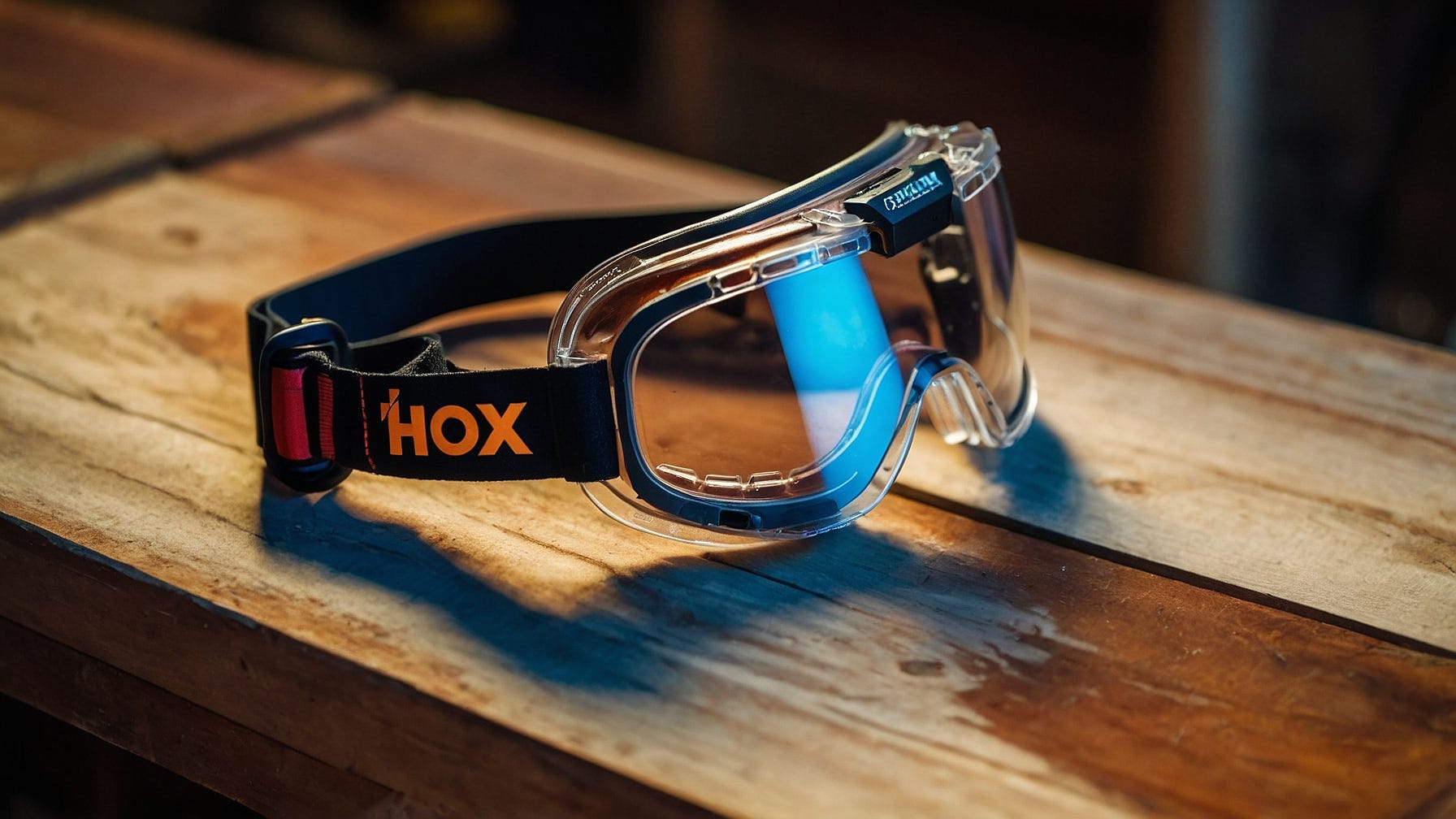
Credit: medium.com
Importance Of Safety Goggles
Safety goggles protect your eyes during woodworking. They stop dust, splinters, and other small objects.
Using goggles helps prevent accidents that can cause serious eye injuries. Always wear them for safety.
Protecting Eyes From Debris
Woodworking creates flying dust and tiny wood pieces. These can hurt your eyes quickly.
Safety goggles create a barrier that stops debris from reaching your eyes. This keeps your vision safe.
- Blocks wood chips and dust
- Prevents eye irritation
- Allows clear vision while working
Preventing Chemical Exposure
Woodworking uses glues, paints, and stains. These chemicals can splash into your eyes.
Goggles protect eyes from harmful liquids. They reduce the risk of burns or allergic reactions.
- Stops liquid splashes
- Prevents irritation and burns
- Protects from fumes and vapors
Reducing Risk Of Injuries
Accidents happen fast in woodworking. Goggles lower the chance of serious eye damage.
They shield your eyes from sharp tools and unexpected impacts. This keeps you safe on every project.
- Protects against cuts and scratches
- Guards eyes from tool slips
- Helps avoid long-term vision loss
Types Of Safety Goggles
Safety goggles protect your eyes during woodworking projects. Different types suit different needs.
Knowing the types helps you pick the right goggles. This keeps your eyes safe from dust and flying wood.
Basic Impact-resistant Goggles
These goggles protect against flying wood chips and debris. They have strong lenses that resist breaking.
They fit tightly around your eyes to block small particles. These goggles are good for most woodworking tasks.
Ventilated Goggles
Ventilated goggles have small holes or vents for airflow. This helps reduce heat and sweat inside the goggles.
The vents keep your vision clear by lowering fog buildup. They still protect your eyes from dust and chips.
- Indirect vents block dust but allow air
- Direct vents allow more airflow but less dust protection
- Choose vents based on your work environment
Anti-fog And Uv Protection Options
Anti-fog coatings stop lenses from steaming up. This helps you see clearly during long work sessions.
UV protection blocks harmful sunlight if you work outside. It keeps your eyes safe from UV damage.
- Anti-fog coatings need gentle cleaning
- UV protection helps in outdoor woodworking
- Some goggles combine both features
Choosing The Right Goggles
Safety goggles protect your eyes during woodworking projects. Choosing the right ones helps keep you safe and comfortable.
Not all goggles are the same. You need to think about fit, lens quality, and gear compatibility.
Fit And Comfort
Goggles must fit well to protect your eyes fully. They should not be too tight or loose.
Look for adjustable straps and soft padding. These features make wearing goggles easier for long times.
- Check if the goggles seal around your eyes
- Adjust straps to avoid slipping
- Choose goggles with foam or rubber padding
- Try them on with your usual work clothes
Lens Material And Clarity
The lens material affects how clear and strong the goggles are. Good lenses protect from dust and flying bits.
Polycarbonate lenses resist impacts and do not break easily. Clear lenses help you see details well.
- Choose polycarbonate lenses for strong protection
- Look for anti-fog coatings to keep vision clear
- Pick clear lenses for indoor woodworking
- Consider tinted lenses for bright outdoor work
Compatibility With Other Gear
Think about how goggles work with your other safety gear. They must fit well with masks, helmets, or ear protection.
Some goggles are low-profile to fit under helmets. Others have wide straps that work with ear muffs.
- Choose goggles that fit with your dust mask
- Check if straps work with hearing protection
- Try goggles on with your helmet if you use one
- Pick designs that do not block your view

Credit: www.amazon.ca
Proper Usage Tips
Safety goggles protect your eyes during woodworking. Using them properly keeps you safe from dust and debris.
Follow these tips to use your safety goggles correctly and maintain their effectiveness.
Wearing Goggles Correctly
Put on your goggles before starting any woodworking task. Make sure they fit snugly but comfortably on your face.
Adjust the straps to prevent gaps where dust can enter. Keep goggles in place even when you bend or move your head.
- Check for cracks or damage before wearing
- Wear goggles over your prescription glasses if needed
- Do not push goggles up on your forehead while working
- Replace goggles if they become scratched or fogged
Cleaning And Maintenance
Clean your goggles after each use to keep your vision clear. Use mild soap and water or a lens cleaner designed for safety gear.
Dry goggles with a soft cloth to avoid scratches. Avoid harsh chemicals that can damage the lens or frame.
- Rinse goggles with water to remove dust before cleaning
- Use a microfiber cloth for drying and wiping
- Inspect for scratches or damage regularly
- Replace worn-out lenses promptly
Storage Best Practices
Store your safety goggles in a clean, dry place. Keep them in a protective case to avoid damage.
Avoid leaving goggles in direct sunlight or near heat sources. Proper storage extends the life of your goggles.
- Use a hard case or soft pouch for storage
- Keep goggles away from sharp objects
- Store in a place easy to reach before work
- Check condition before each use
Common Mistakes To Avoid
Using safety goggles is important for woodworking. Many people make simple mistakes that put their eyes at risk. Avoiding these errors helps keep your vision safe.
This guide points out common mistakes and how to prevent them. Follow these tips for better eye protection during your projects.
Skipping Goggles During Minor Tasks
Some woodworkers skip goggles for small or quick jobs. They think minor tasks are safe. This is a big risk because wood chips and dust can still cause eye injuries.
- Always wear goggles, even for sanding or trimming.
- Keep goggles nearby in your workspace.
- Tell others to wear eye protection too.
Using Damaged Or Worn-out Goggles
Worn-out goggles lose their protective power. Scratches, cracks, and loose fittings lower safety. Damaged goggles can cause more harm than no goggles at all.
| Damage Type | Risk |
| Scratched lenses | Reduced visibility and weaker protection |
| Cracked frame | May break during impact |
| Loose straps | Goggles may fall off |
Replace goggles if you see any damage. Clean them regularly and store in a safe place.
Ignoring Fogging Issues
Foggy goggles block your view. Some ignore this and remove their goggles. This is dangerous and exposes eyes to hazards.
Tips to prevent fogging:
- Use anti-fog sprays or wipes.
- Choose goggles with ventilation holes.
- Wear a mask correctly to reduce breath fog.
- Take short breaks to clear fog safely.

Credit: www.popularmechanics.com
Enhancing Safety In Woodworking
Woodworking involves cutting, sanding, and shaping wood. These activities create dust and flying debris that can harm your eyes.
Wearing safety goggles protects your eyes and helps prevent accidents. Using goggles is a key step to stay safe in your workshop.
Combining Goggles With Other Ppe
Safety goggles work best when you wear other personal protective equipment (PPE). Combine goggles with ear protection and gloves for full safety.
Dust masks keep your lungs safe from harmful wood dust. Proper footwear protects your feet from heavy tools or falling wood.
- Wear ear plugs or earmuffs to protect hearing
- Use gloves to avoid splinters and cuts
- Put on dust masks to prevent breathing dust
- Wear sturdy shoes to protect feet
Safe Work Habits
Good habits help keep you safe while woodworking. Always stay focused and avoid rushing your work.
Keep your workspace clean and tools organized. Turn off machines before adjusting or cleaning them.
- Always wear safety goggles before starting work
- Keep your hands away from cutting blades
- Use push sticks to guide small wood pieces
- Take breaks to avoid fatigue and mistakes
Regular Safety Checks
Check your safety gear often. Look for cracks or scratches on your goggles that reduce protection.
Inspect tools and machines to ensure they work properly. Fix or replace damaged equipment right away.
- Clean goggles after each use
- Replace goggles if lenses are damaged
- Check machines for loose parts
- Keep safety guards on tools in place
Frequently Asked Questions
Why Are Safety Goggles Essential For Woodworking?
Safety goggles protect your eyes from flying debris and dust during woodworking. They prevent injuries and improve visibility. Always wear them to avoid accidents and ensure a safer work environment.
How To Choose The Best Safety Goggles For Woodworking?
Select goggles with impact-resistant lenses and a comfortable fit. Look for anti-fog and ventilation features. Ensure they fully cover your eyes to protect against dust and wood chips.
Can Safety Goggles Prevent All Eye Injuries In Woodworking?
While goggles significantly reduce risks, no gear guarantees 100% protection. Combine goggles with other safety measures for best results. Always stay cautious and maintain a clean workspace.
How Should I Maintain And Clean Safety Goggles?
Clean goggles with mild soap and water regularly. Avoid harsh chemicals that can damage lenses. Store them in a protective case to prevent scratches and prolong lifespan.
Conclusion
Safety goggles protect your eyes during woodworking tasks. They keep dust, chips, and splinters away. Always wear them to avoid injuries. Choose goggles that fit well and feel comfortable. Clean them regularly for clear vision. Remember, eye safety is a simple step.
It helps you work with confidence. Protect your eyes every time you build or fix. Stay safe, and enjoy your woodworking projects.