Imagine standing high above the ground, the world at your feet, but gravity waiting to pull you down. It’s thrilling, yet risky.
Whether you’re a seasoned worker or new to high-altitude tasks, your safety should never be in question. This is where safety harnesses come into play, acting as your lifeline, your invisible shield against accidents. In this guide, we’ll unravel the secrets to using safety harnesses effectively.
You’ll discover how to choose the right harness, how to wear it properly, and the common mistakes to avoid. By the end, you’ll not only feel safer but also more confident in your high-altitude adventures. Ready to elevate your safety game? Let’s dive in.
Choosing The Right Harness
Safety harnesses protect workers from falls at high places. Picking the right harness keeps you safe and comfortable.
Not all harnesses fit every job or person. Learn how to choose the best one for your work.
Types Of Safety Harnesses
There are different harness types for various tasks. Each type offers specific support and safety features.
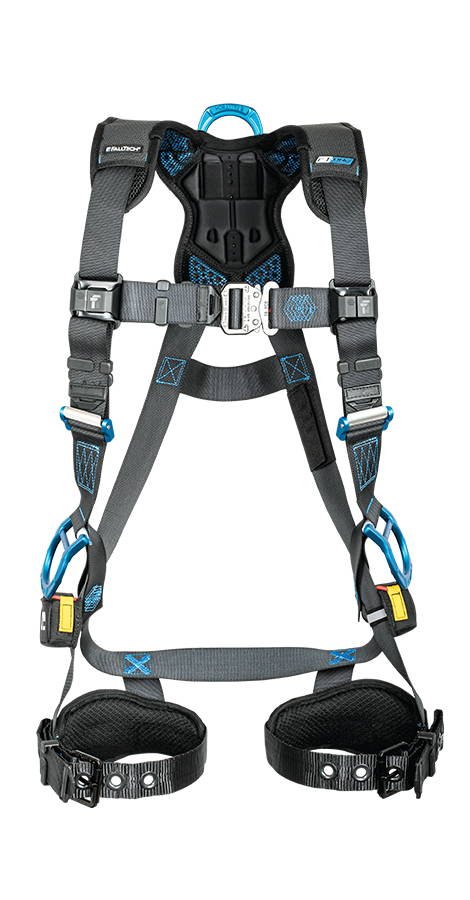
- Full Body Harness: Wraps around the torso and legs for full support.
- Sitting Harness: Designed for work that requires sitting or climbing.
- Chest Harness: Supports the upper body; used with other harnesses.
- Rescue Harness: Used for emergency rescue operations.
Sizing And Fit
A harness must fit well to keep you safe. Too loose or tight harnesses cause discomfort or risk.
Measure your chest, waist, and legs before buying. Adjust straps to fit snugly without cutting off circulation.
- Check shoulder straps for a secure fit.
- Adjust leg straps so they are tight but comfortable.
- Make sure the harness allows full movement.
Material And Durability
Durable materials keep harnesses strong under stress. Choose materials that resist wear and tear.
Common materials include nylon and polyester. Both are strong, but polyester resists UV damage better.
- Nylon: Flexible and strong, good for many uses.
- Polyester: More resistant to sun and chemicals.
- Metal parts should be rust-resistant and sturdy.
Credit: www.falltech.com
Proper Harness Inspection
Safety harnesses protect workers from falls during high work. Proper inspection keeps these harnesses safe and reliable.
Inspecting your harness before each use helps find problems early. This prevents accidents and ensures safety.
Checking For Wear And Tear
Look closely at all parts of the harness for damage. Check webbing, stitching, and padding for cuts or frays.
Wear and tear can weaken the harness. Do not use a harness with visible damage.
- Check for cuts, tears, or frayed edges on webbing
- Look for burns or chemical damage
- Inspect stitching for broken or loose threads
- Feel for stiff or brittle areas in the material
Inspecting Buckles And Straps
Check all buckles and straps for proper function. Buckles should open and close smoothly without damage.
Straps must not be twisted or worn out. Make sure all adjustment points hold tight and do not slip.
- Open and close buckles to ensure they work correctly
- Check for cracks, rust, or sharp edges on metal parts
- Verify straps are flat and not twisted
- Pull on straps to test if they stay in place
Frequency Of Inspections
Inspect your harness before every use. Regular checks catch problems early and keep you safe.
Perform a detailed inspection monthly. This helps find hidden damage that daily checks may miss.
- Daily: Quick visual and functional check before use
- Monthly: Thorough inspection of all parts and stitching
- After a fall: Inspect immediately for damage before reuse
Correct Harness Usage
Using a safety harness correctly is vital for high work safety. It helps prevent falls and serious injuries.
This guide explains how to wear, adjust, and connect your harness properly for maximum protection.
Donning The Harness
Put on the harness before starting work at height. Check all straps and buckles for damage.
- Hold the harness by the dorsal D-ring.
- Slip your arms through the shoulder straps like a vest.
- Fasten the chest strap and tighten it snugly.
- Pull up the leg straps and secure their buckles.
- Ensure no straps are twisted or tangled.
Adjusting For Comfort And Safety
Adjust the harness straps to fit your body. It must be tight but comfortable to wear all day.
| Harness Part | Adjustment Tip |
|---|---|
| Shoulder Straps | Tighten until snug but not restrictive |
| Chest Strap | Position at mid-chest, secure firmly |
| Leg Straps | Adjust to fit around thighs without cutting |
| Dorsal D-ring | Center between shoulder blades |
Connecting To Anchor Points
Attach your harness to a strong anchor point before starting work. The anchor must hold your weight in a fall.
- Use a locking carabiner or snap hook to connect.
- Attach only to approved anchor points.
- Check the connection is secure and locked.
- Keep the lanyard free of twists or knots.
- Test the anchor’s strength before use.
Credit: www.falltech.com
Anchor Points And Lanyards
Safety harnesses protect workers from falls during high work. Two key parts are anchor points and lanyards. Both must be strong and secure.
This guide explains how to select anchor points and choose the right lanyards. It also covers how to avoid fall hazards at work.
Selecting Secure Anchor Points
Anchor points hold your safety harness in place. They must support your full weight and any fall forces. Always check anchor points before use.
Choose anchor points that are strong and stable. Avoid weak structures like loose beams or rusty metal. Use certified anchor points if possible.
- Use anchor points rated for at least 5,000 pounds (22.2 kN)
- Attach to solid structures like steel beams or concrete
- Place anchor points overhead or above the worker
- Avoid sharp edges that can damage lanyards
- Inspect anchor points regularly for damage or wear
Types Of Lanyards
Lanyards connect your harness to anchor points. They come in different types for different jobs. Pick the right one to stay safe.
Common lanyard types include shock-absorbing, self-retracting, and positioning lanyards. Each type helps reduce injury risk during a fall.
- Shock-absorbing lanyards:Stretch to reduce fall force
- Self-retracting lanyards:Retract and lock quickly
- Positioning lanyards:Hold you in place while working
- Use the right length to prevent tripping or slack
- Inspect lanyards for frays, cuts, or damage before use
Avoiding Fall Hazards
Fall hazards happen when safety rules are ignored. Stay alert and follow safe work practices to avoid falls.
Keep lanyards clear of sharp edges and moving parts. Do not tie knots in lanyards or use damaged equipment.
- Always wear a full-body harness
- Check all equipment before starting work
- Keep anchor points and lanyards free of debris
- Do not overload anchor points or lanyards
- Use fall protection training before high work
Fall Arrest Techniques
Using safety harnesses correctly is important for working at heights. Fall arrest techniques help protect workers from serious injury.
This guide covers key methods to stop falls safely and reduce risks on the job.
Using Shock Absorbers
Shock absorbers reduce the force of a fall by stretching and slowing the stop. They protect your body from sudden impact.
- Always check the shock absorber before use for damage.
- Attach it between the harness and anchor point.
- Replace shock absorbers after any fall.
- Follow manufacturer instructions for proper use.
Minimizing Fall Distance
Reducing fall distance lowers injury risk. Keep your lanyard as short as possible and stay close to anchor points.
| Method | Benefit |
| Use short lanyards | Less fall distance |
| Position anchors overhead | Stops fall sooner |
| Avoid slack in the system | Prevents free fall |
| Inspect all equipment | Ensures proper function |
Emergency Procedures
Knowing what to do after a fall is critical. Quick rescue can save lives and reduce injury severity.
- Call for help immediately.
- Do not leave the fallen worker alone.
- Use rescue equipment to lower the worker safely.
- Check the worker for injuries once on the ground.
- Report the incident to supervisors and safety officers.
Credit: www.falltech.com
Maintenance And Storage
Proper care of your safety harness keeps it strong and safe. Regular maintenance helps avoid accidents and extends harness life.
Storing the harness the right way also prevents damage. This guide covers cleaning, storing, and knowing when to replace your harness.
Cleaning The Harness
Keep your harness clean to stop dirt and sweat from breaking down materials. Use mild soap and warm water for cleaning.
- Do not use bleach or harsh chemicals.
- Gently scrub with a soft brush if needed.
- Rinse thoroughly to remove soap.
- Hang to dry in a shaded, ventilated area.
- Avoid direct sunlight and heat sources.
Proper Storage Conditions
Store your harness in a clean, dry place away from sunlight and chemicals. Avoid damp or hot areas to prevent damage.
| Storage Factor | Recommended Condition |
| Temperature | 15°C to 25°C (59°F to 77°F) |
| Humidity | Low, dry environment |
| Light Exposure | Avoid direct sunlight |
| Chemicals | Keep away from oils and acids |
| Storage Position | Hang or lay flat, do not fold tightly |
When To Replace A Harness
Replace your harness if it shows wear or damage. Check straps, stitching, and metal parts before each use.
- Frayed or cut webbing
- Broken or bent hardware
- Faded or discolored materials
- Signs of chemical exposure
- After a fall or heavy impact
Training And Compliance
Using safety harnesses correctly is vital for workers at heights. Proper training and following rules keep workers safe and reduce accidents.
Employers must ensure workers learn how to use harnesses and follow safety laws. This guide covers key training and compliance points.
Worker Training Essentials
All workers need hands-on training before using safety harnesses. Training should cover how to wear, adjust, and inspect the equipment.
- Understanding harness parts and functions
- Proper fitting and adjustment techniques
- How to connect to anchor points safely
- Recognizing signs of damage or wear
- Emergency procedures and rescue plans
Regulatory Standards
Safety harness use must follow rules set by safety organizations. These rules protect workers and set minimum safety levels.
| Standard | Agency | Key Requirement |
| OSHA 1926 Subpart M | OSHA | Fall protection for construction workers |
| ANSI Z359.1 | ANSI | Performance criteria for harnesses and lanyards |
| CSA Z259.10 | CSA | Requirements for full body harnesses |
Record Keeping
Keeping records helps track training and equipment use. It shows compliance with laws and improves safety management.
| Record Type | Description | Retention Period |
|---|---|---|
| Training Certificates | Proof of worker completion and skills | Minimum 3 years |
| Inspection Logs | Details of harness checks and repairs | Until equipment is retired |
| Incident Reports | Reports of accidents or near misses | 5 years or per legal requirements |
Frequently Asked Questions
What Is The Primary Purpose Of A Safety Harness?
A safety harness prevents falls and serious injuries during high work. It secures the worker by distributing fall forces safely. Proper use reduces accident risks and enhances workplace safety.
How Do I Choose The Right Safety Harness?
Choose a harness based on your work height, weight, and comfort. Look for durability, adjustable straps, and compliance with safety standards. Always select equipment suitable for your specific high work tasks.
How Often Should Safety Harnesses Be Inspected?
Inspect safety harnesses before each use and at least monthly. Check for wear, damage, and proper function of buckles and straps. Regular inspections ensure the harness remains safe and reliable.
Can I Use Any Safety Harness For High Work?
No, only harnesses rated for fall arrest and high work should be used. Using the correct harness ensures maximum protection and meets legal safety requirements. Always verify the harness’s certification before use.
Conclusion
Using safety harnesses correctly saves lives during high work. Always check your gear before starting any job. A good fit and secure attachment prevent falls. Stay alert and follow safety rules every time. Training helps you use harnesses with confidence.
Keep your equipment clean and inspect it often. Safety is your top priority on every project. Protect yourself and others by staying cautious. Safety harnesses are tools to keep you safe. Remember, careful use means safer workdays for all.