Imagine standing at the top of a ladder, feeling a bit uneasy, knowing a simple slip could lead to a dangerous fall. Ladder safety is crucial, and using a safety harness can make all the difference in ensuring your security.
This guide is here to help you understand how to use safety harnesses effectively, so you can work at heights with confidence and peace of mind. By the end of this article, you’ll discover essential tips and tricks to keep you safe and secure.
Whether you’re a DIY enthusiast or a professional, this information is invaluable. Ready to feel safer on your next project? Let’s dive in!
Choosing The Right Safety Harness
Using a safety harness is key for ladder safety. The right harness protects you from falls and injuries. Picking the right one means knowing what fits your work needs.
This guide covers types of harnesses, materials, and how to find the right fit. Read on to make a safe choice.
Types Of Harnesses For Ladder Work
There are different harness types for ladder use. Each type suits specific tasks and safety needs. Choose one that matches your work style.
- Full-body harness: Offers support around legs, waist, chest, and shoulders.
- Positioning harness: Helps keep your hands free while you work.
- Fall arrest harness: Designed to stop a fall quickly and safely.
- Suspension harness: Used if you need to hang in place for a while.
Material And Durability
Safety harnesses must be strong and last long. Materials affect comfort and safety. Look for harnesses made from tough fabrics and parts.
| Material | Features | Durability |
| Nylon | Lightweight, flexible | Good resistance to wear |
| Polyester | Strong, resists UV rays | High durability outdoors |
| Leather | Comfortable, sturdy | Lasts long with care |
| Metal Buckles | Secure and adjustable | Rust-resistant options |
Sizing And Fit
A harness must fit well to protect you. A poor fit can cause injury or fail in an accident. Always try on before buying.
- Measure your chest, waist, and legs for size.
- Adjust straps so the harness fits snugly but not tight.
- Check that buckles and fasteners work easily.
- Move around to test comfort and range of motion.
- Read the manufacturer’s size guide carefully.
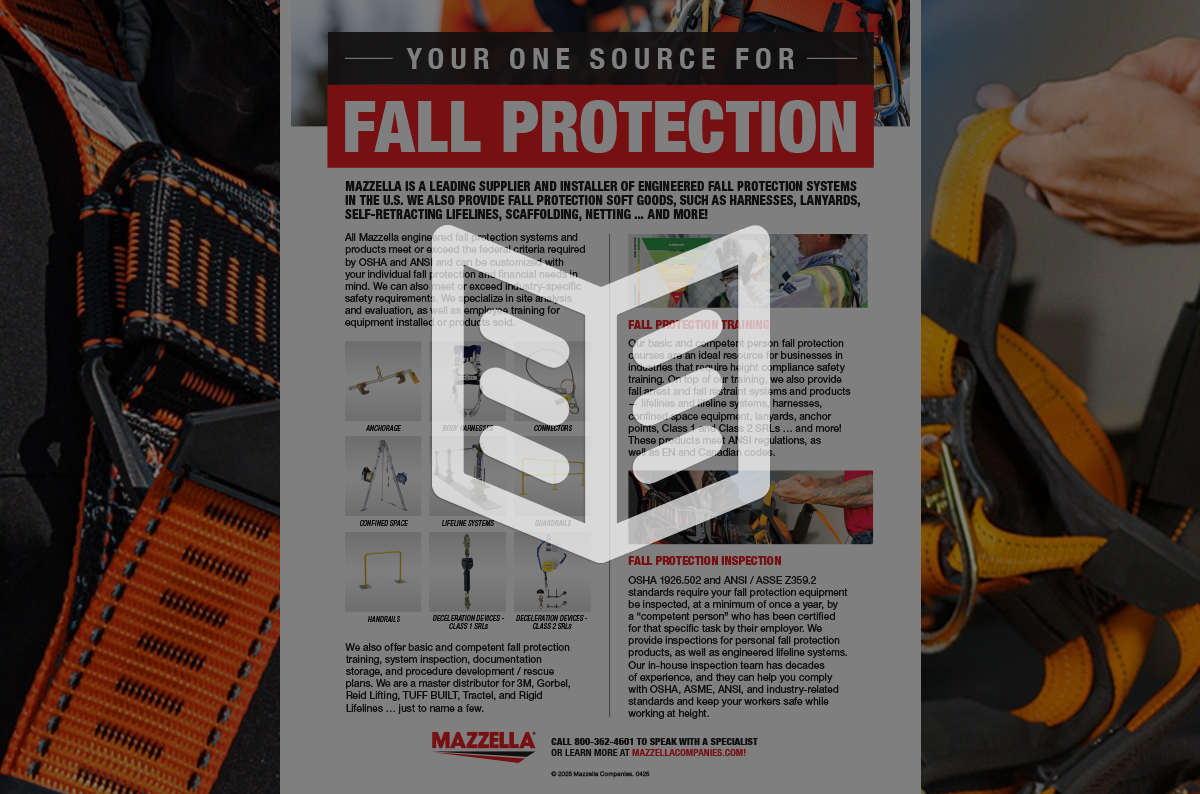
Credit: www.mazzellacompanies.com
Inspecting Safety Harnesses
Safety harnesses help keep you safe while using ladders. Regular inspection is important. It ensures the harness works well and protects you from falls.
Check the harness carefully before each use. Look for any problems that could cause it to fail.
Checking For Wear And Damage
Look closely at all parts of the harness. Check the straps, stitching, and padding. Wear or damage can make the harness unsafe.
- Look for cuts, frays, or tears in the straps
- Check for broken or loose stitching
- Find any signs of fading or discoloration
- Feel for stiff or brittle areas on the webbing
- Inspect padding for cracks or damage
Testing Buckles And Straps
Make sure all buckles and straps work correctly. They should fasten securely and hold tight. Loose or broken parts can fail in a fall.
- Open and close each buckle several times
- Check if buckles lock firmly in place
- Pull on straps to test their strength
- Adjust straps to see if they stay tight
- Replace any buckles that do not work well
Frequency Of Inspections
Inspect your safety harness before every use. This helps catch problems early. Also, do a detailed check once a month.
- Quick check before each ladder job
- Full inspection monthly or after any fall
- Replace harness if it shows damage or fails tests
Proper Harness Setup
Using a safety harness properly helps prevent falls when working on ladders. Setting it up right keeps you safe and comfortable.
This guide covers adjusting straps, attaching to anchor points, and using lanyards and connectors correctly.
Adjusting Straps Correctly
Adjust all straps so the harness fits snugly but not too tight. Loose straps can cause slipping, while tight straps can restrict movement.
- Place the harness on your body and fasten all buckles.
- Tighten the shoulder straps evenly on both sides.
- Secure the chest strap at mid-chest height.
- Adjust the leg straps so they are firm but comfortable.
- Check that no straps are twisted or pinching your skin.
- Move around to ensure the harness stays in place.
Attaching To Secure Anchor Points
Connect the harness to a strong and stable anchor point to stop falls. The anchor must hold your weight and resist forces.
Common anchor points include:
- Structural beams rated for fall protection
- Certified roof anchors
- Ladder manufacturer’s anchor points
- Engineered lifeline systems
Always inspect anchor points before use. Do not use weak or damaged points.
Using Lanyards And Connectors
Lanyards and connectors link your harness to anchor points. Use the right type for your work and follow safety rules.
| Type | Description | Use |
| Shock-absorbing lanyard | Reduces fall force with built-in energy absorber | For most ladder work |
| Self-retracting lifeline | Retracts cable automatically and locks in a fall | For work with more vertical movement |
| Carabiner connector | Strong locking clip for secure connections | Connect harness to lanyard or anchor |
| Snap hook | Quick connection with double-locking mechanism | Used for general anchoring |
Credit: www.falltech.com
Safe Ladder Practices With Harnesses
Using a safety harness with a ladder helps prevent falls and injuries. It adds extra protection while working at heights.
Follow simple rules to keep safe and use your harness correctly on ladders.
Positioning The Ladder Safely
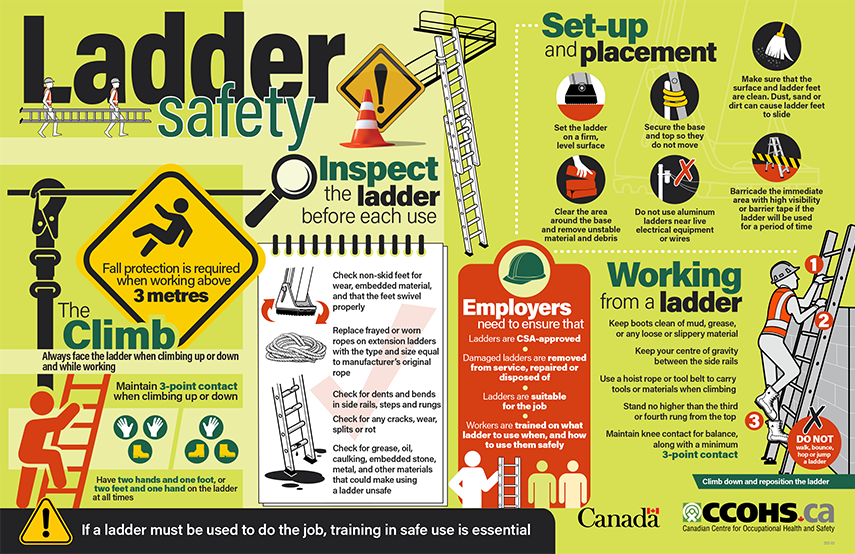
Place the ladder on a flat, stable surface before climbing. Check the ground for dirt, gravel, or wet spots.
Angle the ladder properly. The base should be one foot away from the wall for every four feet of height.
- Use ladder feet with slip-resistant pads
- Avoid placing ladders near doorways or busy areas
- Secure the top of the ladder to prevent movement
Maintaining Three Points Of Contact
Always keep three points of contact on the ladder. This means two hands and one foot or two feet and one hand.
This practice helps you stay balanced and reduces the chance of falling.
- Hold the ladder rails firmly with your hands
- Move slowly and carefully while climbing
- Do not carry tools in your hands; use a tool belt
Avoiding Overreaching
Do not lean too far to the side while on the ladder. Overreaching can cause you to lose balance.
Keep your body centered between the ladder rails and move the ladder as needed.
- Climb down and reposition the ladder for hard-to-reach spots
- Keep your hips within the ladder’s side rails
- Use a harness to connect to a secure anchor point for extra safety
Common Mistakes To Avoid
Using a safety harness correctly is key to staying safe on ladders. Many accidents happen because of simple mistakes. Knowing what to avoid can save your life.
This guide covers common errors in using safety harnesses. It helps you understand how to use equipment properly and prevent falls.
Ignoring Harness Fit
A harness that does not fit well can cause serious problems. It may slip off or restrict your movement. Always check the fit before climbing.
- Do not use a harness that is too loose or too tight.
- Adjust straps to fit snugly but comfortably.
- Make sure the harness sits correctly on your body.
- Check that buckles and fasteners are secure.
Using Damaged Equipment
Damaged harnesses or ladders are unsafe. Wear and tear can weaken the gear. Inspect all equipment before each use to spot damage early.
| Type of Damage | Risk | What to Do |
| Frayed straps | Strap failure under load | Replace harness immediately |
| Broken buckles | Loss of secure fit | Do not use harness |
| Cracks in ladder rungs | Rung breakage | Remove ladder from use |
Incorrect Anchor Point Selection
Choosing the wrong anchor point can cause falls. The anchor must be strong and stable. It should hold your full weight if you fall.
- Do not attach to weak structures like plastic or thin metal.
- Use anchor points rated for fall arrest.
- Check that anchor points are above you.
- Secure the harness to the anchor point firmly.
Credit: www.falltech.com
Training And Compliance
Using safety harnesses correctly helps prevent falls from ladders. Training workers and following rules keep everyone safe.
Understanding safety standards and proper record keeping supports a safe work environment.
Workplace Safety Standards
Safety standards set the rules for using harnesses on ladders. These rules come from organizations like OSHA.
Standards include how to wear harnesses, inspect equipment, and use anchors. They reduce the chance of injury.
- Wear a harness that fits well
- Check harnesses for damage before use
- Use proper anchor points on ladders
- Follow height and weight limits
Training Programs For Harness Use
Training teaches workers how to use safety harnesses correctly. It includes hands-on practice and safety talks.
Programs cover putting on harnesses, adjusting straps, and connecting to anchors. Training helps prevent mistakes.
- Explain harness parts and functions
- Show correct ways to wear harnesses
- Practice attaching and detaching safely
- Teach how to inspect harnesses
- Review emergency procedures
Record Keeping And Documentation
Keeping records of training and equipment checks is important. It proves compliance with safety rules.
Documentation helps track who is trained and when equipment was last inspected or replaced.
- Record worker training dates and details
- Log equipment inspections and results
- Keep copies of safety standards followed
- Update records after repairs or replacements
Emergency Procedures
Using safety harnesses on ladders reduces the risk of injury. Knowing what to do in an emergency is very important. Proper emergency procedures save lives and reduce harm.
This guide covers key steps for emergencies involving ladder safety harnesses. It focuses on fall arrest and rescue plans, first aid, and regular drills.
Fall Arrest And Rescue Plans
A fall arrest system stops a fall quickly and safely. Having a rescue plan is critical to help a person caught in the harness. Rescue plans must be clear and practiced.
Rescue teams should act fast to prevent injuries. They must know how to lower the person safely and remove the harness without causing harm.
- Ensure all workers know the rescue plan
- Keep rescue equipment ready and checked
- Train teams on how to use rescue tools
- Practice lowering and freeing a trapped worker
First Aid Considerations
First aid is vital after a fall or accident. Injuries can range from small cuts to serious trauma. Quick first aid helps reduce damage and pain.
Trained workers should provide first aid while waiting for medical help. Keep first aid kits accessible and stocked near ladder work areas.
- Check for breathing and consciousness
- Stop any bleeding with clean cloths
- Keep the injured person still and comfortable
- Call emergency services immediately
Regular Drills And Preparedness
Regular drills prepare workers for emergencies. Drills help people react fast and correctly if a fall happens. They also improve teamwork during rescue.
Practice every few months to keep skills sharp. Review safety gear and emergency steps during drills. This keeps everyone ready and confident.
- Schedule frequent rescue and first aid drills
- Review emergency roles and responsibilities
- Check all safety harnesses and rescue gear
- Discuss lessons learned after each drill
Frequently Asked Questions
What Is The Purpose Of A Safety Harness On Ladders?
A safety harness prevents falls by securing you to an anchor point. It reduces injury risks and improves ladder safety. Using a harness is essential for working at heights above six feet. It provides stability and peace of mind.
How Do You Properly Wear A Ladder Safety Harness?
Wear the harness snugly but comfortably, with straps adjusted to fit your body. Attach the lanyard to a secure anchor point above the ladder. Check all buckles and connections before climbing. Proper fit ensures maximum protection during ladder use.
When Should You Use A Safety Harness On A Ladder?
Use a safety harness when working above six feet or on unstable surfaces. It is vital for construction, maintenance, or any elevated task. OSHA guidelines recommend harness use to prevent falls. Always prioritize safety for high-risk ladder work.
Can A Safety Harness Prevent Ladder Falls Completely?
While a safety harness greatly reduces fall risks, it cannot guarantee complete prevention. It acts as a backup to proper ladder setup and safe climbing practices. Combining harness use with safe techniques offers the best protection against ladder accidents.
Conclusion
Using safety harnesses greatly reduces the risk of ladder accidents. Always check the harness and ladder before use. Secure the harness properly for the best protection. Stay alert and follow safety rules every time. Safe habits protect you and those around you.
Remember, safety is simple but very important. Keep practicing these tips for safer ladder work. Your safety depends on the steps you take. Stay safe, stay smart.