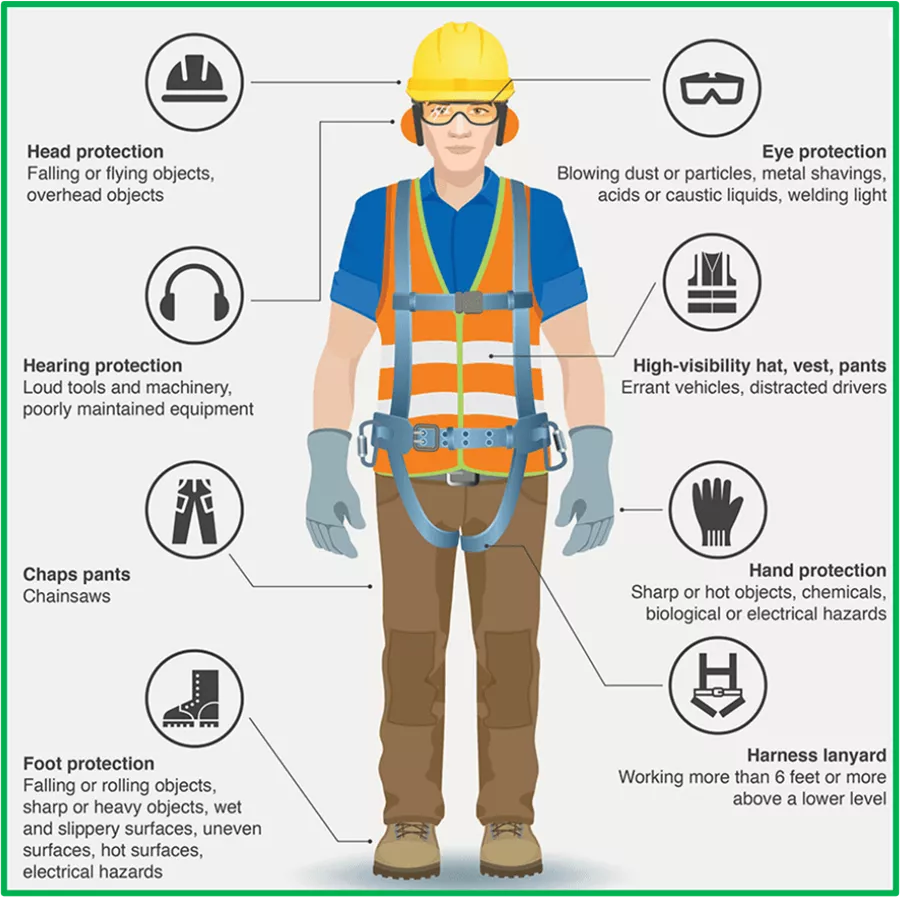
Working on a ladder can be risky if you’re not properly secured. One small slip could lead to serious injury.
That’s why using a safety harness is not just smart—it’s essential. This guide will show you exactly how to use safety harnesses when working on ladders, keeping you safe and confident every step of the way. By the end, you’ll know how to protect yourself and avoid accidents that could change your life.
Ready to make your ladder work safer? Let’s dive in.
Choosing The Right Safety Harness
Using a safety harness is crucial for ladder work. Picking the right one keeps you safe and comfortable. This guide helps you choose the best harness for your needs.
Consider the type, features, and fit carefully. These factors affect how well the harness protects you from falls and injuries.
Types Of Safety Harnesses
There are several types of safety harnesses for ladder work. Each type offers different support and protection levels.
- Full-body harness: Wraps around shoulders, chest, and legs for full support.
- Chest harness: Covers only the chest area; usually used with other gear.
- Sitting harness: Designed for comfort when sitting for long periods.
- Suspension harness: Made for hanging or working at height for extended times.
Key Features To Look For
Good harnesses have safety and comfort features. Look for strong materials and easy adjustments.
| Feature | Why It Matters |
| Durable webbing | Prevents wear and tear for long use |
| Adjustable straps | Ensures a snug and secure fit |
| D-rings | Attach lanyards and tools safely |
| Padded areas | Increases comfort during long work hours |
| Reflective strips | Improves visibility in low light |
Sizing And Fit Considerations
A good fit keeps you safe and comfortable. Check the sizing chart before buying. Make sure the harness fits tight but allows movement.
- Measure your chest, waist, and legs accurately.
- Try the harness on with your work clothes.
- Adjust all straps to avoid slipping or pinching.
- Check for comfort and full range of motion.
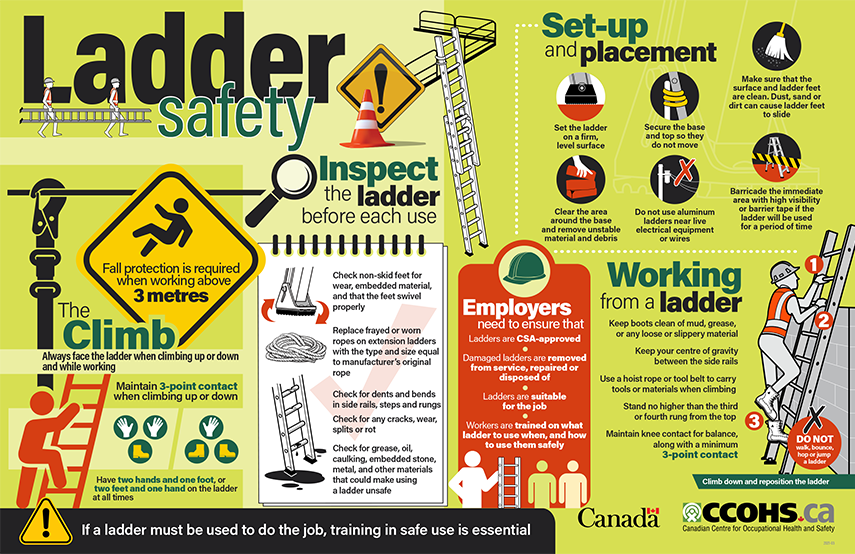
Credit: www.ccohs.ca
Preparing For Ladder Work
Using a safety harness during ladder work keeps you safe. Preparing well reduces accidents and injuries.
Before climbing, check your ladder and harness carefully. Also, look for any hazards around your work area.
Inspecting The Ladder And Harness
Check the ladder for cracks, bends, or missing parts. A damaged ladder can break and cause falls.
Examine the harness straps for tears or frays. Make sure all buckles and hooks work well.
- Look for loose or broken ladder rungs
- Ensure ladder feet are not worn or cracked
- Check harness webbing for cuts or damage
- Test buckles and attachment points for strength
Setting Up The Ladder Safely
Place the ladder on firm, level ground. Avoid slippery or unstable surfaces to prevent tipping.
Lean the ladder at a safe angle. The base should be one foot away from the wall for every four feet of height.
- Clear the area around the ladder base
- Lock any spreaders or braces on the ladder
- Secure the top of the ladder to prevent movement
- Keep the ladder free from tools or debris
Checking Environmental Hazards
Look for overhead power lines or electrical wires near the ladder. Stay at least 10 feet away from them.
Watch for wet or icy surfaces that can cause slips. Avoid strong winds that may shake the ladder.
- Check for loose gravel or uneven ground
- Remove any objects that block the ladder path
- Ensure good lighting in the work area
- Warn others to stay clear of the ladder zone
Proper Harness Use On Ladders
Using a safety harness on ladders helps prevent serious injuries. It keeps you secure while working at heights.
Knowing how to use the harness correctly is important. Follow safety rules to protect yourself during ladder work.
Correct Harness Attachment Points
Attach the harness to the right points on the ladder or structure. This ensures your safety if you slip or fall.
- Use the harness D-ring located at the back near your shoulder blades.
- Connect to secure anchor points above the ladder’s top rung.
- Avoid attaching to weak or unstable parts of the ladder.
- Check that all connectors are locked and tight before climbing.
Securing The Harness Before Climbing
Make sure the harness fits snugly and all straps are fastened. Loose harnesses may not protect you properly.
| Check | What to Do |
| Straps | Tighten all straps to fit your body closely |
| Buckles | Ensure buckles snap firmly and do not slip |
| Attachment | Secure the lanyard to the correct anchor point |
| Comfort | Adjust for comfort without loosening safety |
Maintaining Balance And Stability
Wear the harness properly to keep your balance while climbing. Move carefully to avoid sudden shifts.
- Keep three points of contact on the ladder at all times.
- Do not lean away from the ladder while working.
- Use the harness to catch yourself if you slip, but avoid relying on it to hold your weight fully.
- Inspect the ladder and harness regularly for damage.
Credit: www.falltech.com
Common Mistakes To Avoid
Using a safety harness for ladder work is important for your safety. Many people make mistakes that can cause accidents.
Knowing the common mistakes helps you stay safe and avoid injuries while working on ladders.
Incorrect Harness Adjustment
A safety harness must fit well to protect you properly. If it is too loose or too tight, it can fail during a fall.
Always adjust the straps to fit snugly without cutting off circulation. Check that all buckles are fastened correctly.
- Loose straps can cause slipping or falling out of the harness
- Tight straps can restrict movement and cause discomfort
- Improper adjustment reduces the harness’s effectiveness
Ignoring Safety Checks
Before using a safety harness, always inspect it carefully. Skipping safety checks can lead to serious accidents.
Look for wear, tears, or loose stitching on the straps. Check metal parts for rust or damage.
- Check buckles and clips to make sure they work properly
- Verify that the harness is rated for ladder work
- Do not use harnesses with any visible damage or defects
Using Damaged Equipment
Using a damaged safety harness puts you at high risk. Even small cuts or cracks can cause the harness to fail.
Always replace any harness or part that shows damage. Do not try to fix it yourself.
- Frayed webbing weakens the harness strength
- Broken buckles can cause the harness to open unexpectedly
- Rust or corrosion can reduce metal parts’ reliability
Maintenance And Storage Tips
Keeping your safety harness clean and stored properly helps it last longer. Good care also keeps you safe during ladder work.
Follow easy steps to maintain your harness and check it often. This guide shows how to clean, store, and inspect your gear.
Cleaning Your Harness
Clean your harness after use to remove dirt and sweat. Use mild soap and warm water. Avoid harsh chemicals that can damage the material.
- Use a soft brush to scrub gently.
- Rinse thoroughly with clean water.
- Air dry away from direct sunlight and heat.
- Do not use a washing machine or dryer.
Storing Harnesses Safely
Store your harness in a cool, dry place to avoid damage. Keep it away from chemicals, sharp objects, and direct sunlight.
| Storage Tip | Reason |
|---|---|
| Hang harness on a peg or rack | Prevents creases and damage to straps |
| Keep harness away from heat sources | Heat weakens fibers and stitching |
| Store in a clean area | Dirt can degrade harness materials |
| Use a storage bag if possible | Protects from dust and moisture |
Regular Inspection Routines
Check your harness before each use. Look for cuts, frays, or broken parts. Inspect buckles and stitching closely.
- Examine webbing for tears or worn spots.
- Check metal parts for rust or cracks.
- Test buckles for smooth locking and release.
- Look for signs of mold or mildew.
- Replace harness if you find any damage.
Credit: www.falltech.com
Frequently Asked Questions
What Is The Purpose Of A Safety Harness For Ladder Work?
A safety harness prevents falls and serious injuries during ladder use. It secures workers, offering support and stability. Using a harness is essential for high or risky ladder tasks. It enhances overall safety and compliance with workplace regulations.
How Do You Properly Wear A Safety Harness On A Ladder?
Wear the harness snugly, adjusting straps for comfort and security. Attach the lanyard to a stable anchor point above the ladder. Ensure the D-ring is centered between shoulder blades. Regularly inspect the harness for damage before use.
When Should You Use A Safety Harness With A Ladder?
Use a safety harness when working above 6 feet or on unstable surfaces. Harnesses are mandatory for construction, maintenance, or any high-risk ladder activities. Always follow OSHA or local safety guidelines to determine requirements.
Can Safety Harnesses Prevent Ladder Falls Completely?
Safety harnesses greatly reduce fall risks but do not eliminate all hazards. Proper use, maintenance, and training are critical to effectiveness. Combine harness use with safe ladder practices for maximum protection.
Conclusion
Safety harnesses make ladder work safer. They prevent accidents and injuries. Always check your harness before use. Ensure it’s in good condition. Secure it properly every time. Training on harness use is essential. It boosts confidence and safety. Remember, safety first in every task.
Proper equipment saves lives. Follow these guidelines to work securely. Protect yourself and those around you. Safe practices lead to successful projects. Embrace safety as a priority. Ladder work becomes less risky. Stay cautious, stay protected. Your safety matters most.
Keep learning and stay informed. Safety is everyone’s responsibility.