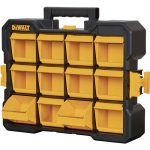
Are you tired of losing tiny screws, bolts, or other small parts when working on your projects? Keeping everything organized can be a real challenge, but it doesn’t have to be.
With the right tool bins, you can save time, reduce frustration, and make your workspace much more efficient. This guide will show you exactly how to choose and use tool bins to keep all your small parts in order. By the end, you’ll have simple, practical tips that will change the way you work for the better.
Ready to get started? Let’s dive in!
Choosing The Right Tool Bin
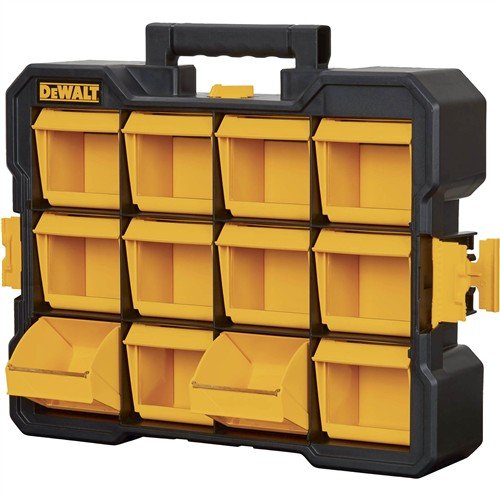
Tool bins help keep small parts organized and easy to find. Picking the right bin can save time and reduce frustration in your workspace.
Consider key factors like material, size, and portability when choosing a tool bin. This guide covers what to look for in each area.
Material Options
Tool bins come in different materials. Plastic is lightweight and affordable. Metal bins are strong and long-lasting. Clear plastic lets you see parts easily.
- Plastic: light, inexpensive, and easy to clean
- Metal: durable and resistant to damage
- Clear plastic: visibility of contents without opening
Size And Compartments
Choose a size that fits your workspace and holds the parts you use. Compartments help separate different items to avoid mixing.
| Size | Best For | Compartment Type |
|---|---|---|
| Small | Few parts or tight spaces | Fixed or removable small compartments |
| Medium | Moderate number of parts | Adjustable compartments for flexibility |
| Large | Many parts or large tools | Multiple large compartments |
Portability Features
Look for bins with handles or latches if you need to move them often. Some bins stack or clip together for easy transport.
- Sturdy handles for carrying
- Secure latches to keep parts inside
- Stackable design for space saving
- Lightweight for easy transport
Credit: www.harborfreight.com
Sorting Small Parts Effectively
Organizing small parts can save time and reduce mistakes. Using tool bins helps keep parts tidy and easy to find.
Good sorting methods improve your workspace and make projects smoother. This guide covers key ways to sort small parts well.
Categorizing By Type
Sorting parts by type groups similar items together. This method helps you quickly locate what you need.
- Group screws, nails, and bolts separately
- Keep washers and nuts in their own bins
- Sort electrical connectors by size and shape
- Place fasteners and clips in labeled sections
Labeling Techniques
Clear labels on tool bins prevent confusion. They help you identify parts at a glance.
| Label Type | Description |
| Printed Labels | Easy to read and durable |
| Handwritten Labels | Quick and flexible |
| Barcode Labels | Use with scanning systems |
| Magnetic Labels | Easy to move and adjust |
Using Color Codes
Colors help separate parts visually. This method speeds up finding and sorting.
Assign colors to different part groups. For example, red for screws, blue for nuts.
Maximizing Space In Tool Bins
Tool bins help keep small parts organized. Using space well lets you fit more parts inside.
Organized bins save time and reduce clutter in your workspace.
Stacking Strategies
Stacking bins can save space on shelves or benches. Choose bins that fit well on top of each other.
Use stable stacks to avoid accidents and keep parts safe.
- Stack bins of the same size for balance
- Place heavier bins at the bottom
- Use bins with lids to keep parts secure
- Label each bin on the front for quick access
Adjustable Dividers
Dividers let you split bins into smaller sections. This helps keep parts separated and easy to find.
Adjust dividers to fit parts of different sizes and shapes.
- Use dividers to prevent parts from mixing
- Change divider positions as your parts change
- Label each section for better organization
- Choose clear dividers to see parts easily
Utilizing Vertical Space
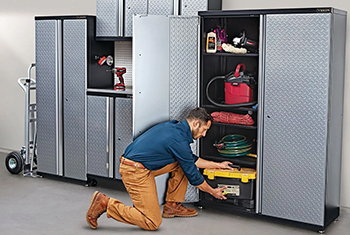
Vertical space is often unused in tool storage. Use tall bins or shelves to store parts upwards.
Stacking vertically frees up room on your workbench and floor.
- Use tall bins with secure lids
- Install shelving units to hold multiple bins
- Hang small bins on pegboards or walls
- Keep frequently used bins within easy reach
Credit: currently.att.yahoo.com
Maintaining Organization Over Time
Tool bins help keep small parts tidy and easy to find. Regular care keeps them organized and useful.
Staying organized saves time and prevents loss of important pieces. Follow simple habits to keep bins neat.
Regular Cleaning Routines
Clean your tool bins often to remove dust and debris. This helps you see parts clearly and keeps bins in good shape.
Use a soft cloth or brush to clean each compartment. Avoid harsh chemicals that can damage the bins.
- Empty bins before cleaning
- Wipe surfaces with a dry or slightly damp cloth
- Remove stuck dirt with a soft brush
- Let bins dry completely before refilling
Inventory Checks
Check your small parts often to know what you have. This stops you from running out of needed items.
Make a list of parts and their amounts. Update the list after using or adding parts to the bins.
- Count parts in each bin regularly
- Note low supplies and reorder early
- Keep labels clear and up to date
- Group similar items together
Replacing Damaged Bins
Check bins for cracks or broken parts. Damaged bins can cause spills and lost parts.
Replace bins that no longer hold parts securely. Use sturdy bins that fit your workspace well.
- Inspect bins during cleaning
- Remove bins with cracks or broken dividers
- Choose replacement bins with similar size and shape
- Keep a few extra bins for future needs
Specialized Tool Bins For Unique Parts
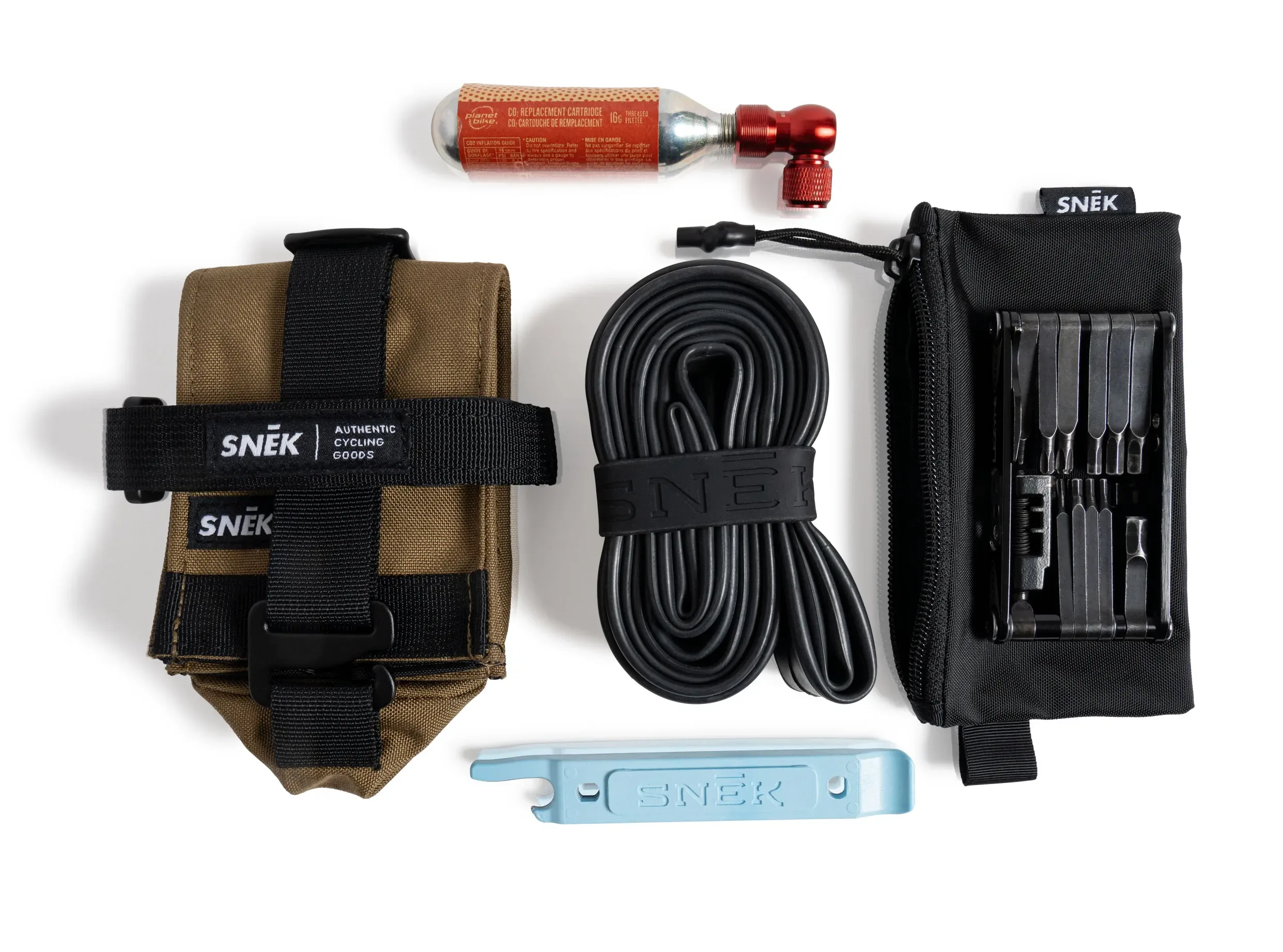
Tool bins help keep small parts organized and easy to find. Using bins made for specific parts saves time and reduces clutter. Choosing the right bin depends on the type of parts you store.
Specialized bins come in different shapes and sizes. They protect delicate items and keep hardware pieces sorted. This guide covers bins for electronics, hardware, and craft supplies.
Bins For Electronics
Electronics parts need bins that protect them from static and damage. Clear plastic bins with lids help you see parts without opening them. Small compartments hold resistors, capacitors, and chips safely.
- Use anti-static bins to prevent damage
- Choose bins with adjustable dividers
- Label each compartment for easy access
- Stack bins to save space
Bins For Hardware
Hardware bins hold screws, nuts, bolts, and washers. Durable bins with deep compartments keep heavy parts from mixing. Bins with snap-on lids prevent spills during transport.
| Type of Hardware | Recommended Bin Style | Material |
| Screws | Small compartment bins with lids | Plastic |
| Nuts and Bolts | Large compartment bins, stackable | Metal or plastic |
| Washers | Shallow bins with dividers | Plastic |
Bins For Craft Supplies
Craft supplies need bins that keep small pieces sorted and visible. Clear bins with removable dividers work well. You can separate beads, buttons, and threads for quick use.
- Choose bins with transparent lids
- Use color-coded labels for different supplies
- Pick stackable bins to save workspace
- Keep frequently used items in front compartments

Credit: device.report
Frequently Asked Questions
What Are Tool Bins Used For?
Tool bins are essential for organizing small parts efficiently. They help in storing, sorting, and accessing components easily. Ideal for workshops, garages, and factories, they enhance productivity. Tool bins prevent clutter and reduce time spent searching for items. They’re available in various sizes and materials to suit specific needs.
How Do You Organize Small Parts?
Organizing small parts requires systematic categorization. Use tool bins with labels for easy identification. Group similar items together for quick access. Regularly review and rearrange the bins for optimal order. Utilize dividers and compartments to separate different items. This method ensures efficiency and saves time during tasks.
What Materials Are Tool Bins Made From?
Tool bins are commonly made from plastic, metal, or wood. Plastic bins are lightweight and durable, ideal for varied environments. Metal bins offer strength and are perfect for industrial settings. Wooden bins provide a classic look and are suitable for home workshops.
Choose based on your specific storage needs and location.
Why Use Labeled Tool Bins?
Labeled tool bins enhance organization and efficiency. Labels allow quick identification of contents, saving time. They reduce errors in selecting parts and maintain order. Labeled bins facilitate inventory management and help in restocking. They’re essential for keeping workspaces tidy and productive.
Conclusion
Tool bins keep small parts neat and easy to find. They save time and reduce mess in any workspace. Choosing the right size and type helps organize better. Labeling each bin adds clarity and speeds up work. Regular cleaning keeps the system efficient and tidy.
Using tool bins makes projects smoother and less stressful. Try these tips to keep your tools in order. Organization brings peace and helps you focus on tasks. Simple steps lead to big improvements in your work area.