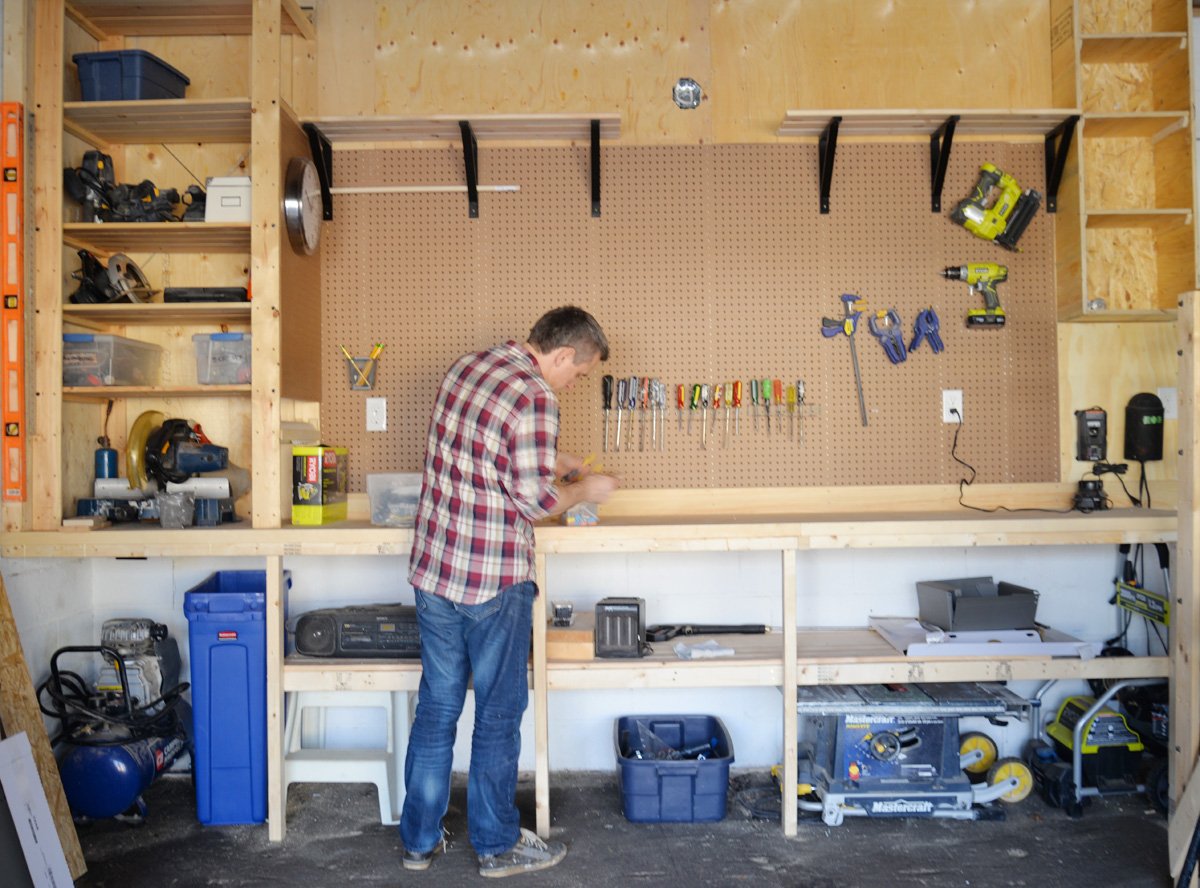
Are your small tools always scattered around, making it hard to find what you need when you need it? You’re not alone.
Keeping tiny screwdrivers, wrenches, and drill bits organized can feel like a constant challenge. But what if there was a simple way to store everything neatly, save time, and protect your tools from damage? This guide to using tool cabinets for small tools will show you exactly how to transform your clutter into a well-organized workspace.
By the end, you’ll have practical tips that make managing your tools easier and more efficient than ever. Ready to take control of your tools? Let’s dive in.

Credit: www.reddit.com
Choosing The Right Tool Cabinet
Finding the right tool cabinet helps keep small tools organized. It also protects tools from damage and loss.
Consider key features like material, size, and mobility before buying a cabinet. These affect how well the cabinet fits your needs.
Material And Durability
Tool cabinets come in different materials. Steel cabinets offer strong protection and last long. Plastic cabinets are lighter but less durable.
- Steel resists dents and scratches.
- Plastic is easy to clean and move.
- Wood cabinets look nice but can wear down.
- Check for rust-proof coatings on metal cabinets.
Size And Capacity
Choose a size that fits your tool collection and space. Too small means no room to grow. Too big wastes space and money.
| Cabinet Size | Tool Capacity | Best Use |
| Small (under 20 inches) | Up to 50 tools | Home DIY projects |
| Medium (20-40 inches) | 50 to 150 tools | Small workshops |
| Large (over 40 inches) | 150+ tools | Professional use |
Mobility Features
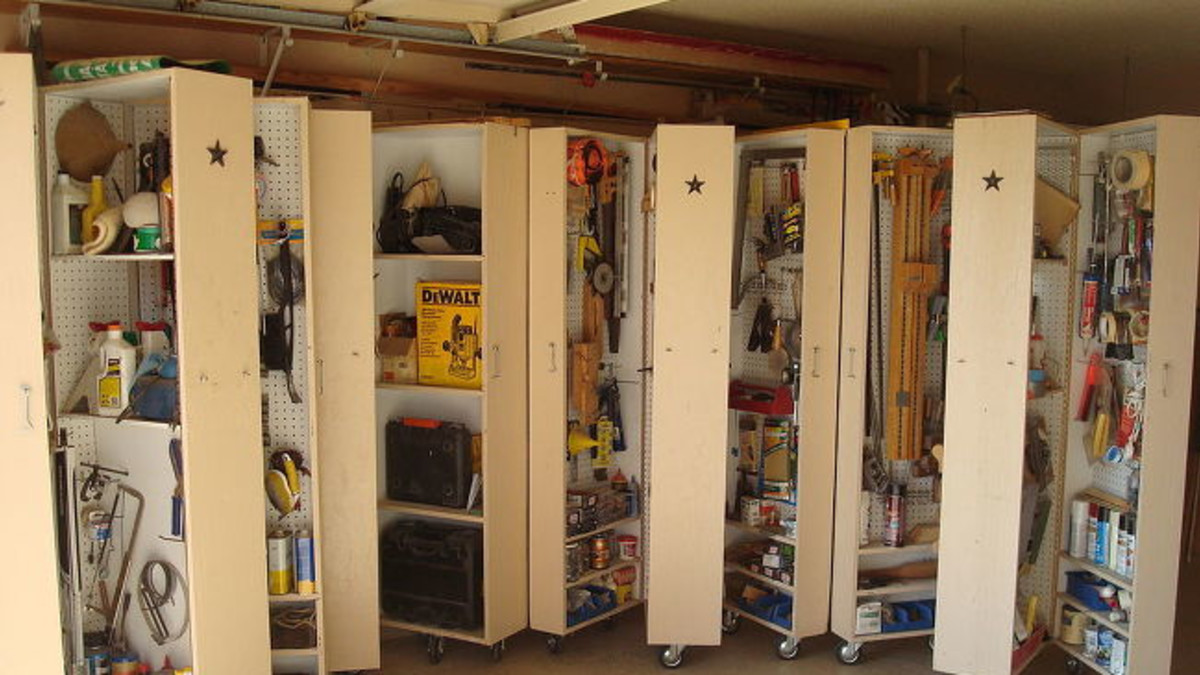
Mobility makes it easy to move your tools where needed. Look for wheels, handles, and locking mechanisms.
- Swivel casters allow smooth turning.
- Locking wheels keep the cabinet in place.
- Side handles help with lifting and moving.
- Consider weight capacity when moving full cabinets.
Credit: dengarden.com
Organizing Small Tools Efficiently
Keeping small tools tidy helps you find them fast. A well-organized tool cabinet saves time and effort.
Use simple methods to sort and store your tools. This guide shows easy ways to keep your tools neat.
Categorizing Tools By Type
Group similar tools together. Sorting by type makes it easier to know where each tool belongs.
- Screwdrivers
- Wrenches
- Pliers
- Measuring tools
- Cutting tools
- Fasteners and small parts
Using Drawer Dividers
Drawer dividers keep tools separated and prevent them from mixing. They help keep order inside drawers.
| Type of Divider | Best Use |
| Adjustable plastic dividers | Custom fit for different drawer sizes |
| Wooden slats | Durable and easy to customize |
| Metal grid organizers | Good for heavy or sharp tools |
Labeling For Quick Access
Labels help you find tools without opening every drawer. Clear labels save time and reduce frustration.
- Use printed or handwritten labels
- Place labels on drawer fronts or dividers
- Use color codes for different tool types
- Replace worn labels to keep them readable
Maximizing Space Inside Cabinets
Tool cabinets can quickly become cluttered without proper organization. Using space wisely helps keep small tools easy to find and safe. Proper techniques make the most of every inch inside your cabinet.
Below are methods to arrange small tools neatly and save room. These tips help you keep a tidy workspace and protect your tools from damage.
Stacking Techniques
Stacking small tool containers or boxes inside the cabinet saves floor space. Use uniform-sized bins to create stable piles. Label each box to find tools quickly without unstacking everything.
- Use shallow bins for small parts to stack without tipping.
- Place heavier items at the bottom for stability.
- Keep frequently used tools on top for easy access.
- Stack similar tools together to reduce search time.
Utilizing Vertical Space
Vertical space inside cabinets often goes unused. Adding shelves or hooks inside the door can hold many small tools. This keeps the main cabinet area free for larger items.
| Vertical Storage Option | Best For |
|---|---|
| Adjustable Shelves | Stacking small boxes or tool cases |
| Door-mounted Hooks | Hanging wrenches, pliers, and scissors |
| Magnetic Strips | Holding metal tools like screwdrivers |
Adding Custom Inserts
Custom inserts keep tools in place and prevent shifting. Foam or plastic inserts with cutouts match tool shapes. Inserts help you see where each tool belongs and avoid clutter.
- Protects tools from scratches and damage.
- Keeps tools organized by type or size.
- Speeds up tool retrieval and storage.
- Reduces noise when moving the cabinet.
Maintaining Your Tool Cabinet
Keeping your tool cabinet in good shape helps your tools last longer. Regular care prevents damage and keeps everything organized.
Follow simple steps to clean, protect, and check your cabinet. This guide covers key tips for easy maintenance.
Regular Cleaning Tips
Clean your tool cabinet often to remove dust and dirt. This prevents grime build-up that can cause wear.
- Wipe surfaces with a damp cloth weekly
- Use mild soap for tougher stains
- Dry completely to avoid moisture
- Vacuum drawer tracks to keep them smooth
- Remove debris inside drawers regularly
Preventing Rust And Damage
Rust can ruin your tools and cabinet. Stop rust by controlling moisture and protecting metal parts.
| Action | Reason |
| Keep cabinet dry | Moisture causes rust |
| Apply lubricant on hinges | Prevents wear and squeaks |
| Use rust inhibitors | Protects metal surfaces |
| Fix scratches quickly | Stops rust from starting |
Routine Inventory Checks
Check your tools often to know what you have and what needs replacement. This keeps your work efficient.
Try this easy inventory checklist:
- Open each drawer and list tools inside
- Mark broken or missing items
- Note tools needing cleaning or sharpening
- Restock supplies like screws and nails
- Store tools back neatly after checking
Creative Storage Solutions
Keeping small tools organized saves time and space. Using the right tool cabinet helps keep everything neat.
There are many ways to store tools creatively. Magnetic strips, portable organizers, and wall cabinets work well.
Magnetic Strips And Hooks
Magnetic strips hold metal tools so you can see and reach them fast. Hooks add space for hanging items that do not stick to magnets.
- Use magnetic strips for screwdrivers, wrenches, and pliers.
- Install hooks for tape measures, scissors, and brushes.
- Place strips and hooks near your workbench for easy access.
- Keep tools off surfaces to prevent clutter and damage.
Portable Tool Organizers
Portable organizers help carry small tools and parts. They fit inside larger cabinets or work alone for quick jobs.
| Type | Best Use | Material |
| Plastic boxes with compartments | Small parts like screws and nails | Durable plastic |
| Tool bags with pockets | Mixed tools for easy transport | Fabric or leather |
| Stackable trays | Sorting and storing hand tools | Metal or plastic |
Wall-mounted Cabinets
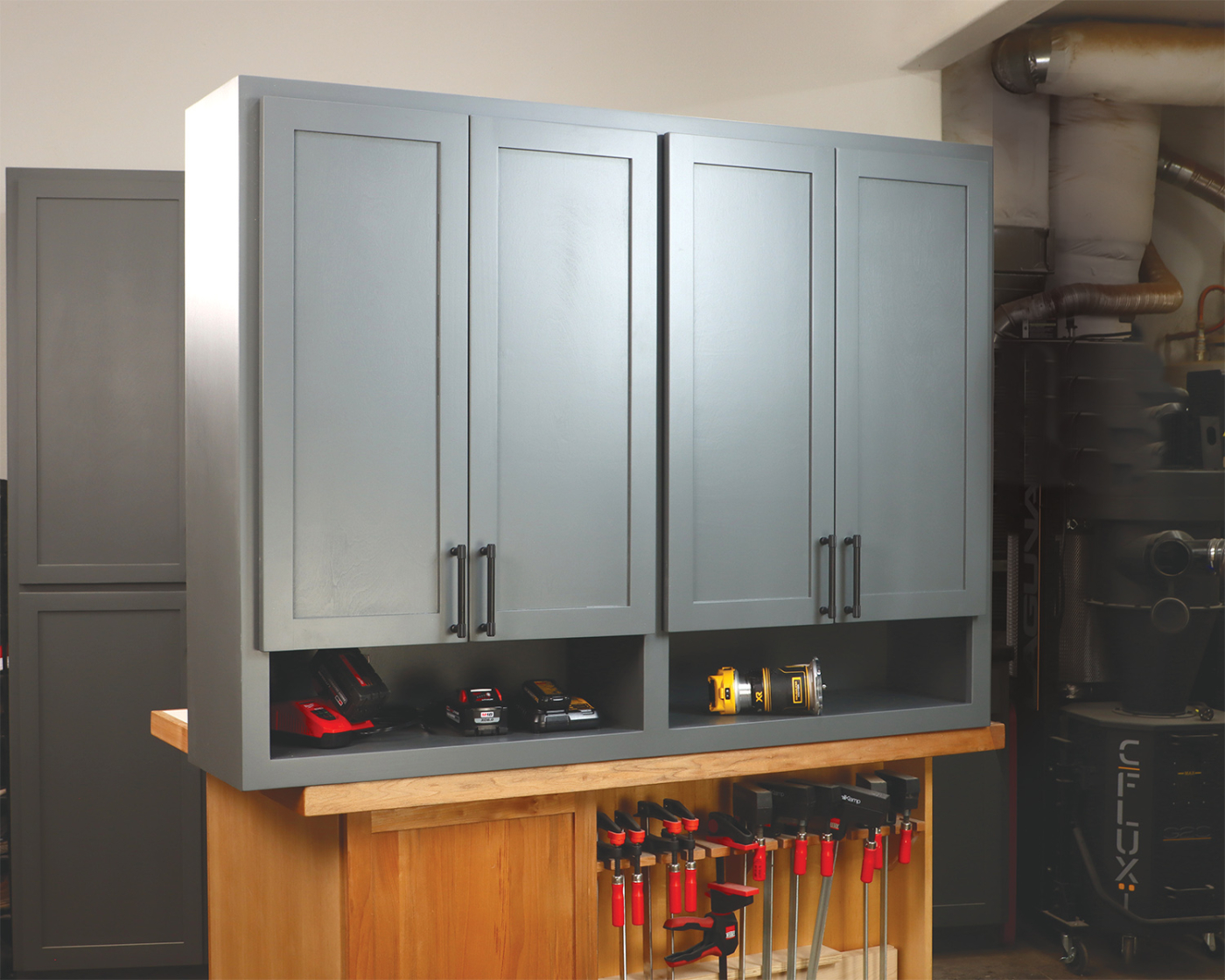
Wall-mounted cabinets save floor space and keep tools safe. They offer organized storage with easy visibility.
Tips for using wall cabinets:
- Choose cabinets with clear doors for quick tool checks.
- Label shelves or drawers by tool type or size.
- Use adjustable shelves to fit different tool heights.
- Install near your main workspace to reduce walking time.
Credit: www.popularwoodworking.com
Frequently Asked Questions
What Are The Best Tool Cabinets For Small Tools?
The best tool cabinets for small tools offer compact storage with multiple compartments. Look for durable materials, smooth drawers, and customizable dividers. Portable options with locking features enhance security and convenience. Choose designs that fit your workspace and tool collection.
How To Organize Small Tools In A Tool Cabinet?
Organize small tools by grouping similar items together. Use drawer dividers or trays to separate tools. Label compartments for easy identification. Keep frequently used tools accessible and store rarely used items in deeper drawers. Regularly declutter to maintain order and efficiency.
Can Tool Cabinets Protect Small Tools From Damage?
Yes, tool cabinets protect small tools by preventing dust and moisture exposure. Sturdy construction absorbs shocks, reducing damage risk. Lockable cabinets add security against theft. Proper organization also prevents tools from scratching or bending, ensuring longer tool lifespan.
Are Portable Tool Cabinets Good For Small Tools?
Portable tool cabinets are ideal for small tools due to mobility and compact size. They allow easy transport between job sites or rooms. Look for lightweight models with secure latches and ergonomic handles. Portability enhances convenience without sacrificing organization or protection.
Conclusion
Tool cabinets keep small tools neat and easy to find. They save time and reduce mess. Choose a cabinet that fits your space and tool types. Organize tools by size or use for quick access. Regularly clean and check your cabinet for better use.
A good tool cabinet makes any project smoother and faster. Start with simple steps to keep tools tidy every day. Small tools deserve a smart home too.