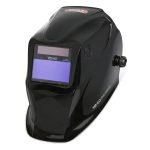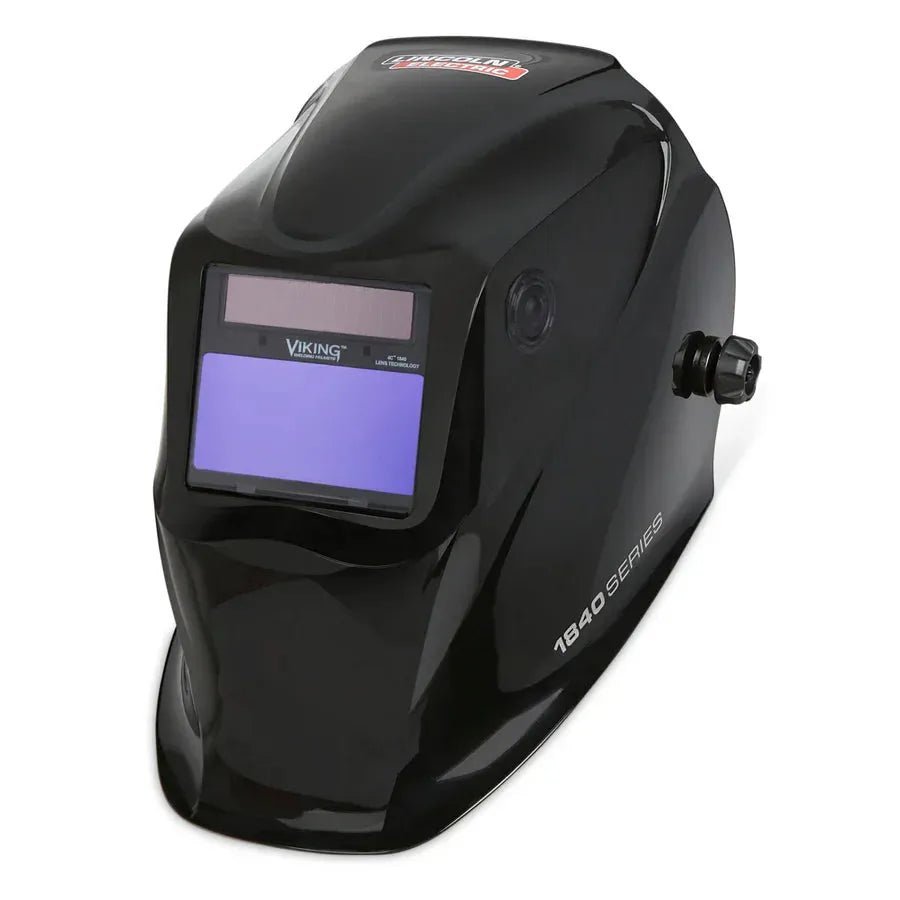
If you work with metal, you know how important safety is. Using the right welding helmet can protect your eyes and face from sparks, bright light, and harmful fumes.
But with so many options out there, how do you choose the best one for your projects? This guide will help you understand everything you need to know about welding helmets. By the time you finish reading, you’ll feel confident picking the perfect helmet that keeps you safe and makes your work easier.
Ready to protect yourself and take your metal projects to the next level? Let’s dive in.

Credit: www.ishn.com
Choosing The Right Welding Helmet
Using the right welding helmet protects your eyes and face from sparks and bright light. It also helps you work safely on metal projects.
This guide explains how to pick the best welding helmet by looking at types, lens shades, and comfort.
Types Of Welding Helmets
There are different welding helmets for different tasks. You can choose from passive, auto-darkening, and hybrid helmets.
- Passive Helmets:Have a fixed dark lens. They are simple and affordable but less convenient for frequent welding.
- Auto-darkening Helmets:The lens changes shade automatically when you start welding. They offer better protection and ease of use.
- Hybrid Helmets:Combine features of passive and auto-darkening helmets for varied work conditions.
Lens Shade Selection
Choosing the right lens shade is important to protect your eyes from harmful light. Different welding processes need different shades.
| Welding Process | Recommended Shade |
|---|---|
| MIG Welding | 10-13 |
| TIG Welding | 8-13 |
| Stick Welding | 10-14 |
| Plasma Cutting | 8-14 |
Comfort And Fit Considerations
A helmet must fit well and feel comfortable. This helps you work longer without strain or distraction.
- Look for adjustable headbands to fit your head size.
- Choose lightweight materials to reduce neck fatigue.
- Check for good ventilation to keep your face cool.
- Try helmets with padded interior for extra comfort.

Credit: www.ishn.com
Preparing For Welding
Welding can be dangerous if you are not ready. Using a welding helmet protects your eyes and face. Proper preparation helps you work safely and well.
Before starting, check your helmet and gear. Adjust your helmet to fit and wear the right clothes for protection.
Inspecting Your Helmet
Look over your welding helmet carefully. Make sure the lens is clear and not cracked. Check the headband for cracks or wear. Replace any broken parts before use.
- Clean the helmet lens to see clearly.
- Check for cracks or damage on the shell.
- Test the auto-darkening feature if your helmet has one.
- Make sure the helmet fits snugly without slipping.
Adjusting Helmet Settings
Set your helmet to match your welding task. Adjust the shade level to protect your eyes. The right shade depends on the type of welding and brightness.
| Welding Type | Recommended Shade |
| MIG Welding | 10-13 |
| TIG Welding | 8-12 |
| Stick Welding | 10-14 |
| Plasma Cutting | 8-13 |
Adjust the sensitivity and delay settings if your helmet has these. This helps the lens react properly to light changes.
Wearing Protective Clothing
Wear clothes that cover your skin fully. Use fire-resistant jackets and gloves. Avoid synthetic fabrics that can melt on sparks.
- Long-sleeve fire-resistant shirt or jacket
- Leather gloves made for welding
- Long pants without holes
- Closed-toe leather boots
- Ear protection if needed
Safe Welding Practices
Welding helmets protect your eyes and face from sparks and harmful light. Using them correctly keeps you safe during metal projects.
Always follow safety steps to avoid injuries and work better. This guide helps you use welding helmets the right way.
Positioning And Visibility
Keep the helmet in a comfortable position for good view and protection. Adjust the headgear so it fits snugly but not too tight.
Look through the lens directly to see your work clearly. Avoid tilting your head too much to keep the helmet steady.
- Adjust straps before starting to weld
- Keep helmet level for full face coverage
- Check lens position to avoid glare
Avoiding Common Hazards
Welding can cause burns, eye damage, and breathing problems. Helmets block sparks and harmful rays, lowering risks.
Wear a helmet with the correct shade to protect your eyes. Make sure the helmet covers your face and neck well.
- Use helmets with proper lens shade for the welding type
- Wear other protective gear like gloves and jackets
- Keep your workspace clean to avoid fire hazards
Maintaining Clear Vision
Dirty or scratched lenses reduce visibility and safety. Clean your helmet lens before and after each use.
Replace damaged or foggy lenses right away. Use anti-fog sprays or inserts if your helmet fogs up.
- Wipe lens with a soft cloth and cleaner
- Inspect lens for cracks or scratches often
- Store helmet in a dry, dust-free place
Helmet Maintenance Tips
Welding helmets protect your eyes and face during metal projects. Keeping them in good shape is important for safety.
This guide covers key ways to maintain your welding helmet. Follow these tips to extend its life and ensure clear vision.
Cleaning The Lens
Clean the lens regularly to keep your view clear and free of dirt or sparks. Use soft cloths and mild cleaners made for lenses.
- Remove dust and debris gently with a soft brush or cloth.
- Apply lens cleaner or soapy water to wipe the lens carefully.
- Avoid harsh chemicals that can damage the lens surface.
- Dry the lens with a clean, lint-free cloth to avoid scratches.
Replacing Helmet Parts
Replace worn or broken parts quickly to keep your helmet working well. Common parts to check include the lens, headband, and shell.
| Part | Signs to Replace |
| Lens | Scratches, cracks, or cloudiness |
| Headband | Loose fit or broken adjustment |
| Helmet Shell | Cracks or deep dents |
Storing Your Helmet Safely
Store your welding helmet in a dry, cool place away from sunlight. Proper storage prevents damage and keeps it ready to use.
- Keep the helmet in a padded bag or box.
- Avoid placing heavy objects on top of the helmet.
- Store away from chemicals or sharp tools.
- Check the helmet before each use for any damage.
Advanced Helmet Features
Welding helmets now come with smart features. These features help protect welders better. They also make welding easier and safer.
This guide covers three key features. Learn how each one improves your welding experience.
Auto-darkening Technology
Auto-darkening helmets change the lens shade quickly. The lens darkens when the welder strikes an arc. This protects the eyes from bright light and sparks.
- Improves visibility before and after welding
- Reduces neck strain by avoiding helmet flipping
- Adjustable sensitivity for different welding types
- Variable shade levels for eye comfort
Respiratory Protection Integration
Some helmets include built-in respiratory systems. These systems filter harmful fumes and dust. They keep welders safe from breathing hazards.
| Feature | Description |
| Airflow System | Delivers clean air inside the helmet |
| Filters | Remove smoke and toxic particles |
| Battery Powered | Keeps the system running for hours |
| Comfort Fit | Ensures tight seal and reduces fogging |
Digital Controls And Sensors
Digital controls let welders adjust settings easily. Sensors monitor light and dark levels automatically. This keeps the helmet working just right.
Common Digital Features
- LCD display for shade level and battery status
- Delay controls to set lens light recovery time
- Sensitivity adjustment for different welding processes
- Low battery alerts to avoid unexpected failure
Credit: tikweld.com
Frequently Asked Questions
What Is The Purpose Of A Welding Helmet?
A welding helmet protects your eyes and face from harmful UV and infrared rays. It also shields against sparks and spatter. This is crucial for safety during metal projects. Modern helmets often feature auto-darkening lenses, providing clear visibility when not welding.
How Does An Auto-darkening Helmet Work?
Auto-darkening helmets have light sensors that detect welding arcs. These sensors trigger the lens to darken instantly. This ensures eye protection without lifting the helmet. The helmet returns to a clear state when the arc stops, allowing seamless workflow.
Why Choose A Helmet With Adjustable Shade?
Helmets with adjustable shade offer flexibility for different welding processes. They allow customization of darkness levels to suit specific needs. This enhances comfort and reduces eye strain, improving productivity and safety.
Are Welding Helmets Suitable For All Metal Projects?
Welding helmets are essential for various metal projects, including MIG, TIG, and arc welding. They provide crucial protection, ensuring safety across different welding techniques. Always select a helmet that meets the specific requirements of your project.
Conclusion
Welding helmets protect your eyes and face from sparks and light. Choose one that fits well and feels comfortable. Always check the shade level before starting your work. Keep your helmet clean and in good shape for safety. Using the right helmet helps you work better and stay safe.
Remember, safety should always come first in metal projects. Stay alert and protect yourself every time you weld.