
Are you tired of watching your container plants droop or wilt despite your best efforts? Watering container plants might seem simple, but doing it the right way can make all the difference between thriving greenery and struggling leaves.
In this guide, you’ll discover easy tips and tricks to water your plants effectively, saving you time, money, and frustration. Keep reading to unlock the secrets that will help your container plants stay healthy and vibrant, no matter the season.
Your plants will thank you!
Choosing The Right Containers
Picking the right container helps your plants grow healthy. Containers affect how much water your plants get.
Good containers keep soil moist but not too wet. Let’s look at what matters when choosing containers.
Material Impact On Water Retention
Different container materials hold water in different ways. Clay pots dry out faster than plastic ones.
- Clay pots let water evaporate quickly through their walls.
- Plastic pots keep soil moist longer because they do not breathe.
- Wood containers absorb some water but also allow good airflow.
- Metal containers can heat up and dry soil fast in the sun.
Size And Drainage Considerations
Container size affects water use and root space. Drainage holes stop water from pooling.
| Container Size | Watering Tips | Drainage Importance |
|---|---|---|
| Small | Water often in small amounts | Must have holes to avoid root rot |
| Medium | Water every few days | Good drainage keeps roots healthy |
| Large | Water less often but more deeply | Drainage holes prevent water buildup |
Credit: brindavanagardens.com
Selecting Suitable Soil Mixes
Choosing the right soil mix is important for healthy container plants. The soil holds water, air, and nutrients for the roots.
Good soil mixes help plants grow strong and prevent problems like root rot or drying out.
Soil Types For Container Plants
Container plants need soil that drains well but keeps enough moisture. Regular garden soil is too heavy for pots.
Common soil types for containers include potting mix, peat moss, and coconut coir. These keep roots healthy.
- Potting Mix:A light, fluffy blend made for pots. It holds water and lets air reach roots.
- Peat Moss:Helps hold moisture and nutrients. It is soft and improves soil texture.
- Coconut Coir:A natural fiber that holds water well and drains excess moisture.
- Perlite or Vermiculite:Added to soil mixes to improve aeration and drainage.
Improving Drainage And Moisture Retention
Good drainage stops water from pooling and causing root rot. Moisture retention keeps plants hydrated longer.
Add materials that balance water flow and air space in the soil. This helps roots breathe and absorb water.
- Mix perlite or coarse sand to improve drainage.
- Add peat moss or coconut coir to hold moisture.
- Use pots with drainage holes to let extra water escape.
- Do not use heavy garden soil alone in containers.
Watering Frequency And Timing
Watering container plants is different from watering garden plants. Containers dry out faster because they hold less soil.
Knowing when and how often to water helps keep your plants healthy and growing well.
Seasonal Adjustments
Plants need more water in hot seasons and less in cold seasons. Adjust your watering schedule as seasons change.
In summer, check containers daily because heat dries soil quickly. In winter, water less since plants grow slower.
- Spring: Water when top inch of soil feels dry
- Summer: Water daily or every other day
- Fall: Water less often, about twice a week
- Winter: Water once a week or less
Best Time Of Day To Water
Water plants early in the morning to reduce evaporation. This helps soil hold water longer.
Evening watering is okay but can cause damp leaves overnight. This may lead to plant diseases.
- Morning watering cools plants for the day
- Soil absorbs water better in cooler hours
- Avoid midday watering to prevent water loss
- Evening watering should be done early to dry leaves
Credit: www.guildford.org.uk
Watering Techniques
Watering container plants correctly helps them grow strong and healthy. Different techniques give water to the roots in different ways.
Choosing the right watering method can save water and keep plants happy. Learn how to water from the top or bottom and use self-watering systems.
Bottom Vs. Top Watering
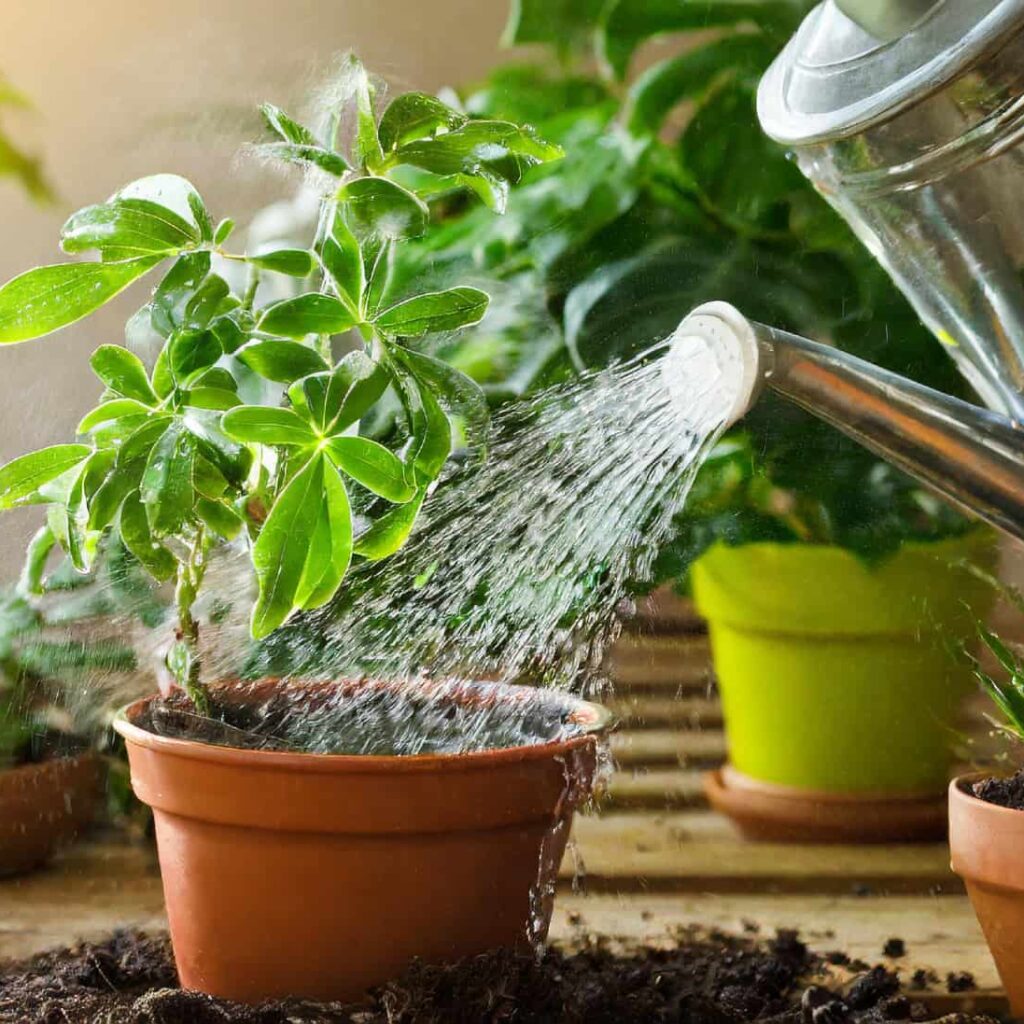
Top watering means pouring water over the soil surface. It wets the soil and reaches the roots from above.
Bottom watering lets plants drink water from below. You put water in a tray and the plant soaks it through drainage holes.
- Top watering helps wash away dust on leaves
- Bottom watering reduces leaf diseases
- Top watering is quick and easy
- Bottom watering encourages deep root growth
- Bottom watering avoids overwatering the soil surface
Using Self-watering Systems
Self-watering systems supply water automatically. They keep soil moist without daily watering.
These systems often use a reservoir below the pot. Water moves up to the roots by capillary action.
- Save time by watering less often
- Prevent water waste with slow release
- Keep plants healthy with steady moisture
- Great for busy people or vacation times
Signs Of Overwatering And Underwatering
Watering container plants is important for their health. Too much or too little water can harm them.
Knowing the signs of overwatering and underwatering helps you care for your plants well.
Symptoms To Watch For
Overwatered plants often have yellow leaves and soft stems. Their soil may stay wet for a long time.
Underwatered plants show dry, brown leaf edges. Their soil feels dry and pulls away from the pot edges.
- Overwatering signs:yellow leaves, wilting, moldy soil, root rot smell
- Underwatering signs:dry leaves, leaf drop, slow growth, cracked soil
Corrective Actions
For overwatered plants, stop watering and let the soil dry out. Remove damaged leaves and check roots.
For underwatered plants, water deeply and regularly. Check soil moisture often to keep it balanced.
- Overwatering fix:improve drainage, reduce watering frequency
- Underwatering fix:water slowly to soak soil, increase watering if needed
Impact Of Environmental Factors
Watering container plants well needs more than just adding water. The environment around the plants changes how much and how often you should water.
Sunlight, temperature, and humidity all affect how fast water dries from the soil. Knowing these effects helps keep your plants healthy.
Sunlight And Temperature Effects
Strong sunlight heats the soil and plant leaves. This makes water evaporate faster. High temperatures also dry soil quickly, so plants need more water.
- Plants in full sun dry out faster than those in shade.
- Warm days increase water use by plants.
- Cooler temperatures slow evaporation and water use.
- Check soil moisture daily during hot weather.
Humidity’s Role In Watering Needs
Humidity means how much moisture is in the air. High humidity slows water loss from leaves and soil. Low humidity causes plants to lose water quickly.
| Humidity Level | Effect on Watering |
| High (above 70%) | Water less often, soil stays moist longer |
| Moderate (40-70%) | Water regularly, check soil moisture |
| Low (below 40%) | Water more often, soil dries quickly |
Using Mulch To Retain Moisture
Mulch helps keep soil moist by reducing water loss. This is very important for container plants.
Using the right mulch type and applying it well can save water and help plants grow better.
Types Of Mulch Suitable For Containers
Not all mulches work well in containers. Choose light and breathable materials that do not hold too much water.
- Bark chips: They break down slowly and add nutrients.
- Coconut coir: Holds moisture and is light in weight.
- Compost: Adds nutrients but should be used thinly.
- Leaves: Shredded leaves are good but dry fast.
- Straw: Keeps soil cool and prevents weeds.
Application Tips
Apply mulch carefully to get the best results and avoid problems like mold or pests.
| Tip | Details |
| Layer Thickness | Keep mulch about 1 to 2 inches thick |
| Water Before Mulching | Water soil well before adding mulch |
| Keep Away from Stems | Leave space around plant stems to prevent rot |
| Refresh Regularly | Replace mulch as it breaks down or gets dirty |
| Use Clean Materials | Choose mulch free from weeds and pests |
Water Quality And Its Effects
Water quality is important for container plants. It affects plant health and growth.
Understanding different water types helps you care for your plants better.
Tap Water Vs. Rainwater
Tap water is easy to use but may contain chemicals. Chlorine and fluoride can harm some plants.
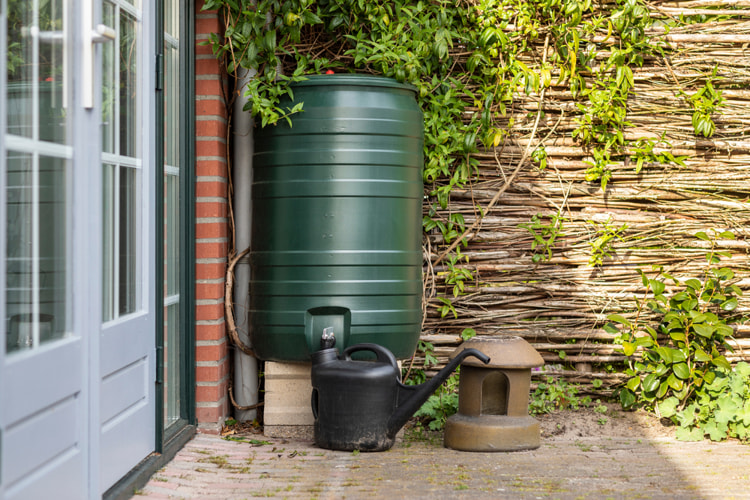
Rainwater is natural and usually soft. It is free of added chemicals and good for most plants.
- Tap water may have minerals and chemicals.
- Rainwater is softer and free from chemicals.
- Some plants prefer rainwater for better growth.
- Tap water quality varies by location.
Managing Hard Water Issues
Hard water has high mineral content. It can leave deposits on soil and pots.
| Problem | Effect on Plants | Solution |
| Mineral buildup | Blocks water absorption | Use rainwater or distilled water |
| High pH | Stops nutrient uptake | Add soil acidifiers or vinegar |
| Salt accumulation | Damages roots | Flush soil with clean water regularly |

Credit: jayscotts.com
Frequently Asked Questions
How Often Should I Water Container Plants?
Water container plants when the soil feels dry to the touch. Generally, this means every 1-3 days, depending on weather and plant type. In hotter climates, plants may need daily watering. Always ensure proper drainage to avoid overwatering, which can harm the plant roots.
What Time Of Day Is Best For Watering?
Watering in the early morning is ideal. It allows plants to absorb moisture before the sun intensifies. This reduces water evaporation and helps plants remain hydrated throughout the day. Avoid watering in the evening to prevent excess moisture, which can lead to root rot and fungal diseases.
How Can I Tell If My Plant Is Overwatered?
Signs of overwatering include yellowing leaves, wilting, and a soggy soil surface. If the plant’s roots are rotting or there is persistent standing water, it’s overwatered. To fix this, reduce watering frequency and ensure the container has proper drainage to allow excess water to escape.
Are Self-watering Containers Effective?
Yes, self-watering containers are effective for maintaining consistent moisture levels. They provide a reservoir that supplies water as needed, reducing the risk of over or under-watering. These containers are especially beneficial for busy gardeners or when plants need consistent care during hot weather.
Conclusion
Watering container plants needs care and attention. Check soil moisture often to avoid overwatering. Water deeply but not too much at once. Morning watering helps plants stay healthy and strong. Use pots with good drainage to prevent root rot. Watch plants for signs of thirst or stress.
With simple steps, your plants will thrive. Enjoy the beauty and freshness they bring to your space. Keep learning and caring for your container garden daily. Small efforts make a big difference in plant health.
