
Imagine walking through your lush vegetable garden, where each plant thrives and the produce promises a bountiful harvest. The secret?
It’s all in the way you water your garden. Watering your vegetable garden effectively can be the difference between a flourishing oasis and a lackluster patch. You might be wondering, “Am I doing it right? ” Or “How can I improve my gardening skills?
” If you’ve ever had these thoughts, you’re not alone. Many gardeners overlook simple yet crucial watering techniques that can make all the difference. This guide will reveal the key strategies you need to ensure your plants get the right amount of water, at the right time. Dive in and discover how to transform your garden into a thriving paradise. Your plants will thank you, and your harvest will too!
Credit: www.thecelticfarm.com
Choosing The Right Watering Method
Watering your vegetable garden properly helps plants grow strong and healthy. Picking the right watering method saves water and time. It also keeps the soil moist without causing harm.
Different methods suit different garden sizes and plant types. Learn about drip irrigation, soaker hoses, and hand watering to choose what fits your garden best.
Drip Irrigation Benefits
Drip irrigation delivers water directly to plant roots through small tubes. This method uses less water and reduces weed growth. It also lowers the risk of plant diseases.
- Conserves water by targeting roots
- Reduces soil erosion
- Prevents water on leaves, cutting disease chance
- Works well for raised beds and rows
- Can be automated with timers
Soaker Hoses
Soaker hoses release water slowly along their length. They are easy to place around plants and allow deep watering. This method helps keep soil moist evenly.
| Advantage | Details |
|---|---|
| Water Efficiency | Delivers water slowly to reduce waste |
| Easy Setup | Simply lay hose near plants |
| Good Soil Coverage | Water seeps into soil gently |
| Low Cost | Affordable for most gardeners |
Hand Watering Techniques
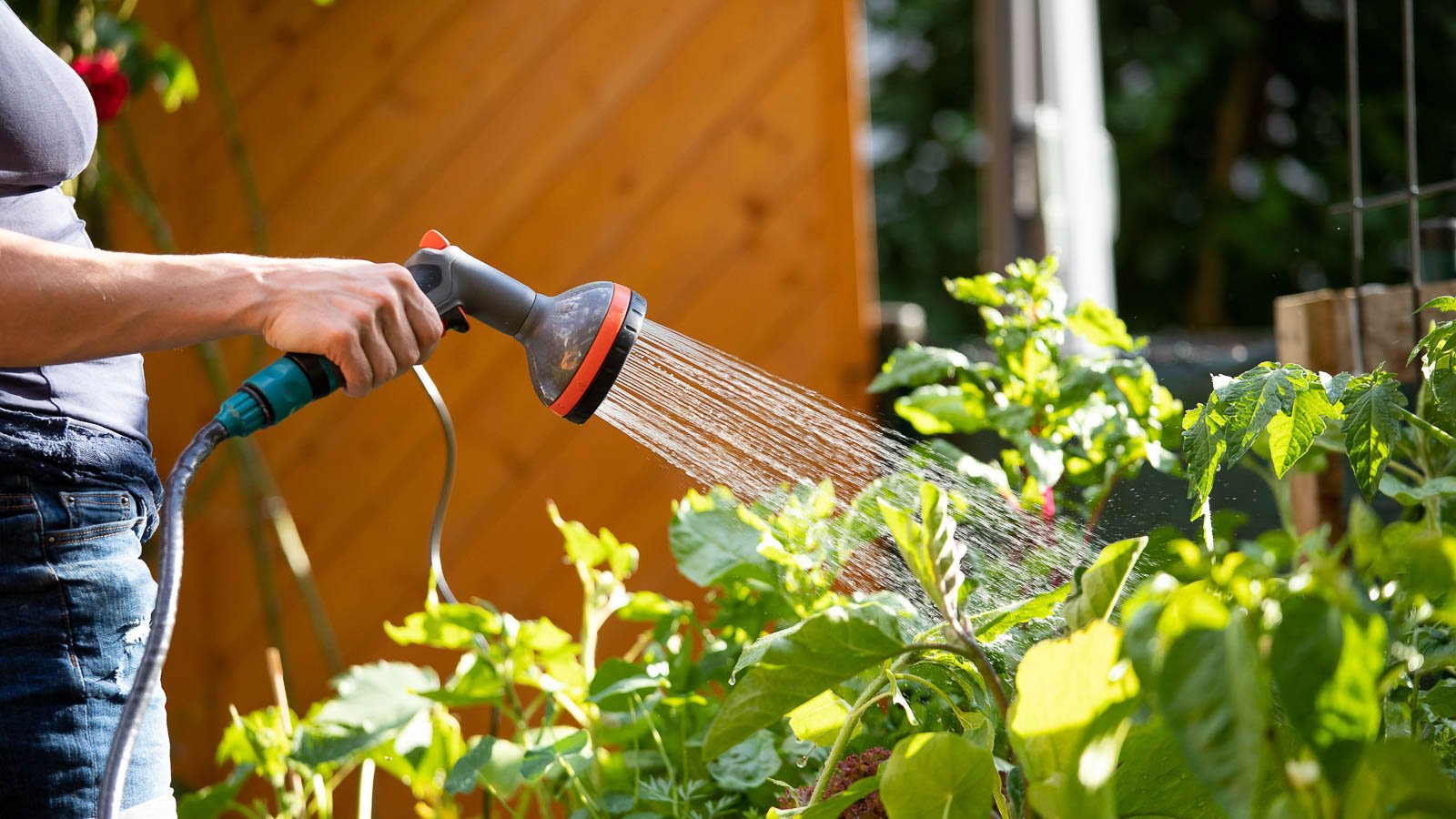
Hand watering lets you check plants closely and give water where needed. It works best for small gardens or new seedlings. Use a watering can or hose with a nozzle.
- Water early in the morning or late in the evening
- Aim water at the base of plants
- Use gentle flow to avoid soil damage
- Check soil moisture before watering
- Move around to reach all plants
Credit: www.epicgardening.com
Best Time To Water
Watering your vegetable garden at the right time helps plants grow strong. It also saves water and keeps soil healthy.
Choosing the best time to water depends on weather and plant needs. Let’s explore when to water for the best results.
Morning Vs Evening
Watering in the morning is often better for vegetable gardens. The sun is rising, and temperatures are cooler.
Evening watering can leave plants wet overnight. This may cause fungus and pests to grow more easily.
- Morning watering lets water soak into soil before heat
- Evening watering can cause damp leaves all night
- Morning watering reduces risk of plant diseases
Avoiding Evaporation
Water evaporates quickly in the heat of the day. This wastes water and leaves plants thirsty.
Watering early or late helps water reach plant roots. This keeps soil moist longer and saves water.
- Water in early morning to reduce evaporation
- Use drip irrigation to deliver water directly to roots
- Avoid watering at midday when the sun is strongest
Seasonal Adjustments
Water needs change with the seasons. Plants drink more in hot weather and less in cool weather.
Adjust your watering schedule to match the season. This keeps your vegetable garden healthy all year.
- Water more often in summer when it is hot and dry
- Water less in fall and winter when plants grow slowly
- Check soil moisture to decide if watering is needed
How Much Water To Use
Vegetable gardens need the right amount of water to grow well. Too little or too much water can harm plants.
Knowing how much water to give your garden helps keep plants healthy and productive.
Soil Moisture Needs
Vegetables need soil that stays moist but not soaked. Most plants like the soil to be damp about 6 inches deep.
- Check soil by feeling it with your fingers.
- If the top 1-2 inches is dry, it is time to water.
- Use mulch to keep soil moisture steady.
- Water in the early morning to reduce evaporation.
Signs Of Overwatering
Too much water can cause root problems and slow plant growth. Watch for these signs:
| Sign | Description |
| Yellow Leaves | Leaves turn yellow and may drop off. |
| Wilting | Plants look droopy despite wet soil. |
| Soft Roots | Roots feel mushy and rot easily. |
| Fungus Growth | Mold or fungus appears on soil surface. |
Signs Of Underwatering
Not enough water causes stress and poor growth. Look for these signs:
- Dry, brittle leaves that may curl.
- Slow growth or small fruits and vegetables.
- Soil pulls away from plant roots.
- Wilting that improves after watering.
Watering Frequency Tips
Watering your vegetable garden properly is key to healthy plants. The right watering schedule helps plants grow strong and produce well.
This guide explains how often to water your garden based on different factors. Learn how daily and weekly watering affect your plants.
Daily Vs Weekly Watering
Choosing daily or weekly watering depends on your soil, plants, and climate. Daily watering can keep soil moist but may waste water.
- Daily watering suits sandy soil that dries quickly.
- Weekly watering works well in clay soil that holds moisture.
- Young seedlings may need water every day to survive.
- Mature plants often do better with deep weekly watering.
- Too much daily watering can cause shallow roots.
Adapting To Weather Changes
Weather affects how often you should water your garden. Hot, dry days need more water than cool, rainy ones.
| Weather Condition | Watering Frequency |
| Hot and dry | Daily or every other day |
| Cool and cloudy | Once or twice a week |
| Rainy | Skip watering |
| Windy | More frequent watering |
Impact On Root Growth
Watering frequency changes root growth. Deep, less frequent watering helps roots grow stronger and deeper.
Shallow, frequent watering causes roots to stay near the surface. This makes plants weaker in dry spells.
Try to water deeply to encourage roots to grow down. Strong roots help plants get nutrients and water better.
Improving Water Efficiency
Watering vegetable gardens carefully saves water and helps plants grow. Using less water stops waste and keeps soil healthy.
Try smart ways to keep water in the soil and use natural resources. This guide shows three ways to improve water use.
Mulching Benefits
Mulching covers soil with leaves, straw, or grass clippings. It keeps moisture in the ground longer and stops weeds that use water.
- Reduces water evaporation from soil
- Keeps soil cooler in hot weather
- Prevents soil from washing away
- Adds organic matter as it breaks down
Rainwater Harvesting
Collect rainwater in barrels or containers. Use this water for your garden instead of using tap water.
| Method | Benefits |
| Rain Barrels | Easy to install and use |
| Rain Gardens | Absorbs water into soil |
| Swales | Directs water to plants |
Soil Amendments For Retention
Adding materials to soil helps it hold water better. This means less watering is needed for plants to stay healthy.
- Use compost to improve soil texture
- Add coconut coir or peat moss for moisture
- Mix in vermiculite or perlite for balance
- Test soil to know what it needs

Credit: swanhose.com
Common Watering Mistakes To Avoid
Watering your vegetable garden properly helps plants grow strong. Many gardeners make simple mistakes that harm their plants. Learning what to avoid can save time and effort.
This guide explains three common watering errors. Fixing these will improve your garden’s health and yield.
Watering Leaves Instead Of Soil
Watering leaves wastes water and can cause plant diseases. Leaves stay wet longer, which leads to fungus and mold. Water should reach the soil where roots absorb it.
- Aim water at the base of plants, not the leaves.
- Use drip irrigation or soaker hoses for best results.
- Water early in the day to let leaves dry if they get wet.
- Avoid overhead watering in the evening or on cool days.
Ignoring Plant Specific Needs
Different vegetables need different amounts of water. Some like moist soil all the time. Others prefer to dry out between watering. Ignoring this can stress plants or cause root rot.
| Vegetable | Watering Frequency | Notes |
| Tomatoes | Once or twice a week | Keep soil evenly moist |
| Carrots | 2-3 times a week | Do not let soil dry out |
| Beans | Once a week | Avoid water on leaves |
| Peppers | Once or twice a week | Prefer deep watering |
Using Poor Quality Water
Water quality affects plant health. Hard water or water with chemicals can harm roots and soil. Using bad water may cause leaf burn or stunted growth.
Check your water with these tips:
- Test pH level; ideal is 6.0 to 7.0.
- Avoid salty or chlorinated water.
- Use rainwater or filtered water if possible.
- Let tap water sit 24 hours before use to reduce chlorine.
Frequently Asked Questions
How Often Should I Water My Vegetable Garden?
Water your vegetable garden 2-3 times a week. Adjust frequency based on weather and soil moisture. Consistent watering helps plants grow healthy and strong.
What Is The Best Time To Water Vegetable Gardens?
Water early in the morning for best results. Morning watering reduces evaporation and allows leaves to dry, preventing diseases. Avoid evening watering to minimize fungal risks.
How Much Water Do Vegetable Plants Need Daily?
Vegetables generally need about 1-2 inches of water per week. This equals roughly 0. 25 inches per watering session. Deep watering promotes strong root growth and drought resistance.
Should I Water Vegetable Gardens At The Base Or Leaves?
Always water at the base of plants. This directs moisture to the roots and limits leaf wetness. Wet leaves can encourage fungal diseases and pest problems.
Conclusion
Watering your vegetable garden well helps plants grow strong and healthy. Use the right amount of water at the right time each day. Avoid overwatering to stop root problems and save water. Water the soil, not the leaves, to keep plants safe from disease.
Watch your plants for signs of thirst or too much water. Simple steps make a big difference in your garden’s success. Keep these tips in mind and enjoy fresh, homegrown vegetables all season long. Gardening becomes easier with practice and care.