Are you tired of seeing your hard work in the vegetable garden go to waste due to improper watering? You’re not alone.
Many gardeners struggle to find the perfect balance between overwatering and underwatering. Knowing how to water your vegetable garden efficiently can be the difference between a bountiful harvest and a disappointing yield. Imagine stepping into your garden and seeing lush, thriving plants, all because you’ve mastered the art of watering.
This guide is here to help you achieve just that. Get ready to transform your garden into a vibrant oasis, where every plant gets the right amount of moisture it needs. Dive in, and let’s unlock the secrets to watering your vegetable garden like a pro!

Credit: www.calloways.com
Benefits Of Efficient Watering
Watering vegetable gardens efficiently helps plants grow better. It also saves water and reduces costs.
Using the right watering methods supports healthy plants and protects the environment.
Improved Plant Health
Plants get the right amount of water when watered efficiently. This stops overwatering and underwatering.
Proper watering helps roots grow deep and strong. It also reduces plant diseases caused by too much moisture.
Water Conservation
Efficient watering uses less water by targeting the roots directly. This reduces water waste from evaporation or runoff.
Saving water helps keep the environment healthy and supports local water supplies during dry times.
- Water early in the morning or late in the evening
- Use drip irrigation or soaker hoses
- Check soil moisture before watering
Cost Savings
Using less water lowers your water bill. Efficient watering helps you save money every month.
Healthy plants grow better and need less replacement. This reduces costs for seeds and plants over time.
Choosing The Right Watering Methods
Watering your vegetable garden well helps plants grow strong. Choosing the right method saves water and time. Each method works best in different garden setups.
Learn about common watering methods. Pick the one that fits your garden size and plant types.
Drip Irrigation
Drip irrigation delivers water slowly to the plant roots. It uses tubes with small holes placed near plants. This method cuts water waste and keeps leaves dry.
This system works well for rows of vegetables and raised beds. It reduces weed growth by watering only the plants.
Soaker Hoses
Soaker hoses release water along their length. Lay them on the soil near plants. Water seeps out slowly to keep soil moist.
- Easy to install and move
- Good for irregular garden shapes
- Best for dense vegetable beds
- Use mulch to keep water from evaporating
Sprinklers
Sprinklers spray water over a large area. They work well for big gardens or lawns. Sprinklers can water many plants quickly but may waste water by wetting leaves and paths.
| Type | Best Use | Water Use |
| Oscillating | Rectangular areas | Moderate |
| Rotary | Large, round areas | High |
| Stationary | Small garden patches | Low |
Hand Watering
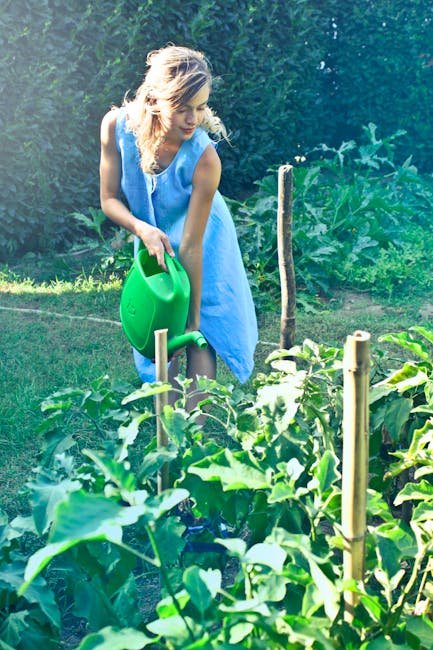
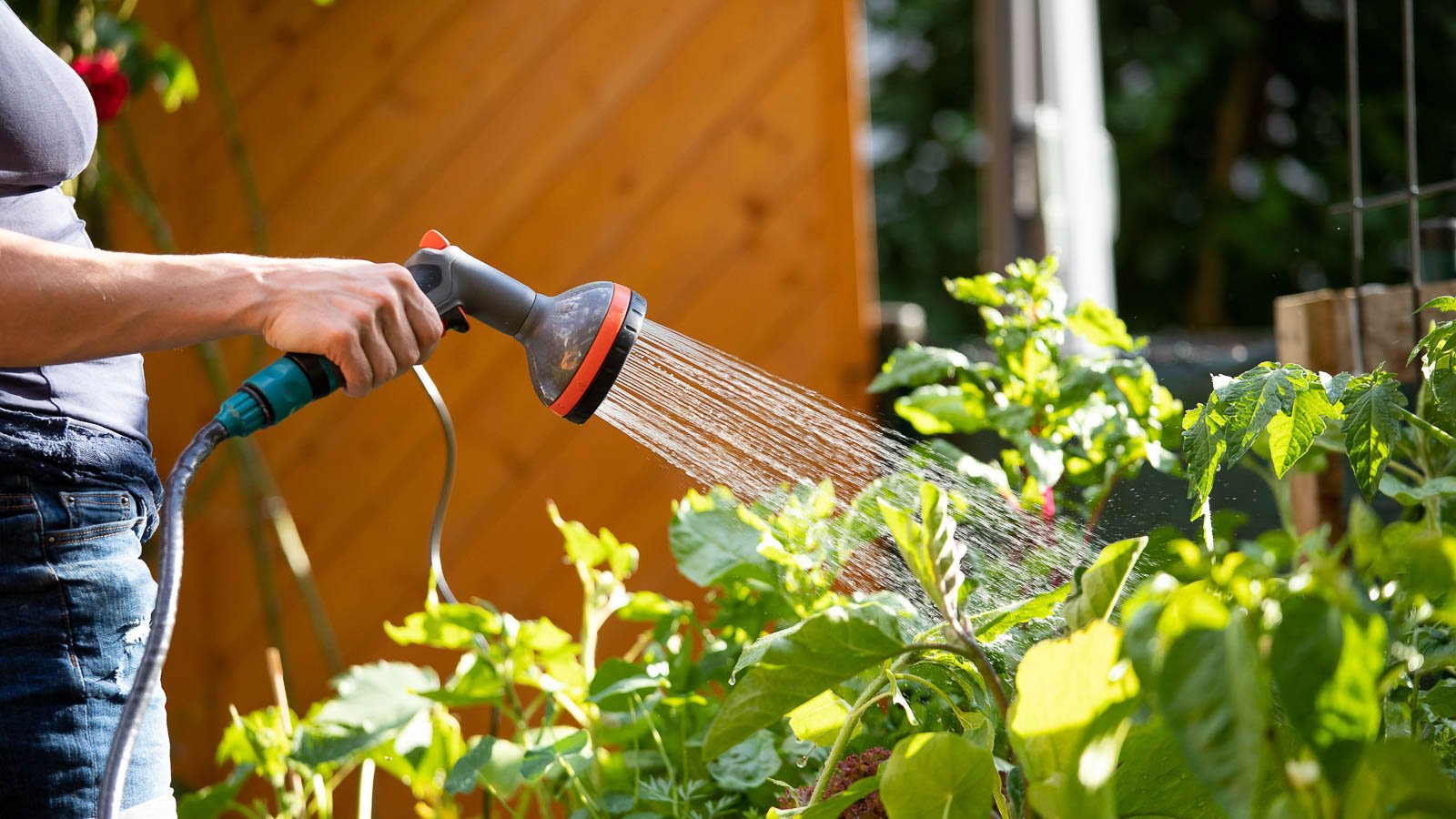
Hand watering uses a watering can or hose with a nozzle. It gives control to water specific plants. This method is best for small gardens or new seedlings.
Tips for hand watering:
- Water at the base of plants, not leaves
- Use a gentle spray to avoid soil damage
- Water early in the morning or late afternoon
- Check soil moisture before watering
Best Time To Water
Watering your vegetable garden at the right time helps plants grow strong. It saves water and keeps leaves healthy.
Choosing the best time to water depends on weather and plant needs. Early morning and evening are good times.
Early Morning Advantages
Watering in the early morning helps plants absorb water before the heat of the day. It lowers water loss from evaporation.
- Soil stays moist longer for roots
- Leaves dry faster, reducing disease risk
- Plants get enough water for photosynthesis
- Water pressure is usually steady early in the day
Evening Watering Tips
Watering in the evening is good if mornings are not possible. It cools the soil and prepares plants for night.
| Tip | Reason |
| Water plants near the roots | Reduces leaf wetness and disease |
| Avoid heavy watering late at night | Prevents fungal growth |
| Use drip irrigation or soaker hoses | Delivers water efficiently |
| Check soil moisture before watering | Prevents overwatering |
Credit: www.thecelticfarm.com
Watering Frequency And Amount
Watering your vegetable garden well helps plants grow strong. Giving the right amount of water at the right time is key.
Too much water can harm roots. Too little water makes plants dry and weak. Let’s learn how often and how much to water.
Assessing Soil Moisture
Check soil moisture before watering. Stick your finger into the soil about two inches deep. If it feels dry, it is time to water.
You can also use a soil moisture meter. It helps give a clear idea if the soil needs water or not.
- Dry soil means water is needed
- Wet soil means wait before watering
- Moist soil means plants have enough water
Adjusting For Plant Types
Different vegetables need different water amounts. Leafy greens like lettuce need more water than root vegetables like carrots.
Plants with deep roots can handle less frequent watering. Shallow-root plants need more regular watering to stay healthy.
- Leafy greens: water often, keep soil moist
- Root vegetables: water less, but deeply
- Fruit plants: water regularly during fruiting
Seasonal Variations
Water needs change with seasons. In hot weather, water more often to replace lost moisture. In cooler seasons, water less.
Rainfall also affects watering. If it rains a lot, reduce watering. Watch plants and soil to decide the best schedule.
- Summer: water daily or every other day
- Spring and fall: water 2-3 times per week
- Winter: water only if soil is dry
Soil Preparation For Better Water Retention
Good soil helps your vegetable garden hold water better. It keeps plants healthy by giving roots moisture.
Preparing soil well saves water and helps vegetables grow strong. It is an important step before planting.
Mulching Benefits
Mulching covers the soil with a layer of material. It stops water from evaporating too fast.
Mulch also keeps the soil cool and stops weeds from growing. This helps soil keep water longer.
- Reduces water loss
- Keeps soil temperature steady
- Prevents weed growth
- Improves soil health over time
Improving Soil Structure
Soil structure means how soil particles fit together. Good structure lets water soak in and stay near roots.
Loosening compacted soil helps water reach plant roots easily. Avoid walking on garden beds to keep soil loose.
- Break up hard soil clumps
- Use a garden fork or tiller gently
- Avoid heavy tools that compact soil
- Keep soil crumbly and soft
Adding Organic Matter
Organic matter like compost and leaves improves soil’s ability to hold water. It also adds nutrients plants need.
Mix organic matter well into soil before planting. It helps soil stay moist and feeds plants naturally.
- Use compost, manure, or leaf mold
- Mix into the top 6-8 inches of soil
- Repeat adding organic matter yearly
- Helps soil absorb and hold water
Common Watering Mistakes To Avoid
Watering vegetable gardens is important for healthy plants. Many gardeners make simple mistakes that hurt their crops.
Knowing what to avoid can help you save water and grow better vegetables.
Overwatering Risks
Giving too much water causes root rot and poor plant growth. Vegetables may get weak or die from too much water.
Soil that stays wet for long can attract pests and diseases.
- Roots need air; waterlogged soil blocks air.
- Overwatered plants often have yellow leaves.
- Too much water washes away nutrients.
Underwatering Signs
Not watering enough causes plants to wilt and stop growing. Dry soil makes roots shrink and die.
Vegetables may have smaller fruits or no fruits at all without enough water.
- Leaves look dry and crispy.
- Plants droop even in the morning.
- Soil pulls away from the edges of the pot or bed.
Watering Leaves Vs. Roots
Watering leaves wastes water and can cause leaf diseases. Water reaches roots better when applied at the soil level.
Direct water to roots to help plants absorb moisture quickly and stay healthy.
- Water early in the day to reduce leaf moisture at night.
- Use drip irrigation or soaker hoses for root watering.
- Avoid spraying leaves during hot, sunny hours.
Using Technology To Optimize Watering
Watering vegetable gardens correctly helps plants grow strong and healthy. Technology can make watering easier and save water. Using smart tools, gardeners can water only when plants need it.
These tools check soil and weather conditions to decide the best time to water. This guide explains two helpful technologies for efficient garden watering.
Smart Irrigation Controllers
Smart irrigation controllers adjust watering schedules automatically. They use weather data to water less on rainy days and more during dry spells. This helps avoid overwatering or underwatering your garden.
- Connects to local weather stations
- Adjusts watering times based on temperature and rain
- Can be controlled remotely via smartphone
- Saves water by preventing unnecessary watering
Soil Moisture Sensors
Soil moisture sensors measure the water level in the soil. They tell you when your plants need water. These sensors stop watering when the soil is wet enough, so plants get just the right amount.
| Feature | Benefit |
| Real-time soil moisture reading | Water only when needed |
| Prevents plant stress | Keeps plants healthy |
| Easy to install in garden beds | Simple for any gardener |
| Works with irrigation systems | Automates watering |
Credit: www.epicgardening.com
Frequently Asked Questions
How Often Should I Water My Vegetable Garden?
Water your vegetable garden deeply 2-3 times a week. Adjust frequency based on soil type, weather, and plant needs. Early morning watering reduces evaporation and disease risk. Consistent moisture helps roots grow strong and healthy.
What Is The Best Time To Water Vegetables?
Water your vegetables early in the morning. Morning watering allows leaves to dry during the day. This reduces fungal diseases and water loss from evaporation. Avoid watering at night to prevent mold and mildew growth.
How Much Water Do Vegetable Plants Need Daily?
Vegetable plants typically need about 1 to 1. 5 inches of water per week. This equals roughly 0. 14 to 0. 21 inches per day. Adjust watering based on rainfall and soil moisture. Consistent soil moisture is essential for healthy plant growth.
Can Drip Irrigation Improve Watering Efficiency?
Yes, drip irrigation delivers water directly to plant roots. It reduces water waste and evaporation. Drip systems promote healthier plants by maintaining consistent soil moisture. They also minimize weed growth and prevent foliage diseases.
Conclusion
Efficient watering helps your vegetable garden grow healthy and strong. Water early in the morning or late in the evening. Use drip irrigation or soaker hoses to save water. Check soil moisture regularly to avoid overwatering. Mulch around plants to keep soil moist longer.
These simple steps save water and boost plant health. Happy gardening!