Are you concerned about protecting yourself from harmful particles or gases at work or during a project? Understanding how to wear a full-face respirator properly can make all the difference in your safety.
In this guide, you’ll discover the essential steps to ensure a perfect fit, the common mistakes to avoid, and tips for maximizing comfort and effectiveness. Whether you’re new to using respirators or looking to refresh your knowledge, this guide will empower you with the confidence to use your equipment safely and effectively.
Dive in to unlock the secrets to breathing easy and staying protected.

Credit: trueprepper.com
Choosing The Right Respirator
Wearing a full-face respirator helps protect your lungs and eyes. Choosing the right one is important for safety.
Each respirator works best in certain conditions. You must pick one that fits your needs well.
Types Of Full-face Respirators
There are several types of full-face respirators. Each type offers different levels of protection and comfort.
- Air-Purifying Respirators (APR) filter harmful particles and gases from the air.
- Powered Air-Purifying Respirators (PAPR) use a battery to help push filtered air to the mask.
- Supplied-Air Respirators (SAR) provide clean air from a separate source through a hose.
Selecting Based On Hazards
Choose a respirator based on the type of hazard you face. Different hazards need different filters and protection levels.
- For dust and particles, use filters rated for particulate matter.
- For gases and vapors, select cartridges specific to those chemicals.
- For mixed hazards, use combination filters that protect against both.
Sizing And Fit Considerations
A proper fit is key to effective protection. A loose mask lets harmful air in.
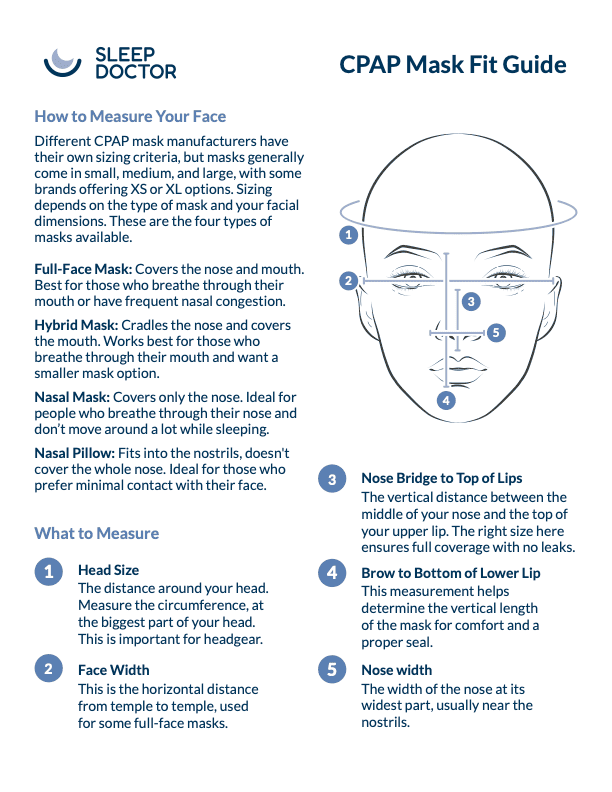
Measure your face size and shape before buying. Most brands offer size charts to help.
- Check for a tight seal around your face.
- Adjust straps for comfort and security.
- Do a fit test to confirm no air leaks.
Proper Fit And Seal
Wearing a full-face respirator correctly is vital for safety. The fit and seal keep harmful particles out.
This guide covers how to test the fit, adjust straps and seals, and fix common fit problems.
Conducting Fit Tests
Fit tests check if the respirator fits your face well. They show if air can leak inside.
- Put on the respirator and adjust it comfortably.
- Wear a hood or cover over your head and respirator.
- Use a test agent like a bitter spray or smoke.
- Perform exercises like turning your head and talking.
- Check if you taste or smell the test agent.
- If you do, the fit is not good and needs adjustment.
Adjusting Straps And Seals
Tighten or loosen straps to get an even seal around your face. The seal must touch your skin without gaps.
- Start with straps loose and place the mask on your face.
- Pull straps evenly on both sides to tighten the mask.
- Check the seal by covering filters and breathing in.
- If the mask sucks in, adjust straps tighter.
- Make sure the nose clip fits snugly to avoid leaks.
- Do not over-tighten; it should feel secure but not painful.
Common Fit Issues
Some problems can cause leaks or discomfort. Knowing them helps fix the fit quickly.
| Issue | Cause | Solution |
| Air leaks near nose | Nose clip not tight | Press and mold nose clip firmly |
| Mask slips down | Straps too loose | Tighten straps evenly |
| Pressure points | Straps too tight or mask wrong size | Loosen straps or try different size |
| Glasses fogging | Seal leaks at top | Check seal and adjust nose clip |
Wearing Techniques
Wearing a full-face respirator correctly protects you from harmful substances. It also ensures a tight seal and clear vision. Learning the right techniques helps you stay safe and comfortable.
This guide explains how to put on, take off, and wear your respirator comfortably. Follow these steps every time you use your equipment.
Donning Steps
Put on your full-face respirator carefully to get a secure fit. Follow these steps in order to avoid leaks and discomfort.
- Hold the respirator in your hands with the straps hanging down.
- Place your chin inside the chin cup of the mask.
- Pull the head straps over your head and position them around the back.
- Tighten the straps evenly, starting with the bottom ones.
- Check the seal by covering the filters and breathing in. The mask should collapse slightly without air leaks.
Removing The Respirator Safely
Taking off your respirator without touching the front prevents contamination. Use the straps to remove it safely.
- Do not touch the front of the mask or filters.
- Pull the bottom straps over your head first.
- Then remove the top straps carefully.
- Lift the respirator away from your face and set it down in a clean area.
- Wash your hands thoroughly after removal.
Maintaining Comfort During Use
Wearing a full-face respirator for long times can cause discomfort. Use these tips to stay comfortable and safe.
| Tip | Description |
| Adjust Straps | Loosen or tighten straps for a snug but comfortable fit. |
| Take Breaks | Remove the respirator safely in clean areas to rest your face. |
| Keep Skin Clean | Wash your face before and after use to prevent irritation. |
| Use Padding | Place soft padding on pressure points if needed for comfort. |

Credit: trueprepper.com
Cleaning And Maintenance
Full-face respirators protect your lungs from harmful substances. Keeping them clean and well maintained is very important. Proper care helps the mask last longer and stay safe to use.
This guide covers daily cleaning, checking for damage, and storing your respirator the right way. Follow these steps to keep your mask working well every time.
Daily Cleaning Procedures
Clean your full-face respirator after each use. Remove filters or cartridges before cleaning. Use warm water and mild soap. Avoid harsh chemicals that can damage the mask.
Rinse the mask well to remove all soap. Let it air dry in a clean area. Do not use heat to dry the mask as it may cause damage.
- Remove filters before cleaning
- Wash with warm water and mild soap
- Rinse thoroughly to remove soap
- Air dry in a clean place
- Avoid heat and harsh chemicals
Inspecting For Damage
Check your respirator before and after each use. Look for cracks, tears, or worn parts. Pay close attention to the face seal and straps.
Make sure the valves work properly and the lenses are clear. Replace any damaged parts right away. Using a damaged respirator can be unsafe.
- Check face seal for cracks or tears
- Inspect straps for wear or loss of elasticity
- Test valves for proper function
- Ensure lenses are clean and scratch-free
- Replace damaged parts immediately
Storage Best Practices
Store your respirator in a clean, dry place. Keep it away from sunlight and extreme temperatures. Avoid areas with dust or chemicals.
Use a sealed container or bag to protect it from dirt. Store the respirator so it does not get crushed or misshapen. Proper storage helps keep the mask ready for use.
- Store in a clean, dry area
- Keep away from direct sunlight
- Avoid extreme heat or cold
- Use sealed containers or bags
- Prevent crushing or deformation
Safety Precautions
Wearing a full-face respirator helps protect you from harmful air particles. It is important to follow safety rules to use it right.
This guide covers key safety tips for wearing a full-face respirator. Learn how to avoid mistakes and know what signs to watch for.
Avoiding Common Mistakes
Many users make errors that reduce the respirator’s protection. Avoid loose straps and poor sealing on your face.
Do not use a damaged or dirty respirator. Always check for cracks or worn parts before use.
- Ensure the mask fits tightly on your face
- Check straps and adjust for a snug fit
- Clean the respirator after each use
- Replace filters as recommended by the manufacturer
Recognizing Signs Of Respirator Failure
It is important to know when your respirator is not working well. Watch for signs that the mask is letting harmful air in.
If you smell or taste chemicals or dust, your respirator may have failed. Difficulty breathing or fogging inside the mask also shows problems.
- Leaks around the edges of the mask
- Unusual odors or tastes inside the mask
- Increased breathing effort or discomfort
- Cracks or tears in mask materials
Emergency Response Measures
If your respirator fails, act quickly. Leave the contaminated area and remove the mask safely.
Seek fresh air immediately. Inform your supervisor or emergency team about the issue.
- Stop work and move to a safe location
- Remove the respirator carefully to avoid contamination
- Get medical help if you feel unwell
- Report the failure to your safety officer

Credit: www.youtube.com
Regulations And Standards
Full-face respirators protect workers from harmful substances in the air. Following rules and standards keeps users safe. Agencies set these rules to ensure proper use and quality.
This guide covers important regulations and standards for wearing full-face respirators. It explains what OSHA, NIOSH, and employers must do.
Osha Guidelines
The Occupational Safety and Health Administration (OSHA) sets rules for respirator use. These rules protect workers in many industries. OSHA requires employers to have a written respiratory protection program.
Workers must be trained on how to use and care for full-face respirators. Fit testing ensures the respirator seals properly on the face. OSHA also requires medical evaluations before use.
- Develop a respiratory protection program
- Train workers on respirator use
- Conduct fit testing for each user
- Perform medical evaluations
- Maintain and clean respirators
Niosh Certification
The National Institute for Occupational Safety and Health (NIOSH) certifies respirators. Certification means the respirator meets strict safety standards. Only NIOSH-approved respirators should be used at work.
NIOSH tests respirators for filtering efficiency and durability. The certification label shows the respirator type and protection level. Users should check for this label before use.
- Look for NIOSH approval label
- Check the respirator type (e.g., N95, P100)
- Verify the protection level meets job needs
- Use only certified respirators
Employer Responsibilities
Employers must provide safe work environments. This includes supplying proper respirators. They must train workers on correct use and care. Employers also ensure respirators fit well and work properly.
Employers must keep records of training and fit tests. They should replace damaged or expired respirators. Regular inspections keep equipment safe. Employers must follow all OSHA and NIOSH rules.
- Provide NIOSH-certified respirators
- Train workers on respirator use and care
- Conduct fit testing regularly
- Keep records of training and tests
- Inspect and replace respirators as needed
Frequently Asked Questions
What Is A Full-face Respirator Used For?
A full-face respirator protects your eyes, nose, and mouth from harmful particles and gases. It’s ideal for hazardous environments like chemical handling or painting. These respirators provide a secure seal and clear visibility, ensuring safety and comfort during extended use.
How Do I Properly Wear A Full-face Respirator?
Start by adjusting the straps for a snug fit. Ensure the mask covers your entire face without gaps. Perform a seal check by covering the filters and inhaling to detect leaks. Replace filters regularly for optimal protection and hygiene.
Can Full-face Respirators Filter Out Viruses?
Yes, many full-face respirators use P100 or N95 filters that block viruses. Proper fit is crucial for effectiveness. These respirators provide better protection than standard masks in high-risk areas, especially in healthcare or industrial settings.
How Often Should I Clean My Full-face Respirator?
Clean your respirator after each use. Use warm water and mild detergent to wash the facepiece. Rinse thoroughly and air dry. Regular cleaning prevents contamination and extends the mask’s lifespan, maintaining safety and comfort.
Conclusion
Wearing full-face respirators keeps you safe in many work settings. Choose the right size and check the fit every time. Clean and store your respirator properly after use. Practice wearing it to stay comfortable and confident. Remember, safety comes first to protect your health.
Follow these simple steps for better protection every day. Stay alert and use your respirator correctly to avoid risks. Your safety depends on how well you use your gear. Keep these tips in mind to work safely and smartly.