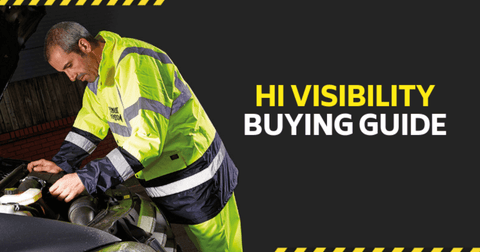
Are you ready to stay safe and stand out on your construction site? Wearing a high-visibility jacket isn’t just about following rules—it’s about protecting yourself every day.
This guide will show you exactly how to choose, wear, and care for your high-visibility jacket so you can work confidently and safely. Keep reading to discover simple tips that make a big difference in your safety and comfort on the job.

Credit: www.smigroupuk.com
Importance Of High-visibility Jackets
High-visibility jackets help workers stay safe on construction sites. They make people easy to see, even in poor light.
Wearing these jackets reduces accidents. They are a simple way to protect workers from harm.
Safety Benefits
High-visibility jackets improve worker safety by making them more visible. This lowers the chance of accidents.
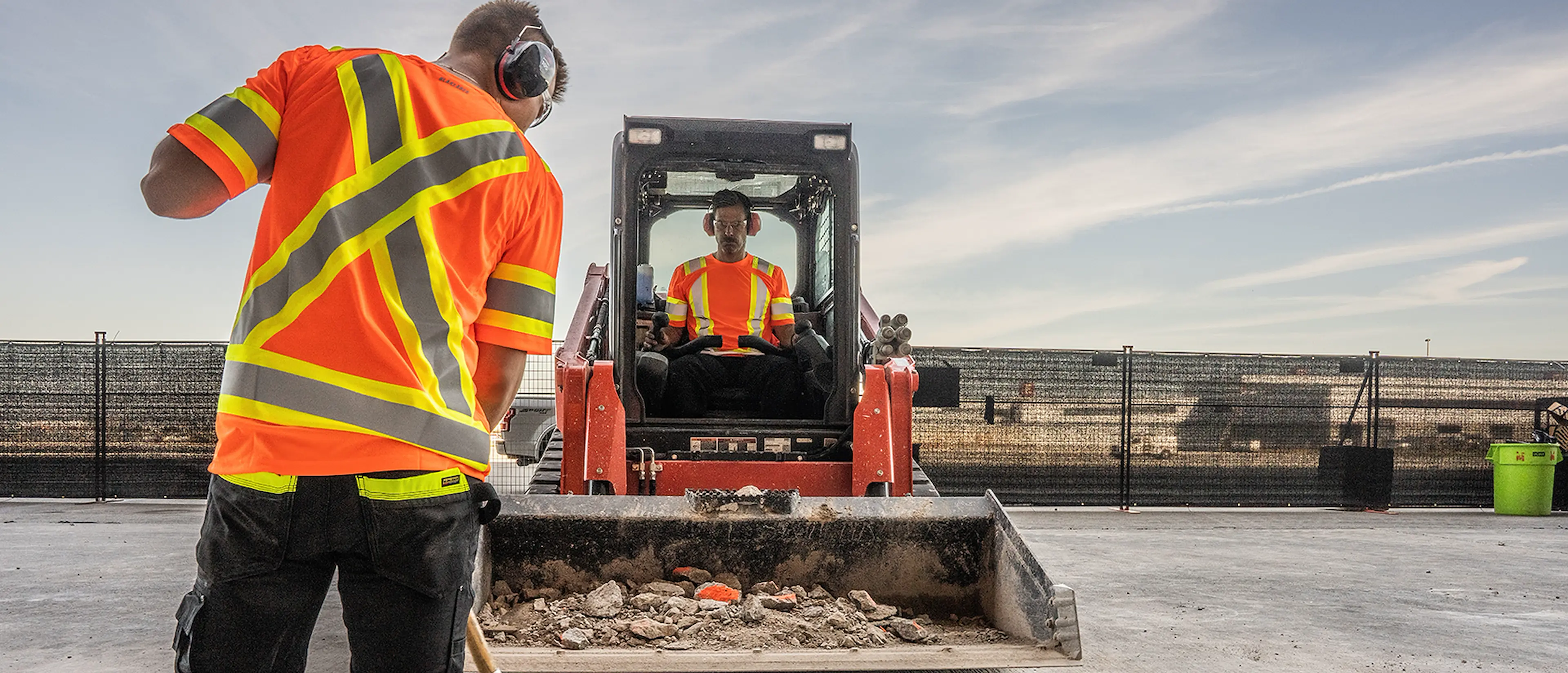
The bright colors and reflective strips help drivers and machine operators see workers from far away.
- Reduce risk of being hit by vehicles
- Improve visibility in bad weather or low light
- Help workers stand out on busy sites
- Support safety rules and regulations
Common Use Cases
High-visibility jackets are used in many construction settings. They protect workers in different roles and environments.
Workers wear these jackets while working near roads, heavy machines, or in dark areas.
- Road construction and maintenance crews
- Builders on large construction sites
- Utility workers near traffic
- Warehouse and loading dock staff
- Emergency responders at accident sites
Credit: www.conequip.com
Types Of High-visibility Jackets
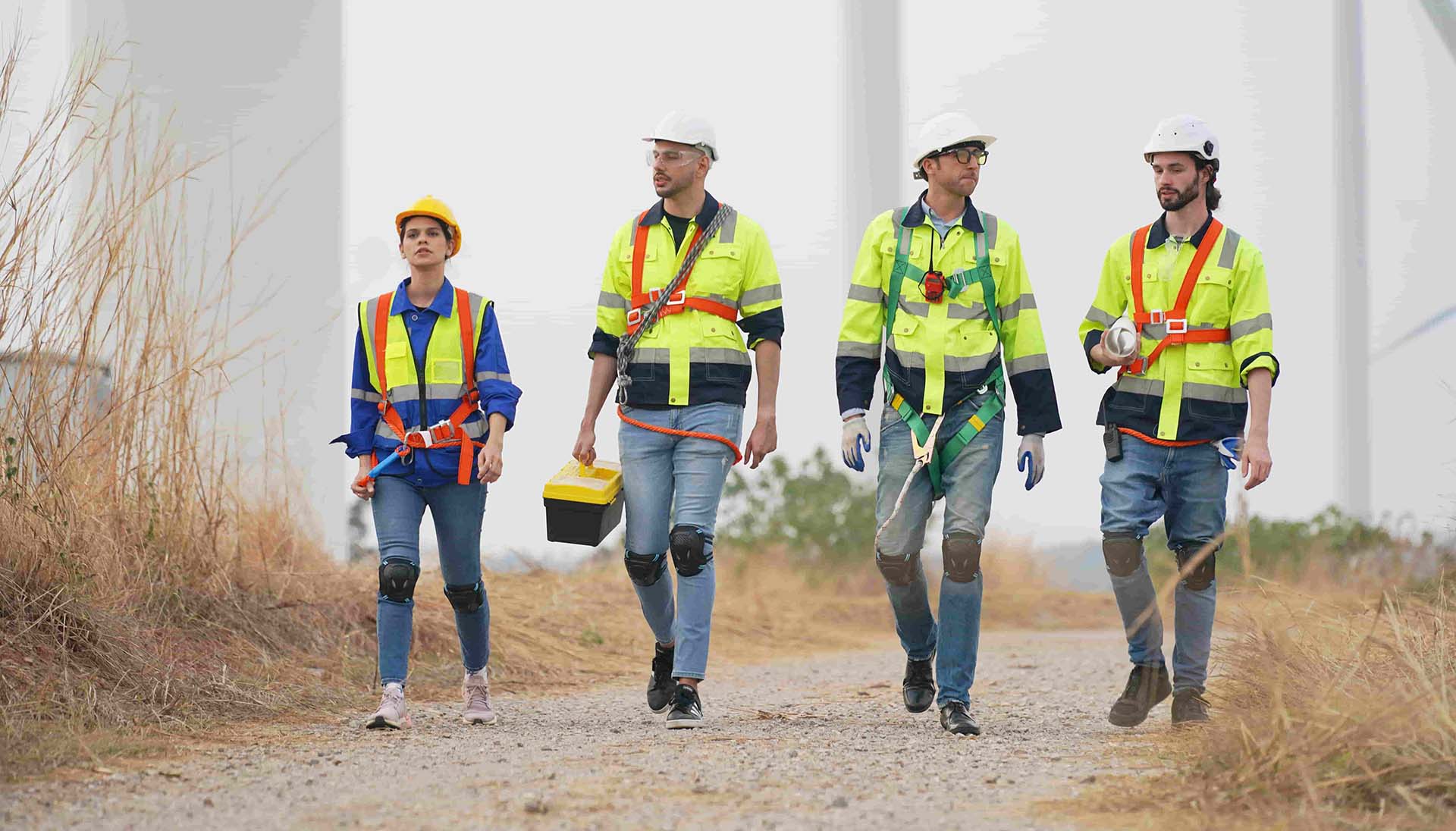
High-visibility jackets help keep workers safe on construction sites. They come in different types based on materials and design features. Choosing the right jacket matters for comfort and safety.
This guide explains the common material variations and design features in high-visibility jackets. Understanding these helps you pick the best option for your work needs.
Material Variations
High-visibility jackets use various materials to balance durability, comfort, and weather protection. Some jackets are lightweight, while others are heavier for colder conditions.
| Material | Description | Best Use |
|---|---|---|
| Polyester | Lightweight and durable fabric | Warm weather, dry conditions |
| Fleece-lined Polyester | Polyester with a soft fleece inside | Cold weather, added warmth |
| PVC-coated Fabric | Waterproof and windproof material | Wet and windy environments |
| Mesh Panels | Breathable mesh sections | Hot weather for ventilation |
Design Features
Design features improve safety and comfort in high-visibility jackets. Reflective strips, pockets, and closures are common elements.
- Reflective Tape:Enhances visibility in low light.
- Multiple Pockets:Holds tools and personal items.
- Zipper or Velcro Closure:Easy to open and close.
- Adjustable Cuffs and Hems:Helps fit and blocks wind.
- Hooded Option:Provides extra protection from rain.
Choosing The Right Jacket
High-visibility jackets keep workers safe on construction sites. Picking the right jacket is important. It helps workers stay visible and comfortable.
This guide helps you choose a jacket that meets safety rules and fits well. It also looks at how weather affects your choice.
Reflective Standards
Jackets must follow rules that make them visible in low light. These rules are called reflective standards. They set how much reflective material a jacket needs.
Look for jackets that meet standards like ANSI/ISEA 107 or EN ISO 20471. These standards help ensure you can be seen from far away.
- ANSI/ISEA 107 is common in the United States
- EN ISO 20471 is used in Europe
- Check the label to see the standard your jacket meets
Size And Fit
Your jacket should fit well but allow movement. Too tight jackets can be uncomfortable. Too loose jackets might catch on objects.
Choose a size that fits over your clothes. If you wear layers, pick a larger size. Make sure sleeves cover your wrists and the jacket covers your waist.
- Check chest and waist measurements before buying
- Try the jacket on with work clothes underneath
- Look for adjustable straps for a better fit
Weather Considerations
Weather affects what jacket you need. In cold weather, choose insulated jackets to keep warm. In hot weather, pick lightweight jackets that breathe well.
Waterproof jackets protect you from rain. Look for jackets with water-resistant or waterproof material if you work outside in wet conditions.
- Insulated jackets for cold weather
- Lightweight, breathable jackets for warm weather
- Waterproof jackets for rainy conditions
- Jackets with ventilation for comfort
Proper Wearing Techniques
Wearing high-visibility jackets correctly is essential for safety on construction sites. The right fit and placement ensure workers stay visible to others. This guide explains key techniques to wear these jackets properly.
Following simple rules can improve visibility and comfort. Use the tips below to get the most from your high-visibility jacket.
Ensuring Visibility
High-visibility jackets must be worn to keep all reflective parts visible. Avoid covering them with other clothing or gear. Make sure the jacket is clean and not faded, as dirt and wear reduce visibility.
- Wear the jacket fully zipped or fastened for best coverage.
- Keep reflective strips clear from dirt, mud, or damage.
- Do not cover the jacket with backpacks or tools.
- Choose bright colors like fluorescent yellow or orange.
- Replace jackets that are torn or very faded.
Layering Tips
Layering clothes under your high-visibility jacket helps in cold weather. Use thin layers that do not block the jacket’s reflective parts. Avoid bulky clothes that change the jacket’s shape.
| Layer | Purpose | Tips |
|---|---|---|
| Base Layer | Keep skin dry | Use moisture-wicking fabric |
| Middle Layer | Insulation | Choose lightweight fleece or wool |
| Outer Layer | High visibility | Wear the high-visibility jacket properly |
Maintenance And Care
High-visibility jackets keep workers safe on construction sites. Proper care helps them last longer. Clean and store your jacket well to keep it effective.
Follow simple steps to maintain your jacket’s brightness and durability. This guide covers cleaning and storage tips.
Cleaning Guidelines
Wash your high-visibility jacket carefully to keep its color and reflective strips strong. Avoid damage from harsh chemicals or rough handling.
- Use mild detergent without bleach or fabric softeners.
- Wash in cold or warm water, not hot.
- Turn the jacket inside out before washing.
- Use a gentle cycle on your washing machine.
- Air dry the jacket; do not use a tumble dryer.
- Check the jacket for stains and clean them promptly.
Storage Tips
Store your jacket in a clean, dry place away from sunlight. Proper storage keeps the material and reflective parts in good shape.
| Storage Condition | Recommendation |
|---|---|
| Temperature | Keep in a cool, dry area |
| Sunlight | Store away from direct sunlight |
| Hanging | Hang on a sturdy hanger to avoid creases |
| Folding | If folding, avoid sharp creases on reflective tape |
| Moisture | Ensure jacket is dry before storing to prevent mold |
Common Mistakes To Avoid
Wearing high-visibility jackets is important for safety on construction sites. Many people make mistakes that reduce the jacket’s effectiveness.
Avoid these common errors to stay safe and visible while working.
Improper Fit
A jacket that is too large or too small can be uncomfortable and unsafe. A loose jacket may catch on equipment or block your movements.
A tight jacket can restrict breathing and movement. The jacket should fit comfortably over your clothes without being baggy or tight.
- Make sure the jacket allows easy arm movement
- Check that the jacket covers your torso fully
- Try the jacket on with work clothes underneath
- Adjust straps or closures for a snug but comfortable fit
Ignoring Wear And Tear
Worn-out jackets lose their visibility and protection. Tears, stains, and faded colors reduce safety.
Regularly check your jacket for damage. Replace it if the reflective strips peel off or the fabric is torn.
- Inspect jackets before each use
- Wash jackets as per care instructions
- Replace jackets with missing or damaged reflective tape
- Do not use jackets with large holes or tears
Credit: www.blaklader.ca
Frequently Asked Questions
Why Are High-visibility Jackets Essential On Construction Sites?
High-visibility jackets improve worker safety by making them easily visible. They reduce accidents and ensure compliance with safety regulations. Bright colors and reflective strips enhance visibility in low light or hazardous conditions. Wearing them is a key safety measure in construction environments.
How Should I Properly Wear A High-visibility Jacket?
Wear the jacket fully zipped or fastened to maximize visibility. Ensure reflective strips face outward and are clean. Choose the right size for comfort and freedom of movement. Proper wearing increases safety and effectiveness on site.
What Materials Are Best For High-visibility Jackets?
High-visibility jackets are usually made from polyester or mesh fabrics. These materials are durable, lightweight, and breathable. Reflective tapes are sewn or heat-sealed for enhanced visibility. Quality materials ensure long-lasting protection and comfort.
When Is It Necessary To Wear High-visibility Jackets?
Wear them during all outdoor construction activities, especially near moving vehicles. They are crucial in low-light, foggy, or rainy conditions. Safety protocols often mandate their use on active construction sites. Visibility prevents accidents and saves lives.
Conclusion
Wearing high-visibility jackets improves safety on construction sites. Bright colors and reflective strips help workers stay visible. Choose jackets that fit well and feel comfortable. Clean and maintain them regularly for best results. Remember, safety gear protects you and your coworkers.
Stay alert and follow safety rules every day. Your safety matters most in any work environment. Keep these tips in mind to stay protected. Safety first, always.