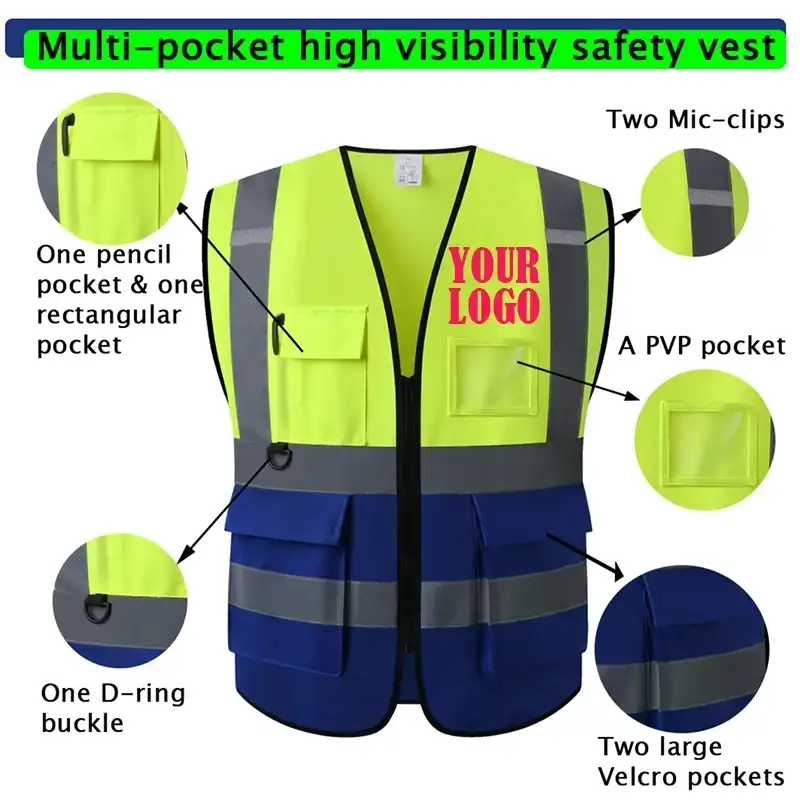
Imagine you’re on a night shift, surrounded by the deep darkness, with only the distant hum of machinery to accompany you. In these conditions, staying visible isn’t just a preference—it’s a necessity.
When you think about safety, your mind should immediately jump to one crucial item: the safety vest. But how do you choose the right one? What features should you look for to ensure you’re seen by everyone around you, protecting yourself from potential hazards?
This guide is your go-to resource for everything you need to know about wearing safety vests for night work. We’ll dive into the essential tips and considerations so that you can make informed decisions and keep yourself safe. Reading on, you’ll discover how the right safety vest can not only enhance your visibility but also boost your confidence as you tackle your tasks. Don’t leave your safety to chance—find out how to choose and wear a safety vest that works for you.
Importance Of Safety Vests At Night
Wearing safety vests at night is crucial for workers in many fields. These vests make people more visible in dark conditions.
Visibility helps reduce the risk of accidents and keeps workers safe. This guide explains why safety vests matter after dark.
Visibility Challenges After Dark
After sunset, visibility drops sharply. Drivers and machinery operators find it hard to see people clearly.
- Darkness reduces contrast between workers and background
- Streetlights and headlights may cause glare or shadows
- Distance makes it harder to spot people without reflective gear
- Poor weather like rain or fog worsens visibility
Accident Prevention Benefits
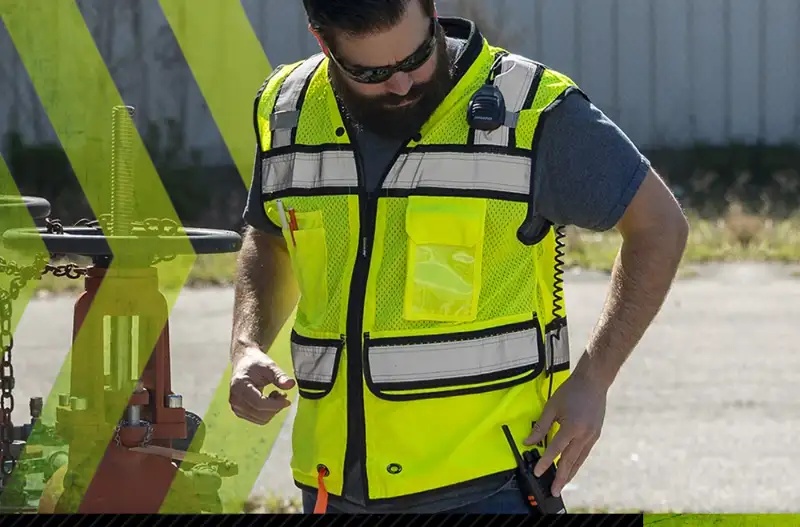
Safety vests improve visibility using bright colors and reflective strips. This lowers the chance of crashes and injuries.
| Benefit | Description |
| Increased Visibility | Reflective strips shine in headlights to alert drivers |
| Clear Identification | Bright colors distinguish workers from surroundings |
| Early Detection | Drivers notice workers sooner and react faster |
| Reduced Accidents | Better visibility lowers collisions and injuries |
Credit: www.leelinework.com
Types Of Safety Vests For Night Use
Safety vests help workers stay visible in dark or low-light areas. Choosing the right type is important for night work safety.
There are different materials and colors used in vests. Each type has unique features that improve visibility at night.
Reflective Vs. High-visibility Materials
Reflective materials shine brightly when light hits them. They reflect light back to the source, making the wearer easy to see.
High-visibility materials use bright colors to stand out. They do not reflect light but are visible in daylight and some low-light conditions.
- Reflective Vests:Have strips or patches that glow under headlights or flashlights.
- High-Visibility Vests:Made from bright neon colors like yellow or orange.
- Combination Vests:Use both reflective strips and bright colors for better safety.
Common Colors And Their Effects
Colors affect how well a safety vest works at night. Some colors are easier to see in dark or foggy places.
| Color | Visibility Effect | Best Use |
| Neon Yellow | Very bright and easy to see in low light | Construction sites, road work |
| Neon Orange | Highly visible and stands out against most backgrounds | Emergency responders, traffic control |
| Neon Green | Good visibility but less common than yellow and orange | Outdoor night work, park maintenance |
| Red | Less visible at night without reflective material | Limited use, often combined with reflective strips |
Choosing The Right Safety Vest
Wearing a safety vest at night helps workers stay visible. Choosing the right vest is very important for safety.
Pick a vest that fits well and works in different weather. This guide explains what to look for in safety vests.
Fit And Comfort Considerations
A safety vest must fit well to keep you safe and comfortable. A vest that is too tight or loose can cause problems.
Look for adjustable straps or sizes that match your body. You should be able to move easily while wearing it.
- Check chest and waist measurements before buying
- Choose vests with adjustable fasteners like Velcro or zippers
- Make sure the vest allows full arm movement
- Try the vest with your regular work clothes on
Material Durability And Weather Resistance
Night work means facing different weather conditions. Pick a vest made from strong materials that last long.
The vest should resist rain, wind, and cold. Reflective strips must stay bright even after use in tough weather.
- Look for polyester or nylon fabrics for durability
- Choose waterproof or water-resistant vests for wet conditions
- Check if the reflective tape meets safety standards
- Consider vests with mesh panels for breathability in warm weather

Credit: www.fonirra.com
Proper Wearing Techniques
Wearing a safety vest correctly is crucial for night work. It helps others see you and keeps you safe.
This guide explains how to wear your safety vest properly. Follow these tips for the best fit and visibility.
Correct Placement And Fit
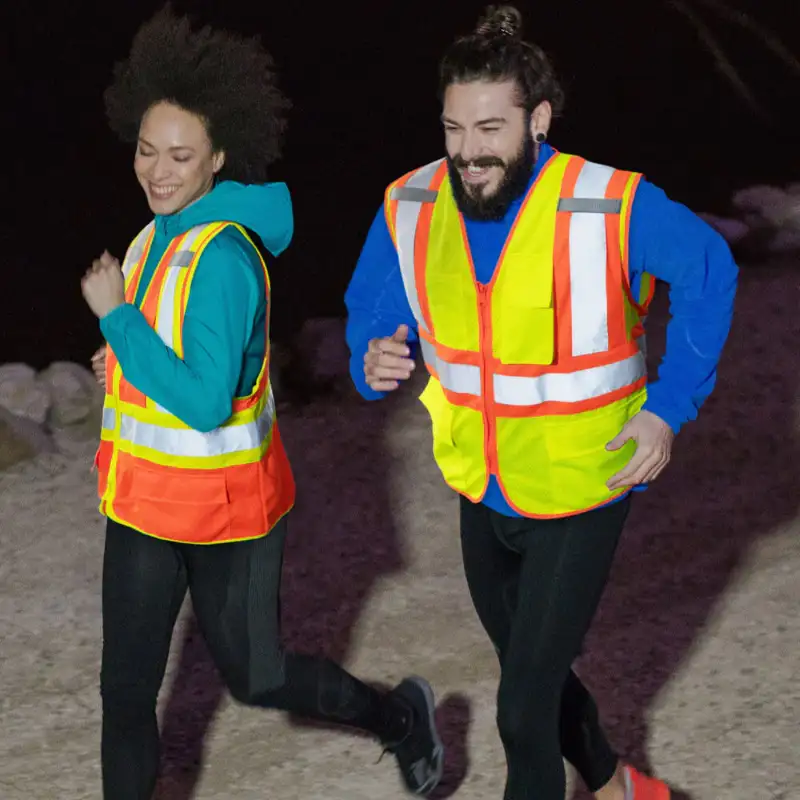
The vest should sit comfortably on your shoulders and cover your torso. It must not be too tight or too loose.
- Put the vest on over your head or fasten it around your body.
- Adjust the straps or closures to fit snugly but not restrict movement.
- Make sure the reflective strips are flat and visible from all sides.
- Check that the vest covers your chest and back fully.
Layering Over Clothing
Wear your safety vest over your outer clothing for the best visibility. The vest should never be under jackets or coats.
| Clothing Type | How to Wear Vest |
|---|---|
| Light Shirt | Wear vest directly over the shirt. |
| Jacket or Coat | Wear vest on top of the jacket or coat. |
| Heavy Sweater | Vest should cover the sweater fully and fit snugly. |
| Rain Gear | Place vest over rain gear to keep reflective strips visible. |
Maintenance And Care Tips
Safety vests need regular care to keep their bright colors and reflectivity. Proper cleaning and inspection help the vest last longer.
Follow simple steps to maintain your safety vest. Clean it carefully and check for damage before every use.
Cleaning Guidelines
Wash safety vests with mild detergent in cold water. Avoid bleach or fabric softeners, as they can damage reflective strips.
- Hand wash or use gentle cycle on washing machine
- Use cold water to protect colors and materials
- Air dry by hanging; do not use a dryer
- Do not iron or dry clean the vest
- Keep away from direct sunlight when drying
Inspecting For Wear And Tear
Check your safety vest often for holes, tears, or fading. Damage lowers its visibility and safety.
| Inspection Area | What to Look For |
| Reflective strips | Cracks, peeling, fading |
| Fabric | Holes, tears, worn spots |
| Stitching | Loose or broken threads |
| Fasteners | Broken zippers or buttons |
Credit: www.leelinework.com
Additional Safety Gear For Night Work
Wearing a safety vest is vital for night work. Extra gear can improve your safety even more. Using reflective and lighting tools helps others see you clearly.
This guide covers useful accessories and lighting tools to keep you safe in dark conditions.
Complementary Reflective Accessories
Reflective accessories add more visibility beyond the safety vest. They catch light from vehicles and street lamps to alert drivers and coworkers.
- Reflective armbands or wristbands
- Reflective gloves for hand signals
- Reflective hats or helmet covers
- High-visibility shoelaces or boot covers
- Reflective belts around the waist
Lighting Tools To Enhance Visibility
Lighting tools make you stand out in the dark. Use these devices to increase your visibility and reduce accidents.
| Lighting Tool | Purpose | Placement |
| LED Clip-on Lights | Attach to vest for bright light | Chest or shoulders |
| Headlamps | Hands-free light for tasks | Forehead |
| Flashlights | Portable light source | Handheld |
| Glow Sticks | Low-light visibility | Attached to clothing or belt |
| Light-up Armbands | Increase arm visibility | Upper arms |
Frequently Asked Questions
What Materials Are Best For Night Safety Vests?
Reflective polyester mesh is ideal for night safety vests. It’s lightweight, breathable, and enhances visibility. High-quality reflective tape ensures maximum light reflection. Durable materials withstand harsh weather and wear. This combination keeps workers safe and comfortable during night work.
How Should Safety Vests Fit For Night Work?
Safety vests should fit comfortably but not tightly. Ensure full range of motion without restriction. The vest should cover the torso completely for maximum visibility. Adjustable straps or sizes help achieve the right fit. Proper fit enhances safety and comfort during night tasks.
Why Is Reflective Tape Important On Safety Vests?
Reflective tape increases visibility in low light conditions. It reflects headlights and other light sources to alert drivers. This reduces accident risks for night workers. Tape placement on shoulders, chest, and back is crucial. Reflective tape is essential for effective night safety vests.
Can I Wear Safety Vests Over Bulky Clothing?
Yes, safety vests should fit over bulky clothing. Choose vests with adjustable sizing or larger dimensions. This ensures visibility even with winter jackets or heavy gear. Proper layering keeps workers visible and warm. Always test the fit before starting night work.
Conclusion
Wearing safety vests at night helps workers stay visible and safe. Bright colors and reflective strips catch drivers’ eyes quickly. Choose vests that fit well and meet safety rules. Always check your vest for dirt or damage before work. Staying visible reduces accidents and protects lives.
Remember, safety vests are a simple tool with big impact. Keep them clean and wear them every night shift. Safety starts with being seen. Stay safe out there.