
Are you ready to take your woodworking skills to the next level? Mastering hand saw cutting techniques can make all the difference in how clean, precise, and effortless your cuts are.
Whether you’re a beginner or looking to sharpen your skills, understanding the right way to use a hand saw will save you time and frustration. You’ll discover simple tips and tricks that will transform the way you work with your hand saw.
Keep reading, and soon you’ll be cutting like a pro with confidence and ease.
Types Of Hand Saws
Hand saws are tools used to cut wood and other materials. Each type of hand saw has a special design. This helps with different cutting jobs.
Knowing the types of hand saws helps you pick the right one. This makes your work easier and cleaner.
Crosscut Saws
Crosscut saws cut across the wood grain. Their teeth are angled to cut wood fibers cleanly. These saws work well for cutting boards to length.
Rip Saws
Rip saws cut along the wood grain. Their teeth are straight and shaped like chisels. Rip saws make it easier to split wood fibers in the right direction.
Back Saws
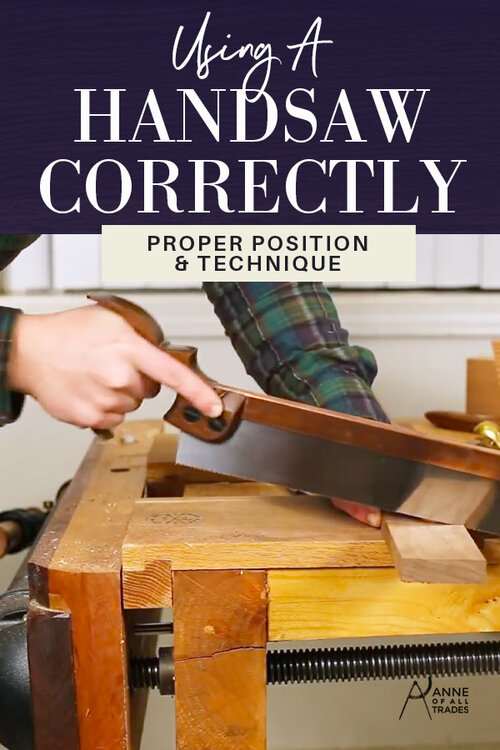
Back saws have a stiff metal strip on the top edge. This keeps the blade straight during cutting. They are good for precise cuts in joinery work.
| Type | Blade Feature | Main Use |
| Crosscut Saw | Angled Teeth | Cutting across wood grain |
| Rip Saw | Chisel-shaped Teeth | Cutting along wood grain |
| Back Saw | Reinforced Back | Precise joinery cuts |
| Coping Saw | Thin, Narrow Blade | Cutting curves and shapes |
Coping Saws
Coping saws have a thin blade held by a U-shaped frame. This allows cutting tight curves and shapes. They are used for detailed woodwork and trim.
- Thin blade fits small spaces
- Blade can turn for angled cuts
- Good for cutting patterns and curves

Credit: www.youtube.com
Essential Hand Saw Setup
Using a hand saw properly starts with the right setup. This helps you cut wood smoothly and safely.
Preparing your tools and workpiece well makes cutting easier. Follow these simple steps for good results.
Choosing The Right Saw
Select a saw that fits the job. Different saws work best on certain woods and cuts.
Look at the saw’s size, teeth per inch, and handle comfort before you start.
- Crosscut saws cut across the wood grain
- Rip saws cut along the wood grain
- Back saws offer precise, straight cuts
- Smaller saws are good for fine detail work
Preparing The Workpiece
Secure the wood firmly to stop it from moving. Use clamps or a vise if possible.
Check the wood for nails or screws before cutting. Remove any obstacles to avoid damage.
- Place wood on a stable surface
- Use clamps to hold the workpiece tight
- Clear the cutting area of debris
- Wear safety gear like gloves and glasses
Marking Cut Lines
Draw clear lines where you want to cut. Use a pencil or chalk for visibility.
Use a square tool or ruler to keep lines straight and even.
- Mark the cut on the face of the wood
- Double-check measurements before cutting
- Draw lines on both sides for accuracy
- Make lines thin but visible
Basic Cutting Techniques
Using a hand saw properly makes cutting easier and safer. Knowing the basic techniques helps you cut wood straight and smooth.
Practice these simple steps to improve your cutting skills and get better results every time.
Starting The Cut
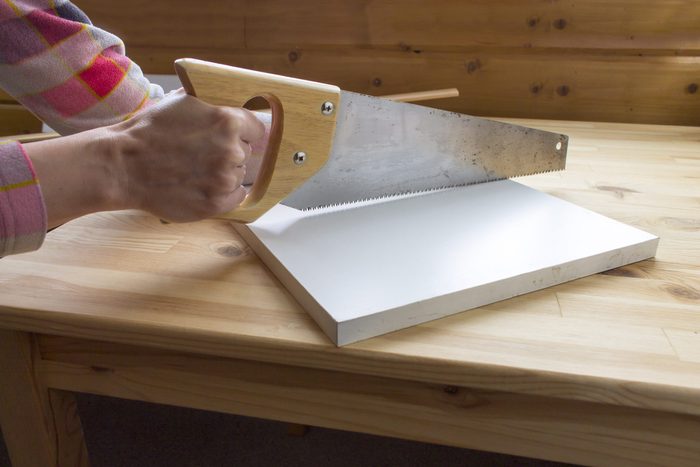
Begin by marking the line where you want to cut. Hold the saw at a low angle to the wood.
Make a few short, gentle strokes to create a groove. This helps guide the saw and keeps it from slipping.
Maintaining A Steady Stroke
Use smooth and even strokes when cutting. Keep your hand steady and apply consistent pressure.
Do not force the saw. Let the teeth do the work by moving the saw back and forth steadily.
- Keep your arm relaxed
- Use full strokes, not short jerks
- Keep a steady pace
Controlling Saw Angle
Hold the saw at the right angle to cut smoothly. Usually, a 45-degree angle works well for most cuts.
Adjust the angle slightly to follow curves or corners. Keep the saw teeth aligned with the cut line.
- Start with a low angle to guide the cut
- Raise the saw to 45 degrees for faster cutting
- Keep the angle steady throughout
Credit: www.familyhandyman.com
Advanced Cutting Methods
Hand saw cutting requires skill and control for detailed work. Advanced methods improve accuracy and results. This guide covers cutting curves, precise miters, and dovetails.
Each technique uses specific hand saw skills to shape wood correctly. Practice these methods to handle complex woodworking projects with ease.
Cutting Curves And Shapes
Cutting curves demands slow, steady motion and a flexible saw blade. Use a coping saw or a fine-toothed saw to follow curved lines smoothly. Keep the saw upright and let the blade do the work without forcing it.
- Mark the curve clearly on the wood.
- Start with straight cuts near the curve edges.
- Use short strokes to stay on the line.
- Turn the wood, not the saw, to follow tight curves.
- Sand edges after cutting for a smooth finish.
Making Precise Miters
Miters join two pieces at an angle, often 45 degrees. Use a miter box to guide your saw and keep the cut straight. Measure the angle carefully before cutting to ensure a tight fit.
| Tool | Use | Tip |
|---|---|---|
| Miter Box | Guides saw for angled cuts | Check angle marks before cutting |
| Back Saw | Fine blade for clean cuts | Use slow strokes for accuracy |
| Combination Square | Measures angles precisely | Verify angles twice before cutting |
Cutting Dovetails
Dovetail joints are strong and decorative. Cut the tails first using a dovetail saw. Mark the pins and cut carefully to fit the tails perfectly. Patience and steady hands are key.
- Mark tails with a dovetail template or ruler.
- Cut along the marked lines with a dovetail saw.
- Remove waste wood with a chisel carefully.
- Fit pins to match the tails precisely.
- Test fit before gluing the joint.
Common Cutting Mistakes
Using a hand saw needs care and skill to get clean cuts. Many people make simple mistakes that cause problems.
These mistakes can waste wood and make the work harder. Knowing what to avoid helps you cut better and safer.
Avoiding Saw Bind
Saw bind happens when the blade gets stuck in the wood. It slows your work and can break the saw or wood.
To stop saw bind, use a sharp blade and cut with steady pressure. Keep the wood supported to prevent it from closing on the blade.
- Keep the saw blade clean and sharp
- Support both sides of the cut to avoid pinching
- Cut slowly and evenly without forcing the saw
- Use a saw with proper teeth size for the wood
Preventing Wander
Wander means the saw blade moves off the cutting line. It causes uneven cuts and wastes wood.
To stop wander, mark a clear line and start the cut carefully. Keep your wrist steady and follow the line closely.
- Draw a clear cutting line with a pencil
- Start cutting with short, slow strokes
- Hold the saw handle firmly but not too tight
- Keep your eyes on the cutting line at all times
Managing Tear-out
Tear-out happens when the wood fibers split and lift at the cut edge. It makes the finish look rough.
To reduce tear-out, cut with sharp blades and support the wood fibers near the cut. Use a backing board if possible.
- Use a fine-toothed saw blade for clean cuts
- Place a scrap wood piece behind the cut
- Cut slowly as you near the end of the cut
- Score the cutting line first with a utility knife
Credit: www.anneofalltrades.com
Saw Maintenance Tips
Keeping your hand saw in good shape helps it cut better and last longer. Regular care prevents damage and makes work easier.
Here are some simple tips for maintaining your saw and improving its performance.
Sharpening Teeth
Sharp teeth cut wood cleanly and reduce effort. Dull teeth make sawing slow and uneven.
Use a fine file to sharpen each tooth. Keep the same angle and stroke for all teeth.
- Secure the saw firmly before sharpening
- File teeth evenly on both sides
- Check for damaged or missing teeth
- Sharpen regularly to keep edges sharp
Cleaning And Lubrication
Clean your saw after use to remove sawdust and sap. This keeps the blade smooth and prevents rust.
Apply light oil to the blade to protect metal parts. Lubrication helps the saw cut smoothly.
- Use a brush or cloth to clean the blade
- Remove sticky resin with a mild solvent
- Apply machine oil or light lubricants
- Wipe off extra oil before storing
Proper Storage
Store your saw in a dry place to avoid rust and damage. Keep it away from moisture and dirt.
Use a protective cover or hang the saw on a wall hook. This protects the teeth and keeps the saw ready to use.
- Keep saws in a tool box or cabinet
- Hang saws by their handles on hooks
- Avoid stacking saws on top of each other
- Check stored saws regularly for rust
Frequently Asked Questions
What Is The Best Hand Saw For Beginners?
The best hand saw for beginners is a universal crosscut saw. It has medium teeth, making it versatile for various wood types. It’s easy to control, allowing smooth and precise cuts. Beginners should choose a saw with a comfortable handle for better grip and safety.
How To Hold A Hand Saw Properly?
Hold the hand saw with your dominant hand on the handle. Keep your wrist straight and grip firmly but not too tight. Use your other hand to stabilize the wood. Maintain a steady, controlled motion while cutting to ensure clean and accurate cuts.
What Angle Should I Cut With A Hand Saw?
Cut at a 45-degree angle for crosscuts and 60 degrees for rip cuts. This angle ensures efficient cutting and reduces blade binding. Adjust the angle slightly based on the wood type and saw tooth design. Proper angles improve cutting speed and accuracy.
How To Prevent Hand Saw Binding During Cutting?
To prevent binding, keep the saw blade straight and apply even pressure. Use steady, smooth strokes without forcing the saw. Ensure the wood is securely clamped to avoid movement. Lubricate the blade if needed, especially on hardwoods, to reduce friction and binding.
Conclusion
Mastering hand saw cutting techniques boosts your woodworking skills. Each technique has its own purpose. Practice ensures smooth, precise cuts. Remember to choose the right saw for your project. Safety must always be a priority. Wear protective gear and keep your workspace organized.
Patience and persistence lead to better results. Keep practicing and watch your skills grow. A little effort goes a long way. Soon, these techniques will feel natural. Happy sawing!
